Quick Navigation
- It's All About Region: North, Central, South
- The Can't-Miss List: Vietnamese Food Essentials
- How to Actually Eat Vietnamese Food (The Rules of Engagement)
- Navigating the Vietnamese Coffee Universe
- Answers to Stuff You're Probably Wondering (FAQ)
- Taking It Home: Ingredients & Cooking Resources
- Final Bites of Advice
Let's be honest. When most people think of Vietnam food, one bowl comes to mind. Pho. It's everywhere, from high-end restaurants to airport food courts. And don't get me wrong, a good pho is a thing of beauty – fragrant broth, silky noodles, that perfect hit of herbs. But if you think that's all there is to Vietnamese cuisine, you're missing out on a whole universe of flavor.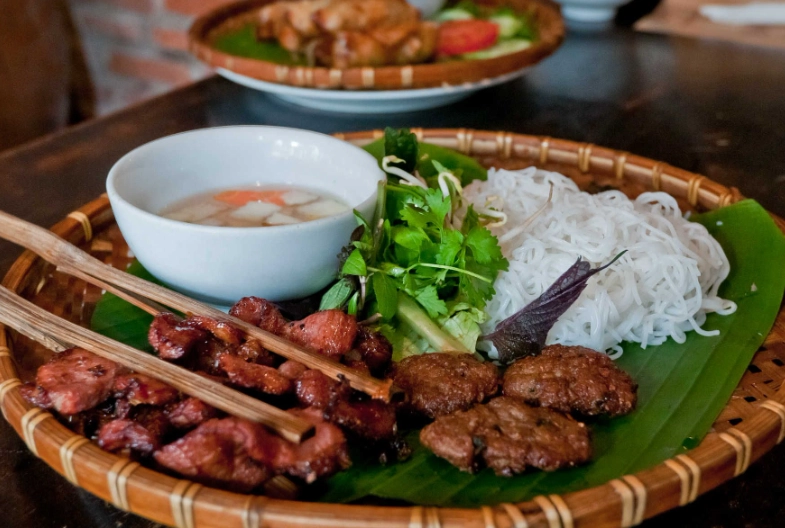
I remember my first real trip to Vietnam. I landed in Hanoi, jet-lagged and hungry, and made a beeline for the first pho shop I saw. It was good, sure. But the next day, a local friend dragged me to a tiny alleyway stall for Bun Cha. Grilled pork patties and slices in a sweet-savory broth, with a mountain of vermicelli noodles and fresh herbs. That was the moment. That's when I realized Vietnamese food is a symphony, not a solo. It's about the balance – sweet, sour, salty, bitter, spicy – and the texture, and the fresh, fresh herbs.
This isn't just a list of dishes. It's a roadmap. We're going to dig into what makes this cuisine tick, region by region. We'll talk about the must-trys, the hidden gems, and yes, even the things that might challenge your palate (in a good way, mostly). You'll learn how to navigate a menu, how to eat like you know what you're doing, and why this food has captured the hearts (and stomachs) of travelers and foodies worldwide.
The Core Idea: Vietnamese cooking is built on a foundation of freshness and balance. It's less about heavy sauces and more about highlighting quality ingredients. Fish sauce (nuoc mam) is the soul, herbs are the lifeblood, and rice is the constant companion.
It's All About Region: North, Central, South
Vietnam is a long, skinny country. The climate, history, and influences change as you go from top to bottom, and the food tells that story. Generalizing is tricky, but understanding these broad strokes is key to getting Vietnamese food.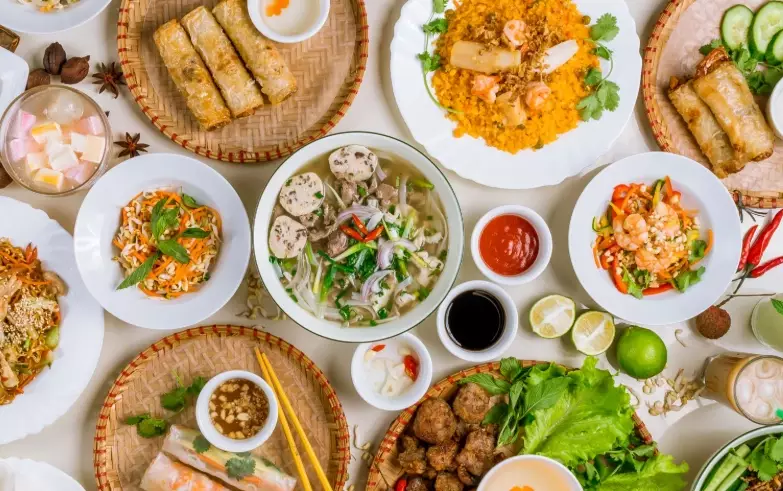
The North (Hanoi & Surroundings)
Think subtle, elegant, and less sweet. The northern palate prefers clarity. Black pepper is more common than chili. Broths are clean and deep, often relying on subtle spices. This is the home of the original pho (Pho Bac), which is simpler and clearer than its southern cousin. Bun Cha, as I mentioned, is a Hanoi classic. Then there's Cha Ca La Vong – turmeric-marinated fish grilled at your table with dill and noodles – a unique flavor combo you won't find elsewhere. The food here reflects the older, more traditional culture and the cooler climate.
The Central Coast (Hue, Da Nang, Hoi An)
Brace yourself. This is the spicy, complex, and visually stunning heartland. Heavily influenced by the royal cuisine of Hue, presentation matters. Flavors are bold and intense. This is where you'll find Bun Bo Hue – a spicy, lemongrass-infused beef noodle soup that makes pho taste tame. Mi Quang is another star: turmeric-colored noodles with just enough intense broth, topped with shrimp, pork, crackers, and herbs. Central Vietnam food isn't afraid of heat or strong fermented flavors. It's a thrilling ride.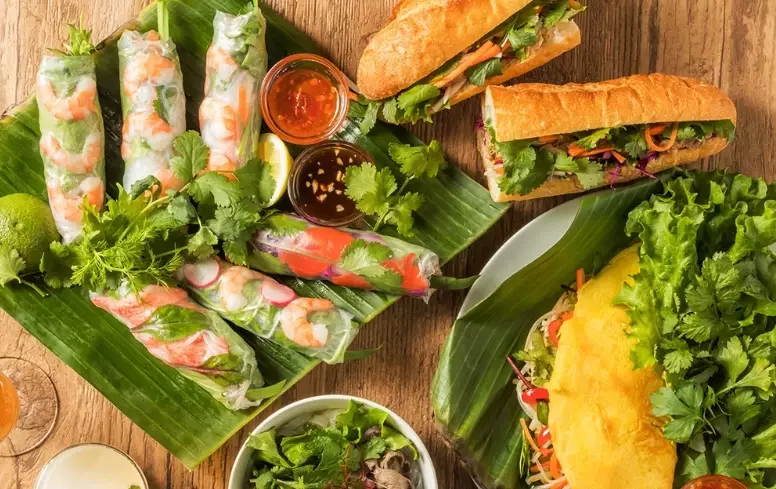
The South (Ho Chi Minh City & Mekong Delta)
Welcome to the party. Southern food is sweeter, bolder, and more liberal with herbs and garnishes. Influences from Cambodia, Thailand, and later French colonization are more apparent. This is the home of the more robust, sweeter broth Pho Saigon. It's the kingdom of Banh Mi, the perfect fusion sandwich. And it's where you get incredible freshwater fish and coconut-based dishes from the Mekong Delta. Southerners love sugar (in their cooking, not just coffee!), fresh coconuts, and an abundance of basil and mint. The food is generous, vibrant, and approachable.
See what I mean? One country, three distinct personalities on a plate.
The Can't-Miss List: Vietnamese Food Essentials
Okay, let's get practical. You're staring at a menu, or walking down a street lined with stalls. What should you absolutely not leave without trying? Here's my personal hit list, broken down by category.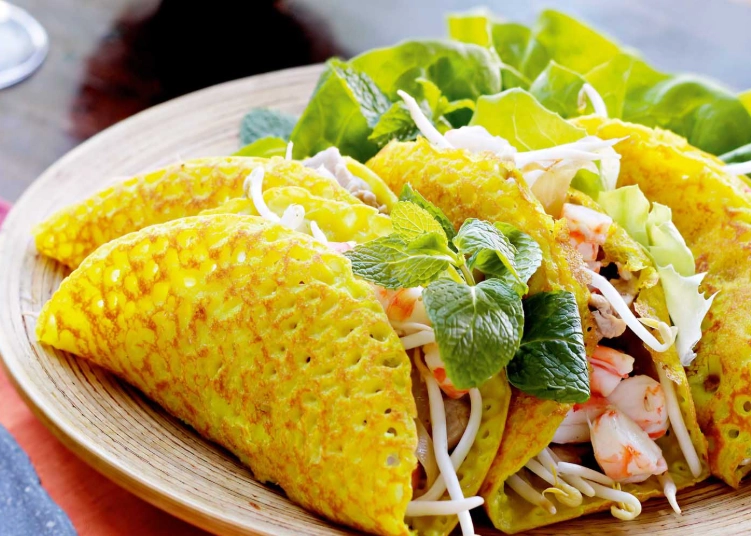
The Noodle Soup Hall of Fame
It's not just pho. The noodle soup game in Vietnam is incredibly strong.
- Pho: The ambassador. Choose Pho Bo (beef) or Pho Ga (chicken). Northern style is clearer; Southern style is sweeter and more aromatic with more herbs. Squeeze lime, add chili, tear up herbs. Don't drown it in hoisin sauce – taste the broth first!
- Bun Bo Hue: The spicy, funky, glorious central soup. Thick round noodles, beef, and sometimes pork knuckle. That deep red color comes from annatto and chili oil. It's served with sliced banana blossom and mint. A must for adventurous eaters.
- Hu Tieu: A southern favorite with a clear, pork-and-dried-squid based broth. The noodles are chewy tapioca noodles, and it can come with a mix of pork, shrimp, and quail eggs. Lighter than pho but incredibly satisfying.
- Bun Rieu: A tomato and crab-based soup. It has a unique tangy flavor and is often topped with fried tofu and congealed blood (you can ask for it without). The "rieu" are fluffy crab meatballs. Sounds wild, tastes amazing.
Beyond the Bowl: Other Main Players
Noodles come in other forms too.
- Bun Cha (Hanoi): My personal revelation. You get a bowl of grilled pork and a broth for dipping, a separate plate of rice vermicelli and herbs. Combine as you go. It's interactive and delicious.
- Com Tam: "Broken rice" with grilled pork chop (suon), shredded skin (bi), and egg cake (cha trung). A Saigon breakfast/lunch staple. The fish sauce dressing poured over it is magic.
- Cao Lau (Hoi An): This dish is so local, they say you can only make it properly with water from a specific well in Hoi An. Thick, chewy noodles, slices of pork, crispy croutons, and herbs. It's unique and a must-try in Hoi An itself.
Sandwiches, Snacks & Street Food Stars
This is where Vietnamese food really shines on the go.
- Banh Mi: The perfect fusion. A crisp, airy French baguette smeared with pate and mayo, filled with cold cuts, pickled veggies, cilantro, and chili. Variations with grilled pork, meatballs, or egg are everywhere. It's cheap, filling, and genius.
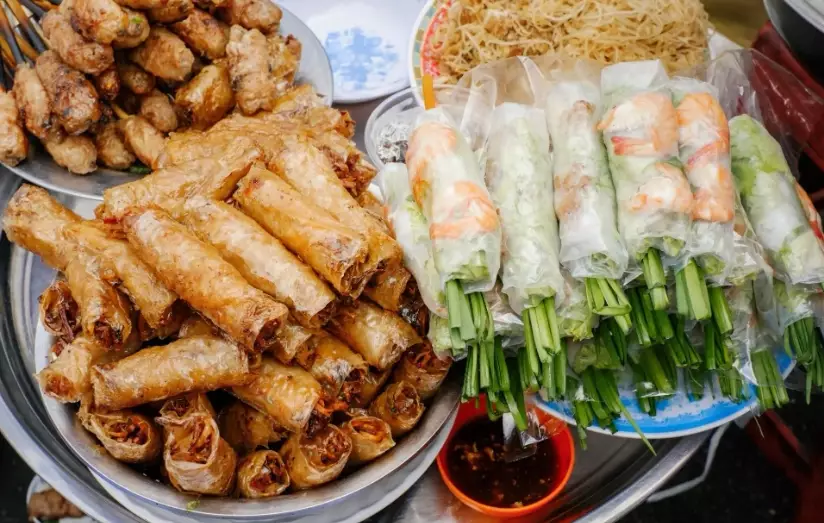
- Goi Cuon (Fresh Spring Rolls): Translucent rice paper wrapped around shrimp, pork, vermicelli, and herbs. Served cool with a peanut-hoisin dipping sauce. The epitome of fresh.
- Nem Ran/Cha Gio (Fried Spring Rolls): The crispy cousin. Minced pork, mushrooms, and noodles wrapped and deep-fried. Wrap them in lettuce with herbs and dip in fish sauce. Texture heaven.
- Banh Xeo: A crispy, savory turmeric crepe stuffed with shrimp, pork, and bean sprouts. You tear off pieces, wrap them in mustard leaf or lettuce, and dunk them. Messy, fun, and fantastic.
| Dish Name | Main Region | Key Ingredients | Flavor Profile |
|---|---|---|---|
| Pho Bo (Beef Pho) | North (Origin), Nationwide | Beef broth, rice noodles, beef slices, star anise, cinnamon | Savory, aromatic, clean |
| Bun Bo Hue | Central (Hue) | Beef & pork broth, lemongrass, shrimp paste, thick noodles, chili oil | Spicy, robust, deeply aromatic |
| Banh Mi Thit | South (Saigon), Nationwide | Baguette, pate, cold cuts, pickled vegetables, cilantro, chili | Savory, tangy, crunchy, fresh |
| Bun Cha | North (Hanoi) | Grilled pork patties/slices, rice vermicelli, herbs, sweet-sour fish sauce broth | Sweet, savory, smoky, fresh |
| Banh Xeo | South/Central | Turmeric coconut crepe, shrimp, pork, bean sprouts | Crispy, savory, slightly sweet, herbal |
That table should help you decode a menu in a pinch.
How to Actually Eat Vietnamese Food (The Rules of Engagement)
You've ordered. Now what? There's a method to the deliciousness.
Tip #1: Herbs are not a garnish. They are a vital ingredient. Tear them up, add them liberally. Basil, mint, cilantro, sawtooth herb, perilla leaf – each adds a distinct note.
For noodle soups, the ritual is key. Taste the broth plain first. That's the chef's soul in a bowl. Then, add the herbs, squeeze of lime, maybe some chili or garlic vinegar. Mix it in as you go to keep the herbs fresh. For dishes served with rice paper (like spring rolls or certain grilled meats), you're the chef. Take a piece of protein, some noodles, herbs, maybe a bit of pineapple or green banana, roll it up, and dip. It's hands-on and part of the fun.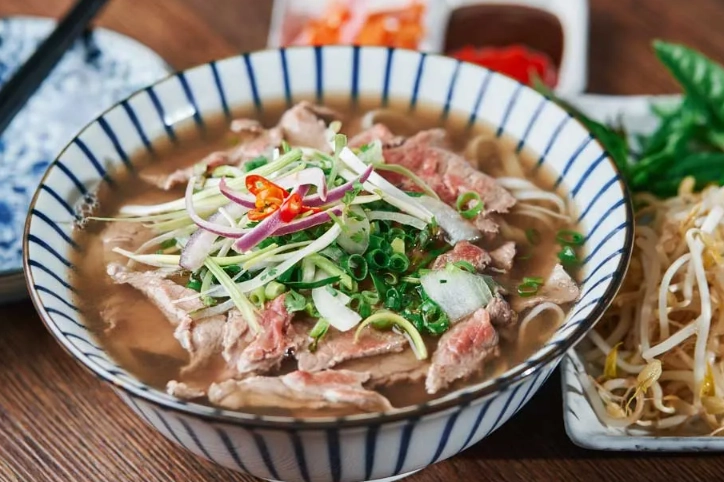
Fish sauce (nuoc mam) is everything. The dipping sauce (nuoc cham) is a blend of fish sauce, lime, sugar, water, and chili. It's the perfect balance of salty, sour, sweet, and spicy. Don't be shy with it.
And about chopsticks... it's okay to use a spoon for soups! In fact, for pho, you use the chopsticks in your dominant hand to pick up noodles and meat, and the spoon in your other hand for the broth. No one will judge you for using utensils.
Navigating the Vietnamese Coffee Universe
This deserves its own section. Vietnamese coffee is a culture. It's strong, it's sweet, and it's often an event.
Cà Phê Sữa Đá: Iced coffee with sweetened condensed milk. The classic. They bring you a small metal drip filter (phin) on top of a glass with the milk. You watch it slowly drip, then stir and pour over ice. It's rich, potent, and sweet. Not for the faint of heart at 10 PM.
Cà Phê Đen Đá: Black iced coffee. Just the strong drip brew over ice. You can add sugar if you want. More bitter, more intense.
Cà Phê Trứng (Egg Coffee): A Hanoi invention. It's like a coffee custard – egg yolks whipped with sugar and condensed milk into a frothy topping over hot coffee. It sounds weird, tastes like a rich, warm dessert. Honestly, one is enough, it's very rich.
You'll see coffee shops everywhere, from tiny plastic stool street setups to fancy cafes. Sitting and nursing a coffee while watching the world go by is a national pastime.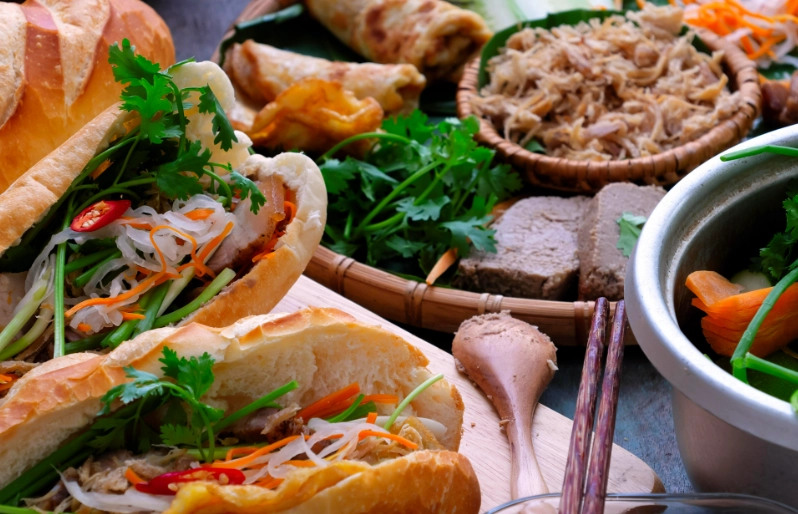
Answers to Stuff You're Probably Wondering (FAQ)
Taking It Home: Ingredients & Cooking Resources
Inspired to cook? The core ingredients are becoming more accessible worldwide.
Essential Pantry Items: Fish sauce (look for a Vietnamese brand like Red Boat or Three Crabs), rice noodles (various widths), rice paper wrappers, dried shrimp, tamarind paste, and star anise/cinnamon for pho broth.
The Herb Hurdle: This is the toughest part outside of Asia. You need fresh herbs: cilantro, Thai basil, mint, and ideally perilla and sawtooth herb. An Asian market is your best friend. Without the herbs, the dishes lose their soul.
For authentic recipes and techniques, I don't just rely on generic sites. I look to experts who dive deep into the culture. A fantastic resource is the website of Viet World Kitchen by Andrea Nguyen. She's a celebrated authority on Vietnamese cooking and her recipes are thoroughly tested and explained. For understanding the cultural and historical context, the Vietnam National Administration of Tourism's official site often has great features on regional cuisine. And if you want to see the sheer diversity of dishes, the food section of VnExpress International, a leading Vietnamese newspaper, covers current food trends and traditional dishes alike.
Start simple. Mastering a good nuoc cham (dipping sauce) is step one. Then maybe fresh spring rolls (Goi Cuon), which are hard to mess up. Pho broth is a project – a delicious, all-day project.
Final Bites of Advice
So, what's the takeaway on Vietnam food?
Be adventurous. Order the thing you can't pronounce. Point at what the person next to you is eating. Embrace the street food culture – that's where the magic often happens. Don't just stick to pho and banh mi, as iconic as they are. Seek out the regional specialties.
And manage your expectations. Not every dish will be a home run for your personal taste. I've never really warmed up to Tiết Canh (raw blood pudding), and that's okay. The beauty is in the exploration.
The food of Vietnam is a direct reflection of its people: resilient, creative, nuanced, and incredibly welcoming. It's a cuisine that nourishes and surprises. It’s a journey for your taste buds that goes far beyond a single bowl.
Now, go find some noodles.