Italy isn't just a country; it's a feeling. The smell of espresso in a sun-drenched piazza, the echo of footsteps in a Roman alley, the taste of pasta that somehow tastes different here. Everyone talks about the famous spots, and they're famous for a reason. But knowing the best places to go in Italy is more than a checklist. It's about timing, about finding the magic behind the postcard, and avoiding the traps that can turn a dream trip into a stressful shuffle through crowds. I've been traveling there for over a decade, lived in Florence for a year, and still find new corners. Let's cut through the noise and talk about where to go, how to do it right, and how to feel the real Italy.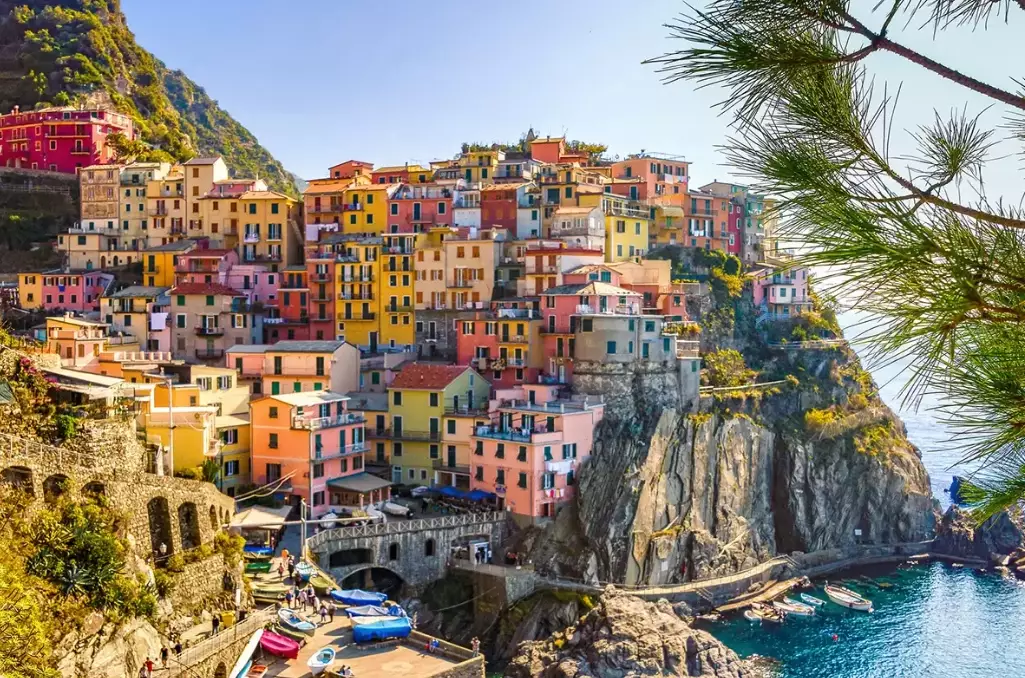
Your Italy Trip at a Glance
Where to Go in Italy: The Essential Destinations
You can't see it all in one go. Don't try. Italy rewards depth over breadth. Pick a region, soak it in. Here are the core places to visit in Italy that form the backbone of most trips, with the nitty-gritty details most guides gloss over.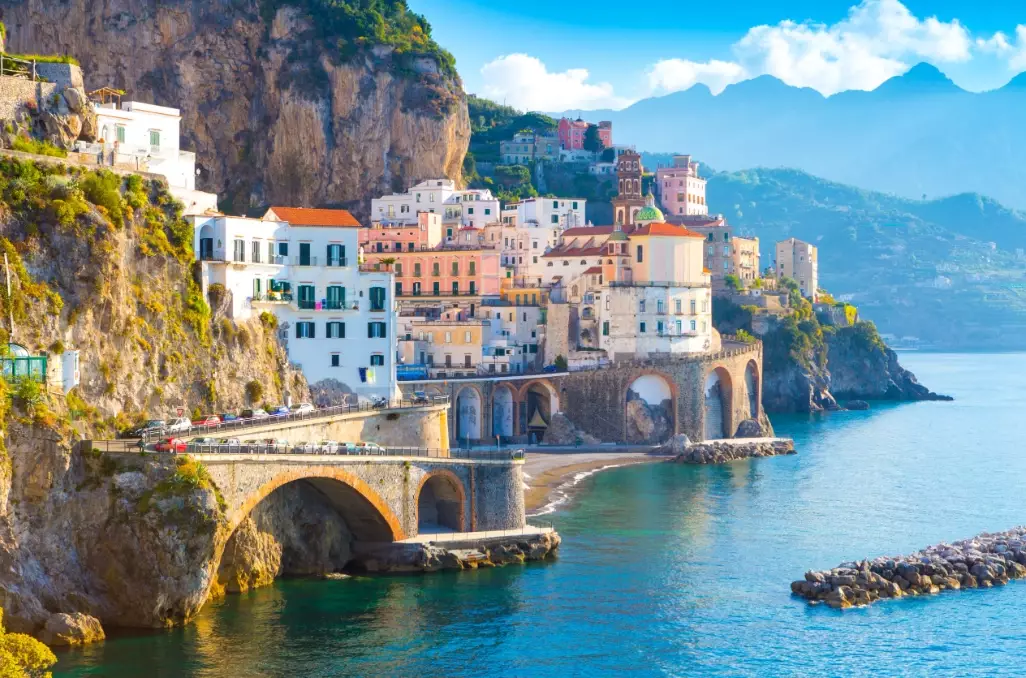
Rome: The Eternal City
Rome is chaos and grandeur stacked on top of each other for millennia. It's overwhelming. The key is to accept you won't see everything and to book ahead. I mean it. Wandering into the Colosseum without a ticket? You'll waste half a day in line.
Must-Sees & Practical Details:
- The Colosseum, Roman Forum & Palatine Hill: This is one combined ticket. Buy the "Full Experience" ticket online from the official CoopCulture site. It costs around €24 and includes the arena floor and underground. Entry is at Via della Salara Vecchia, 5/6. Metro: Colosseo (Line B). Open 9:00 AM until one hour before sunset. Book a slot at least a month in advance for summer.
- Vatican City & St. Peter's Basilica: Separate from the museums. The Basilica is free. The Vatican Museums (Sistine Chapel) require a timed entry ticket (€20+). Book on the Musei Vaticani website. Go early or book a last-hour entry for smaller crowds. Dress code: covered shoulders and knees.
- Trevi Fountain & Pantheon: Both free. The Pantheon now requires a €5 ticket, but it's worth it to step inside the dome. The Trevi Fountain is packed all day. Go at sunrise. I'm serious. You'll have it almost to yourself. The light is perfect.
Where to eat? Avoid the restaurants with menus in six languages right by the monuments. Walk 10-15 minutes into neighborhoods like Trastevere or Testaccio. Da Enzo al 29 in Trastevere for carbonara? Worth the wait. For a coffee break, Sant'Eustachio Il Caffè near the Pantheon is an institution.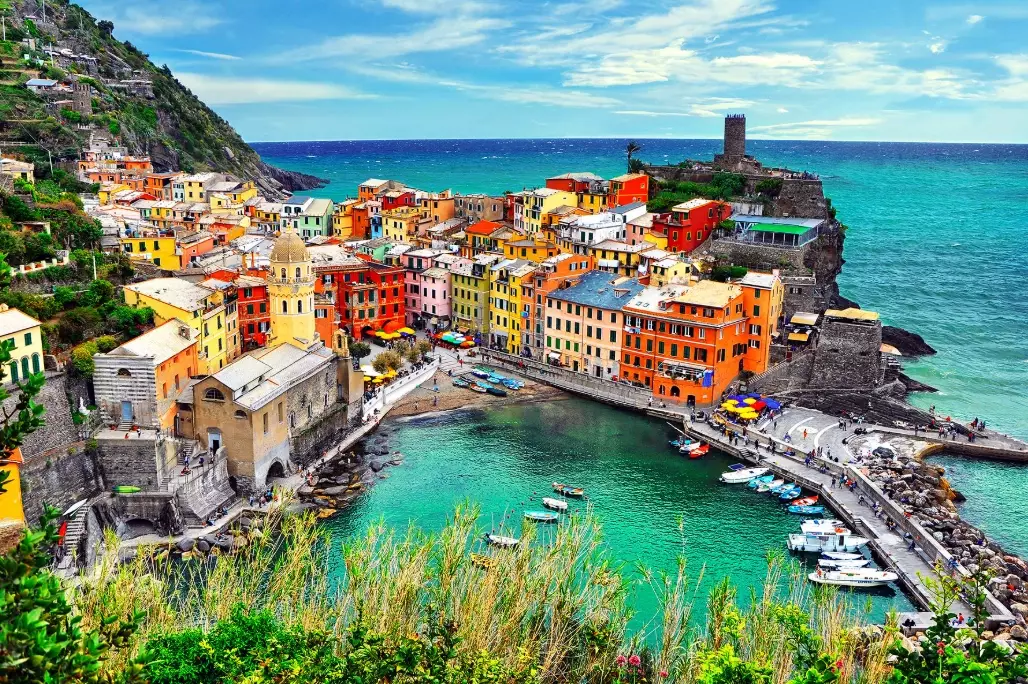
Rome Pro Tip: The public bus system is extensive but chaotic. Download the "ATAC Roma" app for real-time bus locations. Taxis are expensive. Consider a multi-day public transport pass if you're moving around a lot. And watch for pickpockets on the 64 bus to the Vatican and in crowded metro stations—it happened to a friend of mine.
Florence: The Renaissance Heart
Florence is a dense, walkable masterpiece. The Duomo dominates the skyline, but the real treasure is the art. It feels smaller than Rome, but the queues for the big museums are just as fierce.
Key Attractions:
- Uffizi Gallery: Home to Botticelli's "Birth of Venus." Book tickets online (€25+ in high season). The official site is uffizi.it. Address: Piazzale degli Uffizi, 6. Spend at least 3 hours here.
- Accademia Gallery: This is where Michelangelo's David lives. Pre-booking is non-negotiable (€16+). Via Ricasoli, 58/60. It's smaller than the Uffizi, so you can do it in 1-1.5 hours.
- Florence Cathedral (Duomo): Complex ticket. Climbing Brunelleschi's Dome requires a separate, timed reservation (€30 for the full "Brunelleschi Pass"). The climb is 463 steps, narrow, and not for the claustrophobic. The view is unbeatable.
Cross the Ponte Vecchio, but the better views are from the Ponte Santa Trinita. For the classic postcard shot of the city, hike up to Piazzale Michelangelo (free) for sunset. Bring a bottle of wine.
Food here is about steak (Bistecca alla Fiorentina) and rustic pasta. Trattoria Zà Zà near the Mercato Centrale is touristy but reliable for a first taste of the steak. For something more local, try Trattoria Sostanza (Il Troia) for their butter chicken.
Venice: The Floating City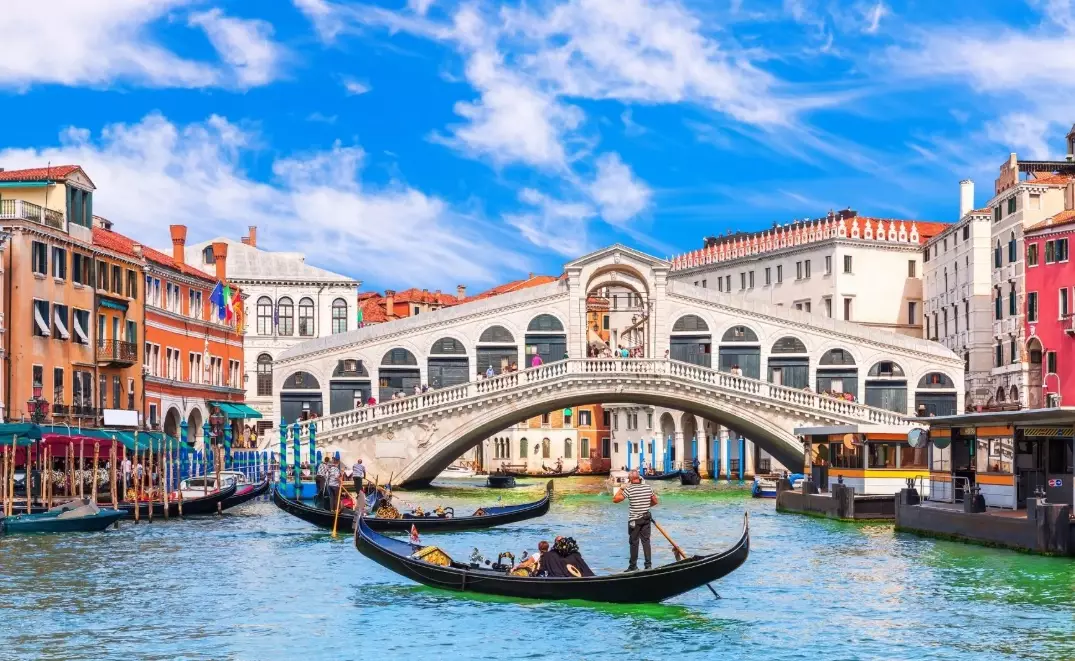
Venice is a logistical puzzle. There are no cars. Just boats and your feet. It's also the most likely place to be overwhelmed by day-tripper crowds. My strongest advice? Stay overnight. After 5 PM, when the cruise ships leave, the city transforms.
Navigating the Basics:
- Transport: The vaporetto (water bus) is your metro. A single ride is €9.50. If you're staying more than a day, get a travel card (24h/€25, 48h/€35). The main line, #1, goes the length of the Grand Canal. The airport is connected by the Alilaguna ferry (€15) or a water taxi (€120+).
- St. Mark's Square & Basilica: The Basilica is free, but the line is epic. Book a skip-the-line timed entry slot (free but mandatory) on their official website. The interior is breathtakingly golden. The adjacent Doge's Palace requires a paid ticket (€30 for a combined pass).
- The Islands: Murano (glass) and Burano (colorful houses) are worth a half-day. Take vaporetto line 12 from Fondamente Nove. Burano is farther but more photogenic and less commercially aggressive than Murano.
Get lost. Seriously. Put away the map in the maze of streets north of the Rialto Bridge. You'll find quiet canals and local bacari (wine bars) serving cicchetti (small snacks). Cantina Do Spade near the Rialto Market is a classic.
The Amalfi Coast: Dramatic Beauty
This isn't a single town; it's a 50-kilometer stretch of cliffside villages. It's stunning, expensive, and a headache to get around in summer. Base yourself wisely.
The Main Towns:
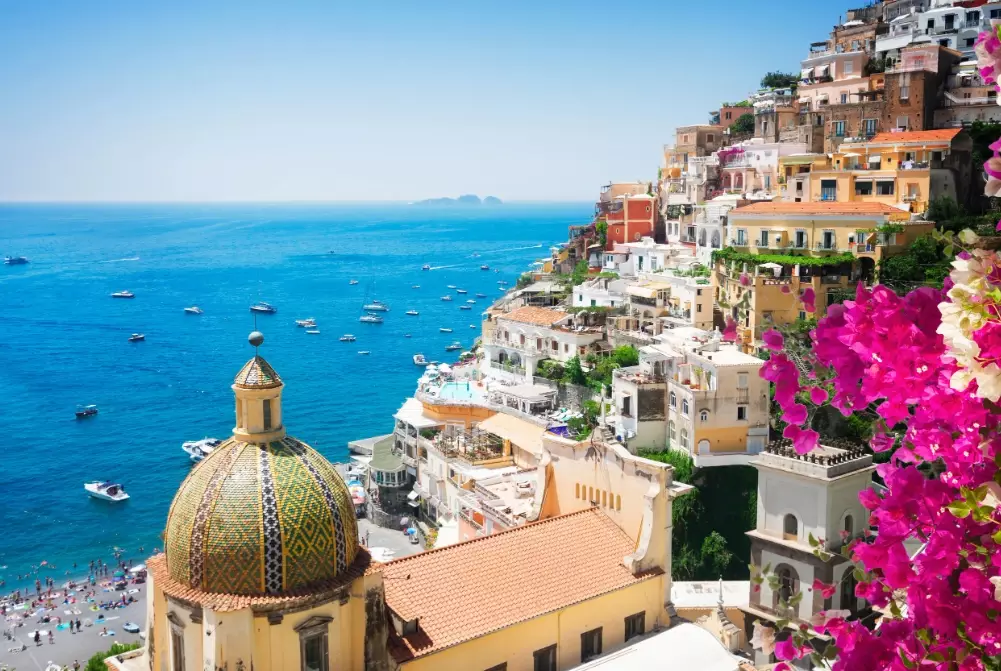
- Positano: The iconic, vertical village. It's all stairs. Hotels have incredible views but are pricey. The main beach, Spiaggia Grande, is pebbly and crowded. Better to enjoy the view from a restaurant terrace like Chez Black.
- Amalfi: The namesake town, with a striking cathedral (Duomo di Sant'Andrea). It's a transport hub, so it's busy. The paper museum (Museo della Carta) is a unique, quieter visit.
- Ravello: Up in the hills, above the coastal chaos. It's quieter, greener, and home to the stunning gardens of Villa Cimbrone and Villa Rufolo. The views are arguably the best on the coast. A great day trip if you're based elsewhere.
How to Get Around: Driving the SS163 coastal road in summer is a test of patience. The SITA buses are cheap but packed. The best way is by ferry between towns (Positano, Amalfi, Salerno). It's scenic and avoids traffic. Check schedules from Travelmar or NLG.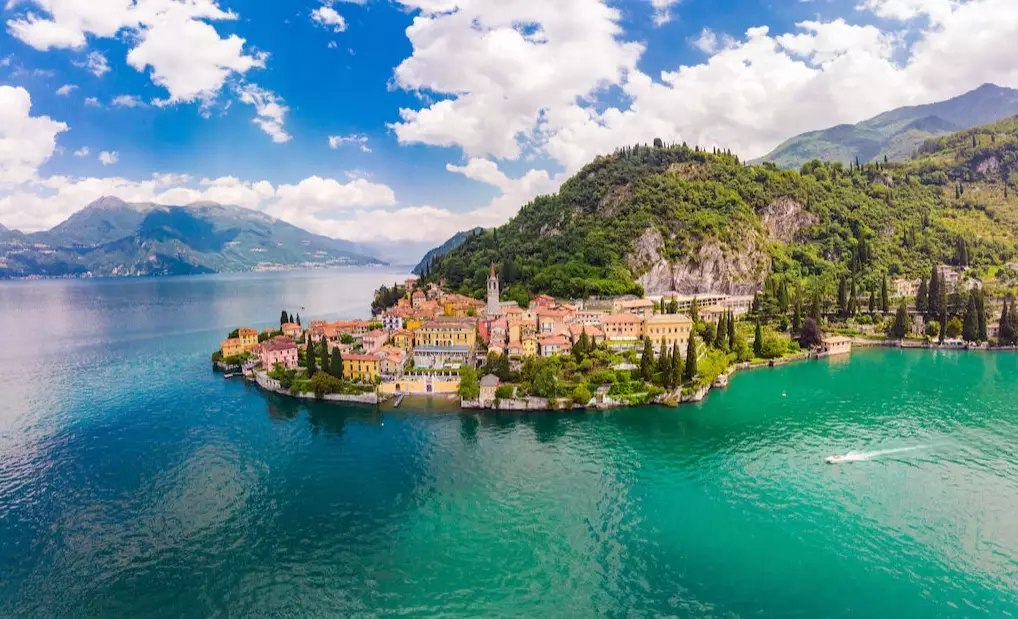
How to Plan Your Italy Itinerary
Stringing these destinations together is an art. The classic first-timer route is Rome-Florence-Venice. It's popular because it works. But here’s how to tailor it.
| Trip Length | Recommended Route | Key Focus | Travel Between |
|---|---|---|---|
| 7-10 Days | Rome (3-4 nights) → Florence (3 nights) → Venice (2-3 nights) | The Big Three cities. Fast-paced but doable. | High-speed train. Rome-Florence: 1.5h. Florence-Venice: 2h. |
| 10-14 Days | Rome → Florence → Cinque Terre OR Tuscan Countryside → Venice | Add a nature/relaxation segment. | Train to La Spezia for Cinque Terre, or rent a car for Tuscany after Florence. |
| 14+ Days | North (Milan/Lakes/Dolomites) OR South (Naples/Amalfi Coast/Puglia) | Deep dive into one region. Slower travel. | Mix of trains and regional rental cars. |
The Train is Your Friend: Italy's high-speed Frecciarossa trains (Trenitalia) and Italo trains are efficient, comfortable, and connect city centers. Book in advance on their websites for the best fares. A last-minute ticket can cost triple.
What most itineraries miss? Buffer days. Don't schedule a major museum visit on the day you arrive after a long flight. Give yourself an afternoon just to wander, get gelato, and people-watch. That's often where the best memories are made.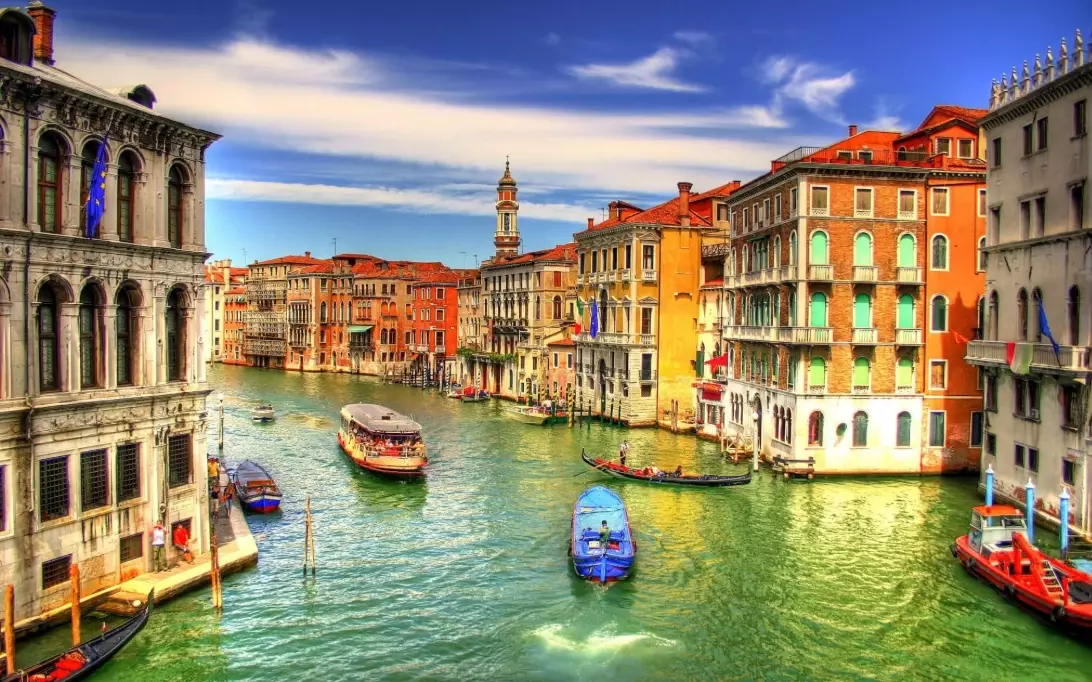
The Real Secret: How to Experience Italy Without the Crowds
Everyone wants to know the best places to visit in Italy, but nobody wants to share them with ten thousand other people. Here’s the insider playbook.
Timing is Everything:
- Arrive at opening time. Be at the Colosseum or Uffizi gates 30 minutes before they open. You get an hour of relative peace.
- Embrace the late afternoon. Many tour groups do museums in the morning. After 3 PM can be quieter. Some sites, like the Vatican Museums, offer "last entry" tickets which are brilliant.
- Visit in shoulder seasons. April-May and September-October. The weather is still good, the prices are lower, and the crowds are thinner. July and August in Rome or Venice can be brutal.
Go Beyond the Top Three:
Consider swapping one of the major hubs for a less-trodden gem. Instead of just Venice, add a day in Bologna (incredible food, fewer tourists). Instead of fighting for a spot on a Positano beach, explore the region of Puglia for trulli houses and a slower pace. These places offer that "authentic Italy" feeling everyone craves.
I spent a week in Lecce, in Puglia, and had Baroque churches and aperitivo spots largely to myself. It was a different Italy.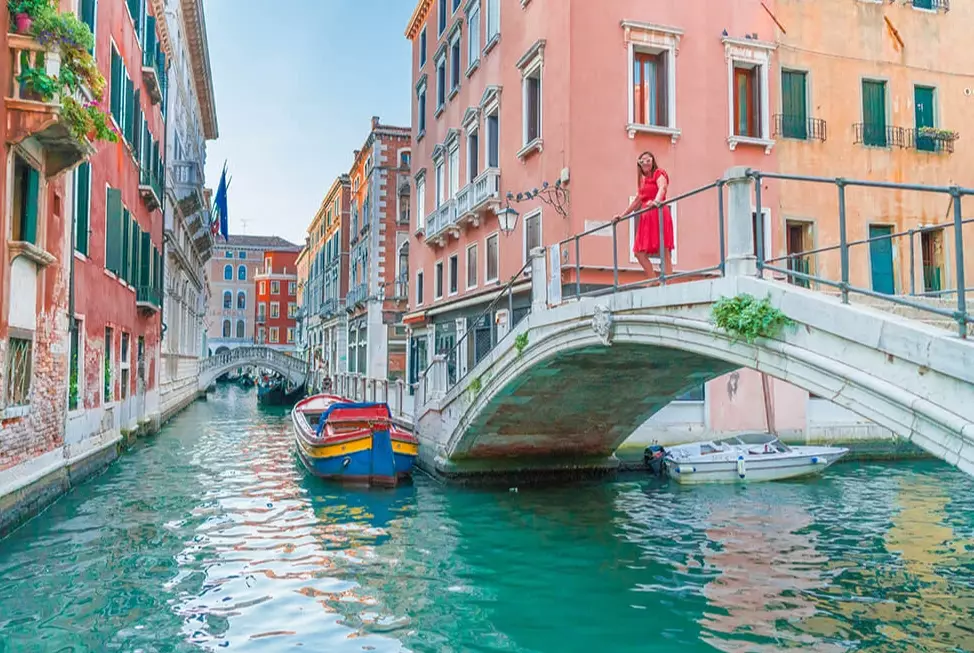
The Golden Rule: For every major, must-see attraction you plan, pair it with an unstructured activity in a local neighborhood. After the Accademia, don't rush to the next museum. Go sit in the Santo Spirito square with a panino and watch life go by. That balance is the key to loving Italy.
Italy Travel FAQ: Your Questions Answered
 Is it better to visit Italy in spring or fall?
Reader Comments