Italy isn't just a country; it's a feeling. You know the names—Rome, Florence, Venice—but between the postcard-perfect squares and world-famous museums lies a deeper, more complex story. The real challenge isn't finding things to see in Italy; it's figuring out what to prioritize with limited time, how to experience them authentically, and how to connect the dots beyond the tourist trail. Having spent over a decade exploring every corner, from the Alps to Sicily, I've learned that the magic often happens in the details most guides skip. This isn't a simple list. It's a curated roadmap designed to help you build an Italy trip that feels personal, profound, and perfectly paced.
Your Italy Travel Blueprint
The Unmissable Classics: Rome, Florence & Venice
Let's start with the heavy hitters. You can't talk about things to see in Italy without them. But visiting them right requires strategy.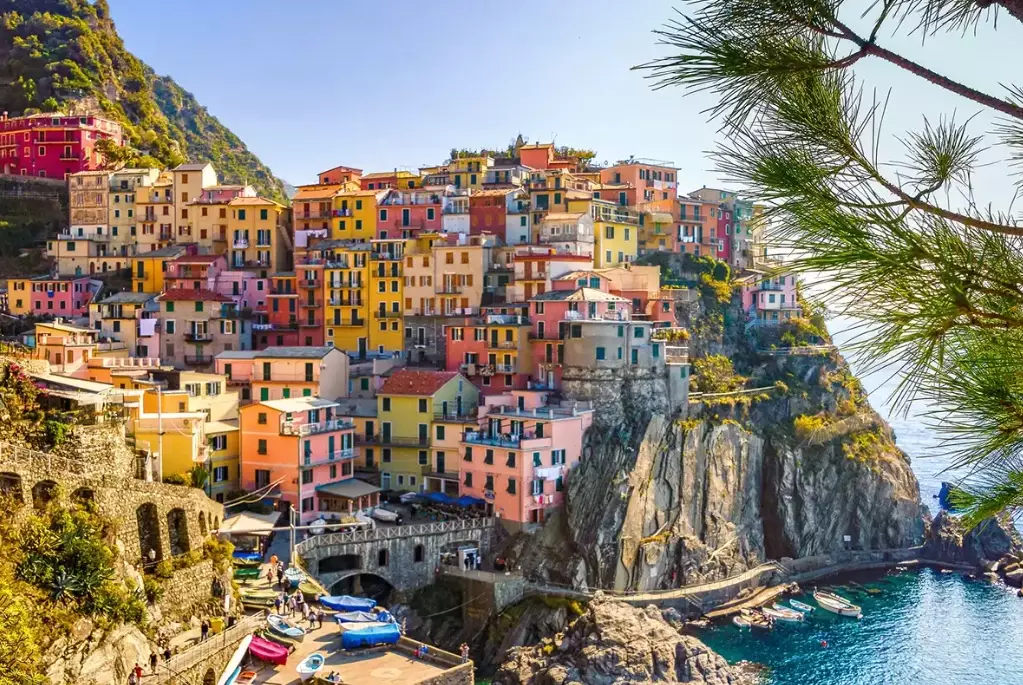
Rome: The Eternal City
Rome overwhelms. The sheer density of history is staggering. A common mistake? Trying to "do Rome" in a day. It's impossible. The city demands at least three full days.
The Colosseum, Roman Forum, and Palatine Hill are a single archaeological park. Buy a combined ticket online at least a month in advance from the official CoopCulture site. A standard ticket is €18 (as of 2023) and includes all three sites. The first Sunday of the month is free, but expect biblical crowds—I'd avoid it. Opening hours vary, but are typically 8:30 AM until one hour before sunset. Get there for opening time, and enter the Forum first (its entrance on Via dei Fori Imperiali usually has a shorter line) to beat the main Colosseum queues.
The Vatican Museums and Sistine Chapel are another beast. Book a timed entry ticket online from the official Vatican Museums website. The €21 ticket is worth every cent to skip the line that can snake around the block. Wednesday mornings are tricky because of the Papal Audience, and the museums are closed on Sundays except the last Sunday of the month (free, chaotic). My non-consensus tip? Don't rush straight to the Sistine Chapel. The Raphael Rooms, just before it, are arguably more beautiful and often less crowded because everyone is beelining for Michelangelo.
Florence: The Cradle of the Renaissance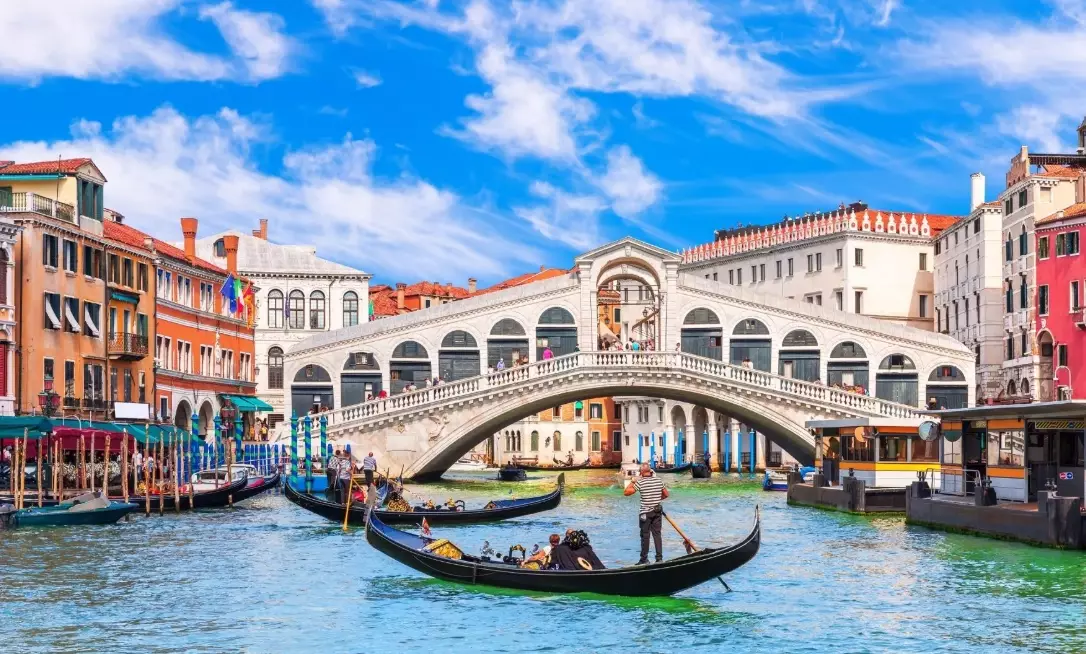
Florence is more manageable in size but just as intense in artistic offerings. The Uffizi Gallery and the Galleria dell'Accademia (home to Michelangelo's David) require pre-booked tickets. Period. The official Uffizi website is your friend. Book a specific time slot.
Here's a subtle error most make: they only see David at the Accademia and miss the equally powerful (and free) outdoor sculptures. Walk to Piazza della Signoria to see a replica of David and other masterpieces like Cellini's Perseus in the open-air Loggia dei Lanzi. It's a different, more dynamic experience.
Climbing the Duomo's dome (Brunelleschi's Cupola) is a rite of passage. The €30 "Giotto's Pass" covers the dome climb, the cathedral, the baptistery, the bell tower, and the museum. You must reserve a specific time slot for the dome climb when you buy the ticket. The 463 steps are narrow and steep, but the view over the terracotta rooftops is unforgettable.
Venice: The Floating City
Venice's top attraction is Venice itself—getting lost in its canals. But two paid sites are worth it. St. Mark's Basilica is free to enter, but the line is eternal. Book a €3 skip-the-line timed entry online to access the main floor. The real gems are the extra fees: the Pala d'Oro altarpiece (€5) and the view from the terrace (€7). The terrace offers the best close-up view of the famous horses and the Piazza below.
The Doge's Palace ticket (€30) often includes the Correr Museum. It's vast. Most people breeze through the lavish rooms and miss the "Secret Itineraries" tour (book separately), which takes you into the prison cells, including Casanova's, and the palace's administrative guts. It's a darker, more fascinating side of Venetian history.
A critical logistical note: Venice is not a drive-in city. Leave your car at the Tronchetto or Fusina parking garages (expensive but secure) or, better yet, at a park-and-ride on the mainland like Mestre and take a 10-minute train in.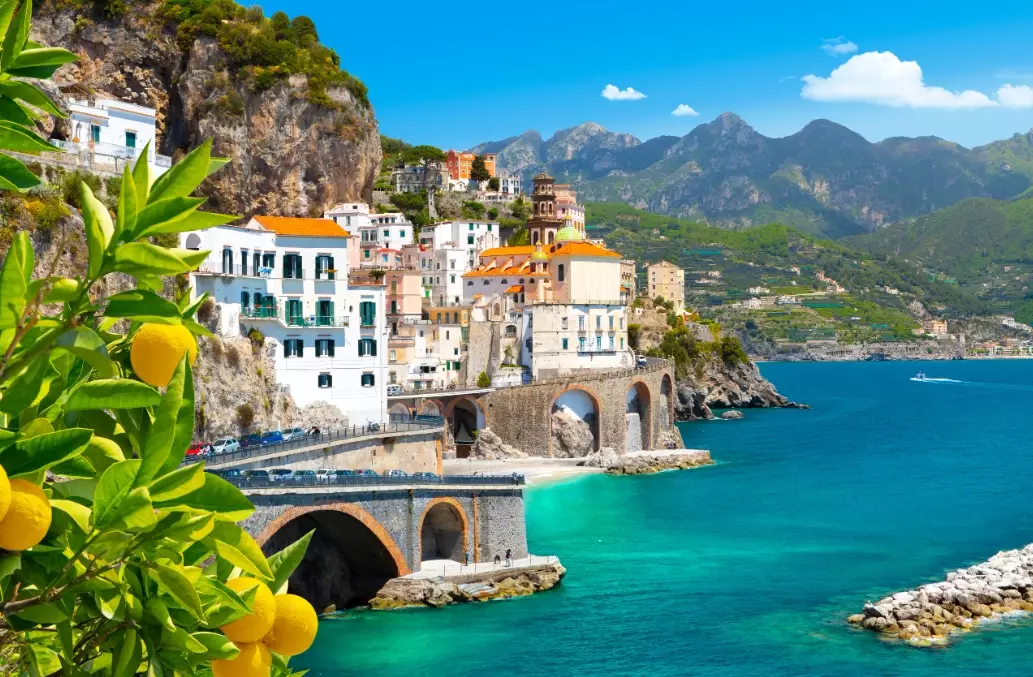
Beyond the Big Three: Hidden Gems & Regional Treasures
If you only visit Rome, Florence, and Venice, you're missing at least 70% of Italy's soul. Here’s where to go next.
| Region | Top Destination | What to See & Why It's Special | Practical Note |
|---|---|---|---|
| Campania | Naples & Pompeii | Naples is raw, vibrant, and the birthplace of pizza. The National Archaeological Museum houses the best artifacts from Pompeii. Pompeii itself is a full-day, sobering journey back to 79 AD. Herculaneum, a smaller site nearby, is even better preserved. | In Naples, try pizza at Da Michele (Via Cesare Sersale, 1) or Sorbillo (Via dei Tribunali, 32). For Pompeii, buy tickets online. Hire a guide at the entrance for a much richer experience. |
| Tuscany | The Hill Towns (Siena, San Gimignano, Montepulciano) | Medieval skylines, rolling hills, and world-class wine. Siena's shell-shaped Piazza del Campo and its cathedral are stunning. San Gimignano is the "Medieval Manhattan" with its towers. Montepulciano offers Vino Nobile wine tastings in ancient cellars. | Rent a car. Public transport between these towns is slow and infrequent. Driving through the Val d'Orcia region is the main event. |
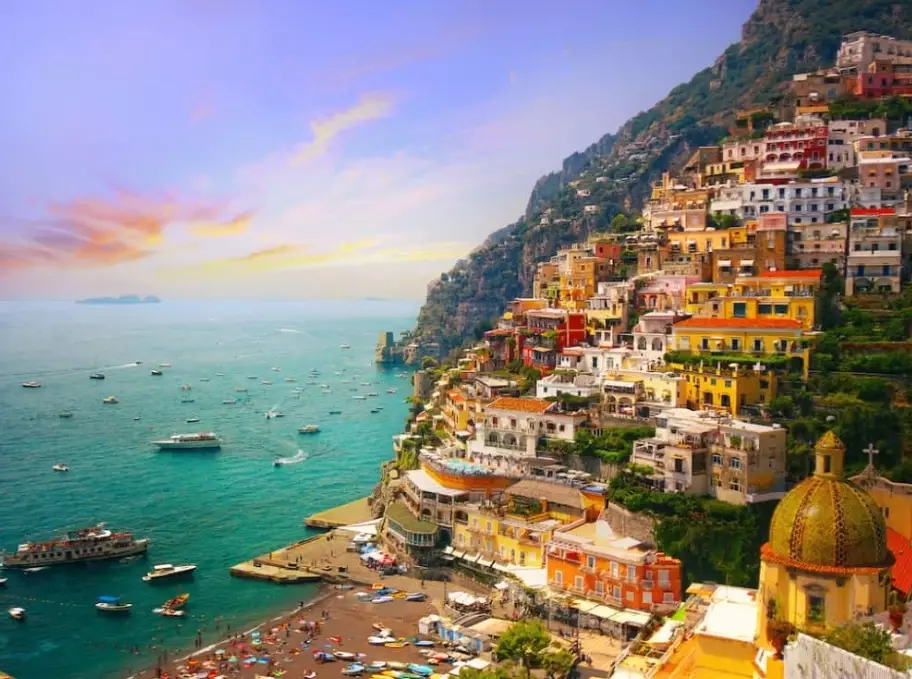
| Amalfi Coast | Positano, Amalfi, Ravello | Vertical villages clinging to cliffs over a turquoise sea. It's about the views, the limoncello, and the Path of the Gods hike. Ravello, perched high above, feels more refined and has stunning gardens (Villa Cimbrone, Villa Rufolo). | Visit April-May or Sept-Oct. July-August is packed and expensive. The SITA bus along the coast is an adventure in itself—sit on the right side for sea views. |
| Cinque Terre | Five Coastal Villages | Colorful fishing villages linked by scenic hiking trails and a local train. It's a UNESCO World Heritage site due to its man-made landscape. The Sentiero Azzurro (Blue Trail) between the villages is iconic. | Buy the Cinque Terre Trekking Card (€7.50/day) for the trails, or the Cinque Terre Treno Card (€15-20/day) for trails and unlimited train travel between the villages. Monterosso has the only real sand beach. |
One of my favorite lesser-known spots is Matera in Basilicata. Known as "la Città Sotterranea" (the Subterranean City), its ancient Sassi districts are caves carved into a ravine, inhabited for over 9,000 years. It's a UNESCO site and utterly unique, offering a completely different Italy from the Renaissance cities. Stay in a cave hotel for the full experience.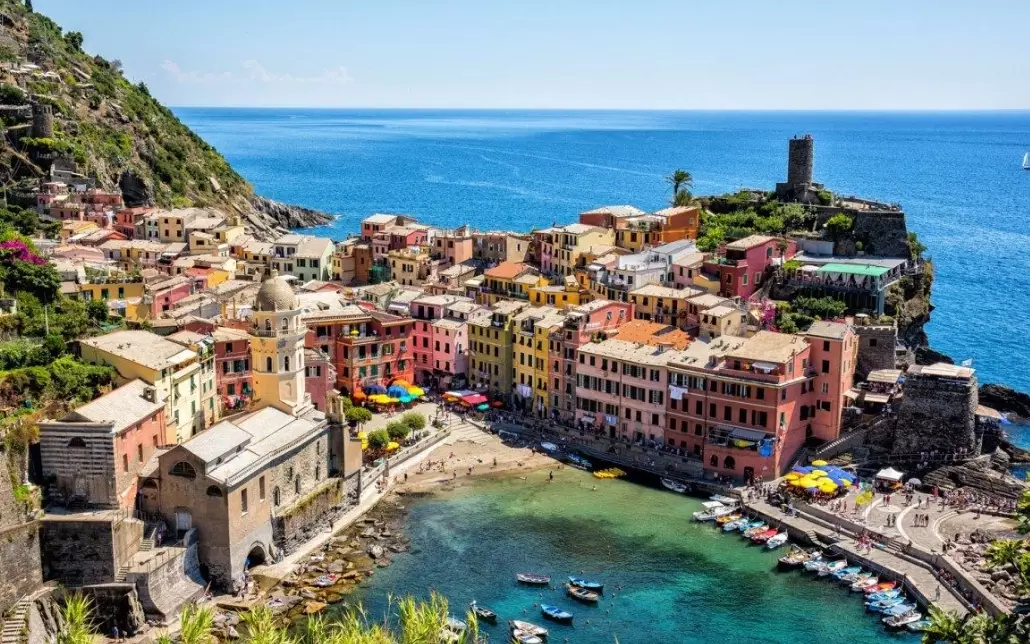
How to Plan Your Italy Itinerary: A Practical Guide
Throwing darts at a map won't work. Italy's geography and transport links dictate a logical flow.
First, decide on your trip length and pace. A frantic 7-day "Rome-Florence-Venice" dash is common, but exhausting. You'll spend more time on trains than in piazzas. If you have 10-14 days, you can add a region like Tuscany or the Amalfi Coast and actually breathe.
North-Central Circuit (10-12 days): Fly into Rome, spend 3-4 days. Train to Florence (1.5 hrs), 3 days. Rent a car in Florence for 2-3 days exploring Siena, San Gimignano, and Chianti. Drop car in Florence, train to Venice (2 hrs), 2-3 days. Fly out of Venice.
South & Coast (10-12 days): Fly into Rome, 2 days. Train to Naples (1 hr), 2-3 days for city, Pompeii/Herculaneum. Travel to Sorrento (1 hr by train), use it as a base for 3-4 days to see Positano, Amalfi, Capri by ferry/bus. Train back to Rome to fly out.
Transport: High-speed trains (Frecciarossa, Italo) between major cities are fantastic—fast, comfortable, and city-center to city-center. Book in advance on Trenitalia or Italo for the best fares. For regions like Tuscany, Puglia, or Sicily, renting a car is non-negotiable for true freedom.
How to Avoid Crowds and Common Tourist Mistakes
Italy's popularity is its own worst enemy. Here’s how to navigate it.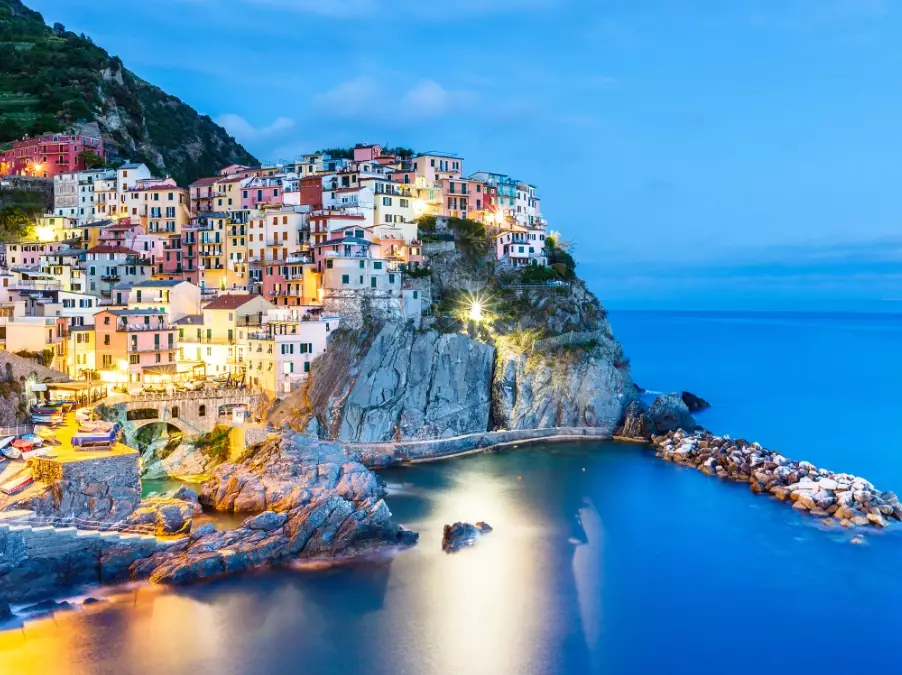
- Timing is Everything: The golden rule for any major site: be there at opening time or in the last 2 hours before closing. The difference in crowd levels at the Vatican Museums between 8:30 AM and 11:00 AM is the difference between contemplation and claustrophobia.
- Book Ahead, For Everything: This isn't a suggestion; it's a mandate for 2023 travel. Major galleries, archaeological sites, even popular churches with timed entry (like Florence's Duomo dome). Spontaneity here means waiting in 3-hour lines.
- Shoulder Season is King: April-May and September-October offer the best balance of good weather and fewer crowds. Summer (July-August) is hot, packed, and expensive, especially in coastal areas and cities.
- The "Second City" Strategy: Instead of fighting crowds in Florence, consider Bologna for incredible food and porticoes. Instead of the Amalfi Coast's peak prices, consider the Ligurian coast or Cilento. You'll get a more local experience for less.
- Dining Disasters: Never eat at a restaurant with a giant menu translated into 5 languages with pictures of the food, right next to a major monument. Walk 3-4 blocks away. Look for menus in Italian, a crowd of locals, and no one outside beckoning you in.
Your Italy Travel Questions Answered
 How can I experience authentic Italian culture beyond the museums?
Reader Comments