You search for "Florida USA places to visit" and get a million results. Theme parks, beaches, swamps—it's a lot. Having spent years exploring the state, from the Panhandle down to the Keys, I can tell you the real challenge isn't finding things to do. It's figuring out which combination fits *your* idea of a perfect trip. This isn't just another list. It's a filter for the overwhelming noise, built on missed turns, overpriced tickets, and finding those quiet spots everyone else drives past.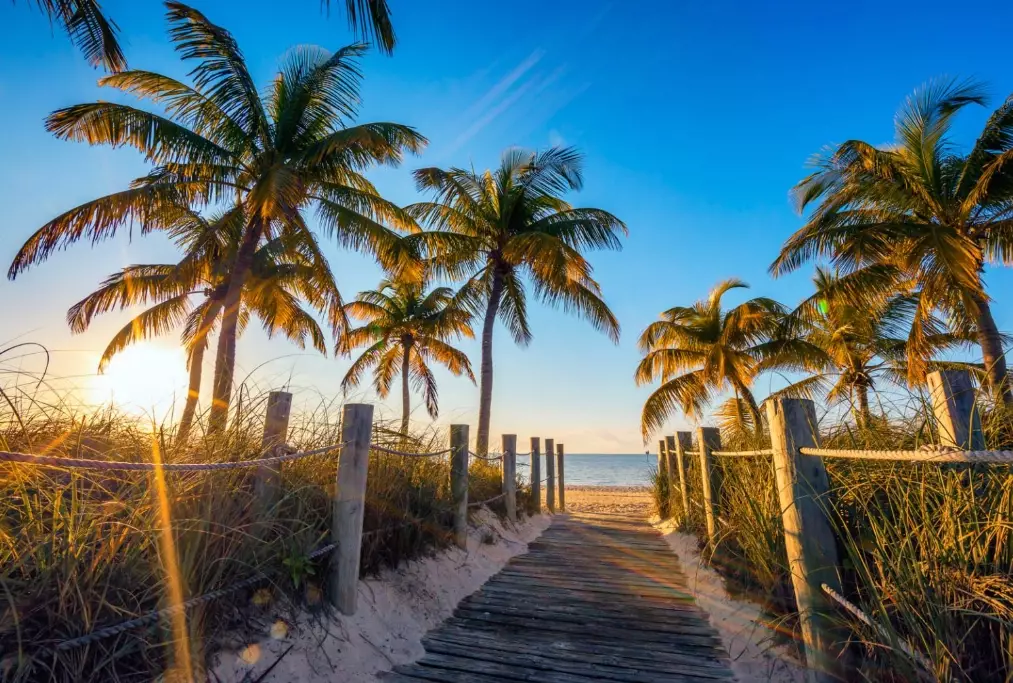
Your Quick Guide to Florida's Best
The Two Sides of Florida You Need to Know
Most people picture one of two things: the engineered excitement of Orlando or the endless beaches of the coast. Both are right, but that's a shallow view. Central Florida, anchored by Orlando, is a world of its own. It's where you go for a concentrated dose of thrills, fantasy, and air-conditioning. The coasts—Gulf and Atlantic—offer a different rhythm. It's about the water, the slower pace, the seafood shacks, and the feeling of sand between your toes. Then there's the third, wilder Florida: the Everglades. The mistake is trying to cram all three into a short trip. You'll spend more time driving than enjoying.
Pick a primary theme for your visit. Are you after non-stop action and family fun? Base yourself inland. Craving relaxation and natural beauty? Plant yourself on a coast. Want raw, unique nature? Head south. Mixing is possible, but give each area its due time.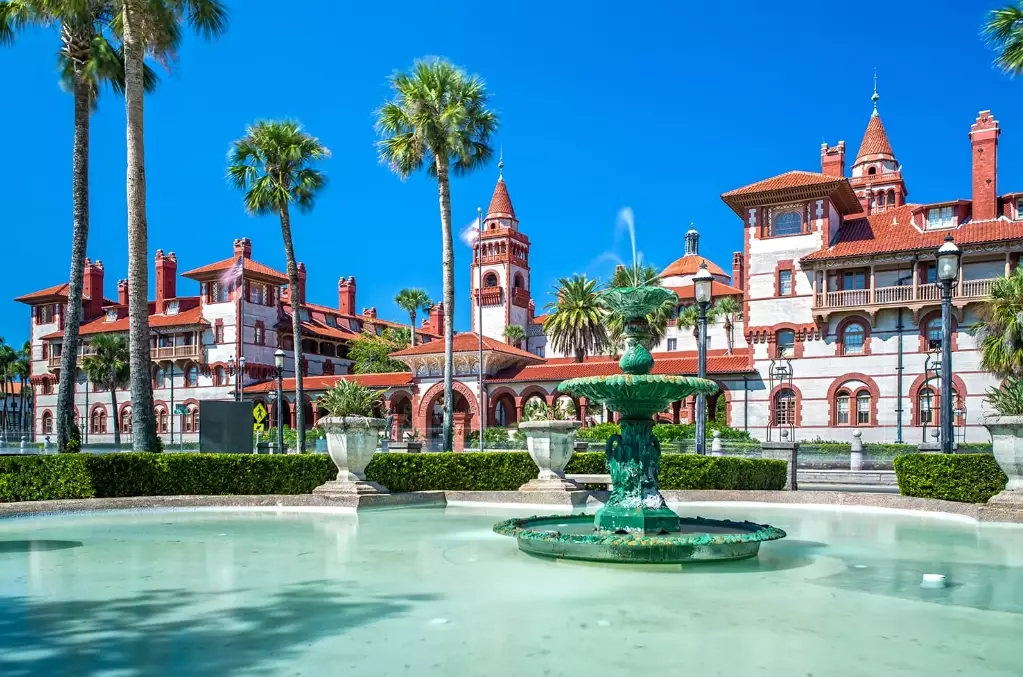
Where to Go: The Can't-Miss and The Underrated
The Major Hubs: What They're Really Like
Orlando & The Theme Parks: Let's be real. Walt Disney World Resort, Universal Orlando Resort, and SeaWorld Orlando are why millions come. They're incredible, immersive, and expensive. A one-day ticket to a single Disney park can easily top $150 per person. My advice? Don't try to "do Disney" in a day. It's a multi-day resort. If you're short on time or budget, Universal's two parks (connected by the Hogwarts Express) offer a more manageable, thrill-focused experience. A pro tip everyone misses: the water parks (Disney's Typhoon Lagoon or Universal's Volcano Bay) are often less crowded and a genius way to beat the heat.
Orlando at a Glance
Best For: Families, thrill-seekers, pop-culture fans.
Budget Note: High. Factor in tickets, food, on-site hotels, and souvenirs.
Local Secret: The restaurants and entertainment complex at Disney Springs are free to enter and have great live music—a perfect cheaper evening.
Miami & Fort Lauderdale: This is Florida's glamorous, international heartbeat. South Beach's Art Deco District is a living postcard, but the magic is in the neighborhoods like Wynwood (for street art and galleries) and Little Havana (for Cuban coffee and dominoes in Maximo Gomez Park). Drive an hour north to Fort Lauderdale for a slightly more laid-back, yacht-filled version of the coastal city life. Parking in South Beach is a notorious nightmare and expensive. Use the parking garages or, better yet, the DecoBike rental system or rideshares.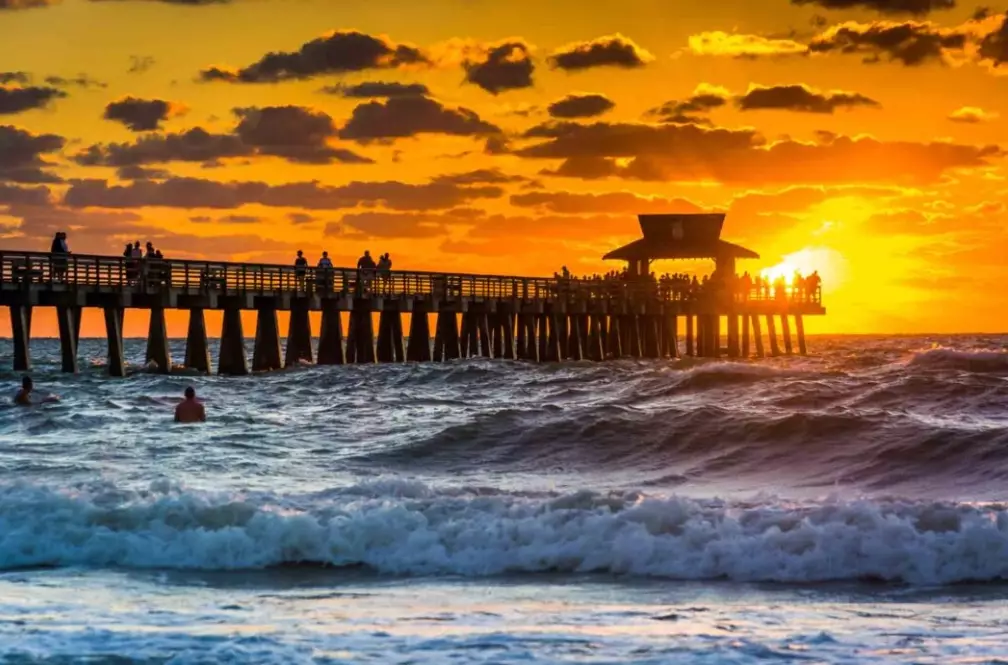
The Coastal Gems: Beyond the Postcards
The Florida Keys: This 120-mile island chain is a state of mind. The drive on US-1 Overseas Highway is the main event. Key Largo is the dive capital. Islamorada is the sportfishing hub. Key West is the quirky, historic, party-friendly end of the road. Duval Street is famous, but the real charm is in the side streets and the sunset celebration at Mallory Square. Don't rush the drive. Stop at roadside fruit stands for key lime pie.
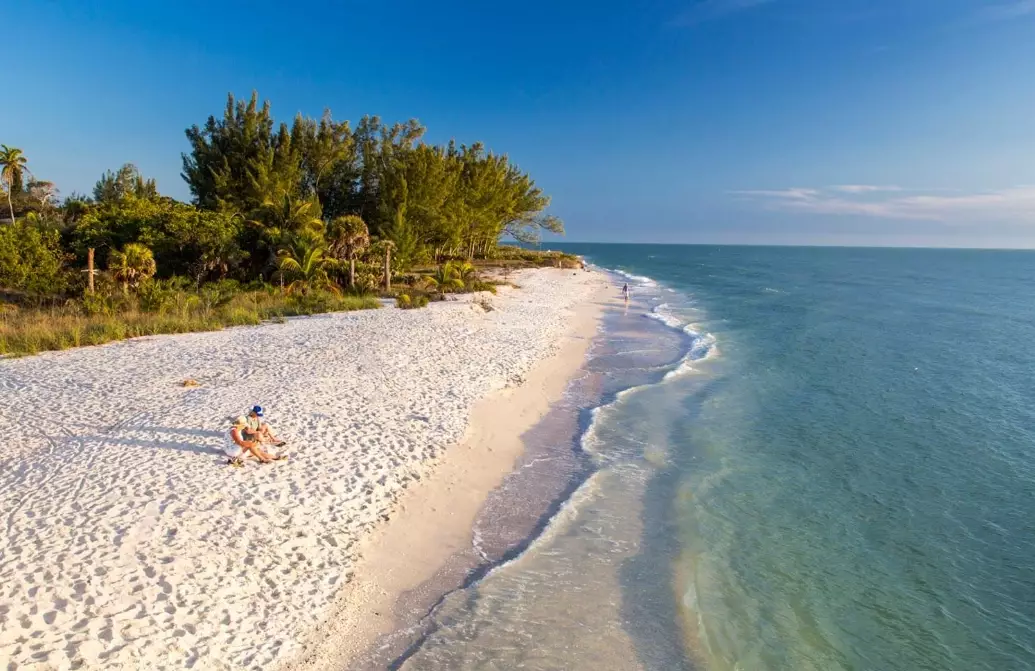
Southwest Gulf Coast (Sarasota, Naples, Sanibel): This is where Florida gets calm and pristine. Sarasota's Siesta Key Beach has sand so fine it feels like powdered sugar and rarely gets hot. Naples is affluent and polished, with perfect shopping and dining. Sanibel Island is a shell collector's paradise—the island is angled so it catches shells like a net. It's quieter, more nature-focused.
Space Coast & Daytona: East of Orlando, this is where space exploration meets classic beach towns. The Kennedy Space Center Visitor Complex isn't just a museum; if you time it right, you can feel the roar of a rocket launch. It's a humbling, awe-inspiring experience. Daytona Beach offers a more traditional, activity-packed beach vibe with its famous hard-packed sand drive-on areas.
The Natural Wonders: Florida's Wild Side
Everglades National Park: This is not just a swamp. It's a slow-moving river of grass, a UNESCO World Heritage Site. You can't just drive through it and "see" it. You have to get into it. Take an airboat tour from a reputable operator outside the park boundaries (like those based in Everglades City) to see gators and birds. Then, drive into the park itself and walk the Anhinga Trail at the Royal Palm entrance—you're guaranteed to see wildlife up close from the boardwalk. Bring bug spray. No, seriously, bring industrial-strength bug spray.
Florida Springs: Inland, north of Orlando, are hundreds of crystal-clear freshwater springs. Places like Ichetucknee Springs State Park or Rainbow Springs State Park are where locals go to escape the heat. You can tube down rivers, snorkel in 72-degree water year-round, and see manatees in the winter. It's the opposite of the salty coast and utterly refreshing.
How to Plan Your Florida Itinerary
Think in clusters, not dots on a map.
The 5-Day Family Adventure: Fly into Orlando. Spend three full days on theme parks (pick two, max). On day four, take a break—visit a spring or the Kennedy Space Center. On day five, do something relaxing like a resort pool day before you fly out. Trying to add a beach day here is a stressful 3-hour round trip drive.
The 7-Day Coastal Road Trip: Fly into Miami, spend two days exploring the city and South Beach. Pick up a rental car and drive down to the Keys. Take two days to get to Key West, stopping to snorkel and eat. Spend two nights in Key West. Then, drive up the Gulf Coast to Naples or Sarasota for your final two days of pure beach relaxation before flying out of Tampa or Fort Myers. This trip gives you urban energy, quirky island life, and serene beaches.
Florida Travel Tips They Don't Tell You
Season Matters. Summer (June-September) is brutally hot, humid, and has daily afternoon thunderstorms. It's also hurricane season. The weather is more predictable and pleasant from late October through April, but that's peak season with higher prices and crowds. May and early November can be sweet spots.
You Need a Car. Outside of the dense cores of Miami and Orlando's International Drive, public transit is limited. A rental car is non-negotiable for exploring. Be prepared for toll roads, especially in Central Florida. Get a SunPass transponder or ensure your rental has a toll package.
Book Ahead, Way Ahead. This isn't a last-minute destination if you want good deals. Theme park tickets, popular hotel rooms (especially in the Keys), and even rentals for beach chairs can sell out. For peak season, start planning 6-9 months out.
Respect the Sun and Wildlife. The Florida sun is intense. Sunscreen, hats, and hydration are mandatory. And this is not a petting zoo. Alligators are in many bodies of water. Keep a safe distance. Don't feed any wildlife.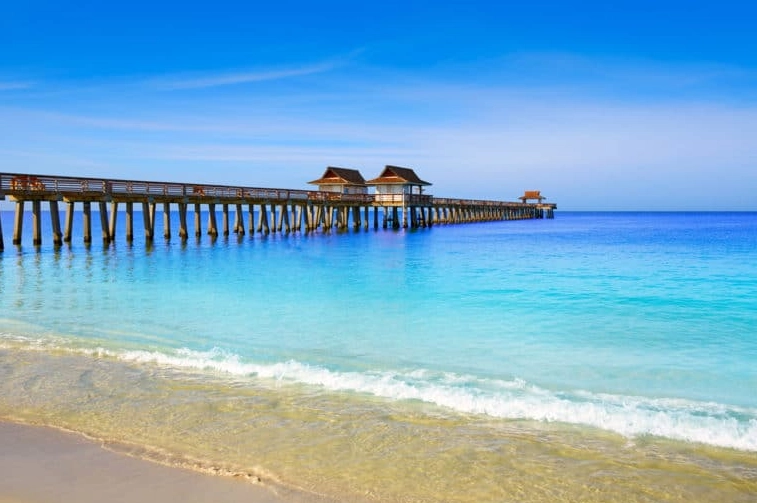
Your Florida Trip Questions Answered
 Is it worth visiting both the Gulf and Atlantic coasts in one trip?
Reader Comments