The world is full of pretty places to go, but that's the problem, isn't it? With endless lists and Instagram feeds, choosing where to spend your precious time and money gets overwhelming. Is that famous spot really worth the hype and the crowds? This guide cuts through the noise. We're not just listing postcard locations; we're giving you the real, practical details you need to decide if a place is right for you—complete with addresses, costs, and the insider tips most guides miss.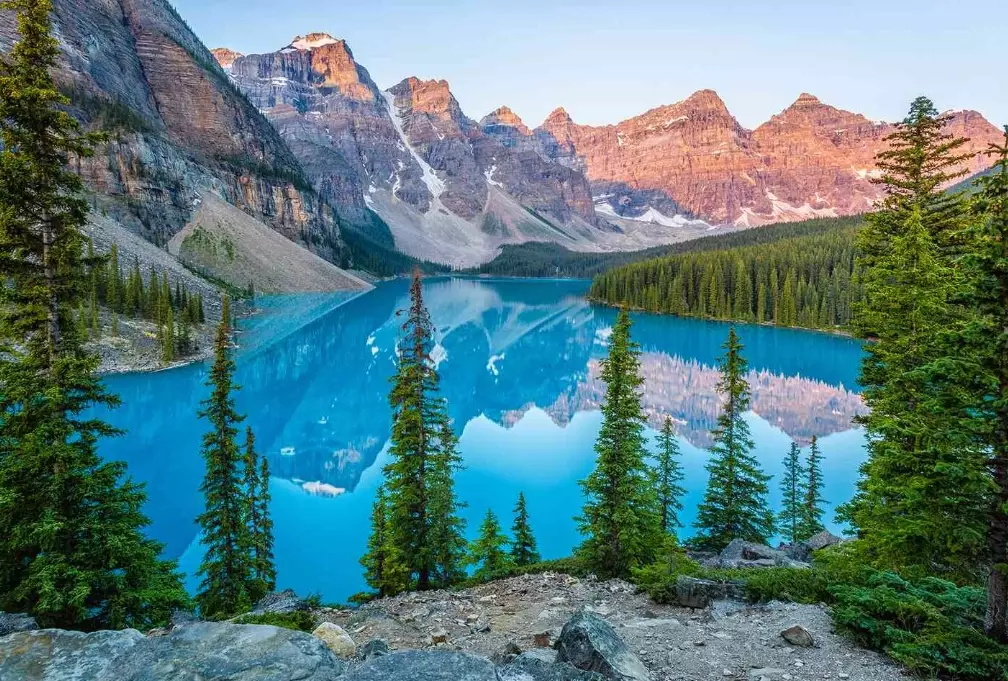
Your Quick Navigation
What Makes a Place "Beautiful" Anyway?
Let's be honest. "Beautiful" means something different to everyone. For some, it's the raw power of a glacier calving into a fjord. For others, it's the quiet charm of a cobblestone alley at golden hour. Before you dive into destinations, think about what beauty you are searching for.
Is it natural scenery? Think mountains, coasts, forests, or deserts. Is it human-made beauty? That covers historic architecture, charming villages, or even stunning urban design. Often, the most magical places are a blend of both—a centuries-old monastery perched on a cliff, or vibrant houses clinging to a rugged coastline.
I used to chase the most photographed spots. I'd stand in line for the "perfect" shot, surrounded by a hundred other people doing the same thing. It felt like checking a box. The real beauty, I've learned, often lies just around the corner from that famous viewpoint, in the moments you don't plan for.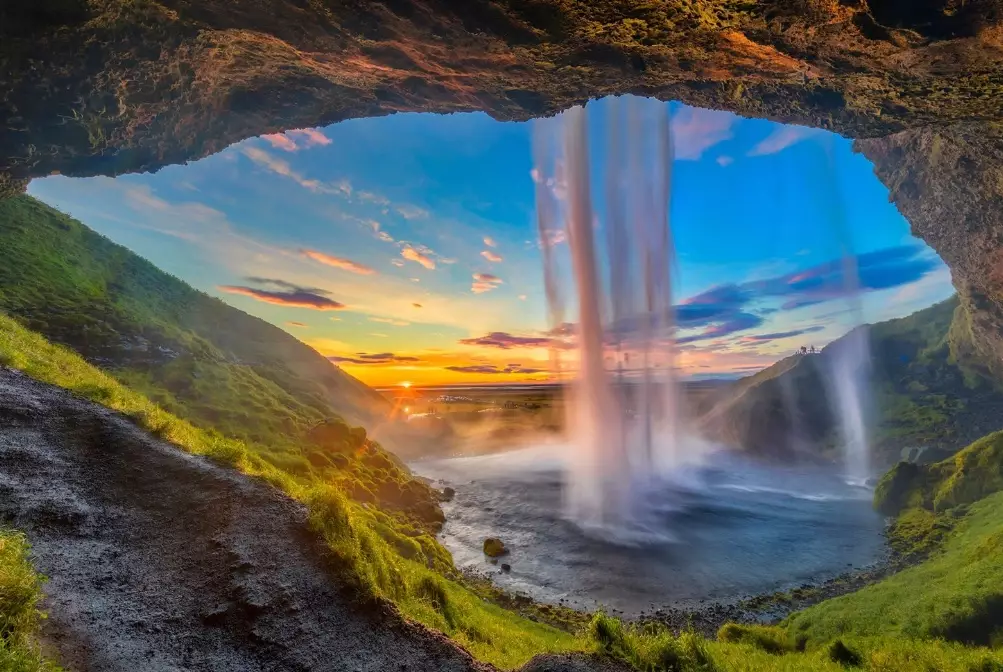
Three Stunning Destinations, Deconstructed
Here are three places widely considered among the world's most beautiful. But instead of just saying they're pretty, let's break down exactly what you get, the costs, and the reality check.
1. Cinque Terre, Italy: The Colorful Cliffside Classic
Five villages carved into the Italian Riviera coastline. It's the poster child for pretty places to go. Pastel houses, vineyards on steep terraces, and the blue Mediterranean sea. It's as stunning as the pictures promise.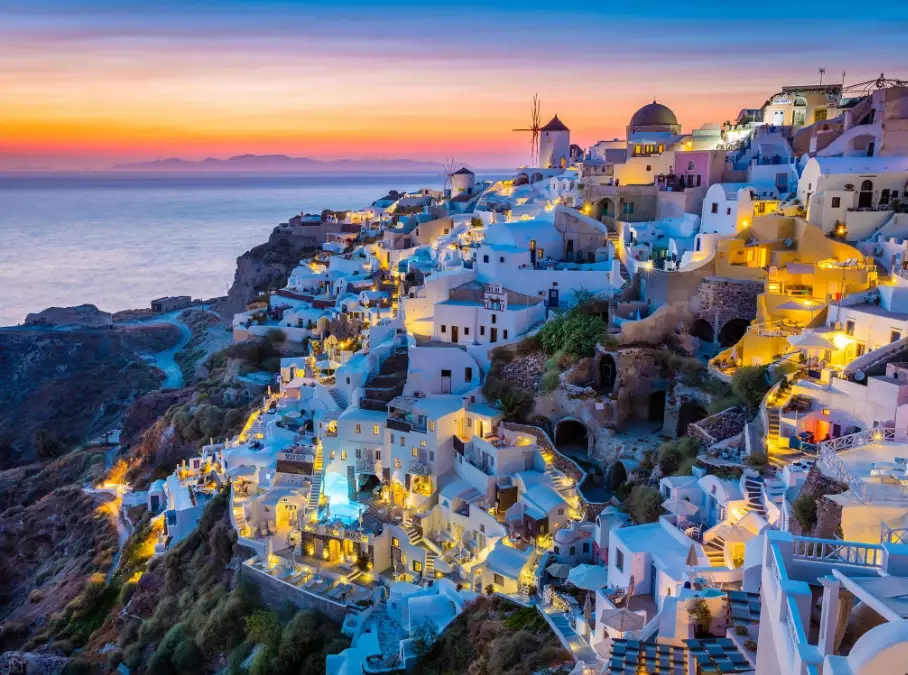
The Practicalities: The main villages are Riomaggiore, Manarola, Corniglia, Vernazza, and Monterosso al Mare. You can hike the coastal trails (the famous Sentiero Azzurro Blue Trail), take a local train, or hop on a ferry between them. The Cinque Terre Card covers trail access and unlimited train travel between the villages. Check the latest trail conditions on the official Parco Nazionale delle Cinque Terre website, as sections sometimes close for maintenance.
Address/Getting There: The region is in Liguria, Italy. The closest major transport hub is La Spezia Centrale train station. From there, a 5-15 minute regional train gets you to any village. Pisa and Genoa airports are the closest.
Best Time to Visit: Late April to early June, or September to October. July and August are brutally crowded and hot. I made the mistake of going in August once—the narrow main street in Vernazza was a slow-moving river of people. Not peaceful.
Cost Reality: It's not cheap. A daily Cinque Terre Trekking Train Card is about €18-€30. Accommodation in a mid-range hotel can be €150-€250 per night in peak season. A simple pasta dish in a village trattoria is around €15-€20. The ferry between villages is an extra €10-€20 one-way, but the views are worth it.
The Hidden Gem Tip: Everyone clusters in the harbors. For a quieter, equally stunning view, hike up the trail from Manarola towards Corniglia (path 506). You'll get a panoramic view back over Manarola without the shoulder-to-shoulder crowds. Also, Corniglia, being on a cliff top and not directly on the water, is often slightly less hectic.
2. Milford Sound / Piopiotahi, New Zealand: The Raw Power of Nature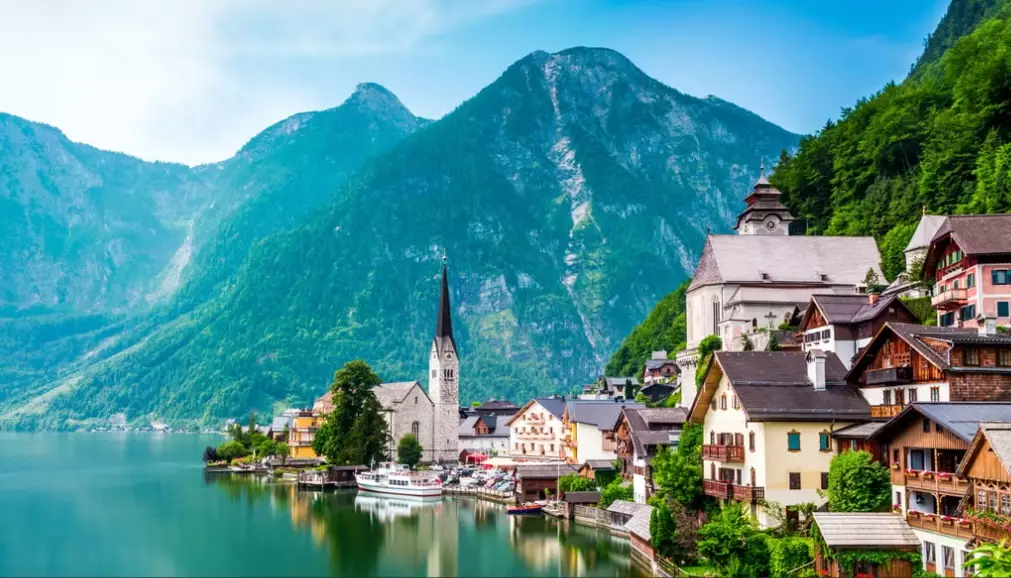
This is natural beauty on an epic scale. Sheer granite cliffs rising straight from dark water, waterfalls cascading down a thousand feet, and seals basking on rocks. It's a fiord (not a typo—it's spelled differently here) in Fiordland National Park, a UNESCO World Heritage site.
Address/Getting There: It's remote. The road (State Highway 94) ends at Milford Sound. The nearest town with services is Te Anau, a 2-hour drive away. Queenstown is a 4-hour scenic but winding drive. Many people opt for a coach tour from Queenstown or Te Anau, which includes the cruise.
Best Time to Visit: It's stunning year-round, but moody and dramatic in the rainy season (November to March). More rain means more temporary waterfalls—sometimes hundreds of them. Sunny days are beautiful but less characteristically dramatic. Winter (June-August) can bring snow to the peaks.
Cost Reality: The main expense is the cruise. A standard 2-hour nature cruise costs around NZD $50-$90 per adult. Scenic flights from Queenstown are breathtaking but a major splurge (NZD $300-$500+). If you drive yourself, factor in fuel and the potential need for a rental car with unlimited kilometers. Accommodation at the sound itself is very limited and expensive; most stay in Te Anau.
The Hidden Gem Tip: Book the first cruise of the day. Not only do you often get calmer water, but you beat the bulk of the tour buses arriving from Queenstown. The morning light hitting the peaks is incredible. And if you're driving, stop at the Mirror Lakes along the Milford Road on a calm morning. The reflection is perfect.
3. The Philosopher's Path, Kyoto, Japan: Subtle, Seasonal Beauty
This is beauty of a quieter, more contemplative kind. A stone path following a canal in Kyoto's Higashiyama district, lined with hundreds of cherry trees. In spring, it's a tunnel of pink blossoms. In autumn, the maple trees blaze with color. The rest of the year, it's a peaceful, green stroll past temples and quiet neighborhoods.
Address/Getting There: The path is about 2 kilometers long, running between the Ginkaku-ji (Silver Pavilion) and the neighborhood around Nanzen-ji Temple. You can access it from multiple points. City buses stop near Ginkaku-ji (e.g., bus #5, #17, #100).
Best Time to Visit: Obviously, peak cherry blossom season (late March to early April) is magical but extremely crowded. For a better experience, aim for the very beginning of the bloom or the autumn foliage season (mid to late November). A rainy day in June can also be beautiful, with lush greenery and fewer people.
Cost Reality: The path itself is free to walk. The cost comes from visiting the temples along the way. Entry to Ginkaku-ji is about ¥500, and Honen-in is often donation-based. It's a very budget-friendly beautiful experience.
The Hidden Gem Tip: Everyone walks from Ginkaku-ji south. Do the reverse. Start near Nanzen-ji early in the morning and walk north. You'll be going against the main flow of tour groups heading from the famous Silver Pavilion. Also, detour into the tiny, often-overlooked Honen-in Temple. Its mossy garden and simple sand mounds are profoundly peaceful.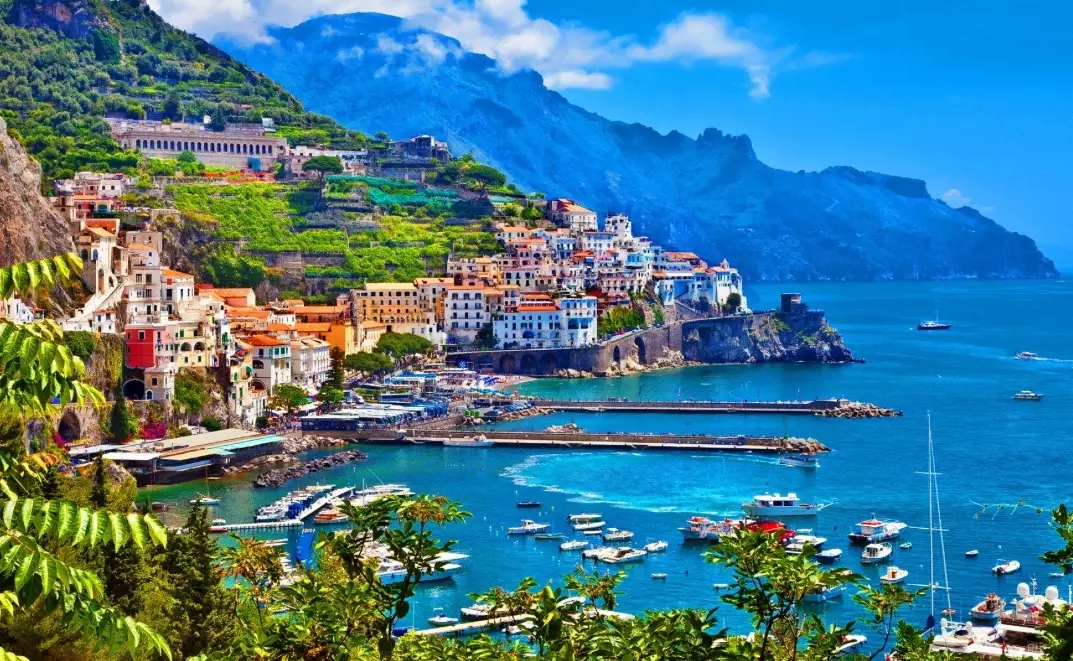
How to Choose Your Next Beautiful Getaway
With so many options, how do you pick? Ask yourself these questions:
- What's your travel pace? Cinque Terre is for slow village-hopping. Milford Sound is a day trip from a base. Kyoto's path is a half-day stroll.
- What's your budget? New Zealand is a long-haul flight for most, plus expensive activities. Japan can be mid-range. Italy's costs are highly seasonal.
- Do you mind crowds? If you hate them, avoid the peak of peak season at any of these places. Go shoulder season or seek out lesser-known alternatives.
- What else do you want? Pair Milford Sound with Queenstown's adventure. Combine Kyoto with other cultural sites. Use Cinque Terre as a base to explore Liguria's food.
Budgeting for Beauty: A Rough Cost Comparison
Let's put some numbers on paper for a mid-range traveler for a day trip or key activity. This excludes international flights and multi-day accommodation.
| Destination | Key Activity | Approx. Cost per Person | What the Cost Covers |
|---|---|---|---|
| Cinque Terre, Italy | Cinque Terre Card + Local Exploration | €50 - €80 / day | Unlimited train travel between villages, hiking trail access, maybe a short ferry ride. |
| Milford Sound, NZ | Coach Tour from Te Anau + Nature Cruise | NZD $150 - $220 | Return transport from Te Anau, 2-hour scenic cruise on the fiord. |
| Philosopher's Path, Kyoto | Path Walk + Temple Visits | ¥1000 - ¥2000 | Entry to 2-3 temples along the path (like Ginkaku-ji), maybe a matcha tea stop. |
This table makes it clear: the type of beauty you seek directly impacts your daily budget. Nature cruises and transport in remote areas cost more than a walk through a city.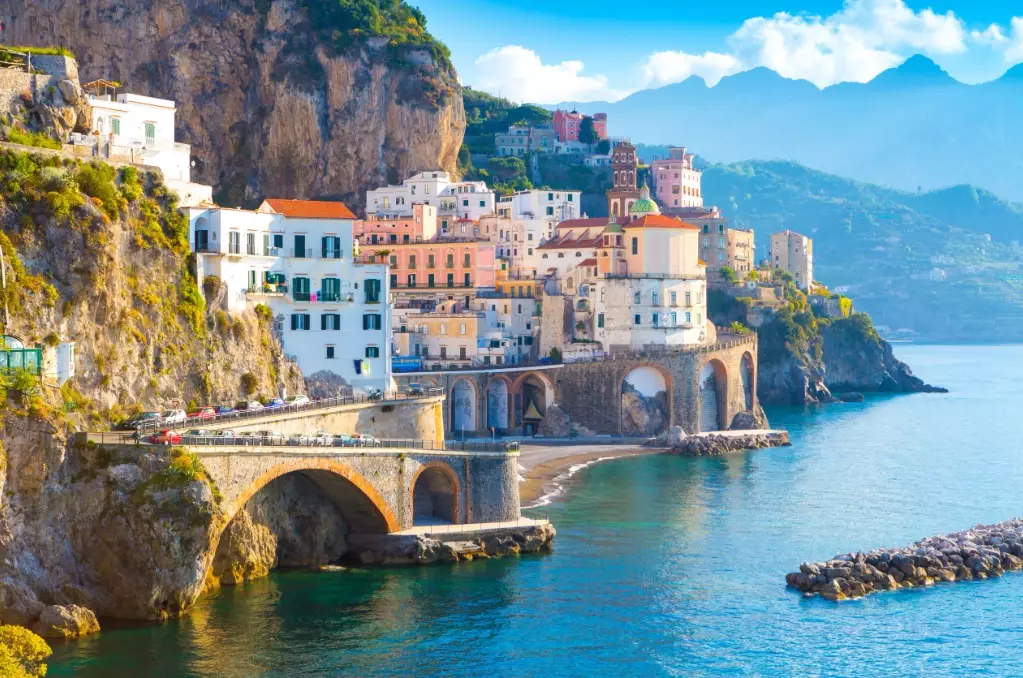
Expert Tips for a Better Experience
After visiting dozens of "pretty places," here's what most guides won't tell you.
Light is Everything. The same place can look utterly different at 7 AM versus 2 PM. For photography and atmosphere, aim for the golden hours—shortly after sunrise or before sunset. That's when the light is soft, warm, and the crowds are thinner. Midday light is harsh and flat.
Don't Over-Schedule. The biggest mistake is trying to see three beautiful spots in one day. You'll spend all your time in transit, stressed. Pick one highlight per day. Give yourself time to sit on a bench, have a coffee, and just be there. That's when you truly appreciate it.
Look Beyond the Main Vista. Get the classic shot, sure. Then turn around. Walk 100 meters down a side street. Often, the more intimate, authentic beauty is there, waiting without a queue.
Your Beautiful Travel Questions Answered
How can I visit beautiful places without spending a fortune?
Focus on destinations where the beauty itself is free or low-cost, like public parks, cityscapes, or coastal paths. Kyoto's Philosopher's Path is a prime example. Research shoulder seasons—you get similar beauty with lower flight and hotel prices. Consider alternative towns near famous spots; maybe stay in Levanto instead of Cinque Terre, or Te Anau instead of right at Milford Sound.
 What's the best way to avoid crowds at the most scenic locations?
Timing is your most powerful tool. Go early. I mean, be there at opening time or for sunrise. Book the first tour slot of the day. Visit on a weekday if possible. If a place is famous for a sunset view, consider going for sunrise instead—it's often deserted. Also, research the direction most tours take and do the reverse route, like on the Philosopher's Path.
Are these places still worth it if the weather is bad?
It depends on the place and your mindset. Milford Sound is arguably more impressive in the rain. A misty day in Kyoto's temples can feel incredibly atmospheric. A stormy coastal scene has its own drama. The key is having the right gear (waterproof jacket, good shoes) and adjusting your expectations. Sunny days are great for vistas, but moody weather often creates more memorable and unique photos and experiences. Always have a flexible plan B, like a museum or cozy café nearby.
The search for pretty places to go is a lifelong journey. It's not about collecting stamps on a passport. It's about finding those spots that speak to you, that make you stop and just feel awe. Use this guide not as a definitive list, but as a framework to make your own discoveries. Look up the details, be honest about your budget and tolerance for crowds, and then go. The beauty is out there waiting, often just off the beaten path.
Reader Comments