Let's be honest. When you think "things to do Arizona," your mind probably jumps straight to the Grand Canyon. It's iconic for a reason. But if that's the only stop on your list, you're missing about 90% of what makes this state incredible. Arizona is a layered tapestry of red rock deserts, pine-covered mountains, ancient ruins, and vibrant cities. I've spent over a decade exploring its backroads and hidden corners, and the biggest mistake I see visitors make is treating the Grand Canyon as a checkbox. This guide is about weaving all those other pieces into a trip you won't forget.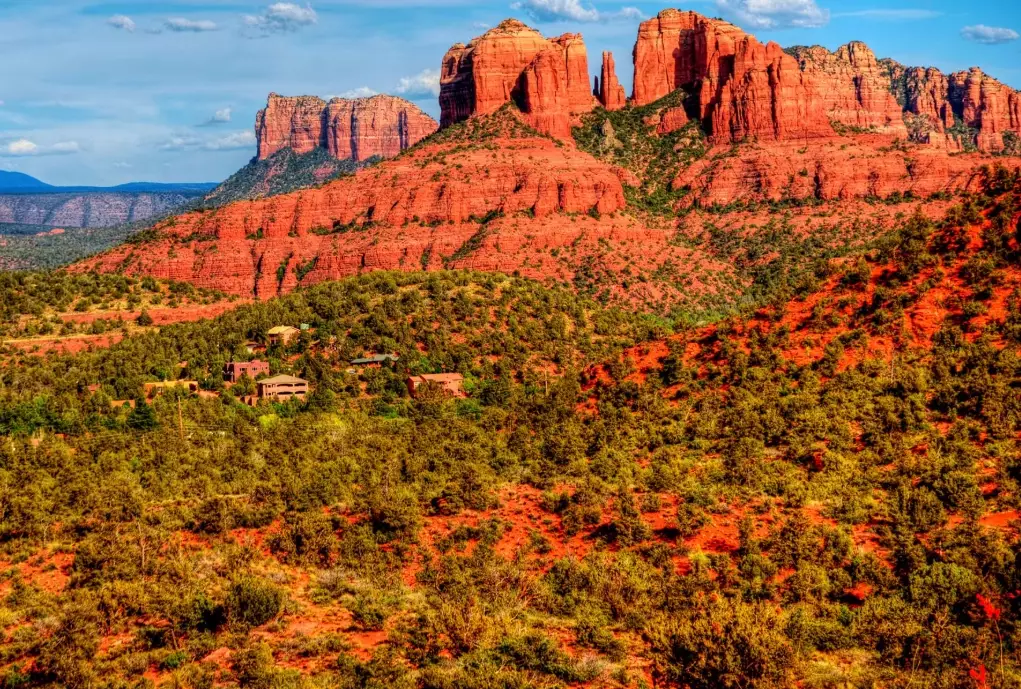
Your Quick Guide to Arizona Adventures
Beyond the Canyon: Arizona's Iconic Landscapes
The desert southwest is the star here. But which parts?
The Undisputed Champion: Grand Canyon National Park
We have to start here, but let's do it right. The South Rim is open year-round, while the more remote North Rim is typically open mid-May to mid-October. The $35 vehicle pass (valid 7 days) is a steal. The biggest error? People just walk to the edge, snap a photo, and leave. The magic is in the hiking below the rim. Even a short hike like the 1.5-mile (one-way) Ooh Aah Point trail on the South Kaibab Trail changes your entire perspective. No shuttle needed to reach this trailhead—just park at the Visitor Center. For sunrise, skip the crowded Mather Point. Yaki Point or Hopi Point, accessible by the shuttle, offer equally stunning views with half the people.
The Spiritual Heart: Sedona & Its Red Rocks
A two-hour drive south of the Grand Canyon, Sedona feels like another planet. The town is nestled among massive red sandstone formations. The energy vortex sites are a real thing—not in a mystical sense I can prove, but in the sense that places like Bell Rock or Cathedral Rock have a palpable, quiet power that makes you want to sit and stare. Hiking is the main event. The Cathedral Rock Trail (1.2 miles round trip, strenuous) is short but involves some serious rock scrambling for the best views. For something easier, the Fay Canyon Trail (2.4 miles round trip) leads to a natural arch.
Don't just hike. Take the Pink Jeep Tours Broken Arrow tour. It's pricey (around $100 per person), but it's a wild, bumpy ride down into stunning red rock formations you can't see from the road. It's the most fun you can have on four wheels in Sedona.
The Wild West Poster: Monument Valley
Technically on the Navajo Nation in both Arizona and Utah, this is the landscape of countless Western films. The iconic view is from the Visitor Center overlook. To drive the 17-mile dirt loop road among the buttes, you need to pay the $8 per person access fee and do it yourself (a high-clearance vehicle is recommended) or book a guided tour with a Navajo guide. Goulding's Lodge is the classic place to stay, with a museum and incredible views. It's remote. Plan for a full day of driving if coming from Flagstaff or Page.
The Photographer's Dream: Antelope Canyon & Horseshoe Bend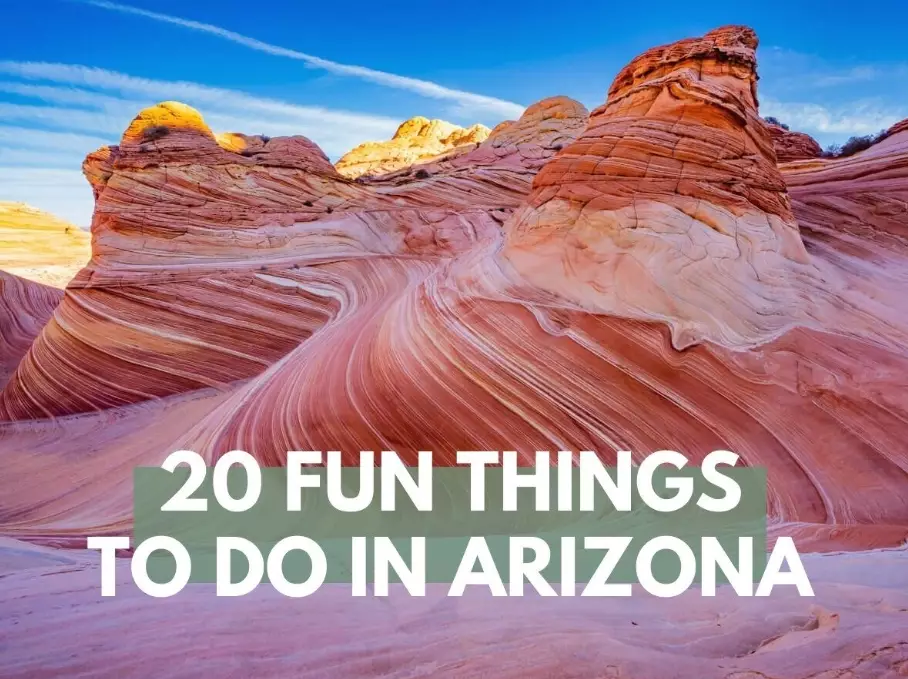
Both are in Page, AZ. Upper Antelope Canyon requires a booked tour with a Navajo guide—you cannot enter alone. Tours sell out weeks in advance, especially for the famous light beams (best around 11 AM in summer). It's crowded and feels a bit rushed, but the shapes and colors are undeniably beautiful. Horseshoe Bend is a 1.5-mile round trip hike from a parking lot (fee: $10 per vehicle). Go for sunset, but bring water—it's fully exposed. A newer, often less crowded alternative is nearby Waterholes Canyon, which also requires a permit.
| Landmark | Location | Key Activity & Tip | Cost Estimate |
|---|---|---|---|
| Grand Canyon (South Rim) | Tusayan, AZ | Hike below the rim on South Kaibab Trail. Arrive before 9 AM to park easily. | $35 vehicle pass |
| Sedona Red Rocks | Sedona, AZ | Cathedral Rock hike for sunset. Book Pink Jeep Tours in advance. | Free (hiking), Tours ~$100+ |
| Monument Valley | Oljato-Monument Valley, AZ | Drive the scenic loop or take a sunrise guided tour. | $8 per person + guide fees |
| Antelope Canyon | Page, AZ | Book a photography tour months ahead for best light. | Tour ~$80-$150 per person |
| Petrified Forest National Park | Near Holbrook, AZ | Drive the 28-mile road, hike the Blue Mesa Trail. Don't steal petrified wood! | $25 vehicle pass |
Urban Adventures & Cultural Gems
Arizona isn't all wilderness. The cities have their own vibe.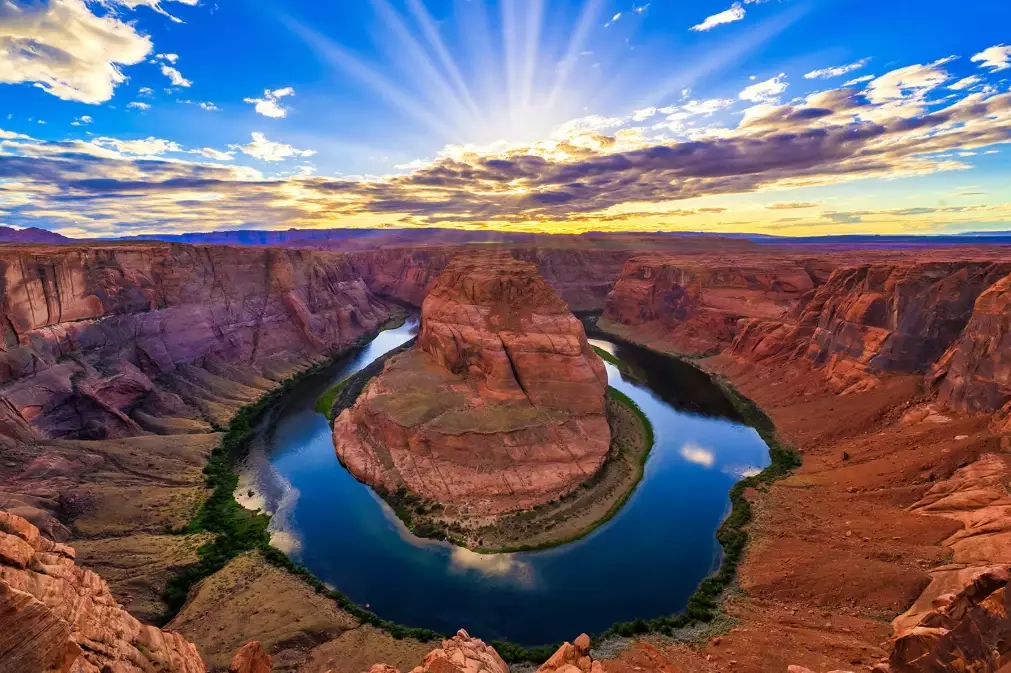
Phoenix & Scottsdale are about resort life, golf, and art. The Desert Botanical Garden in Phoenix is a must—it shows how diverse and beautiful desert plant life really is. In Scottsdale, Old Town has galleries and boutiques. For a unique hike in the city, Camelback Mountain's Echo Canyon Trail is a brutal but rewarding climb with 360-degree views. Just start early—like, 6 AM early—to beat the heat and the crowds.
Tucson feels grittier and more authentic. The Arizona-Sonora Desert Museum (part zoo, part museum, part garden) is consistently rated one of the best attractions in the state. Drive up to Mount Lemmon for a breathtaking switchback road that takes you from saguaro desert to pine forest in under an hour. The summit has hiking and, in winter, sometimes even skiing.
Flagstaff is your mountain basecamp. It's a college town with a historic downtown, great breweries (Mother Road Brewing is a favorite), and it's the gateway to the Grand Canyon. The Lowell Observatory, where Pluto was discovered, is worth a visit for its history and night viewing programs.
How to Plan Your Arizona Trip?
Best Time to Visit
Spring (March-May) and Fall (September-November) are perfect. Wildflowers bloom in spring, fall has crisp air. Summer is great for the higher elevations (Flagstaff, Grand Canyon) but scorching in the low deserts. Winter can be cold at the Grand Canyon and Flagstaff (with snow), but pleasantly mild in Phoenix and Tucson.
Getting Around
You need a car. Public transport between these sights is non-existent. Rent something comfortable. Distances are vast. Phoenix to the Grand Canyon South Rim is about 3.5 hours. Sedona to Page (for Antelope Canyon) is about 2.5 hours. Fill up your gas tank in towns—stations are far apart in remote areas.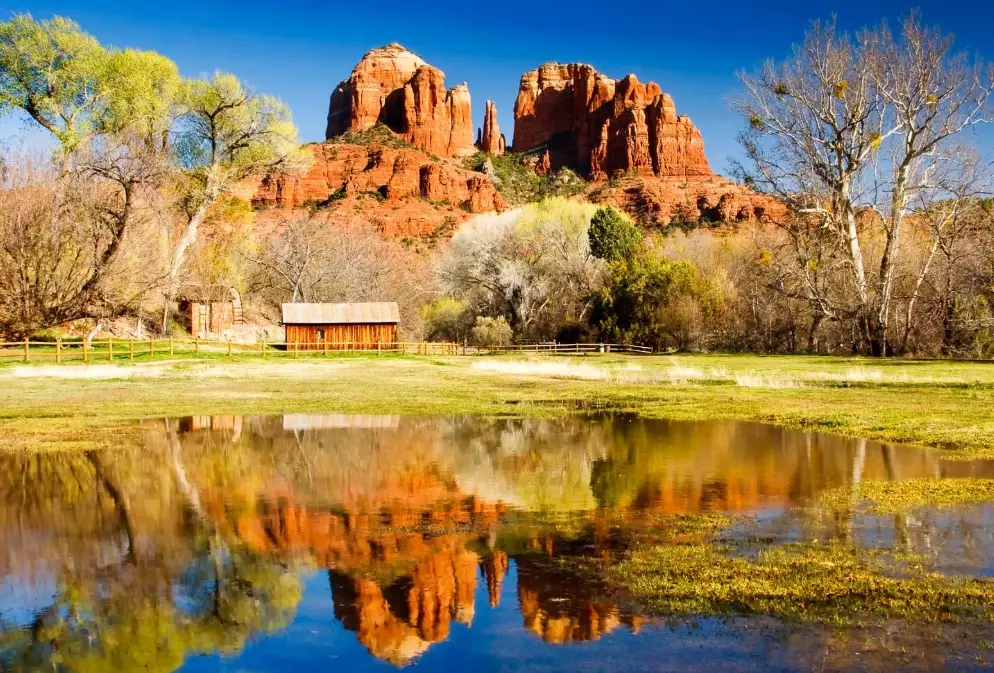
Sample 7-Day Arizona Road Trip Itinerary
This loop covers the classics at a reasonable pace.
- Day 1 & 2: Phoenix/Scottsdale. Arrive, relax. Hike Camelback at dawn, visit the Desert Botanical Garden, enjoy a resort pool.
- Day 3: Sedona. Drive to Sedona (2 hrs). Hike Cathedral Rock or Bell Rock in the afternoon. Watch the sunset paint the rocks.
- Day 4: Sedona to Grand Canyon. Morning Pink Jeep Tour. Then drive to Grand Canyon South Rim (2 hrs). Catch sunset at Hopi Point.
- Day 5: Grand Canyon. Sunrise hike partway down South Kaibab Trail. Explore the rim trail by shuttle in the afternoon.
- Day 6: Grand Canyon to Page. Drive east along Desert View Drive, then continue to Page (2.5 hrs total). Visit Horseshoe Bend for sunset.
- Day 7: Page to Phoenix. Morning tour of Antelope Canyon. Drive back to Phoenix (4.5 hrs) for your departure.
This is ambitious. For a slower pace, add a night in Page or cut out Page and add a second night in Sedona.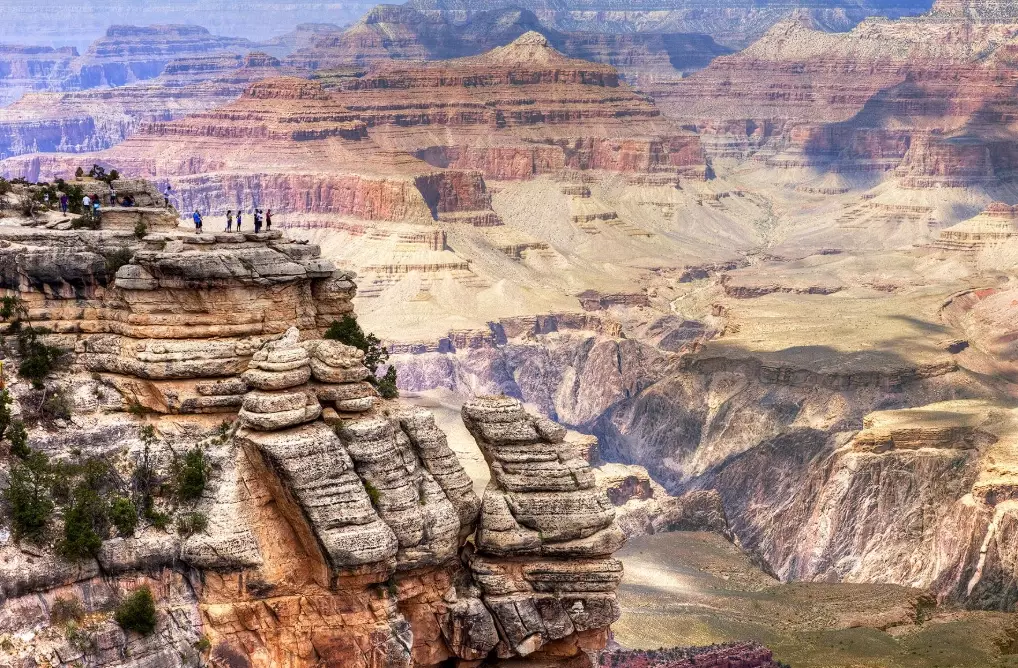
Arizona Travel FAQs: Your Questions Answered
What's the one thing most tourists miss in Arizona?
Petrified Forest National Park in eastern Arizona. Everyone blasts past it on I-40 heading to or from New Mexico. It's not just logs. The Painted Desert badlands are surreal, and the Blue Mesa hike feels like walking on another planet. It's a compact park you can see in half a day, and it's never crowded.
Is it safe to hike in the Arizona desert in summer?
It can be deadly if you're not prepared. The rule is: finish your hike by 10 AM. Carry at least one gallon (4 liters) of water per person per half-day hike, even if you think you won't need it. Wear a hat, sunscreen, and tell someone your plan. Heatstroke is a real and serious danger. Stick to higher-elevation hikes near Flagstaff or the Grand Canyon during peak summer.
How can I visit the Grand Canyon without the crowds?
Two strategies. First, timing: visit on a weekday, outside of summer (spring/fall are ideal), and be at the park gates before 8 AM. Second, location: most crowds are concentrated between Mather Point and the Village. Take the shuttle or drive to Hermits Rest (in season) or Desert View for more space. Consider the North Rim—it gets 10% of the South Rim's visitors but has equally breathtaking views.
 Do I need a special pass for all the national parks?
If you're hitting multiple parks, the America the Beautiful Annual Pass ($80) pays for itself after visiting the Grand Canyon ($35) and Petrified Forest ($25). It covers all federal recreation fee sites for a year. Buy it at the first park entrance you visit. It does not cover state parks or Navajo Nation sites like Antelope Canyon.
What's a good budget for a week-long Arizona trip?
Excluding flights, a mid-range budget for two people is about $2,500-$3,500 for a week. This covers a rental car ($350-$500), lodging ($150-$250/night), park entries and tours ($300-$500), food ($80-$120/day), and gas. You can camp and cook to slash costs, or splurge on luxury resorts in Scottsdale and guided tours.
The real secret to enjoying Arizona is to slow down. The distances are huge, the landscapes are vast. Don't try to see it all in one go. Pick a region—like the Grand Canyon loop with Sedona and Flagstaff—and dive deep. Let the desert silence sink in. That's when you find the magic that goes far beyond any checklist.
Reader Comments