Let's be honest. "Things to do on the East Coast" is a massive topic. It's not one place; it's a sprawling, diverse coastline stretching from the rocky cliffs of Maine down to the tropical keys of Florida. Asking what to do here is like asking what to do in Europe. You need a game plan. After a decade of road-tripping every inch of I-95 and countless backroads, I've learned that the magic isn't just in ticking off famous landmarks—it's in the rhythm of the drive, the unexpected roadside stand, and knowing when to skip the crowd. This guide cuts through the noise. We'll cover the iconic cities, the breathtaking natural escapes, the deep history, and the food you absolutely cannot miss, all with the practical details you need to actually plan your trip, not just dream about it.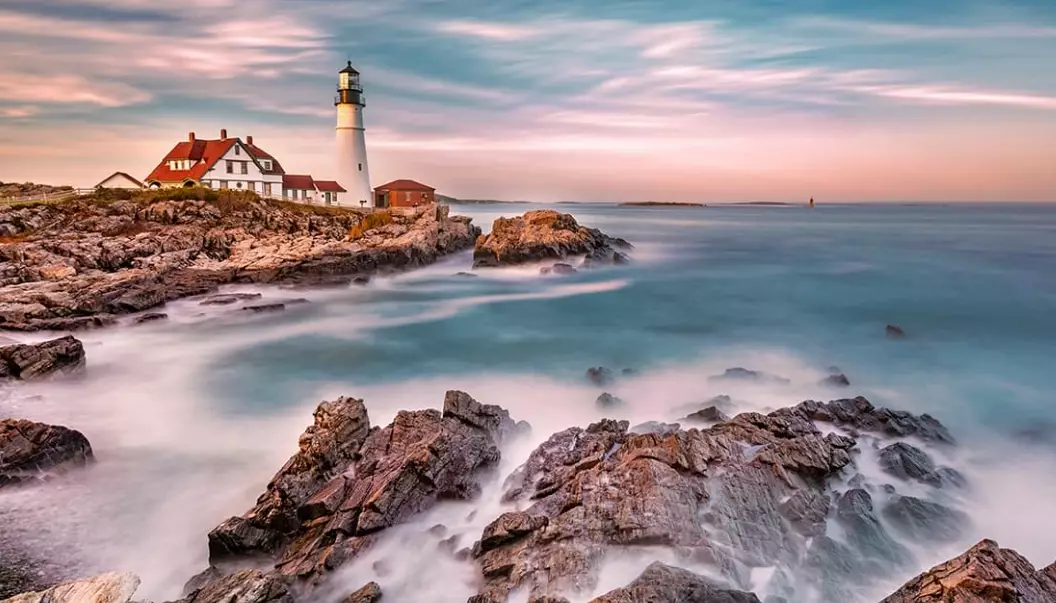
Your East Coast Adventure Map
Iconic City Experiences You Can't Miss
Each major city has its own pulse. Trying to do them all in one go is a recipe for burnout. My advice? Pick two, maybe three, and really soak them in. Here’s what makes each one tick.
New York City: The Overwhelming & Wonderful
Forget trying to see everything. You can't. The key is neighborhoods. Spend a morning in Lower Manhattan hitting the big sights, then get out. The Statue of Liberty is a must, but the free Staten Island Ferry gives you the iconic view without the cost or long security lines (it runs 24/7 from Whitehall Terminal). Central Park is your breather—rent a Citi Bike and explore the paths away from the 59th Street entrance. The real NYC lives in pockets like the West Village for cozy cafes, or Williamsburg, Brooklyn for street art and indie shops. The subway is your friend, but download the MTA app for real-time updates.
Washington D.C.: More Than Just Politics
The majesty of the National Mall is free, and that’s the best part. You can spend days just in the Smithsonian museums (all free). A mistake I see? People try to sprint from the Lincoln Memorial to the Capitol in one afternoon. It's over two miles end-to-end. Use the Circulator bus or rent a Capital Bikeshare. The real magic happens when you book (free) timed-entry passes for the popular spots like the National Museum of African American History and Culture—they release passes weeks in advance online. For a different vibe, cross the river to Old Town Alexandria for cobblestone streets and waterfront dining.
Boston: History with a Modern Edge
The Freedom Trail is the obvious start—a 2.5-mile red-brick line connecting 16 historic sites. Do it yourself with the official map; you don't need a pricey guided tour unless you're a serious history buff. The trail ends in Charlestown at the USS Constitution. From there, take the ferry (yes, with your same subway CharlieCard) back to Long Wharf for a stunning view of the city. Don't just stay downtown. The North End for Italian food (try Modern Pastry for cannoli, not the more famous one with the long line) and Harvard Square in Cambridge for bookstores and intellectual buzz are essential.
| City | Can't-Miss Activity | Pro Tip / Hidden Gem | Best Way to Get Around |
|---|---|---|---|
| New York City | View from Top of the Rock or Staten Island Ferry | High Line park at sunset, start at 30th St. | Subway + Walking |
| Washington D.C. | Smithsonian Museum of Your Choice | Explore the U.S. National Arboretum (free, less crowded) | Metro + Capital Bikeshare |
| Boston | Walking the Freedom Trail | Take the ferry from Long Wharf to Charlestown Navy Yard | Walking + "T" Subway |
| Charleston, SC | Historic District Carriage Tour | Sunset at the Battery, then dinner on Upper King Street | Walking or Pedicab |
| Miami | Art Deco District in South Beach | Wynwood Walls street art, go early to avoid crowds | Ride-share (Uber/Lyft) or Bike Rental |
Natural Wonders Beyond the Beach
Yes, there are beaches—amazing ones. But the East Coast's natural palette is incredibly varied. You've got mountains that look like they belong out west and swamps teeming with life.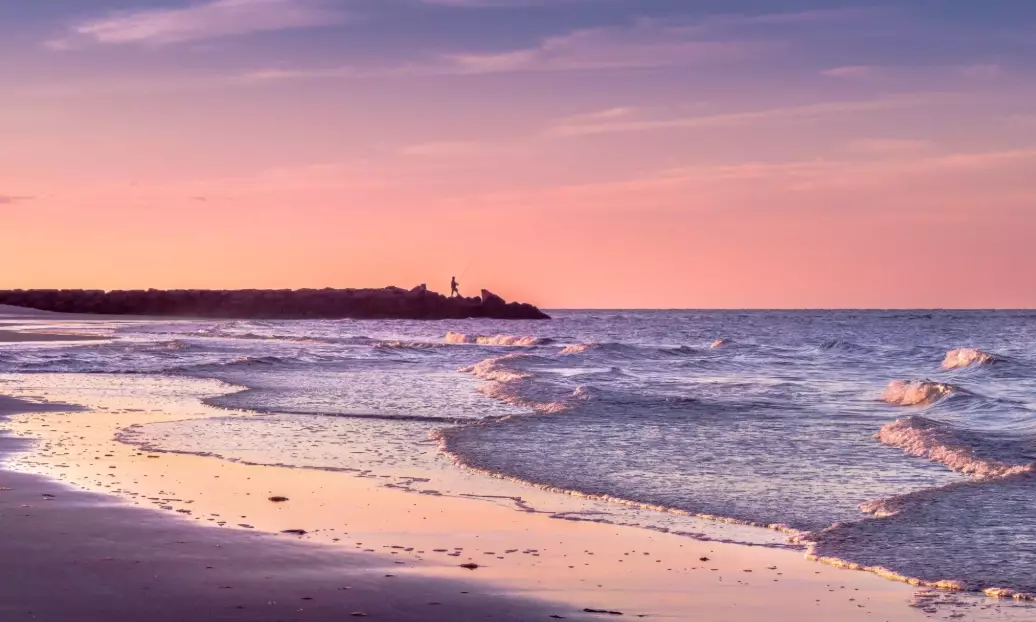
The Appalachian Majesty: Great Smoky Mountains
America's most visited national park for a reason, and it's free. The mistake? Staying only along the crowded Newfound Gap Road. For solitude, head to the Cataloochee Valley on the North Carolina side to see elk at dawn, or drive the relentless switchbacks of the Roaring Fork Motor Nature Trail near Gatlinburg. Cades Cove is iconic, but go on a Wednesday or Saturday morning when it's vehicle-free and open only to cyclists and pedestrians. The park's official site, nps.gov/grsm, is your bible for road closures and wildlife sightings.
Acadia National Park: Where Mountains Meet the Sea
On Mount Desert Island in Maine, Acadia is a masterpiece of rugged coastlines and granite peaks. Everyone drives up Cadillac Mountain for sunrise (reservations required May-October). A better, more active experience? Hike the Beehive Trail (iron rung ladders, not for the faint of heart) or the Ocean Path from Sand Beach to Otter Cliff. Park Loop Road is stunning, but the Island Explorer bus system is free and eliminates parking headaches. Get a popover at the Jordan Pond House—it's tradition.
The Everglades: A River of Grass
This is not a pretty, manicured park. It's wild, humid, and buzzing with life—literally. The key is getting on the water. The Shark Valley Tram Tour (run by the NPS concessioner) is a great overview, but renting a kayak from the Gulf Coast Visitor Center in Everglades City and paddling the 99-mile Wilderness Waterway (or a small section of it) is transformative. You'll see manatees, dolphins, and endless birds. Go in the dry season (November to March) for fewer mosquitoes and more concentrated wildlife. Remember, this is alligator territory—respect the space.
Walking Through American History & Culture
The East Coast is where American history unfolded. You can feel it in the bricks and cobblestones.
Colonial Williamsburg, VA: It's a living-history museum, yes, but don't just watch. Talk to the interpreters—the blacksmith, the tavern keeper. Ask them hard questions about life, liberty, and who those concepts applied to in the 18th century. The adjacent College of William & Mary campus adds a real, modern layer to the experience.
Philadelphia's Independence Hall: You need a timed ticket for the tour where the Declaration and Constitution were signed. Book it online through recreation.gov. Afterward, walk to the less-crowded Elfreth's Alley, the nation's oldest residential street, and the Museum of the American Revolution for a deeper, grittier dive.
Civil Rights Trail: This is powerful, essential travel. In Atlanta, the Martin Luther King Jr. National Historical Park includes his childhood home and the Ebenezer Baptist Church. In Birmingham, AL, the Civil Rights Institute stands across from the 16th Street Baptist Church. In Memphis, TN, the National Civil Rights Museum at the Lorraine Motel is a profoundly moving experience. These sites require time for reflection—don't rush.
The Essential East Coast Food Journey
Food is geography here. What you eat tells you exactly where you are.
North to South Bite-by-Bite
Maine: It's about the lobster, but skip the fancy restaurant. A lobster shack is the way. The Clam Shack in Kennebunkport (2 Western Ave) has a perfect lobster roll (hot with butter, not mayo, in my opinion). Under $30. Cash only.
New York: Beyond the bagel (try Ess-a-Bagel) and pizza slice (Joe's on Carmine St. is solid), explore food halls like Chelsea Market or the Essex Market for global variety.
Philadelphia: The cheesesteak debate is real. Pat's King of Steaks (1237 E. Passyunk Ave) and Geno's (across the street) are the famous rivals. Go to Pat's, order a "Whiz wit" (Cheez Whiz with onions), and decide for yourself. It's about $12. Then walk it off in the Italian Market.
Maryland/Virginia: Blue crabs. Get a bushel, a mallet, spread newspaper on a picnic table, and spend an afternoon picking. It's messy, social, and delicious. Places like Cantler's Riverside Inn in Annapolis (458 Forest Beach Rd) are institutions.
Charleston/Savannah: Lowcountry cuisine. Shrimp and grits, she-crab soup, oyster roasts. FIG in Charleston (232 Meeting St) is a splurge but worth it for seasonal, local dishes. Make reservations weeks ahead.
How to Plan Your East Coast Road Trip
This is where most plans fall apart. The distances are deceptive.
The 7-Day Sampler: Fly into Boston, spend 2 days. Drive to NYC (4 hours), 2 days. Drive to Washington D.C. (4 hours), 2 days. Fly out of D.C. It's a whirlwind, but hits the big three.
The 10-14 Day Coastal Explorer: Start in NYC. Drive to Philadelphia (2 hrs), spend a day. Continue to Washington D.C. (2.5 hrs), 2 days. Drive down to Charleston, SC (8 hours—break it up in Richmond or Raleigh), 2-3 days. End in Savannah, GA (2 hrs). You get urban energy and southern charm.
The Nature-Focused 10 Days: Fly into Atlanta. Drive to Great Smoky Mountains NP (4 hrs), 3 days. Drive to Asheville, NC (2 hrs) for the Biltmore and Blue Ridge Parkway, 2 days. Drive to Charleston (4 hrs), 2 days. Fly out of Charleston.
East Coast Travel: Your Common Questions Answered
 Is an East Coast road trip realistic with young kids?
 How do I deal with the traffic and tolls?
Reader Comments