So you're planning a trip to Boston. Great choice. The city packs American history, world-class museums, passionate sports, and charming neighborhoods into a surprisingly walkable area. But with so many famous Boston attractions, where do you even start? The key isn't just listing places—it's knowing how to visit them to avoid the rookie mistakes that leave you tired and underwhelmed. Having spent years exploring every corner, I'll show you not just the must-see spots, but the smart way to experience them, saving you time, money, and frustration.
Your Boston Trip at a Glance
Must-See Boston Attractions for First-Time Visitors
Let's cut to the chase. If you have limited time, these are the Boston places to visit that define the city's character. I'm including the practical details you need to plan, because finding out something is closed after you've walked 20 minutes is the worst.
Boston Common & Public Garden
Address: Bounded by Beacon, Charles, Boylston, Tremont, and Park Sts. Nearest T: Park Street (Red/Green Lines) or Boylston (Green Line).
This is the start of everything. The Common is America's oldest public park. The adjacent Public Garden is where you find the iconic Swan Boats and the Make Way for Ducklings statues. It's free, always open, and the perfect spot to get your bearings. My pro tip? Grab a coffee and a pastry from a nearby shop and just sit for 20 minutes. Watch the street performers, the people, the dogs. It sets the pace for Boston—historic but lively.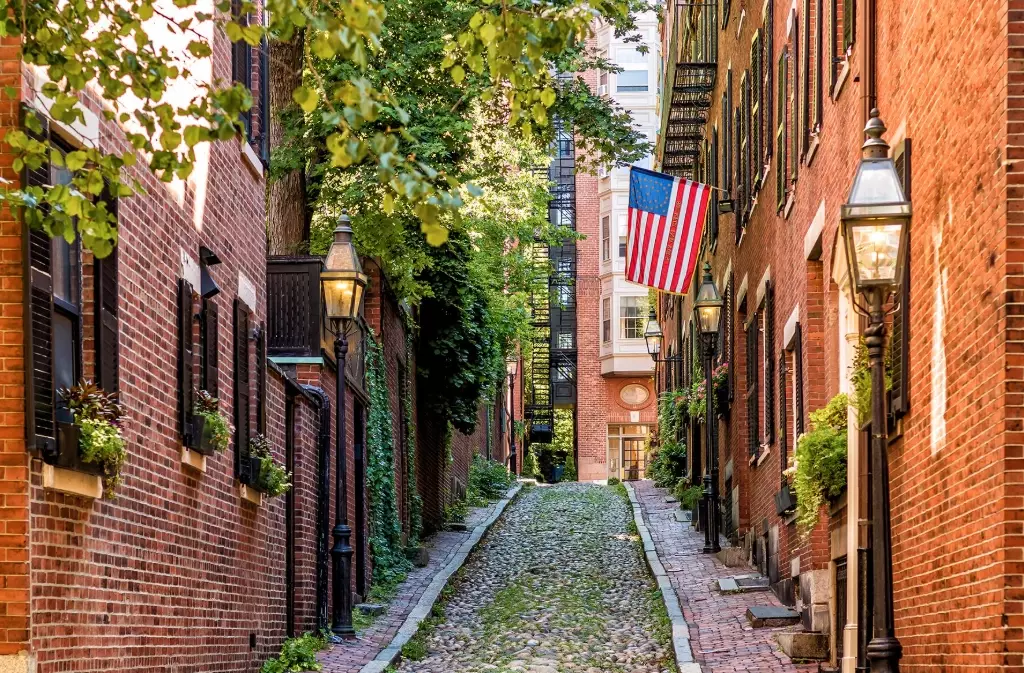
Faneuil Hall Marketplace
Address: 4 S Market St, Boston, MA 02109. Hours: Marketplace 10 AM-9 PM (stores close earlier, bars later). Nearest T: State Street (Blue/Orange) or Government Center (Green/Blue).
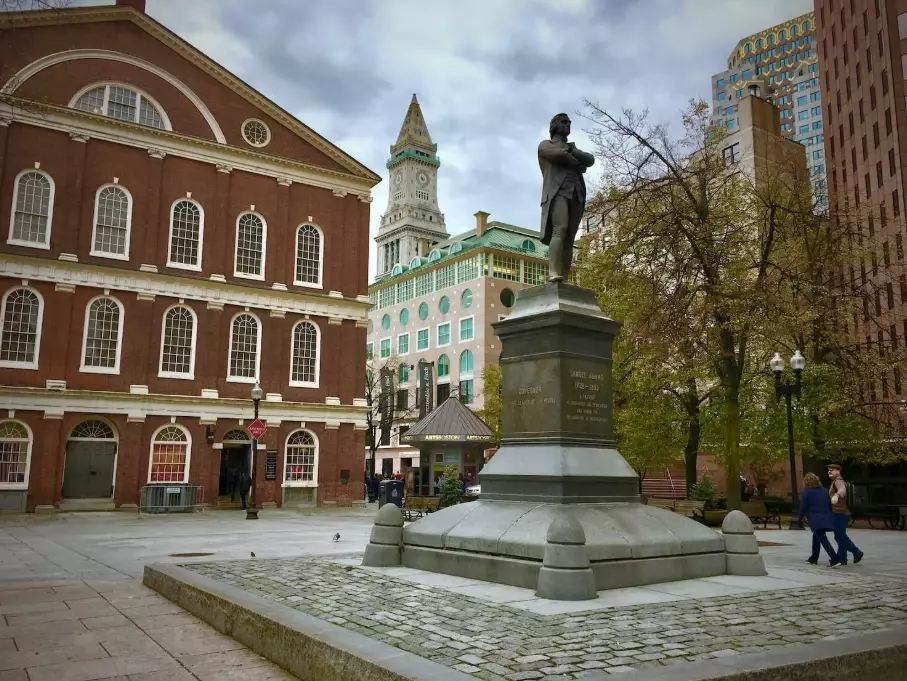
Yes, it's touristy. But it's also a National Historic Landmark where speeches by Samuel Adams helped spark the Revolution. The Quincy Market food hall is a classic for a quick, diverse bite (though overpriced). The secret? The real history is upstairs in the Great Hall, which is free to enter and often has park ranger talks. The crowds are intense midday. Go early or later in the evening.
Fenway Park
Address: 4 Jersey St, Boston, MA 02215. Tours: Run daily from 9 AM-5 PM, about $25. Game Tickets: Vary wildly. Nearest T: Kenmore (Green Line).
Even if you're not a baseball fan, Fenway is an experience. It's ancient, intimate, and oozes history. Taking a tour is the best way to appreciate it—you'll see the Green Monster, Pesky's Pole, and sit in the oldest wooden seats in the majors. If you can catch a game, do it. The atmosphere is electric. A common mistake? Trying to drive. Take the T. The Kenmore stop drops you right there.
| Attraction | Address / Landmark | Key Highlight | Ticket / Cost | Suggested Duration |
|---|---|---|---|---|
| Boston Common & Public Garden | Beacon St. area | Swan Boats, historic park | Free | 1-2 hours |
| Faneuil Hall Marketplace | 4 S Market St | Historic market & food hall | Free to enter | 1.5-2.5 hours |
| Fenway Park | 4 Jersey St | Historic baseball stadium tour | ~$25 for tour | Tour: 1 hour |
| Museum of Fine Arts | 465 Huntington Ave | World-class art collection | ~$27 adult | 3-4 hours |
| Isabella Stewart Gardner Museum | 25 Evans Way | Stunning courtyard, art heist | ~$20 adult | 2 hours |
| New England Aquarium | 1 Central Wharf | Giant Ocean Tank, penguins | ~$34 adult | 2-3 hours |
How to Explore Boston's Historic Freedom Trail
The 2.5-mile red-brick path connecting 16 historic sites is Boston's signature experience. Everyone tells you to walk it. Few tell you how to do it right.
The biggest error I see? People try to do the whole thing in one go, from start to finish. It's a marathon that turns history into a blur. Here's a better plan.
Break It Into Two Sections
The Downtown Core (Boston Common to Faneuil Hall): This is the densest, most iconic part. You'll see the Massachusetts State House, Park Street Church, Granary Burying Ground (resting place of Paul Revere, Sam Adams), King's Chapel, and the Old South Meeting House. This section is about 1 mile and packed with sites. Do this in a morning.
The North End & Charlestown (Faneuil Hall to Bunker Hill): This half includes Paul Revere's House, the Old North Church (“one if by land, two if by sea”), Copp's Hill Burying Ground, and across the bridge, the USS Constitution and Bunker Hill Monument. The vibe shifts to the Italian North End. Perfect for an afternoon, ending with a cannoli.
Skip the Guided Tour? Maybe.
The official Freedom Trail Foundation offers great guided tours led by costumed guides. They're engaging, especially for kids. But if you're on a budget or prefer your own pace, you don't need one. The brick line is impossible to lose. Download the official audio tour or simply read the plaques. The sites themselves charge individual admission (usually $5-$15 each). Pick 2-3 interiors you're most interested in—the Old State House and Paul Revere's House are top picks—and just admire the others from outside.
Boston's Cultural Gems: Museums and Performing Arts
Beyond the history, Boston's cultural scene is world-class. Don't make the mistake of thinking it's just about the past.
Museum of Fine Arts (MFA)
Address: 465 Huntington Ave, Boston. Hours: Wed-Sun 10 AM-5 PM, Thu & Fri until 10 PM. Admission: ~$27. Nearest T: Museum of Fine Arts (Green Line E branch) or Ruggles (Orange Line).
The MFA is massive. Its collection of American art (especially from Boston and New England), Impressionist works, and ancient Egyptian artifacts is staggering. You can't see it all. My strategy? Check the website for a highlight tour or pick one or two wings. The Art of the Americas wing is a standout.
Isabella Stewart Gardner Museum
Address: 25 Evans Way, Boston. Hours: Mon, Wed, Fri-Sun 11 AM-5 PM, Thu 11 AM-9 PM. Admission: ~$20. Nearest T: Museum of Fine Arts (Green Line E).
This place is magic. It's a Venetian-style palace built by a fascinating woman to house her personal art collection. The central courtyard is breathtaking in any season. And yes, it's the site of the infamous 1990 art heist—empty frames still hang on the walls. The vibe is intimate and utterly unique. Go on a Thursday evening for a more atmospheric, less crowded experience.
Catching a Show
Boston's a major theater stop. The Boston Symphony Orchestra at Symphony Hall is legendary. The Wang Theatre and Emerson Colonial Theatre host major Broadway tours. For something uniquely Boston, see a show at the American Repertory Theater in Cambridge, known for developing shows that go to Broadway (like Waitress and Jagged Little Pill).
Boston Neighborhoods You Can't Miss
The city's heart is in its distinct neighborhoods. Venturing beyond the tourist core is where you feel Boston's pulse.
Back Bay: This is postcard Boston. Stroll down Newbury Street for high-end shops and cafes, then marvel at the Victorian brownstones on Commonwealth Ave. Don't miss the Boston Public Library main branch at Copley Square—the Bates Hall reading room is a temple of quiet grandeur. It's free.
North End: Boston's Little Italy. The narrow streets are lined with incredible bakeries (Mike's Pastry vs. Modern Pastry is a fierce local debate—I lean Modern for a less chaotic line) and family-run restaurants. After seeing the Old North Church, get lost on the side streets. Dinner here is a must. Reservations are highly recommended.
Seaport District: The city's newest, shiniest neighborhood. It's all glass towers, rooftop bars, and the Institute of Contemporary Art (ICA). It feels very different from old Boston. Great for a waterfront walk and modern art. The views back to the downtown skyline are fantastic.
Cambridge (Harvard Square & MIT): Technically its own city, but it's an essential part of a Boston visit. The Harvard University campus is worth wandering (join a free student-led tour for the best insights). The Harvard Museum of Natural History has the famous Glass Flowers. Across the river, the MIT campus is an architectural playground. Take the Red Line T—it's easy.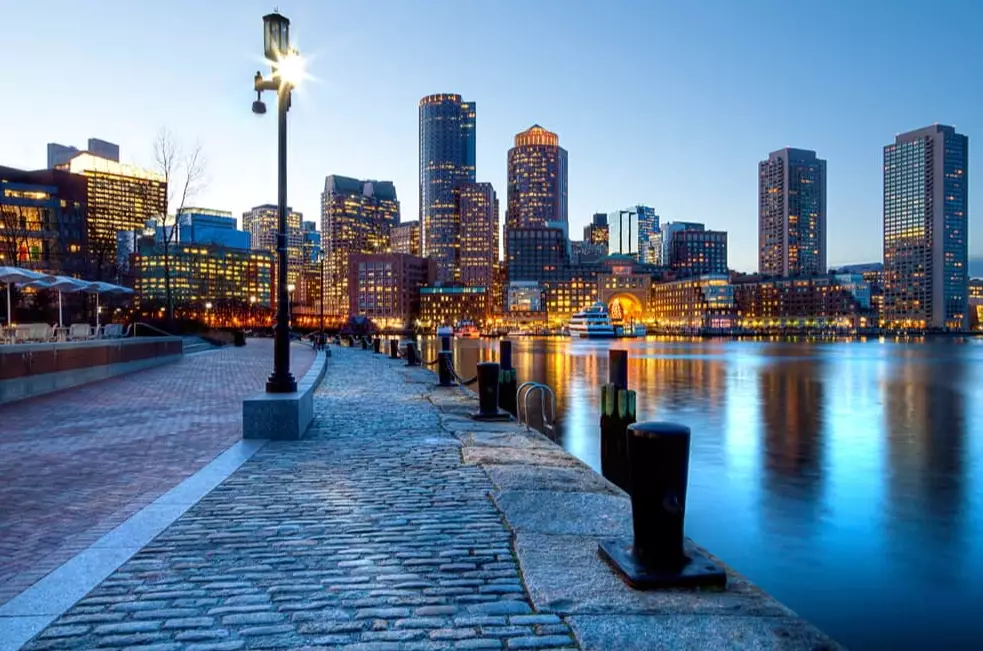
Practical Boston Travel Tips: Getting Around and Saving Money
Mastering the "T"
Boston's subway system (the MBTA, or "the T") is your best friend. It's not the prettiest or most modern, but it gets you where you need to go. Buy a CharlieCard (a reusable plastic card) at major stations instead of a paper CharlieTicket. It gives you a discount on each ride ($2.40 vs $2.80 as of this writing). A 1-day or 7-day LinkPass can be worth it if you'll be riding a lot. Google Maps or the MBTA's own app gives reliable real-time directions.
Saving on Attractions
- CityPASS or Go Boston Card: If you plan to hit several big-ticket items (like the Skywalk Observatory, New England Aquarium, Museum of Science), these bundled passes can save you 30-40%. Do the math based on your itinerary.
- Library Passes: Many local libraries offer museum passes you can reserve with your library card. It's a fantastic, little-known secret for deep discounts or even free entry.
- "Free" Hours: Several museums have weekly free or discounted admission times. The MFA is free on Wednesday afternoons for residents, but some community nights are open to all. The ICA is free on Thursday nights. Always check the attraction's "Plan Your Visit" page.
When to Visit
Fall (September-October) is glorious but crowded and expensive. Spring (late April-June) is lovely. Summer can be hot and humid, but full of festivals. Winter is cold, but you'll have places like the museums almost to yourself, and hotel prices drop. There's no bad time, just pack accordingly.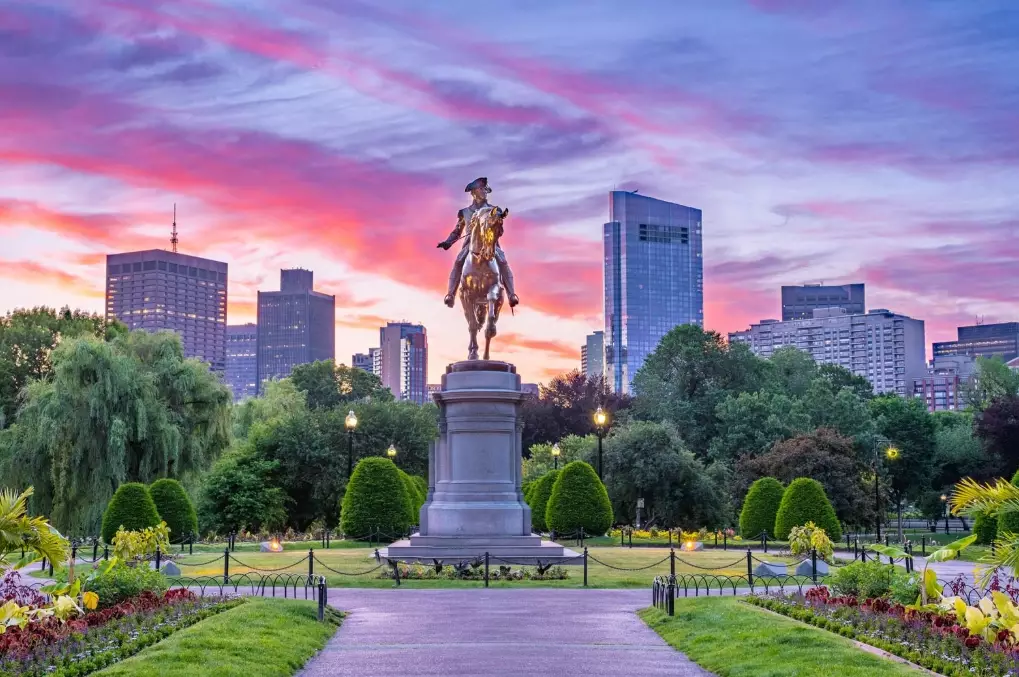
Your Boston Travel Questions Answered
What is the best way to experience the Freedom Trail without getting overwhelmed?
Is the Boston CityPASS worth it for a 3-day trip?
Where's the best area to stay in Boston for easy access to major attractions?
How walkable is Boston really, and when should I use public transit?
What's one underrated place to visit in Boston that most tourists skip?
Reader Comments