Let's cut to the chase. A road trip through California isn't just a vacation; it's a rite of passage. You've seen the pictures—Big Sur's cliffs, Yosemite's granite, Joshua Tree's weird trees. But planning the actual drive? That's where most guides fall short. They give you a list of places without telling you how to connect them, where to actually sleep, or how to avoid spending your entire trip stuck in traffic or searching for parking.
I've done this drive more times than I can count, in everything from a beat-up sedan to a rented campervan. I've made all the mistakes so you don't have to. This guide isn't about poetic descriptions of sunsets (you'll see plenty). It's the actionable, gritty, logistical blueprint for an unforgettable California road trip, whether you have one week or one month.
Your Road Trip Navigation
- How to Plan Your California Road Trip Itinerary
- Three Classic California Road Trip Routes
- The Iconic Coastal Highway 1 & Pacific Coast Highway
- The Sierras & Deserts Loop
- The North Coast & Redwoods Escape
- California Road Trip Logistics: Booking, Budget & Driving Tips
- California Road Trip FAQs: Your Questions Answered
How to Plan Your California Road Trip Itinerary
First, forget trying to see "all of California" in one go. The state is massive and diverse. The key is to pick a theme. Are you here for the ocean views, the mountain hikes, or the desert vibes? Your answer dictates your route.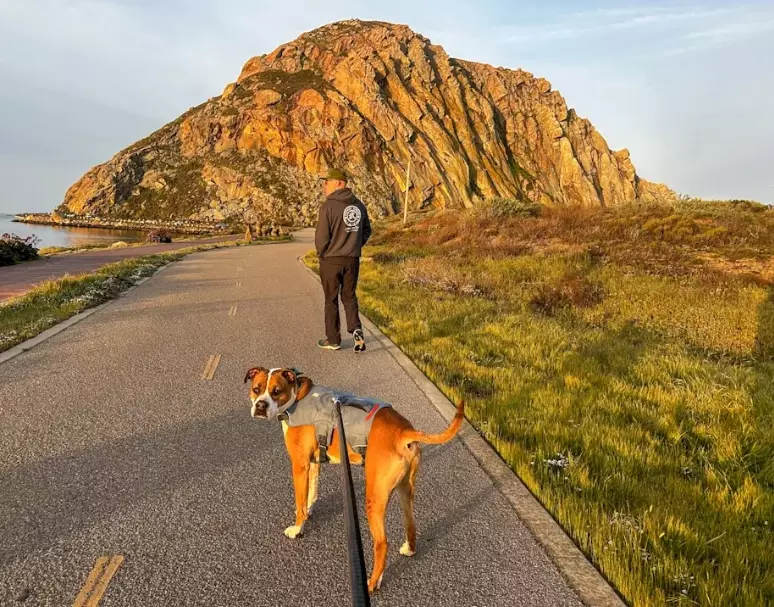
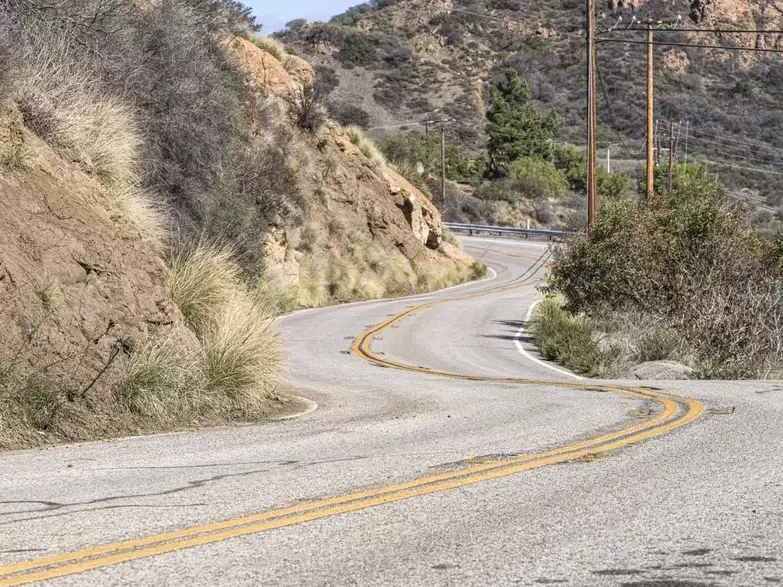
A common mistake is underestimating drive times. Google Maps will say "4 hours," but that's without stops for photos, food, traffic around LA or SF, and the simple fact that driving Highway 1 is slow and winding. You can't rush it. For a fulfilling trip, plan to drive no more than 4-5 hours on any given day, and cluster your overnight stops.
Pro Tip from a Decade of Drives: Book your first and last night's accommodation in the same city where you pick up and drop off your rental car. It saves you a huge, stressful, expensive one-way rental fee. Fly into San Francisco (SFO) and out of Los Angeles (LAX), or vice versa, only if you're absolutely committed to a one-way coastal drive and have budgeted for the hefty rental car drop-off charge (often $200+).
Three Classic California Road Trip Routes
Here are three battle-tested itineraries, from the world-famous to the wonderfully underrated.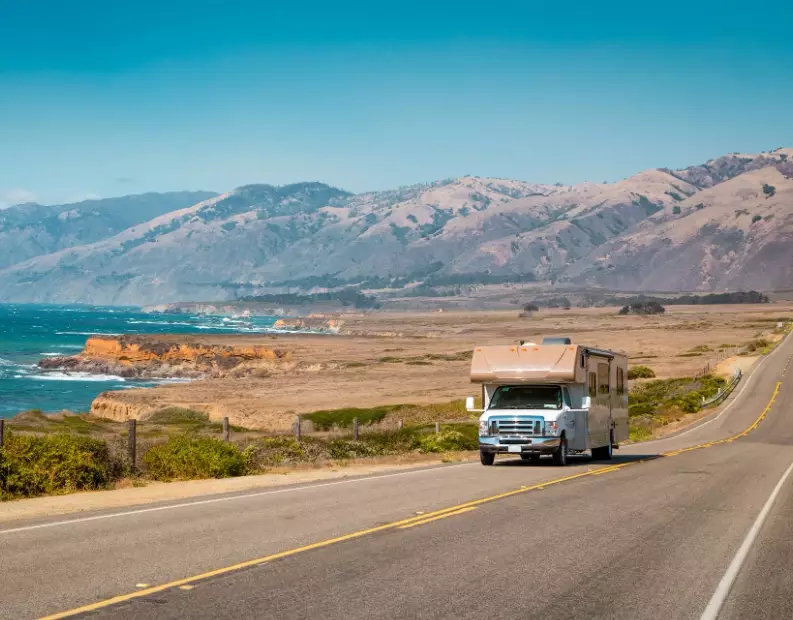
1. The Iconic Coastal Highway 1 & Pacific Coast Highway
This is the one everyone dreams of. It's stunning, but sections are often closed due to landslides (check Caltrans for current conditions). The classic stretch is from San Francisco to Los Angeles.
Sample 5-Day Itinerary (SF to LA):
- Day 1: SF to Monterey (2 hrs). Don't just drive through. Spend the afternoon at the Monterey Bay Aquarium (tickets: ~$60, book online) or kayaking in Elkhorn Slough.
- Day 2: Monterey to Big Sur (1-2 hrs). This is the money shot. Stop at Bixby Creek Bridge, hike at Pfeiffer Big Sur State Park ($10 day-use fee). Overnight in Big Sur is pricey; consider nearby Cambria for more options.
- Day 3: Big Sur to Santa Barbara (4-5 hrs). Visit Hearst Castle (requires advance reservation), then cruise into the Spanish-style charm of Santa Barbara. Stay near the Funk Zone for walkable wine tasting.
- Day 4: Santa Barbara to Malibu (1.5 hrs). A shorter drive day. Explore Santa Barbara's mission, then head down to Malibu for seafood at Neptune's Net (a biker and surfer institution) and a walk on El Matador Beach.
- Day 5: Malibu into Los Angeles (1 hr). Stop at the Getty Villa (free, reservation required) before diving into LA's chaos.
2. The Sierras & Deserts Loop
For those who prefer mountains and otherworldly landscapes to beaches. Start and end in Las Vegas (often cheaper flights) or Los Angeles.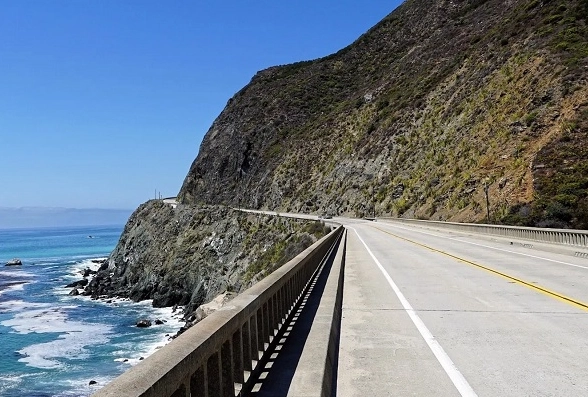
Key Stops & Logistics:
| Stop | Highlights & Tips | Where to Stay / Eat |
|---|---|---|
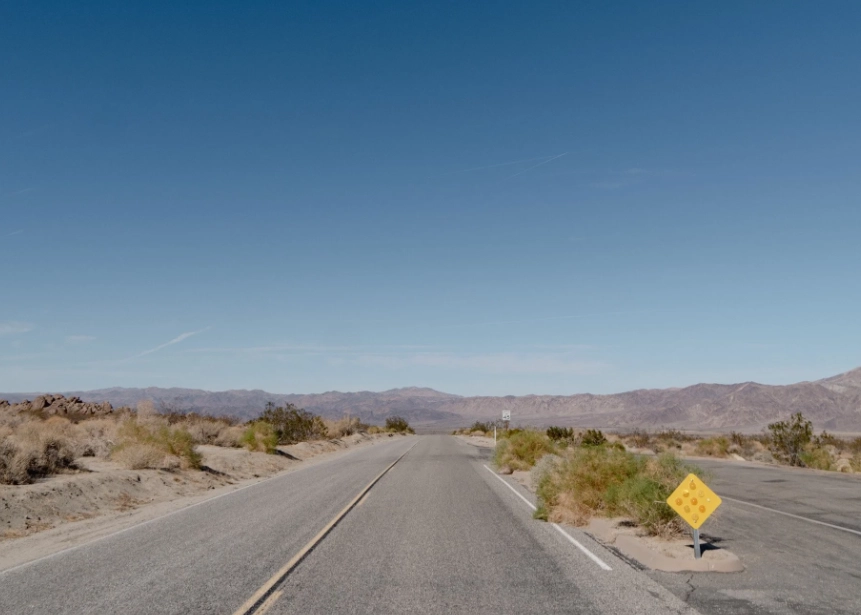
| Death Valley National Park | Visit in cooler months (Oct-Apr). Must-sees: Badwater Basin (lowest point in NA), Artist's Palette at sunset, Mesquite Flat Sand Dunes. Entrance: $30/vehicle (valid 7 days). | Staying inside the park at The Inn at Death Valley or The Ranch is convenient but books up a year ahead. Beatty, NV is a cheaper gateway town. |
| Mammoth Lakes | A mountain town year-round. In summer, hike to Devils Postpile National Monument and Rainbow Falls. Take the scenic Tioga Pass (CA-120) into Yosemite (open approx. May-Oct, check status). | Lots of condo and hotel options. For a great burger and beer, try Burgers Restaurant in town. |
| Yosemite National Park | You need a reservation to drive in during peak season (approx. April-Oct). Book the moment they're released. Tunnel View, Glacier Point, and hiking the Mist Trail to Vernal Fall are essentials. | Lodging in Yosemite Valley sells out instantly. Look at vacation rentals in Groveland (west side) or Lee Vining (east side, if Tioga Pass is open). |
| Sequoia & Kings Canyon NPs | See the giant trees without Yosemite's crowds. Walk the Congress Trail in the Giant Forest, see General Sherman Tree. Drive through the Tunnel Log. | Stay in the park at Wuksachi Lodge, or in the gateway town of Three Rivers. The Peaks Restaurant in Three Rivers has solid American fare. |
3. The North Coast & Redwoods Escape
This is my personal favorite for avoiding crowds. Fly into San Francisco and head north. It's greener, moodier, and profoundly peaceful.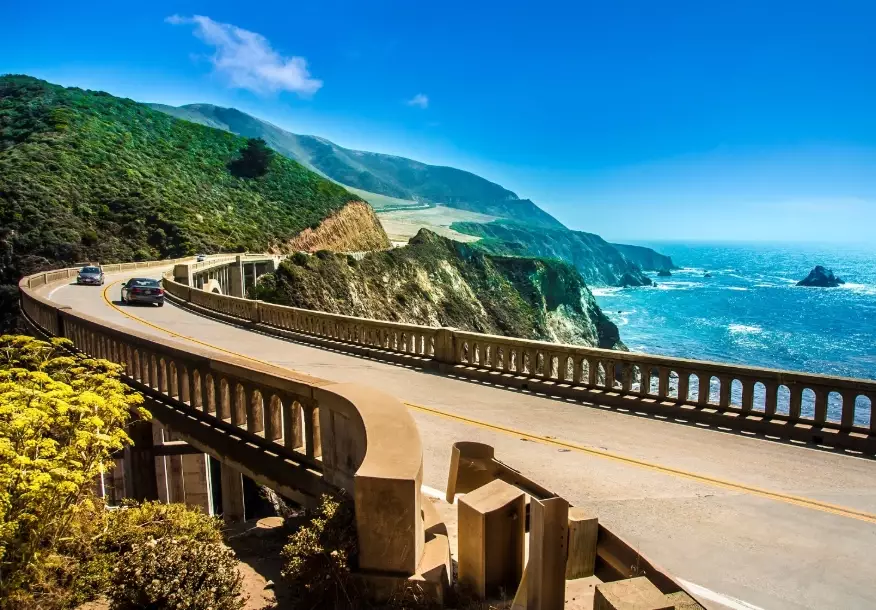
You'll drive the less-traveled part of Highway 1 and the famous Avenue of the Giants. Spend a day hiking in Redwood National and State Parks (free, unlike many national parks). Don't miss Fern Canyon, a slot canyon dripping with ferns (you may need a permit in summer). The town of Eureka has Victorian architecture, and Trinidad has stunning coastal views.
This route requires more flexibility as coastal fog can be thick. But when it clears, the empty beaches and ancient forests are magical.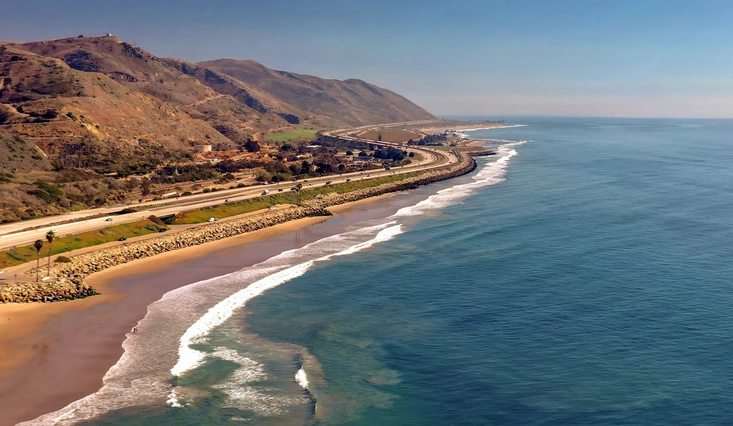
California Road Trip Logistics: Booking, Budget & Driving Tips
Let's talk nuts and bolts.
Rental Cars: Book early, especially for summer. An economy car is fine for most routes. You only need an SUV for snowy mountain passes in winter. Always check the insurance coverage your credit card provides before buying the rental company's expensive policy.
Budget Breakdown (Per Day, Mid-Range Travel for Two):
- Rental Car & Gas: $70 - $120 (gas is expensive in CA)
- Accommodation: $150 - $250 (motels, budget hotels, vacation rentals)
- Food: $80 - $150 (mix of grocery picnics and casual restaurants)
- Activities/Parking/Fees: $30 - $60
- Total Daily Estimate: $330 - $580. It adds up fast.
Avoiding Crowds (The User Pain Point): This is crucial. To escape the masses:
- Start your days early. Be at the major park entrance or scenic overlook by 8 AM.
- Visit popular spots on weekdays, not weekends.
- For coastal trips, consider going south-to-north (LA to SF). Most traffic flows the other way.
- Explore the "side" of a famous place. Instead of fighting for a spot in Carmel-by-the-Sea, stay in Pacific Grove. It's just as pretty and slightly less manicured.
Sustainable Travel (The Industry Hotspot): California is eco-conscious. You can contribute by:
- Using refillable water bottles. Tap water is generally safe.
- Staying on marked trails to protect fragile ecosystems.
- Choosing accommodations that have clear sustainability policies.
- Disposing of waste properly, especially in natural areas.
California Road Trip FAQs: Your Questions Answered
You need a minimum of 5-7 days to get a meaningful taste of one region, like the coast from SF to LA or a loop through Yosemite and Sequoia. With 10-14 days, you can combine regions more comfortably. Anything less than 5 days will feel rushed and mostly spent driving.
Late spring (May-June) and early fall (September-October) are the golden windows. You avoid summer's extreme inland heat, peak vacation crowds, and higher prices, while still having good weather and open mountain passes. Winter is great for the desert (Death Valley, Joshua Tree) but mountain roads like Tioga Pass will be closed.
It can be, but it doesn't have to break the bank. The biggest costs are the rental car and accommodation. To save: travel in the shoulder seasons, book lodging months in advance, cook some meals yourself, prioritize free activities (hiking, beaches, scenic drives), and share costs with travel companions. Camping is the ultimate budget option, but campgrounds in popular areas book up the second reservations open.
Overpacking the itinerary. They see the map and think, "We can hit LA, Sequoia, Yosemite, and Napa in 6 days!" It's geographically possible but miserable. You'll spend 6 hours driving every day and see nothing but the inside of your car. Pick one or two focal areas and explore them deeply. Depth beats breadth every time on a California road trip.
Only if you're committed to the RV lifestyle. They are expensive to rent and fuel, difficult to park in cities and at popular trailheads, and you still need to book RV campsites (which are also booked solid in peak season). For most people, a regular car + hotels/motels/vacation rentals offers more flexibility and is often cheaper.
Beyond the basics, support local. Eat at the family-owned taco stand instead of the chain, buy coffee from the local roaster, and book a tour with a small local operator. This keeps money in the communities you visit. Also, be fire-aware; follow all fire restrictions, especially in dry, forested areas.
Reader Comments