When most people think of tourist activities in Arizona, the Grand Canyon instantly comes to mind. It's a fair association—it's one of the planet's most staggering sights. But after a decade of exploring every corner of this state, I can tell you that fixating solely on the Canyon is the biggest mistake first-time visitors make. Arizona is a land of radical contrasts: fiery red rocks, sprawling saguaro forests, pine-covered mountains, and cities buzzing with art and history. This guide isn't just a list; it's a blueprint for experiencing the depth of Arizona, from the non-negotiable icons to the spots most tourists drive right past.
Your Arizona Adventure Awaits: Quick Navigation
The Unmissable Natural Wonders
Let's start with the heavy hitters. These are the landscapes that define Arizona's postcard image. Planning is key here—these places are popular for a reason.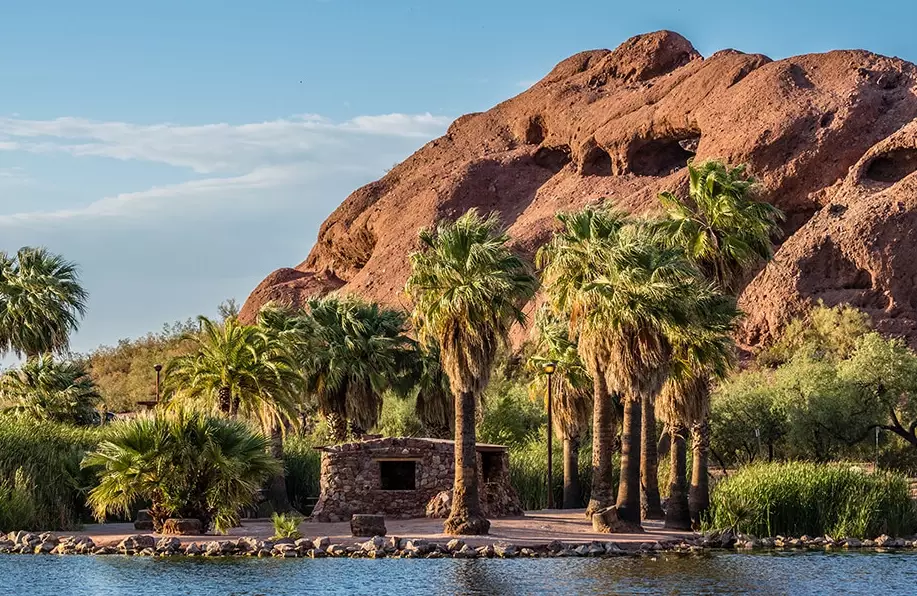
Grand Canyon National Park (South Rim)
The South Rim is the main, year-round entrance. The first view from Mather Point genuinely can leave you speechless. A common pitfall? People budget only a few hours. The scale is incomprehensible until you're there. To truly feel it, you need time.
Grand Canyon South Rim Essentials
Address: South Entrance Station, AZ-64, Grand Canyon, AZ 86023. Vehicle Pass: $35 (valid 7 days). Open: 24/7, year-round. Pro Tip: Parking fills by 9 AM. Use the free, efficient shuttle bus system that runs along Hermit Road (Red Route) and the Village area (Blue Route). Book lodging in the park months in advance, or stay in Tusayan, just outside the gate.
Hiking below the rim changes everything. The Bright Angel Trail is the most maintained, but even a short descent reveals new layers of rock and silence. Don't be the person in flip-flops attempting to hike to the river and back in a day—it's a brutal, dangerous climb out.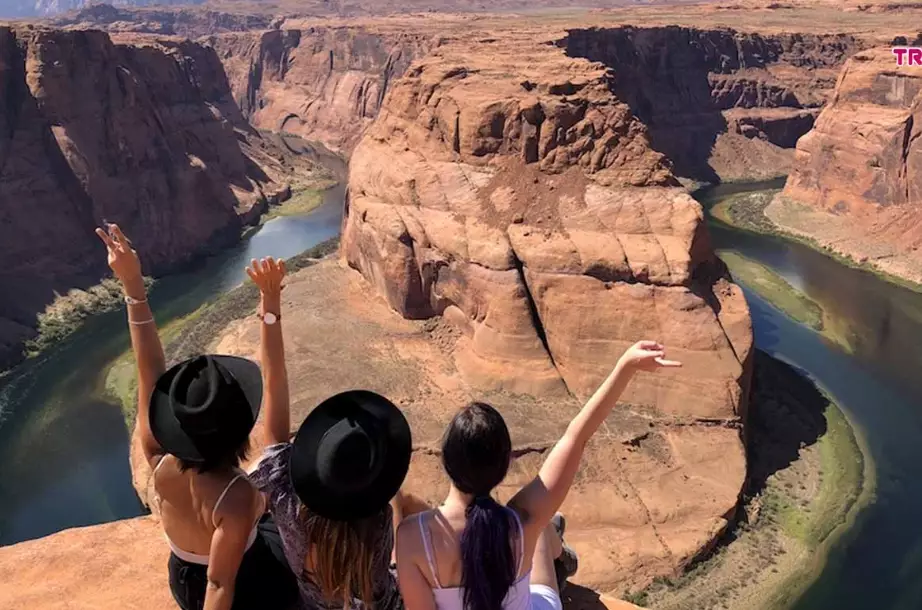
Monument Valley Navajo Tribal Park
This isn't a U.S. National Park; it's within the Navajo Nation. The iconic view of the Mittens and Merrick Butte from the visitor center is just the start. The 17-mile self-driving loop on a dusty, red dirt road is the real experience. It's rough, slow, and utterly magnificent. You'll recognize it from countless Westerns.
For a deeper look, book a guided tour with a Navajo guide. They can take you to areas closed to self-drive vehicles and share stories of the land you simply won't get otherwise. I recommend a sunset tour—the way the last light hits the sandstone is pure magic.
Antelope Canyon (Upper & Lower)
You've seen the photos: beams of light slicing through undulating, narrow sandstone walls. It's real, but it's a tightly controlled operation. You must book a guided tour with an authorized operator. Upper Antelope Canyon (The Crack) is more famous for light beams, while Lower Antelope Canyon (The Corkscrew) involves climbing ladders and feels more adventurous.
| Feature | Upper Antelope Canyon | Lower Antelope Canyon |
|---|---|---|
| Access | Flat, sandy floor | Requires stair and ladder descent |
| Best for Photos | Midday light beams (Spring/Summer) | More varied shapes & angles |
| Crowd Level | Typically higher | Slightly less congested |
| Tour Operators | Multiple in Page, AZ | Multiple in Page, AZ |
While in Page, don't miss Horseshoe Bend. It's a short, sandy hike from a large parking lot (fee: $10). The overlook is unfenced, so be careful.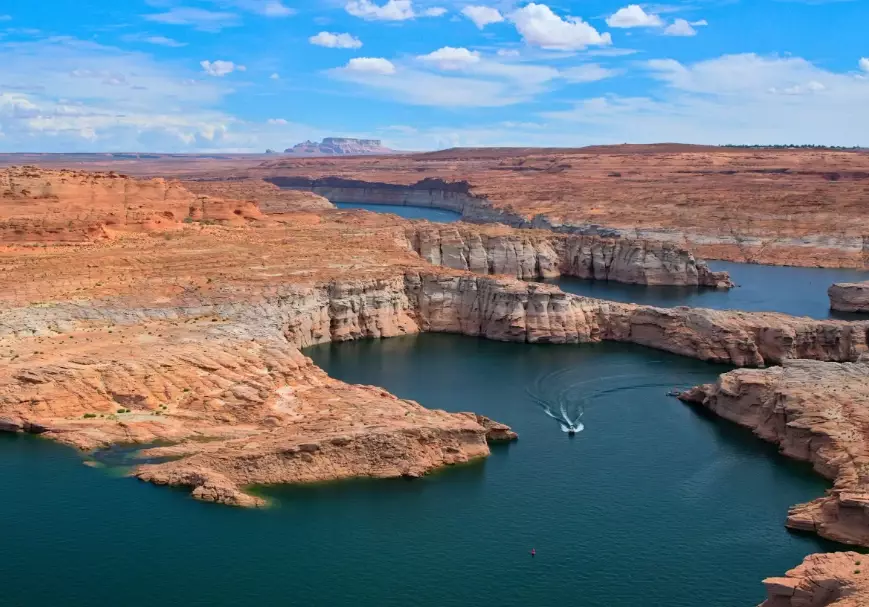
Cultural & Urban Experiences
Arizona's soul isn't just in its rocks. Its towns and cities blend Native American, Hispanic, and Old West influences into something unique.
Sedona's Vortexes & Red Rock Country
Sedona is where spirituality meets stunning geology. The "vortexes" are said to be centers of energy. Whether you buy into that or not, hikes like Cathedral Rock (a moderate but steep scramble) or Bell Rock offer breathtaking 360-degree views. The town itself is a mix of art galleries, crystal shops, and excellent restaurants. Traffic on State Route 179 can be brutal, so plan to arrive early for popular trailheads.
Tucson's Sonoran Desert & History
Tucson feels different—more relaxed, deeply rooted in desert life. The Arizona-Sonora Desert Museum (2021 N. Kinney Road) is part zoo, part botanical garden, part natural history museum, and utterly fantastic. Saguaro National Park flanks the city, with its iconic forests of giant cacti. The historic Mission San Xavier del Bac, a stunning white Spanish mission, is a working church and a must-see.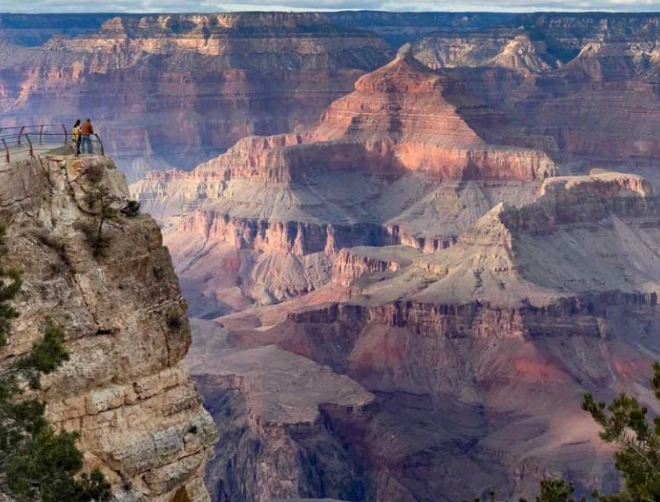
Downtown Phoenix & Scottsdale Arts Scene
Phoenix is sprawling, but its downtown core has revitalized. The Roosevelt Row arts district is great for galleries and murals. For a deep dive into Native cultures, the Heard Museum (2301 N. Central Ave) is world-class, with heartbreaking and powerful exhibits on the boarding school era. Next door in Scottsdale, the Frank Lloyd Wright-inspired Taliesin West offers fascinating architecture tours.
Thrill-Seeker's Adventure Activities
If sitting in a car isn't your style, Arizona delivers adrenaline.
Hiking & Backpacking: Beyond the famous spots, try the wave-like formations of The Wave (Coyote Buttes North, permit lottery required) or the lush waterfall oasis of Havasu Falls (a demanding 10-mile hike, permit essential).
White-Water Rafting: The Colorado River through the Grand Canyon is the ultimate multi-day expedition. For a shorter, thrilling trip, the Salt River near Phoenix has excellent spring and early summer runs.
Stargazing: Arizona has some of the darkest skies in the U.S. Flagstaff is the world's first International Dark Sky City. Join a guided star party or just pull over on a remote highway, turn off your lights, and look up. The clarity of the Milky Way is humbling.
Off-Roading: Rent a Jeep in Sedona or explore the rugged backcountry around Tombstone. It's a fun way to access viewpoints few see.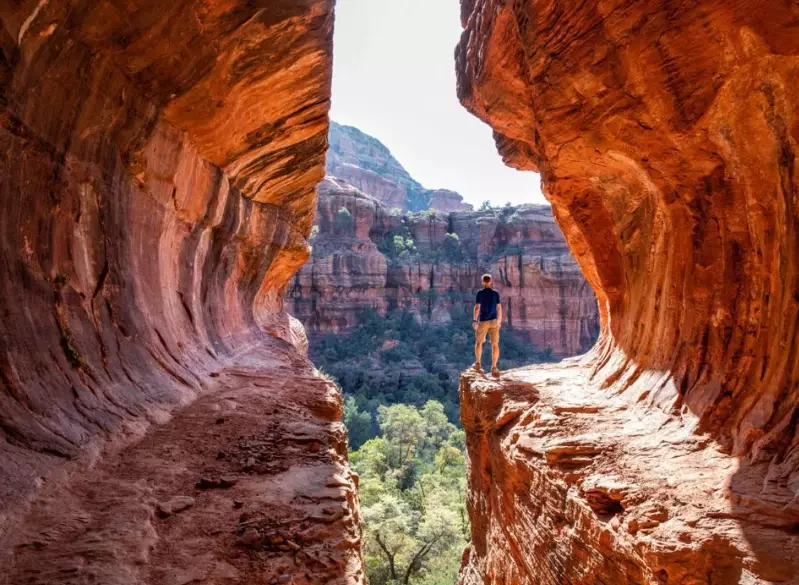
Building Your Trip: Sample Itineraries
Here’s how to stitch these activities together. Distances are vast, so don't overpack your days.
The Classic Arizona Highlights (7 Days)
Days 1-2: Phoenix arrival. Explore Desert Botanical Garden, Heard Museum. Drive to Sedona (2 hrs). Hike Cathedral Rock at sunset.
Day 3: Morning in Sedona. Drive to Grand Canyon South Rim (2.5 hrs). Watch sunset at Hopi Point.
Day 4: Grand Canyon day. Hike partway down Bright Angel Trail, shuttle along Hermit Road.
Day 5: Drive to Page (2.5 hrs). Tour Antelope Canyon, visit Horseshoe Bend.
Day 6: Drive to Monument Valley (2 hrs). Do the scenic drive, take a guided tour.
Day 7: Return to Phoenix via scenic route through Navajo Nation (6+ hrs).
The Arizona Deep Dive (10-14 Days)
Follow the 7-day itinerary, then add:
Extension to Tucson: From Phoenix, head south to Saguaro National Park and the Arizona-Sonora Desert Museum (2 days).
Northern Loop: From Page, head east to the Four Corners monument, then south to Canyon de Chelly National Monument (another Navajo Tribal Park with incredible cliff dwellings), then back west through the Painted Desert and Petrified Forest National Park.
When to Visit: A Seasonal Guide
Timing is everything in the desert.
Spring (March-May) & Fall (September-November): The absolute sweet spot. Daytime temperatures are pleasant (60s-80s°F), nights are cool. Wildflowers bloom in spring. This is peak season—book everything early.
Summer (June-August): It's brutally hot in the low deserts (Phoenix, Tucson) with temperatures regularly exceeding 110°F. However, it's the best time for high-country activities. The Grand Canyon South Rim and Flagstaff are 20-30 degrees cooler and perfect. Monsoon storms (July-August) bring dramatic lightning but flash flood risks in slot canyons—never enter if rain is forecast.
Winter (December-February): Mild and sunny in the deserts, ideal for hiking. The Grand Canyon's South Rim is open but can have snow and ice; the North Rim is closed. It's a great time for cultural sites and avoiding crowds.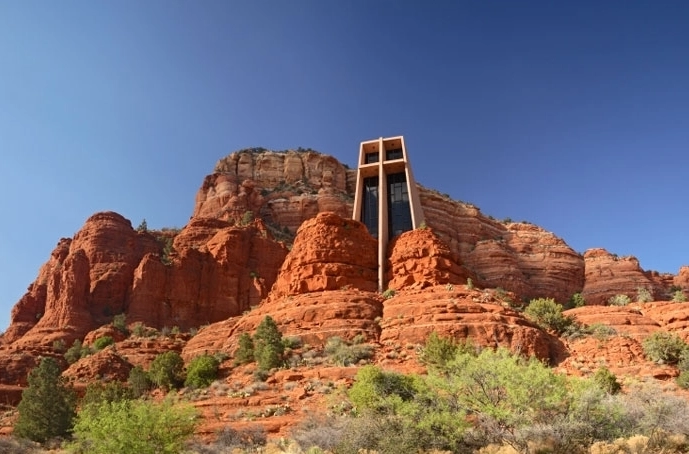
Reader Comments