You're thinking about Nepal, and your mind probably jumps straight to Everest. That's fair. But let me tell you, after spending months there over the years, Nepal is a country that slaps you in the face with diversity. It's not a one-trick pony. Sure, the Himalayas are the headliner, but the supporting acts—the chaotic, spiritual energy of Kathmandu, the serene lakes of Pokhara, the wild jungles of Chitwan—are what make the show unforgettable. This guide isn't just a list; it's a practical blueprint from someone who's gotten lost in Thamel, haggled for a pashmina, and learned the hard way about altitude. We're going to break down exactly what to do in Nepal, with the nitty-gritty details you need to actually plan your trip.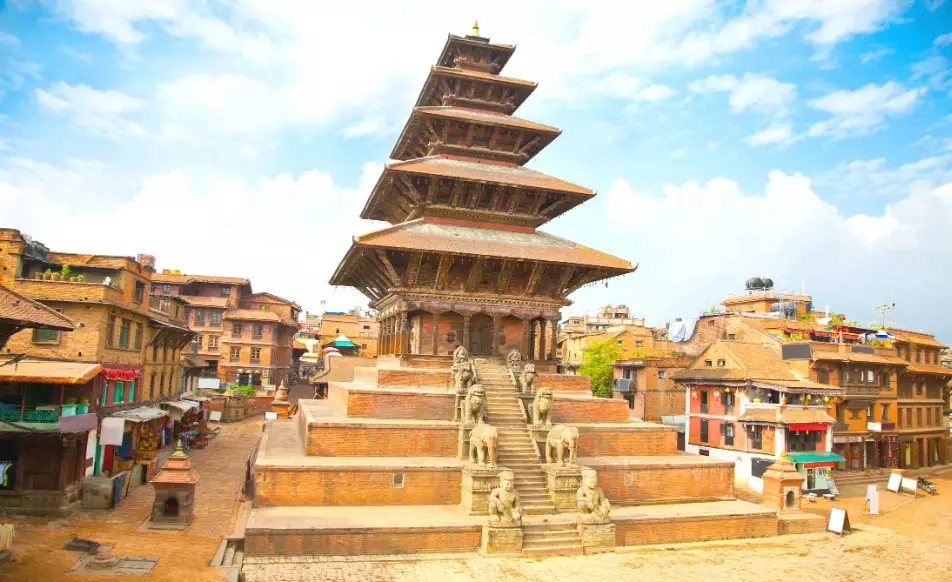
Your Quick Nepal Adventure Map
Kathmandu Valley: Temples, Traffic & Timeless Culture
Flying into Tribhuvan International Airport is an experience. The first thing that hits you isn't the mountain air—it's the organized chaos of Kathmandu. Don't fight it. Embrace it. This valley is the cultural heart of Nepal, and to see it properly, you need to understand its three ancient kingdoms: Kathmandu, Patan, and Bhaktapur. Each has its own Durbar Square, and yes, you should see all three. They're different.
Navigating the Three Durbar Squares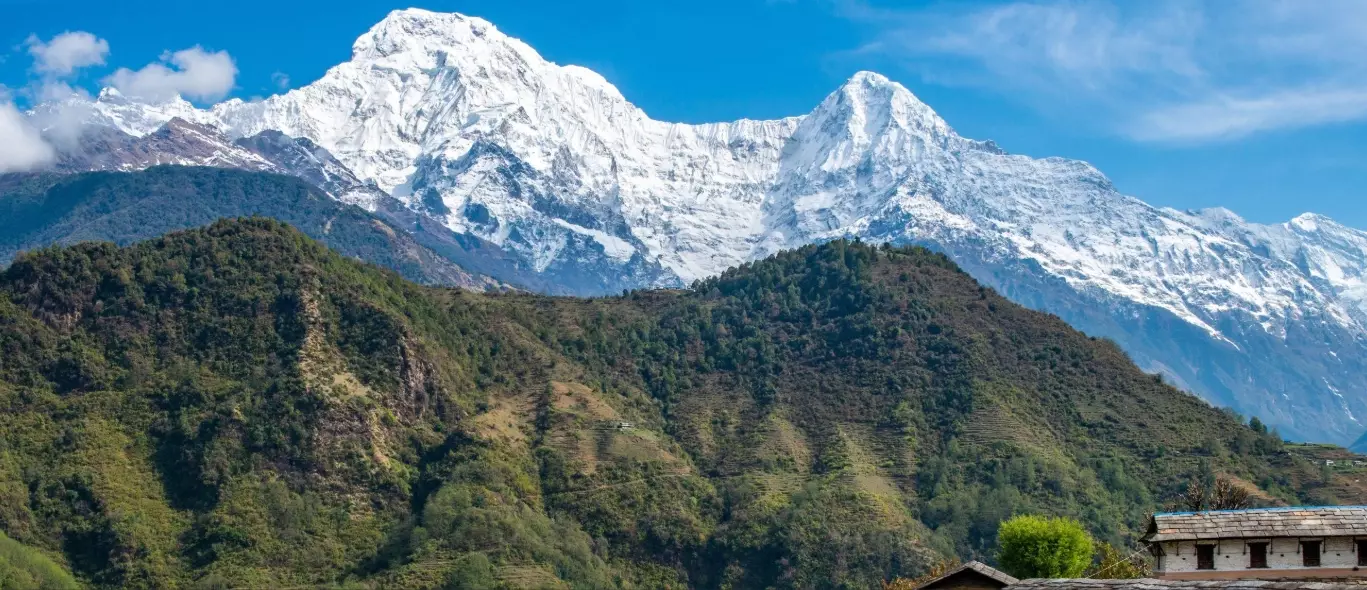
Here’s the lowdown on each square. Don't just snap a photo and leave. Sit on the steps, watch the pigeons, observe the locals going about their day amidst centuries-old architecture.
| City & Square | Key Attraction | Entrance Fee (Foreigner) | Getting There from Thamel | Don't Miss |
|---|---|---|---|---|
| Kathmandu Durbar Square | Kumari Ghar (Living Goddess) | ~1,500 NPR (Included in combo ticket) | 20-min walk or short taxi ride (~300 NPR) | The intricate wood carvings on Kasthamandap. Time your visit for a potential glimpse of the Kumari at her window. |
| Patan Durbar Square | Patan Museum (World-class) | ~1,500 NPR (Combo ticket) | 30-min taxi (~500 NPR) or local bus from Ratna Park | The museum is arguably the best in Nepal. The golden temple (Hiranya Varna Mahavihar) just outside the square. |
| Bhaktapur Durbar Square | 55-Window Palace & Pottery Square | ~1,800 NPR (Combo ticket) | 1-hour taxi (~1,200 NPR) or local bus from Ratna Park | It feels less hectic. Wander the back alleys to see potters at work. Try the famous juju dhau (king curd). |
Beyond the squares, two spiritual landmarks define the skyline. Swayambhunath (Monkey Temple) is a steep climb up 365 steps, guarded by mischievous monkeys. The view of the sprawling city is worth every step. Go at sunrise or sunset. Boudhanath Stupa is different—a massive, serene mandala. After the 2015 earthquake, its restoration was a national priority, and today it's stunning. Join the pilgrims walking clockwise, spinning the prayer wheels. The atmosphere at dusk, with butter lamps glowing and chants echoing, is pure magic.
A common mistake? Trying to do all this in one frantic day. You'll get temple fatigue. Spread it over two or three days. Use taxis or ride-sharing apps like Pathao for short hops. The traffic is legendary, so factor that in.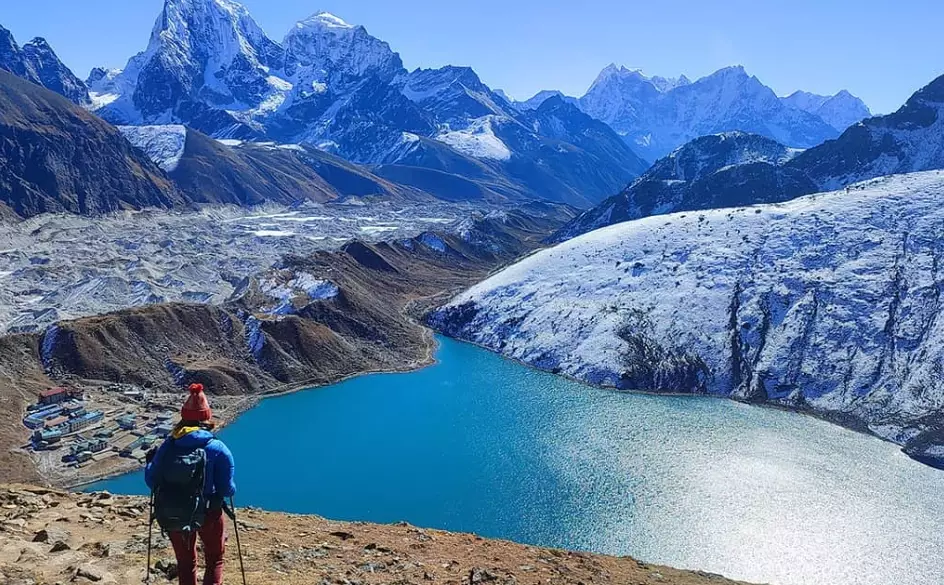
Pokhara: Your Adventure & Relaxation Base
If Kathmandu is the buzzing brain, Pokhara is the relaxed heart. The flight or 6-8 hour tourist bus ride (book a seat on the left for mountain views) brings you to a different Nepal. Phewa Lake is the centerpiece, with the Annapurna range dramatically framing the north. This is where treks begin and end, but you don't have to be a hardcore hiker to enjoy it.
Top Things to Do in Pokhara (No Trekking Required)
Paragliding over Sarangkot: This isn't just a tick-box activity. Soaring with a tandem pilot over the lake and villages with the Himalayas as a backdrop is transformative. Operators like Sunrise Paragliding or Avia Club Nepal are reputable. Cost: $100-$130 for a 20-30 minute flight. Book directly at their lakeside offices for better rates than through your hotel.
Boating on Phewa Lake: Rent a colorful rowboat or a paddle boat from the lakeshore (Fewa Boat Club area). Paddle to the Tal Barahi Temple on the island. It's peaceful, cheap (a few hundred rupees per hour), and the perfect way to spend a lazy afternoon.
World Peace Pagoda Hike: A moderate 1-1.5 hour uphill walk from the lakeside (or a short taxi to the trailhead). The white stupa offers arguably the best panoramic view of Pokhara, the lake, and the Annapurnas. Go early to avoid the heat and crowds.
Exploring the Old Bazaar: Most tourists stick to Lakeside, but the old market area, a 15-minute taxi ride away, feels authentic. It's a maze of spice shops, metalworkers, and traditional houses.
Chitwan: A Jungle Safari Unlike Any Other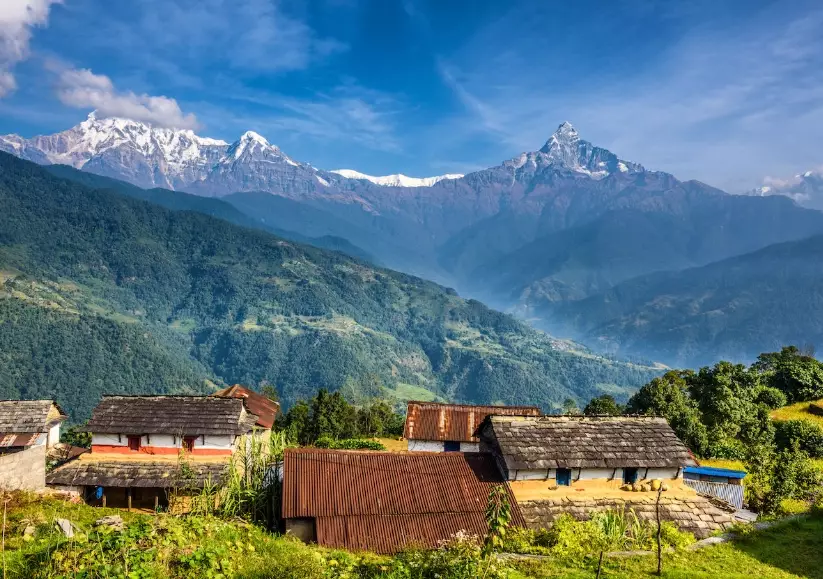
From the mountains to the lowland Terai. Chitwan National Park, a UNESCO site, swaps snow for sal forests and rhinos. A 5-6 hour bus ride from Pokhara or Kathmandu lands you in Sauraha or Tharu villages on the park's edge.
Forget jeep-only safaris. The most immersive way to experience Chitwan is a combination safari. A typical 2-day/1-night package from a lodge includes:
- Elephant Back Safari (or 4x4 Jeep): The traditional method lets you get surprisingly close to wildlife. Ethically, many now prefer jeeps, which are also available.
- Canoe Ride on the Rapti River: A silent drift past crocodiles (gharials and muggers) and water birds.
- Jungle Walk with a Guide: This is the real deal. Your guide reads tracks, smells, and sounds. Spotting a rhino on foot is a heart-pounding thrill. Always follow your guide's instructions.
- Tharu Cultural Show: The indigenous Tharu community performs traditional stick dances in the evening.
Reputable lodges like Chitwan Jungle Lodge or Island Jungle Resort offer all-inclusive packages. Expect to pay $120-$200 per person for a good quality 2-day experience, including meals, activities, and park fees. Book directly with the lodge via email.
More Unique Nepal Experiences You Can't Miss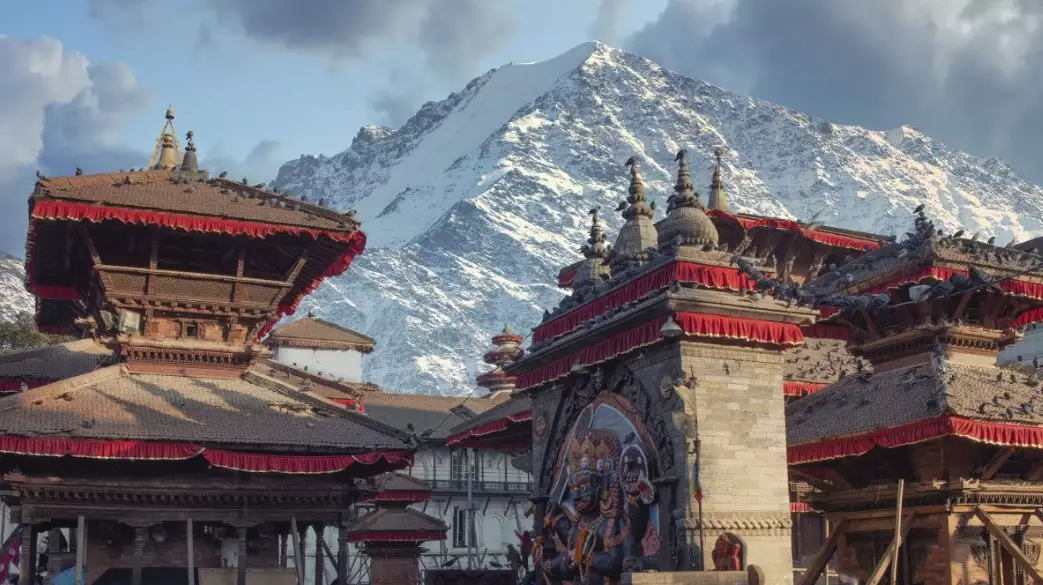
Now for the activities that often fly under the radar but leave a lasting impression.
Take a Cooking Class in Kathmandu: Don't just eat momos, learn to make them. Classes like those offered by Nepali Cooking Class in Patan take you to a local market first, then teach you to cook 4-5 dishes in a family home. It's a delicious cultural exchange and you get a recipe booklet to take home. Cost: ~$25 per person.
Volunteer for a Morning at a Monastery: Organizations like the Kopan Monastery in Kathmandu sometimes welcome visitors for morning meditation or teaching English sessions. It's respectful and insightful. Email in advance to inquire.
Mountain Flight for Non-Trekkers: If you can't trek to Everest, this is your solution. Airlines like Buddha Air and Yeti Airlines offer one-hour scenic flights that cruise right past Everest, Lhotse, and Makalu. You're guaranteed a window seat. It's pricey ($200+), but for many, it's the ultimate bucket-list item. Book directly on their websites for the best schedules.
Visit Lumbini, the Birthplace of Buddha: It's a long journey (a full day's travel from Pokhara/Kathmandu), but for those interested in Buddhism, it's profound. The sacred garden, Maya Devi Temple, and monasteries built by various countries create a unique, peaceful international zone.
Nepal Travel: Your Burning Questions Answered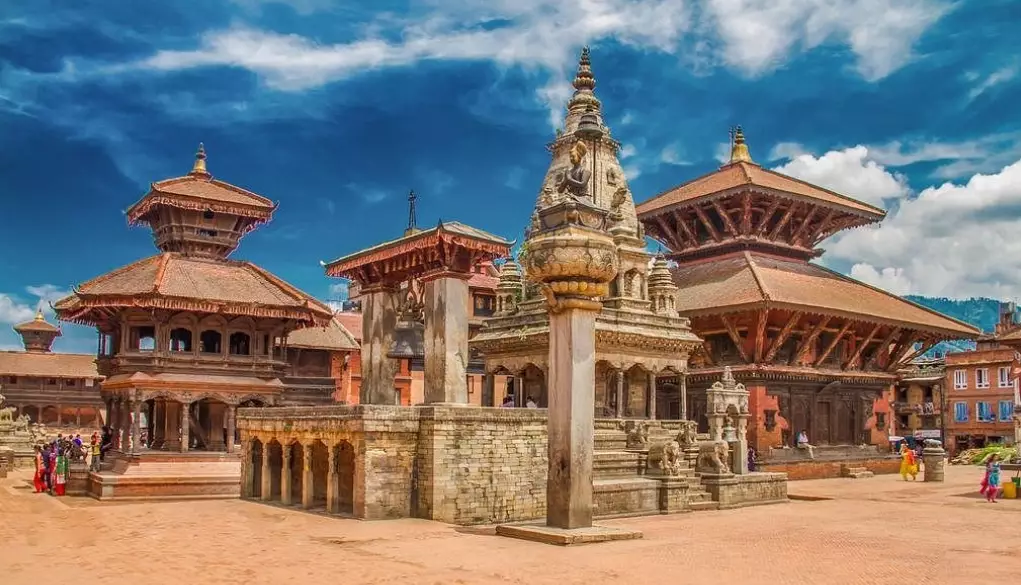
Generally, yes. Nepali people are incredibly hospitable. I've traveled solo there extensively. The key is common sense and cultural awareness. Dress modestly (cover shoulders and knees), especially outside tourist areas. Avoid walking alone in poorly lit areas at night. In cities, use ride-sharing apps (Pathao, Tootle) for transparent pricing. In teahouses on popular treks, you'll find a community of travelers. Trust your instincts, but don't let fear stop you—it's a rewarding destination for solo explorers.
Underestimating travel time and overpacking their itinerary. Distances on a map look short, but the winding mountain roads are slow. Kathmandu to Pokhara is 200km but takes 6-8 hours by road. Trying to squeeze in Chitwan, Pokhara, and a trek from Kathmandu in a week will leave you exhausted and mostly on a bus. Pick one or two regions and explore them deeply. For a 10-day trip, I'd recommend Kathmandu Valley (3 days), Pokhara & a short trek like Poon Hill (5 days), and travel days (2 days).
 Do I need a guide for trekking in Nepal?
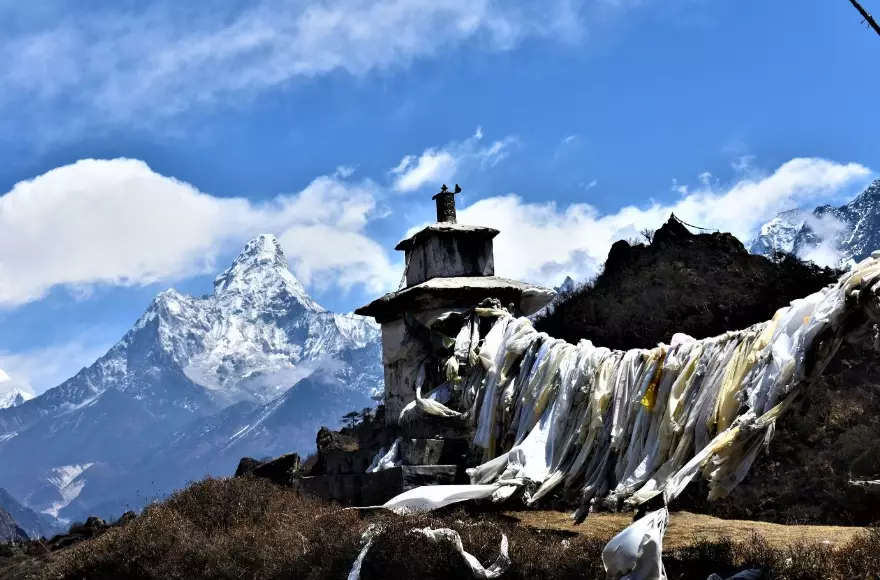
For major treks like Everest Base Camp or Annapurna Circuit, hiring a guide and/or porter through a registered company is highly recommended, not just for safety but for the cultural insight and logistical support. For shorter, popular treks like Ghorepani Poon Hill, the trail is well-marked and teahouses abundant, so experienced trekkers can go independently. However, a local guide will share stories about the villages and mountains you'd never learn on your own. It also injects money directly into the local economy. Check if your chosen company is a member of the Trekking Agencies' Association of Nepal (TAAN).
The post-monsoon months of October and November are prime. The skies are crystal clear, the mountains are visible, the air is fresh, and it's festival season (Dashain, Tihar). The second-best window is March to April (spring), when the rhododendrons are in bloom. December to February can be very cold, especially at altitude, but it's great for Chitwan and cultural tours. The monsoon (June-September) makes trekking muddy and leech-ridden and obscures mountain views, though it's lush and quiet.