Let's cut to the chase. You're planning a trip to Yellowstone National Park, the world's first national park, and you're staring at a map wondering where to even begin. With over 2.2 million acres, five park entrances, and more geothermal features than anywhere else on Earth, it's overwhelming. I've been visiting for years, and I still discover new corners. This guide isn't just a list. It's a curated walkthrough of the absolute best things to see in Yellowstone, packed with the logistical nitty-gritty and insider tips you need to actually enjoy them, not just check them off a list.
Your Yellowstone Sightseeing Jump-Start
The Geothermal Showstoppers You Can't Skip
This is why you come to Yellowstone. The heat beneath your feet powers an unbelievable display. But not all geysers and hot springs are created equal.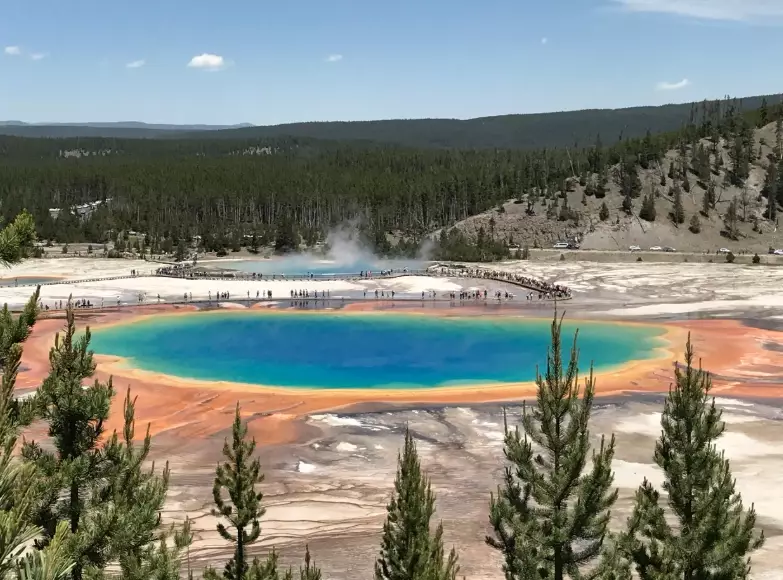
1. Old Faithful & the Upper Geyser Basin
Yes, it's crowded. Yes, it's touristy. You still have to see it. Old Faithful's predictability is its superpower—you can plan your day around it. The eruption schedule is posted at the Old Faithful Visitor Center, typically every 90 minutes or so.
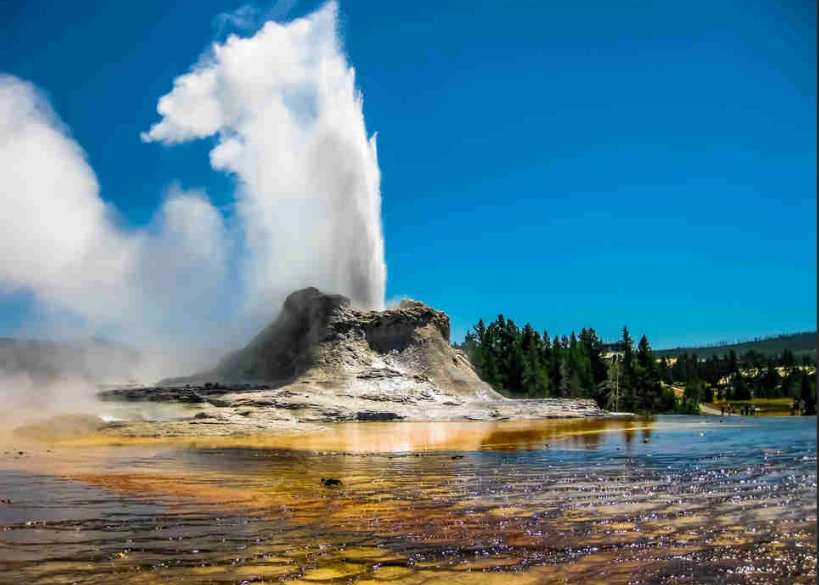
Here's the mistake most first-timers make: they watch the eruption from the crowded boardwalk benches and leave. The real magic is in the Upper Geyser Basin that surrounds it. Spend two hours walking the boardwalk loops. You'll see the stunning, sapphire-blue waters of Morning Glory Pool (though its colors have faded from decades of trash—a sad but important lesson), the explosive potential of Castle Geyser with its massive cone, and the bizarre, gurgling chaos of the Mud Volcano area on the other side of the park.
2. Grand Prismatic Spring
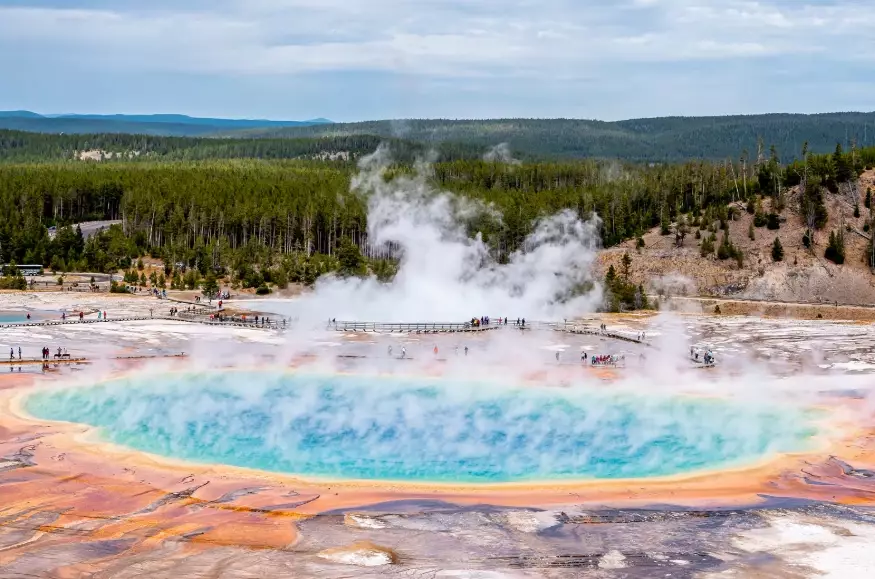
This is the single most photographed feature in Yellowstone, and for good reason. It looks like a chemical spill painted by a psychedelic artist. The vibrant rings of orange, yellow, and green (thermophilic bacteria) surround a deep, steaming blue center.
The boardwalk view is impressive, but it's at ground level. You're staring across the steam, often missing the full scale. For the iconic overhead view, you need to hike the Grand Prismatic Overlook trail. It's a moderate, 1.6-mile round trip from the Fairy Falls parking lot. Go on a sunny, cool day when the steam is minimal. Midday is best for the colors.
I once went at 7 AM in September. The steam was so thick I saw nothing but white vapor. Lesson learned.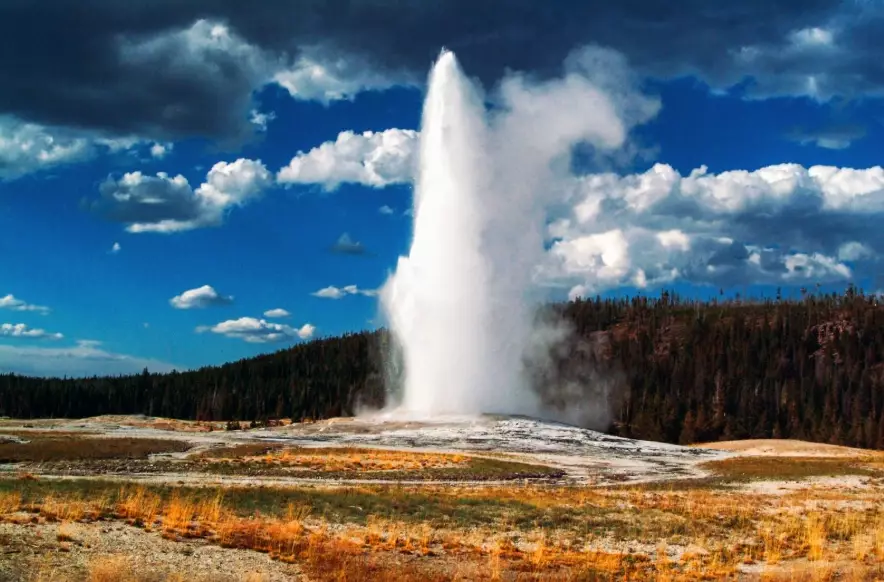
3. Norris Geyser Basin
If you want to feel the raw, untamed power of Yellowstone, come here. Norris is the hottest, most acidic, and most dynamic geyser basin. It feels more alien. Steamboat Geyser, the world's tallest active geyser, lives here. Its major eruptions are unpredictable and rare (sometimes years apart), shooting water over 300 feet. But even when it's not erupting, it constantly churns out powerful jets of steam.
The Porcelain Basin section has minimal tree cover—it's a stark, white landscape of steaming vents and turquoise pools. The heat is intense. The smell of sulfur is strong. This isn't a gentle walk in the park; it's a visit to another planet.
Canyons, Rivers, and Thundering Waterfalls
People forget Yellowstone isn't just about heat. The water that flows above ground carves some of the park's most dramatic landscapes.
The Grand Canyon of the Yellowstone
This 20-mile long, 1,000-foot deep canyon will stop you in your tracks. The yellow-colored rhyolite cliffs give the park its name. The star here is the Lower Falls. At 308 feet, it's nearly twice as tall as Niagara.
Artist Point on the South Rim gives the classic, postcard-perfect frontal view. Brink of the Lower Falls on the North Rim lets you stand right at the top and feel the spray and thunder. They offer completely different experiences. Do both if you can.
A pro tip? Visit Inspiration Point just before sunset. The low light sets the canyon walls on fire with orange and red hues. Fewer people, more magic.
Lamar Valley: The "Serengeti of North America"
This isn't a single sight; it's an experience. In the park's northeast corner, the wide, grassy Lamar Valley is prime wildlife territory. You don't just see animals here; you see drama.
Dawn and dusk are prime time. Bring binoculars or a spotting scope. You'll see herds of bison so large they cause "bison jams" on the road. Elk are common. Coyotes trot through the meadows. And if you're incredibly lucky, you might spot the holy grail: wolves. Seeing a wolf pack requires patience, luck, and often joining one of the groups of wildlife watchers with giant scopes set up along the road—they're usually happy to let you take a peek.
Making It Happen: Tickets, Timing, and Routes
Knowing what to see is half the battle. The other half is navigating the park's sheer size and popularity.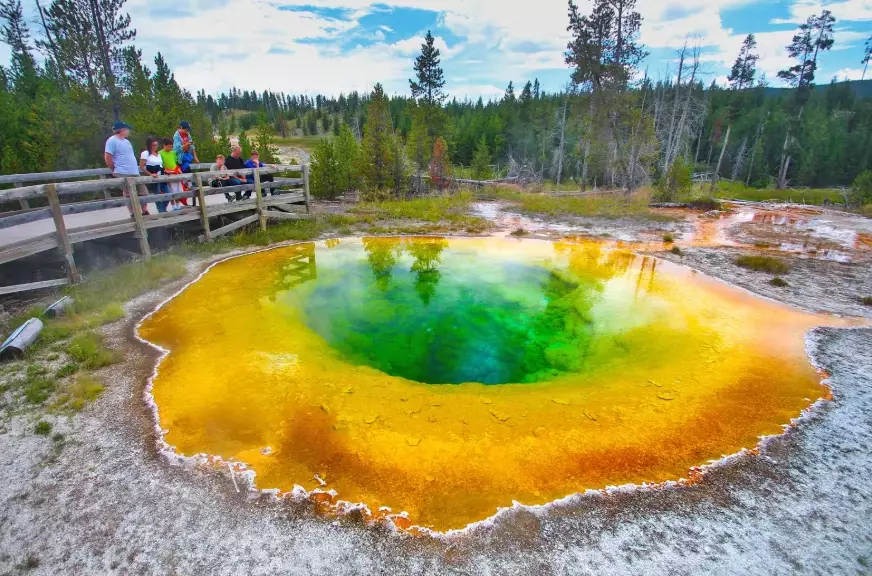
Ticket & Pass Info: A private, non-commercial vehicle pass costs $35 and is valid for 7 days. The America the Beautiful Annual Pass ($80) is a steal if you plan to visit more than two national parks in a year. Purchase at any entrance station.
Getting Around: You need a car. There's no efficient park-wide shuttle system. The Grand Loop Road is a 142-mile figure-eight that connects most major sights, but expect slow going. Average speed is 45 mph, and wildlife jams or construction can bring you to a standstill.
| Park Entrance | Closest Major Town | Best For Access To... | Notes |
|---|---|---|---|
| West Entrance | West Yellowstone, MT | Old Faithful, Madison Junction | Most popular entrance, can have very long lines in summer. |
| North Entrance | Gardiner, MT | Mammoth Hot Springs, Lamar Valley | Only entrance open year-round to regular vehicles. |
| Northeast Entrance | Cooke City, MT | Lamar Valley, Tower-Roosevelt | Scenic Beartooth Highway access. |
| East Entrance | Cody, WY | Yellowstone Lake, Fishing Bridge | Beautiful drive from Cody. |
| South Entrance | Jackson, WY | Grant Village, West Thumb | Connects to Grand Teton National Park. |
Beyond the Brochure: Pro Tips for a Better Visit
This is the stuff I've learned the hard way.
- Reverse Your Schedule. Everyone hits Old Faithful and the Canyon between 10 AM and 4 PM. Go to Lamar Valley at dawn, then work your way backwards to the Canyon in the late afternoon. You'll have more space.
- Download the NPS App. Cell service is spotty. Download the official NPS app and the Yellowstone map for offline use. It's a lifesaver for navigation and finding facilities.
- Pack for All Weather. I've seen snow in July. Layers are non-negotiable. A rain jacket, warm hat, and sunscreen should always be in your daypack.
- Book Lodging Way in Advance. Inside-park lodges like the Old Faithful Inn or Canyon Lodge sell out a year ahead for summer. If you're late, look at gateway towns like West Yellowstone or Gardiner.
- Respect the Distance. The park is huge. Driving from Old Faithful to the Lamar Valley can take 3+ hours with stops. Don't try to see everything in one day. Pick one or two regions per day.
Your Yellowstone Questions, Answered
 Is it safe to hike around the geysers off the boardwalk?