Let's get straight to it. The US East Coast isn't a single destination; it's a sprawling, diverse corridor of American life, history, and landscape, stretching over 2,000 miles from the rocky cliffs of Maine to the tropical keys of Florida. Most guides just list New York, Washington D.C., and Miami. They're missing the point. The real magic happens in the transitions—the colonial villages between Boston and NYC, the wild beaches south of the Carolinas' resorts, the mountain towns clinging to the Appalachians. I've driven this coast more times than I can count, in every season, and I still find new corners that surprise me. This guide is about seeing the big icons smartly and discovering the spaces in between that most tourists speed past on I-95.
Your East Coast Adventure Awaits: Jump to a Section
- The Urban Heartbeats: Major Cities Decoded
- Beyond City Limits: Nature's Atlantic Playground
- The Food Journey: From Chowder to Key Lime Pie
- How to Build Your East Coast Itinerary
- East Coast Travel on a Budget (It's Possible)
- Understanding Local Culture & Vibe by Region
- A Seasonal Guide: When to Go and Why
- Your East Coast Trip Questions Answered
The Urban Heartbeats: Major Cities Decoded
Yes, you'll probably hit a major city. Here’s how to do it without drowning in crowds or missing the authentic pulse.
New York City: Beyond Times Square
The mistake everyone makes is trying to "do" Manhattan in three days. You'll just be exhausted. Pick a borough and explore it deeply. Spend a morning in the Whitney Museum (99 Gansevoort St, NYC; $25, open Thu-Mon 10:30am-6pm, Fri till 10pm) then walk the High Line without the midday crush. For a real neighborhood feel, take the 7 train to Sunnyside, Queens for incredible Balkan food at Djerdan Burek (43-07 48th Ave) – a $5 burek that beats any overpriced deli sandwich. Getting around? The subway is your friend, but get a MetroCard or use OMNY tap-to-pay. Avoid cabs during rush hour (4-7pm) unless you enjoy watching a meter climb.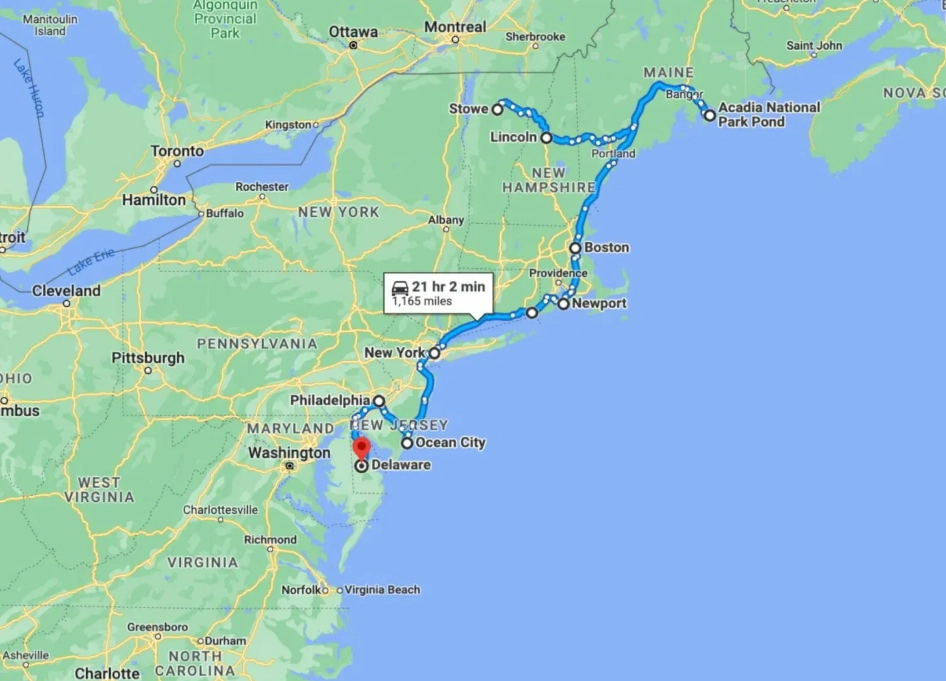
Washington D.C.: Free Doesn't Mean Easy
The Smithsonian museums are free, but that leads to packed galleries. Go right at opening (10am) or after 2pm when school groups leave. A pro tip? The National Gallery of Art's Sculpture Garden (Constitution Ave NW) is a serene escape, and its cafe is reasonably priced. For a powerful, less-visited experience, book a timed entry pass (free, but required) for the United States Holocaust Memorial Museum (100 Raoul Wallenberg Pl SW). It's somber but essential. D.C.'s food scene is underrated—skip the chain restaurants near the Mall and head to the Shaw district for half-smokes at Ben's Chili Bowl or modern Ethiopian on 9th Street.
| City | Can't-Miss (Non-Cliché) | Neighborhood to Explore | Best Transit Tip |
|---|---|---|---|
| Boston, MA | Isabella Stewart Gardner Museum (25 Evans Way, $20) - feels like a Venetian palace. | Jamaica Plain. Local breweries, pond-side paths, quirky shops. | Walk the Freedom Trail backwards from Bunker Hill to avoid crowds. |
| Philadelphia, PA | Reading Terminal Market (12th & Arch Sts). Go for lunch, but skip the famous cheesesteak lines—try the roast pork at DiNic's. | Fishtown. Incredible street art, indie music venues, craft cocktails. | Indego bike share is great for covering the flat grid between Old City and the Museum of Art. |
| Charleston, SC | Walk the Battery at sunrise. The pastel mansions glow, it's quiet, and the heat hasn't set in. | North Central. Up-and-coming, with great cafes and fewer horse carriages. | Free downtown shuttle (DASH) covers most historic areas. Parking is a nightmare—use it. |
| Savannah, GA | Bonaventure Cemetery (330 Bonaventure Rd). Hauntingly beautiful, best visited with a guide for the stories. | Starland District. The creative hub with vintage stores and coffee shops. | The city is made for walking. Use the free ferry to cross the Savannah River to Hutchinson Island. |
| Miami, FL | Vizcaya Museum & Gardens (3251 S Miami Ave, $25). A European-style estate that feels utterly surreal in Miami. | Little Havana. Not just for photos—smell the cigars, play dominoes in Maximo Gomez Park, eat at Versailles. | Bright red Metromover is free and connects downtown areas. To the beaches? Use the cheaper bus or rideshare. |
Beyond City Limits: Nature's Atlantic Playground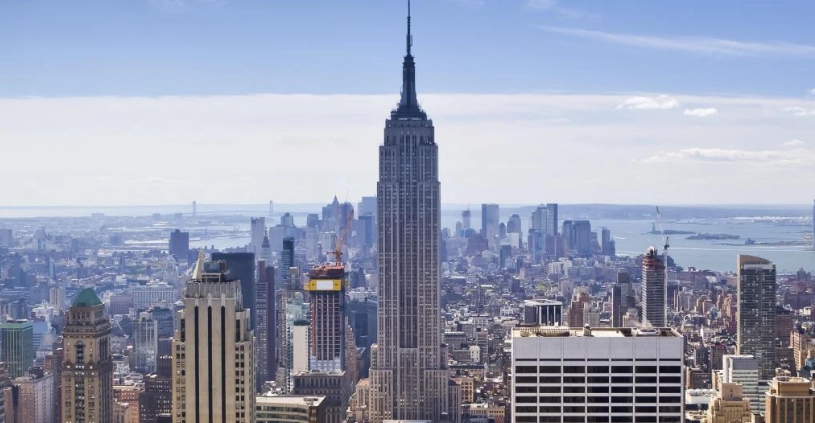
If you only see cities, you've missed half the East Coast. The Atlantic shoreline changes character every few hundred miles.
In Acadia National Park, Maine (vehicle pass $35), most people crowd Cadillac Mountain for sunrise. You need a reservation for that now. My move? Hike the Beehive Trail (iron rung ladder climb, not for the faint-hearted) early, then have popovers at the Jordan Pond House in the late morning. Stay in nearby Bar Harbor, but book months ahead for summer.
Down in the Outer Banks, North Carolina, you can escape the condo resorts of Nags Head by heading south to Ocracoke Island (accessible by free ferry). It's a world apart—wild beaches, a tiny village with pirate history (Blackbeard was killed here), and dark skies perfect for stargazing. No fast-food chains in sight.
The Florida Keys are a road trip in themselves. US-1, the Overseas Highway, is the destination. Don't rush to Key West. Stop at Bahia Honda State Park (Mile Marker 37, Big Pine Key; $8 per vehicle) for what might be the best beach in Florida. Snorkel, kayak, or just stare at the old railroad bridge ruins. In Key West, Duval Street is a party, but the real charm is in the conch-style houses and backyard gardens of the quieter streets like Fleming or Southard.
The Food Journey: From Chowder to Key Lime Pie
The East Coast's food story is a history lesson on a plate. It's immigration, trade routes, and local agriculture.
- New England: It's not just clam chowder. Try a lobster roll—both the Maine style (cold with mayo) and Connecticut style (hot with butter) are worth the debate. In Portland, ME, the food truck scene is insane.
- The Mid-Atlantic: Philadelphia's roast pork sandwich is, in my controversial opinion, superior to its cheesesteak. Maryland's crab cakes should be minimal filler, maximum jumbo lump crab meat. Eat them near the source.
- The Lowcountry (SC/GA): This is shrimp and grits territory. The grits should be stone-ground and creamy. Also, seek out she-crab soup and benne seed wafers. In Charleston, Hyman's Seafood is touristy but reliable; for a more local spot, try The Darling Oyster Bar.
- Florida: Beyond Cuban sandwiches in Miami, you have Minorcan clam chowder (spicy!) in St. Augustine, and of course, Key lime pie. The real deal is yellow, not green, and tart, not overly sweet.
How to Build Your East Coast Itinerary
You can't see it all in one go. Don't try. Pick a theme.
The Classic 10-Day Road Trip: Boston to Washington D.C.
This covers huge cultural shifts in a manageable drive. Days 1-2: Boston. History, seafood, maybe a Red Sox game. Day 3: Drive to Newport, RI (1.5 hrs). Tour the Gilded Age mansions like The Breakers. Day 4: Drive to New York City (3.5 hrs). Use a hotel outside Manhattan (Jersey City, Long Island City) for better value. Days 5-6: NYC. One day for Lower Manhattan/Brooklyn, one for Midtown/museums. Day 7: Drive to Philadelphia (2 hrs). Do the historic core and Reading Terminal Market. Day 8: Drive through Lancaster Amish Country (brief stop) to Baltimore (3 hrs total). Inner Harbor is okay, but go to Fells Point for character. Days 9-10: Washington D.C. (1 hr from Baltimore). Focus on 2-3 Smithsonian museums and the monuments at night.
This pace is brisk. For a more relaxed version, cut one city.
The Sunshine & History Loop: Charleston, Savannah, St. Augustine
Fly into Charleston, SC. Days 1-3: Charleston. Plantation tours (McLeod focuses on enslaved people's history), Fort Sumter, endless good food. Day 4: Drive to Savannah (2 hrs). Wander the squares, take a ghost tour. Days 5-6: Savannah. Day trip to Tybee Island beach. Day 7: Drive south to St. Augustine, FL (3.5 hrs). The oldest city in the US feels like a slice of Spain. Day 8: St. Augustine. Castillo de San Marcos, Flagler College tour. Fly out of Jacksonville (JAX) or drive to Orlando for flights.
East Coast Travel on a Budget (It's Possible)
The Northeast Corridor is expensive. Here's how to fight back.
Use regional budget airlines like Breeze Airways or Avelo for point-to-point hops (e.g., Hartford to Charleston) instead of a massive one-way rental car drop fee. For trains, Amtrak is comfortable but book at least a month out for "Saver" fares. The bus is the real budget champ: FlixBus and Megabus have modern coaches with Wi-Fi on major routes for sometimes under $20.
Accommodation is the killer. Beyond hotels, look at:
- University dorms: Many rent rooms in summer (Boston, NYC, New Haven).
- State park cabins: From the Adirondacks to Florida, these are cheap and in amazing locations. Book 6-11 months ahead.
- Hostels: Not just for backpackers. HI hostels in major cities are clean, social, and central.
Eat your main meal at lunch. Many high-end restaurants have fantastic lunch prix-fixe menus for half the dinner price. Food trucks and public markets are your friends.
Understanding Local Culture & Vibe by Region
This isn't one place. The pace, the manners, the priorities change.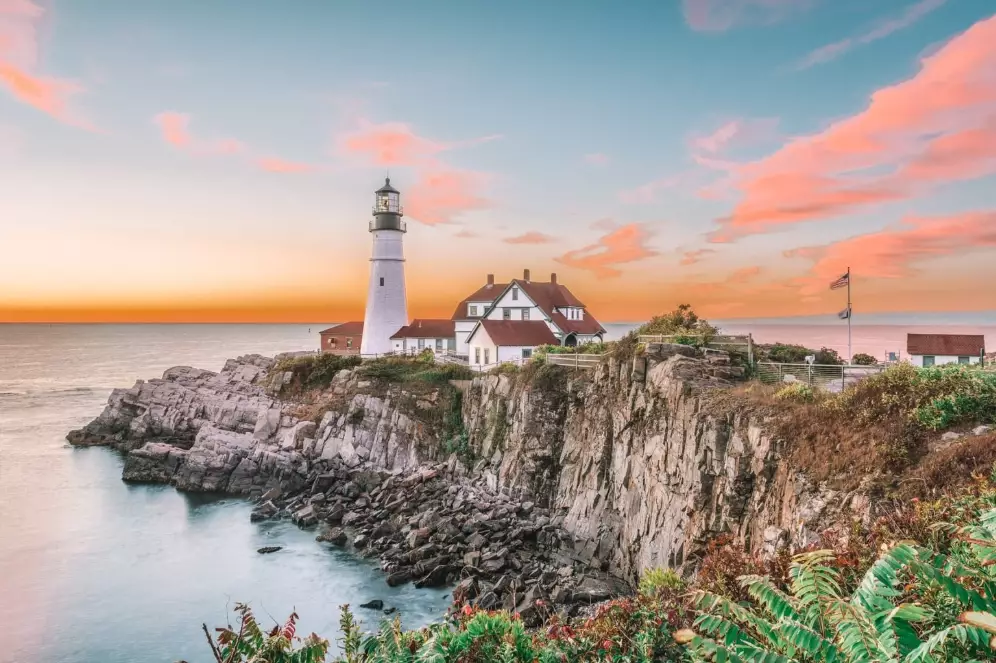
New England is reserved, private, and values self-reliance. Don't expect effusive greetings. Service can be brisk but efficient. It's not rude; it's direct. The Mid-Atlantic is fast-paced, ambitious, and diverse. In NYC and D.C., time is a currency. Be clear and quick in interactions. The Southeast Coastal region (Carolinas, Georgia) practices classic Southern hospitality. Politeness is paramount. "Bless your heart" can be sincere or an insult. Slow down, say "yes ma'am/sir" if it feels natural, and appreciate the art of conversation.
A Seasonal Guide: When to Go and Why
Fall (Sept-Oct): The crown jewel. New England foliage is legendary (peak is late Sept in NH/VT, mid-Oct further south). Crowded and pricey, but worth it once. Weather is perfect. Winter (Dec-Feb): Northern cities are cold but magical around holidays. Florida and the Caribbean are in high season—warm but expensive. Ski country in Vermont/New Hampshire is buzzing. Spring (Mar-May): My favorite shoulder season. DC's cherry blossoms (late Mar/early Apr), mild temperatures south to north. Beaches start to warm up by May. Summer (Jun-Aug): Hot, humid, and crowded everywhere. Beach destinations are packed. Mountains and coastal Maine offer some relief. Book everything far in advance.
Your East Coast Trip Questions Answered
What's the biggest mistake first-timers make when planning an East Coast USA trip?
Trying to cover too much ground. They plot Boston, NYC, Philly, D.C., and Florida on a 10-day map. That's a recipe for spending your entire vacation in traffic or airport security lines. You'll see nothing deeply. Pick a region—either the Northeast Corridor or the Southeast Coast—and explore it properly. Depth over breadth every time.
Is an East Coast road trip better than flying between cities?
It depends on your tolerance for driving and your timeline. Boston to D.C. is a very manageable drive with interesting stops. Adding Florida to that mix makes it a marathon. For a linear trip covering more than 500 miles, consider a hybrid approach: fly into a major hub (e.g., Boston), rent a car, drive one-way to another hub (e.g., D.C.), and fly out. This avoids a costly and time-consuming return drive. Always check one-way rental car fees first—they can be prohibitive.
Where are the best spots to avoid the intense summer crowds on the East Coast?
Head for the mountains or the less-hyped islands. Instead of the Hamptons, consider the North Fork of Long Island. Instead of Cape Cod, look at Rhode Island's Block Island or Maine's Deer Isle. The Appalachian Trail corridor through Shenandoah National Park or the White Mountains offers cooler temperatures and stunning hikes. Also, any major city on a summer weekend is often quieter, as locals head to the shore.
How can I experience the historical sites without just looking at old buildings?
Seek out the living history museums and lesser-known sites with engaging storytelling. In Williamsburg, VA, talk to the costumed interpreters—ask them tough questions about daily life and politics. In Boston, follow the Black Heritage Trail instead of just the Freedom Trail. In St. Augustine, visit Fort Mose, the first free Black settlement in what's now the USA. Context is everything. Read a short history book or listen to a podcast about the era before you go—it transforms bricks and mortar into a vivid story.