Let's be honest. When you think of cities in Spain, your mind probably jumps straight to Barcelona's Sagrada Familia or Madrid's Prado Museum. Those are fantastic, sure. But Spain's urban tapestry is so much richer, woven with cities that feel like open-air museums, culinary powerhouses, and seaside escapes where life moves at a different pace. Picking where to go can be paralyzing. I've spent years living in and traveling across this country, and the biggest mistake I see is travelers trying to cram too many spots into one trip, ending up exhausted and missing the point entirely. Spain isn't a checklist; it's a feeling. This guide cuts through the noise to help you find the Spanish cities that match your travel style, whether you're a history buff, a foodie, or just want to get lost in authentic local life.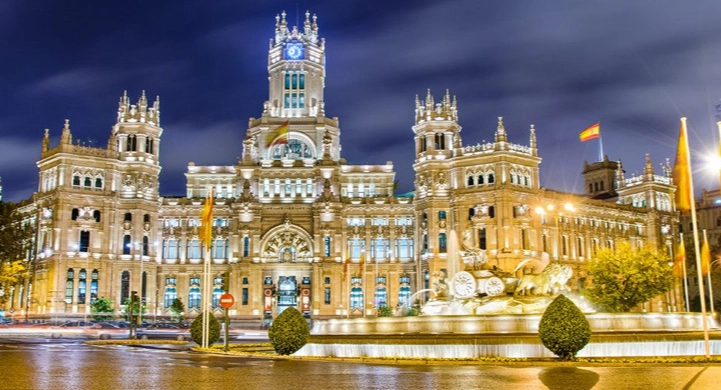
Your Spanish City Navigation
The Great Debate: Madrid or Barcelona?
You'll have to pick a side eventually. Most international flights land at one of these hubs, and they represent two very different souls of Spain.
Madrid is the unapologetic capital. It's grand, bustling, and feels more "Spanish" in a traditional sense. The energy is intense and bureaucratic by day, vibrant and social by night. Think world-class art museums within walking distance of each other, sprawling parks like Retiro, and a tapas scene that's less about fancy presentations and more about standing at a crowded bar with a caña (small beer) and a plate of jamón.
Barcelona is the Mediterranean dreamer. It's stylish, architectural, and fiercely Catalan. The vibe is creative, slightly chaotic, and deeply connected to the sea. Gaudí's fingerprints are everywhere, the food leans towards fresh seafood and paella, and the Gothic Quarter feels like a maze from a different century.
Here’s a quick breakdown to help you decide:
| Factor | Madrid | Barcelona |
|---|---|---|
| Vibe | Imperial capital, traditional, lively nightlife | Creative, cosmopolitan, beach-town energy |
| Top Attraction | Museo Nacional del Prado (Classical art) | Basílica de la Sagrada Familia (Modernist architecture) |
| Food Scene | Classic tapas bars, cocido madrileño stew | Seafood, paella, innovative tapas |
| Best For | Art lovers, night owls, experiencing "pure" Spain | Architecture fans, beachcombing, design shopping |
| A Local's Tip | Skip the overpriced Plaza Mayor restaurants. Head to the La Latina or Malasaña neighborhoods for authentic, buzzing tapas bars. | Book Sagrada Familia tickets weeks in advance online. The on-site queue is a guaranteed waste of 2+ hours. |
My take? If you have time, do both. They're connected by a frequent high-speed train (Renfe AVE) that takes just 2.5 hours. If you must choose, ask yourself: do you want classical art and regal history, or whimsical architecture and sea breezes?
Three Iconic Spanish Cities You Can't Miss
Beyond the big two, these cities are pillars of Spanish culture and history. They're popular for a reason, but with the right approach, you can experience their magic without just following the tourist herd.
Madrid: The Heart of Spain
Madrid doesn't have a single iconic monument like other capitals. Its power is cumulative. Spend a day in the "Golden Triangle of Art": the Prado (Goya, Velázquez), the Reina Sofía (Picasso's Guernica), and the Thyssen-Bornemisza. All are within a 10-minute walk. The Prado's general admission is €15, and it's free Monday to Saturday 6-8pm & Sunday 5-7pm – it gets packed, but it's worth it. Address: Paseo del Prado, s/n.
For a real local experience, join the Sunday ritual of El Rastro, a massive open-air flea market in La Latina. Afterwards, hop between tapas bars on Cava Baja street. Try Mesón del Champiñón (Cava de San Miguel, 17) for their famous grilled mushrooms – it's cramped, loud, and perfect.
Where to stay? For luxury, the Hotel Ritz Madrid (Plaza de la Lealtad, 5) is historic. For a cool, central vibe, Hotel Único Madrid (Claudio Coello, 67) in Salamanca is excellent. Budget travelers should look at the Ok Hostel Madrid in Lavapiés – it's social and has a great rooftop.
Barcelona: Gaudí's Playground
Yes, see the Sagrada Familia (book that ticket NOW). But don't miss Park Güell. The monumental zone requires a timed ticket (€10), but the free outer park areas offer stunning city views. For a less crowded Gaudí experience, visit Casa Batlló (€35 – pricey but unforgettable) early in the morning.
The real Barcelona lives in its neighborhoods. Get lost in the Gothic Quarter, but also explore Gràcia for its plazas and independent shops, or Poblenou for its modern vibe and beach. For paella, avoid the ramblas. Head to Can Solé (Carrer de Sant Carles, 4) in Barceloneta, a family-run institution since 1903. A paella for two starts around €45.
A common pitfall? Underestimating pickpockets. They are artists here. Keep your bag in front of you in metros and crowded areas.
Seville: The Soul of Andalusia
Seville is flamenco, orange trees, and Moorish palaces. The Real Alcázar is a must. General ticket is €13.50. Book online to skip the long line. The adjacent Seville Cathedral (where Columbus is buried) is the largest Gothic cathedral in the world. Climb the Giralda tower for panoramic views.
Time your visit for April to experience the Feria de Abril, but book accommodation a year in advance. Otherwise, spring and fall are ideal. Summer is brutally hot. For an authentic flamenco show, skip the overproduced tourist tablaos. Try La Casa del Flamenco (Calle Ximénez de Enciso, 28) in a historic courtyard. Tickets around €25.
Stay in the Santa Cruz neighborhood (the old Jewish quarter) for charm, or across the river in Triana, the birthplace of flamenco, for a more local feel.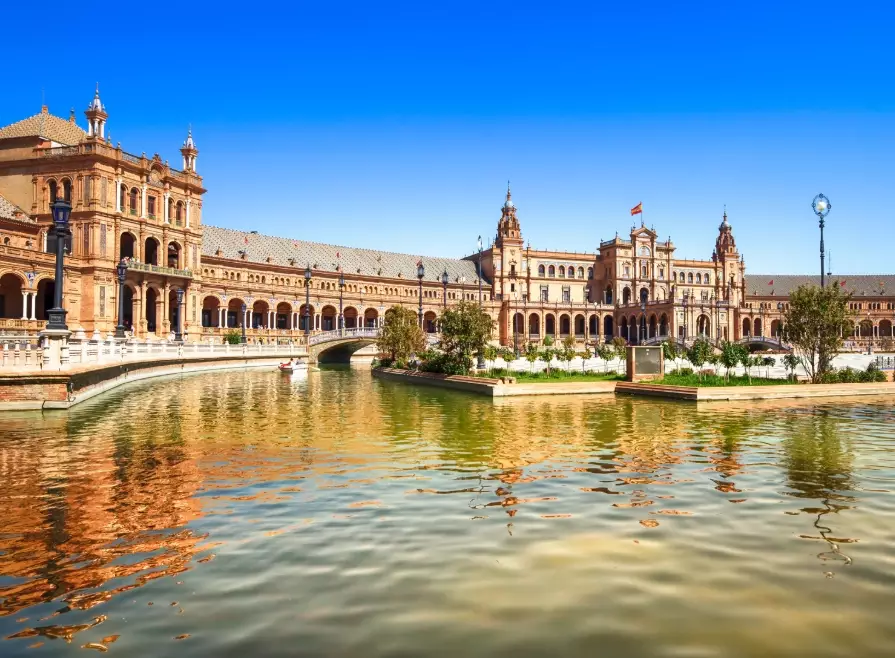
Three Hidden Gems for a Deeper Dive
If you want to step off the well-trodden path, these cities offer incredible depth with fewer crowds.
Granada is the crown jewel for many. The Alhambra palace complex is a UNESCO masterpiece. You must book tickets online as far in advance as possible (often months for peak season). The Generalife gardens are worth the trip alone. Afterward, wander the Albayzín, the old Moorish quarter, and watch the sunset over the Alhambra from the Mirador de San Nicolás. End your day in a cave bar in the Sacromonte neighborhood for live flamenco.
Valencia is where classic Spain meets the future. It's the birthplace of paella, so head to the Albufera natural park just south of the city for the most authentic version. The City of Arts and Sciences is a stunning, futuristic architectural complex. But don't miss the historic center, the Central Market, and the Turia Gardens – a riverbed turned into a beautiful park that cuts through the city.
San Sebastián (Donostia) in the Basque Country is a foodie's paradise. It's not cheap, but it has more Michelin stars per capita than almost any city on earth. The real magic is in the pintxo bars in the Old Town (Parte Vieja). Bar hop, grabbing small, exquisite bites (pintxos) and small glasses of wine (txikitos). Don't just eat what's on the bar – ask for the daily specials. La Concha beach is arguably Spain's most beautiful urban beach.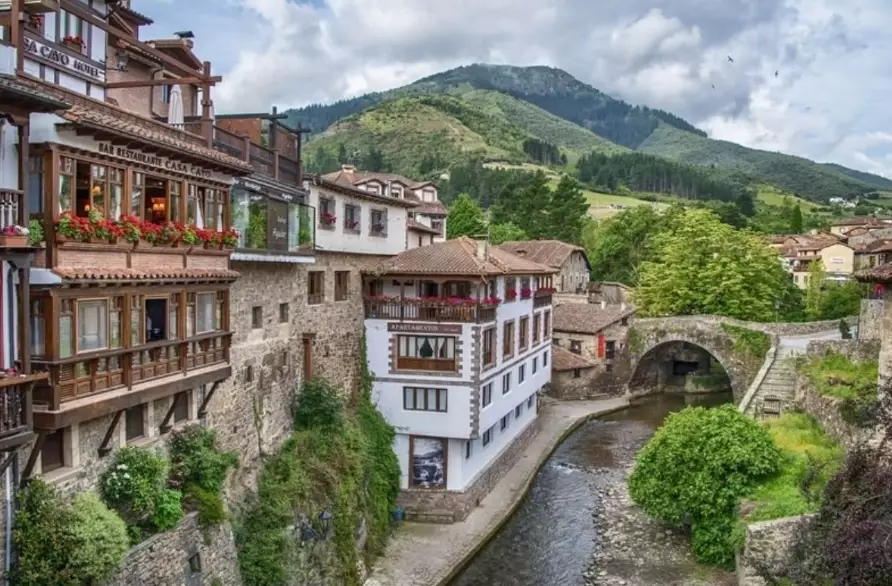
How to Choose Which Spanish Cities to Visit?
Planning is everything. Throwing darts at a map leads to long, wasteful travel days.
What is the Best Time to Visit Cities in Spain?
Shoulder seasons (April-June, September-October) are golden. The weather is pleasant, crowds are manageable, and prices are lower than peak summer. July and August are extremely hot (especially inland) and packed. Winter can be lovely in the south (Andalusia) and surprisingly cold in Madrid.
How to Get Between Cities in Spain
Spain's high-speed rail (Renfe AVE) is fantastic. It's fast, comfortable, and connects major cities like Madrid, Barcelona, Seville, Valencia, and Malaga efficiently. Book in advance for the best prices. For more remote areas or regional travel, buses (ALSA is the main company) are reliable and often cheaper. Domestic flights are an option for long distances (e.g., Barcelona to Seville), but consider the train for city-center to city-center convenience and a lower carbon footprint.
Budgeting for Spanish Cities
Costs vary wildly. Madrid and Barcelona are on par with other major European capitals. Seville, Granada, and Valencia are more affordable. San Sebastián and the Basque Country are pricey, especially for food and drink. A mid-range daily budget (excluding flights) could be: €80-120 for accommodation, €30-50 for food, €15-30 for attractions/transport.
My non-consensus tip? Don't try to see more than 3-4 major cities in a two-week trip. Better to spend 3-4 nights in each place, with a day trip or two, than to live out of a suitcase. Spain rewards slow travel.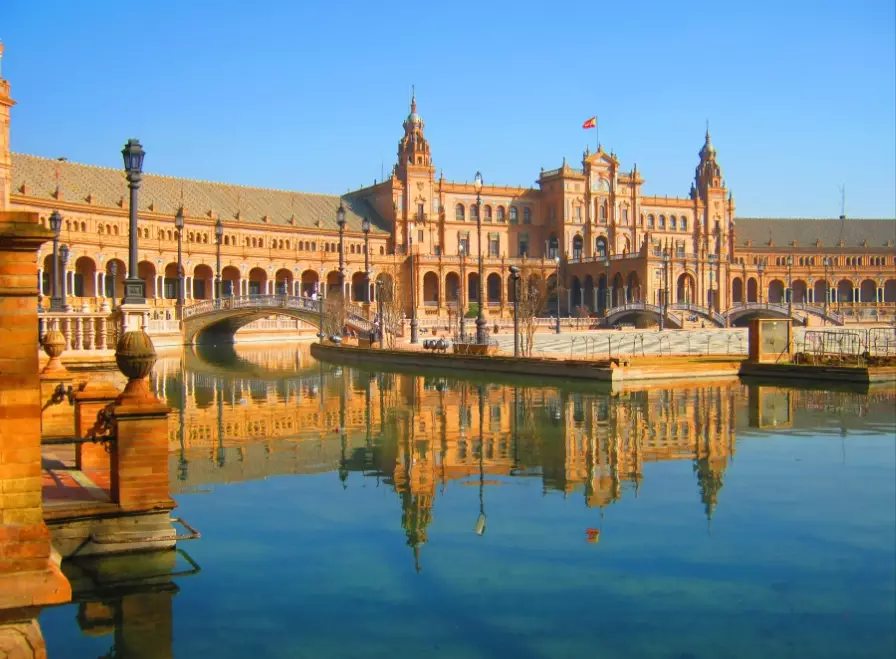
Your Spain City Travel Questions Answered
Is it safe to travel between cities in Spain by train?
Extremely safe. Spanish trains are modern, punctual, and secure. The main safety concern in stations like Madrid's Atocha or Barcelona's Sants is petty theft. Keep your luggage close and be aware of your surroundings, especially when boarding or getting off. The train travel itself is hassle-free.
I only speak English. Will I have trouble in cities outside Barcelona?
You'll manage, but effort goes a long way. In major tourist cities and with younger people, you'll find English speakers. In smaller towns or local bars, it can be limited. Learn a few basic phrases in Spanish – "Hola," "Gracias," "La cuenta, por favor" (the check, please). Using a translation app for menus is common and accepted. Spaniards generally appreciate any attempt to speak their language.
 What's a realistic budget for a 10-day trip to 3 Spanish cities?
Excluding international flights, a comfortable but not luxurious trip is doable for €1,200-€1,800 per person. This assumes mid-range hotels/Airbnbs (€80-120/night), eating a mix of casual lunches and nice dinners (€40-60/day), train tickets between cities (€50-100 per leg if booked ahead), and attraction entries. You can do it cheaper with hostels and supermarket meals, or spend double easily on premium hotels and fine dining.
Are Spanish cities good for solo travelers?
Absolutely. Spain is very social, and eating alone at a bar is completely normal. Hostels are excellent for meeting people. Cities are walkable with good public transport. The main challenge can be the late dinner culture (most locals eat after 9 pm), which might feel odd alone at first. My advice? Embrace the bar culture for dinner – it's less formal and more interactive.
What's the one thing most tourists get wrong when visiting Spanish cities?
Rushing through meals. The Spanish schedule is different. Lunch is the main meal, often eaten around 2-4 pm. Dinner is late. Tourists who try to have dinner at 7 pm often find only tourist traps open. Adapt to the local rhythm: have a late, leisurely lunch, a siesta or walk, then tapas around 8-9 pm, and maybe a later dinner. It changes the entire experience.