Let's be honest. When you think of places to visit in Italy, a few big names instantly pop up. Rome, Florence, Venice. They're iconic for a reason. But after a decade of living here and guiding friends through their first (and fifth) trips, I've learned that Italy's magic often lies in the balance—the grand spectacle paired with the intimate discovery.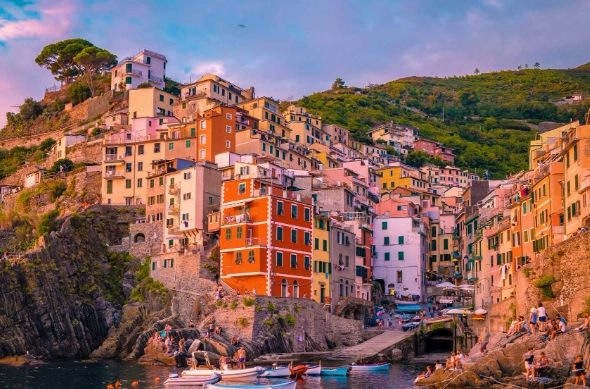
The real challenge isn't finding beautiful spots; Italy is drowning in them. It's crafting a trip that feels personal, avoids the soul-crushing crowds, and leaves you with stories better than any souvenir. This isn't just another list. It's a filtered view, shaped by missed trains, glorious meals in forgotten alleys, and the quiet moments that stick with you longer than any museum queue.
Your Italy Travel Blueprint
The 5 Essential Italian Destinations (And Why)
Forget ranking them. Each serves a different purpose in the Italian travel tapestry. Think of them as flavors: you might crave one more than another, but together they make the feast.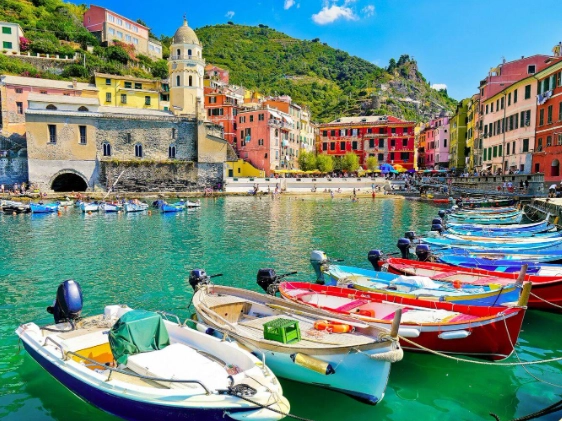
Rome: The Layer Cake of History
Rome is overwhelming. Gloriously, magnificently overwhelming. It's not a city you "do"; it's one you experience in layers. The mistake most make is treating it like a checklist. You'll burn out.
Focus on neighborhoods. Spend a morning in the ancient core (Colosseum, Roman Forum), but then get lost in Trastevere in the evening. The difference between the two—separated by a short walk across the Tiber—feels like centuries.
Venice: A Masterclass in Embracing the Maze
Venice's biggest secret? The best parts are where the crowds thin. Everyone funnels between San Marco and the Rialto Bridge. Turn down any alley away from those two points, and you'll have canals to yourself.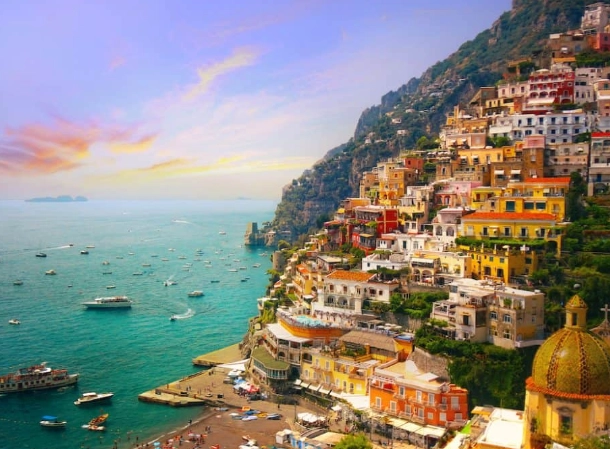
My go-to move: Take the vaporetto (water bus) to the Dorsoduro district. Visit the Accademia Gallery, then wander towards the Zattere promenade. Find a canalside spot for an Aperol Spritz. It feels like a different city.
Tuscany's Heart: Florence & The Rolling Hills
Florence is the Renaissance in city form. The Uffizi Gallery and Michelangelo's David are non-negotiable. But the real Tuscany unfolds outside the city walls.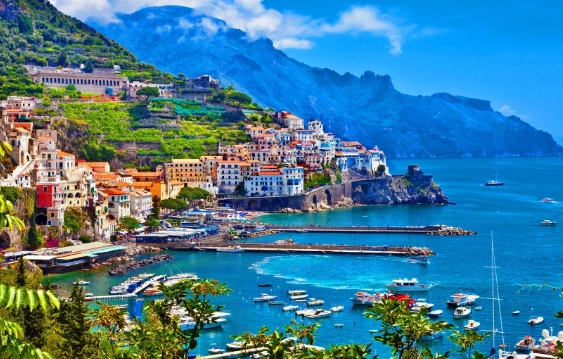
Rent a car for a day. Drive south into the Chianti region. The goal isn't a specific town—it's the SP (Strada Provinciale) roads that snake through vineyards and cypress-lined drives. Stop in Greve or Radda in Chianti for lunch. No rigid schedule, just views and wine.
The Amalfi Coast: Dramatic Beauty, Strategic Visiting
Yes, it's crowded. Yes, it's expensive. It's also breathtaking. The key is where you base yourself. Positano and Amalfi town are the stars, but staying in them means fighting for space.
Consider quieter villages like Praiano or Atrani. You get the same views, easier parking (relatively), and a more local feel. Use the efficient SITA buses or ferries to visit the famous spots during the day, then retreat to your peaceful perch at night.
The Dolomites: Italy's Alpine Secret
This is the curveball on a classic Italy list, and that's precisely why it's here. If you need a break from art, crowds, and cobblestones, the Dolomites deliver pure, awe-inspiring nature.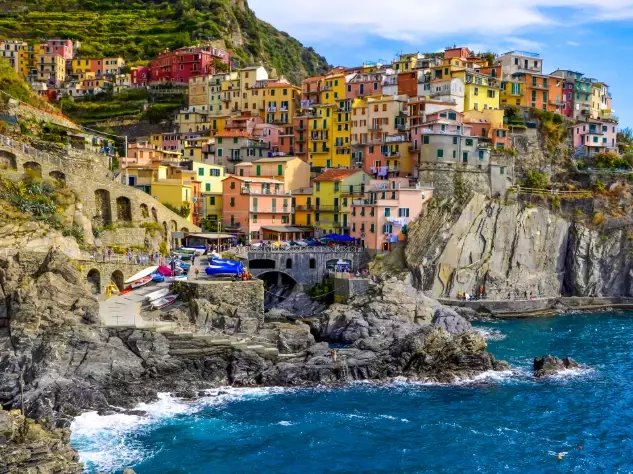
Summer means hiking through wildflower meadows with jagged peaks as a backdrop. Winter is for skiing in Cortina d'Ampezzo. The food shifts from pasta to speck (cured ham) and polenta. The culture feels more Austrian, a reminder of Italy's complex history. It's a complete reset.
How to Plan Your Italian Route: Itineraries That Work
Linking these destinations is an art. The biggest rookie error? Trying to see Rome, Florence, Venice, the Coast, and the Lakes in 10 days. You'll spend half your trip in train stations or stressing about connections.
Here’s a reality-check table for two classic trip lengths:
| Trip Length & Focus | Realistic Route | Key Travel Mode | The Pace You'll Feel |
|---|---|---|---|
| 7 Days (Classic Introduction) | Rome (3 nights) → Florence (3 nights) with a day trip to Siena or Pisa → Depart from Florence or Rome. | High-speed train between Rome & Florence (1.5 hrs). | Fast but manageable. You'll see the heavy hitters but won't venture deep. |
| 10-14 Days (Deeper Exploration) | Rome (4 nights) → Florence (3 nights) → Rent car for Tuscany (2 nights in countryside) → Drop car in Florence, train to Venice (3 nights). Option: Add 2 nights for Cinque Terre or a base on the Amalfi Coast. | Mix of train + rental car. | Balanced. Allows for both city culture and scenic relaxation. |
If the Amalfi Coast is a must, fly into Naples, do 2-3 nights on the Coast, then train to Rome. Don't try to sandwich it between Florence and Venice—the geography makes that a logistical nightmare.
The Practical Stuff: Timing, Tickets & Getting Around
This is where trips are made or broken.
When to Go: It's Not Just About the Weather
Shoulder Seasons (April-May, Sept-Oct) are the sweet spot. Good weather, fewer people. July and August are hot, packed, and expensive. Many locals in cities close shop and head to the coast themselves.
Winter (Nov-March) has its charm—fewer crowds, lower prices, especially in cities like Rome and Florence. Venice is mystical in the fog. But some coastal hotels and restaurants in smaller towns close.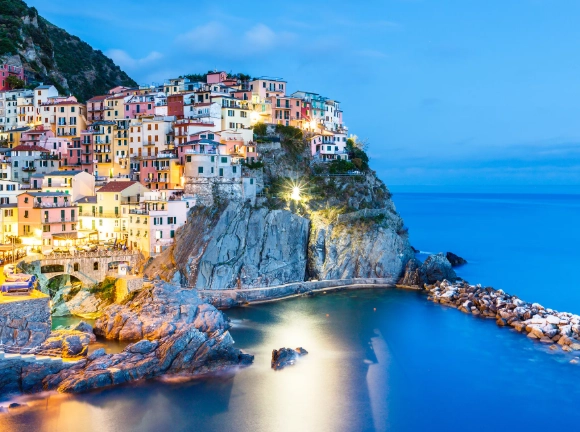
The Ticket Game: Book Ahead or Regret It
For major attractions, "winging it" means hours in line or missing out entirely. This isn't a suggestion; it's a rule for:
- The Colosseum / Roman Forum (Rome)
- Uffizi Gallery & Accademia (David) (Florence)
- Vatican Museums & Sistine Chapel (Rome)
- Last Supper (Milan)
- St. Mark's Basilica (Venice – book a skip-the-line timed entry)
Use official sites first. For the Vatican, that's museivaticani.va. For the Uffizi, it's uffizi.it. They're the cheapest and most direct. If tickets are sold out, reputable third-party tour companies like Walks of Italy or The Tour Guy often have guided tour inventory left. You pay more, but you get a guide and guaranteed entry.
Transport: Train vs. Car
Trains are brilliant for city-to-city travel. Use Trenitalia or Italo. Book in advance on their apps for the best fares. Regional trains are fine for short hops (e.g., Florence to Pisa).
Rent a car only when you need it: for exploring Tuscany, the Dolomites, or Puglia. Never drive in city centers (ZTL zones mean massive fines). Pick up and drop off outside the city core.
Reader Comments