Let's be honest. When you think of things to do in Italy, the Colosseum, the Leaning Tower, and a gondola ride in Venice probably flash before your eyes. And yes, those are incredible. But Italy is a layer cake of experiences, and most visitors only ever taste the frosting. The real magic, the stuff that sticks with you for years, happens in the side streets, the family-run trattorias, and the hilltop towns where time moves slower. This isn't just another list; it's a blueprint for building an Italian trip that feels uniquely yours, packed with practical details you can actually use.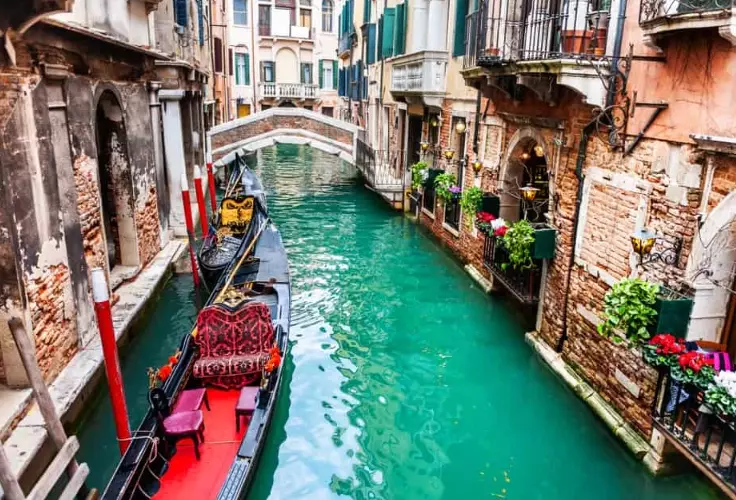
Your Italian Adventure at a Glance
Step into Italy's Living History
Forget dry museum tours. In Italy, history is the backdrop to your espresso. The key is to engage with it, not just photograph it.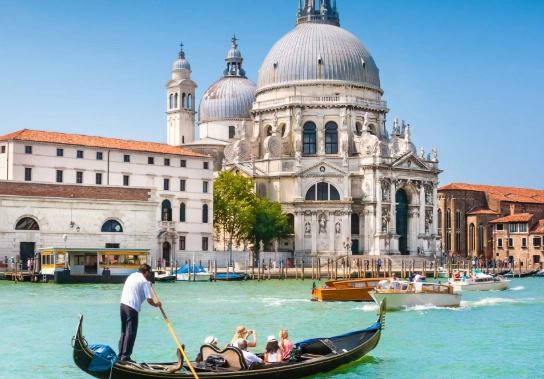
Rome: The Eternal City's Beating Heart
The Roman Forum isn't just a pile of rocks. Stand in the right spot, near the Temple of Julius Caesar, and you're standing where Marc Antony gave his famous speech. That connection is everything.
Colosseum & Roman Forum Practicals: Buy your ticket online well in advance on the official CoopCulture website. A standard combined ticket (€24 full price, €2 EU reduced) grants access to the Colosseum, Roman Forum, and Palatine Hill. The line for on-site tickets can easily waste two hours of your day. Opening hours vary by season, but are typically 9:00 AM to 7:15 PM in summer. Take Metro Line B to the Colosseo station.
My biggest Rome tip? After the Forum, walk up to the Orange Garden (Giardino degli Aranci) on the Aventine Hill for a sunset view over the city's domes. It's free, less crowded, and feels like a local secret.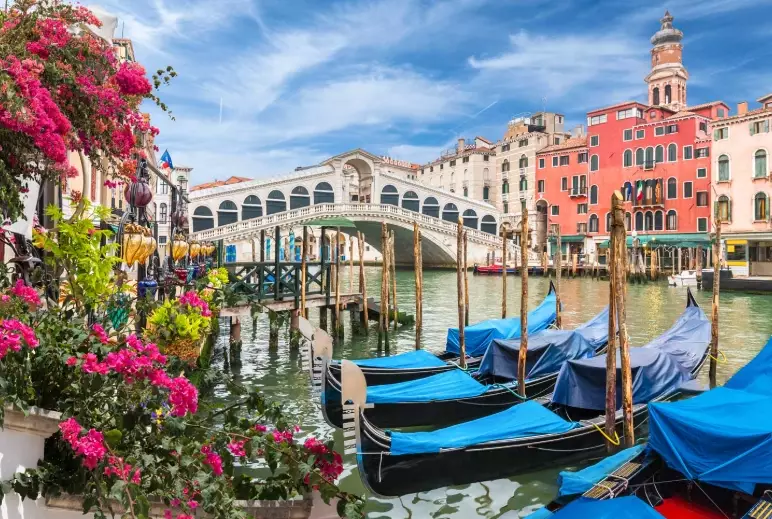
Florence: The Cradle of the Renaissance
Everyone rushes to see Michelangelo's David at the Accademia. It's breathtaking, but the crowds can feel like a subway at rush hour. For a more intimate Renaissance hit, visit the Bargello Museum. It's quieter, houses incredible sculptures by Donatello, and you can actually breathe while you appreciate them.
Uffizi Gallery tickets are another online-must. The official site is Uffizi.it. Plan to spend at least 3 hours. Don't try to see everything. Pick a few rooms—maybe the Botticelli rooms with the "Birth of Venus"—and enjoy them deeply.
Venice: Losing Yourself is the Goal
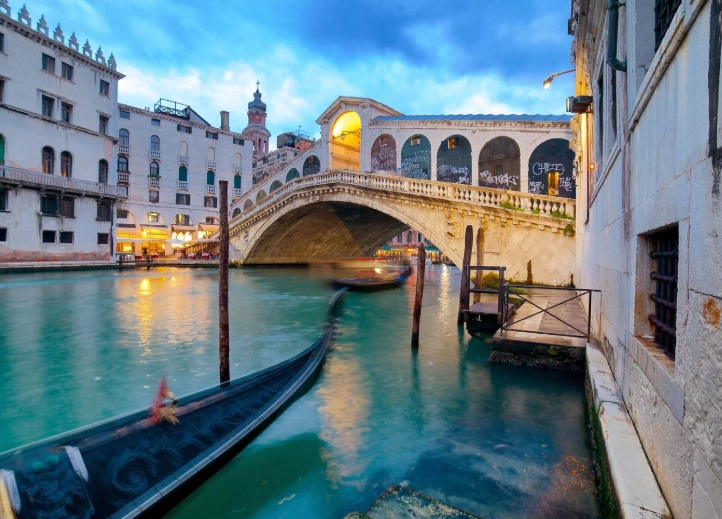
The area around St. Mark's Square can be a tourist maelstrom. The real Venice is in the *sestieri* (districts) of Dorsoduro and Cannaregio. Walk along the Zattere promenade for grand canal views without the crowds. Visit the historic Jewish Ghetto, the first of its kind in the world. It's a profound and often overlooked chapter of Venetian history.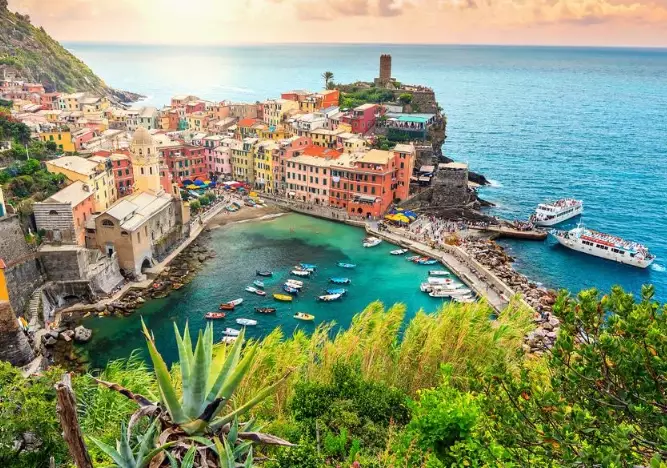
Skip the expensive gondola ride in the crowded center. Instead, use the *traghetto*—a local gondola ferry that crosses the Grand Canal for about €2. It's a 2-minute authentic gondola experience. Or, take gondola service from a quieter canal in Dorsoduro; it's often cheaper and more serene.
Eat Your Way Through Italy (The Right Way)
Italian food isn't a monolith. It's hyper-regional. Ordering spaghetti bolognese in Naples is like asking for a cheesesteak in Los Angeles—it just misses the point.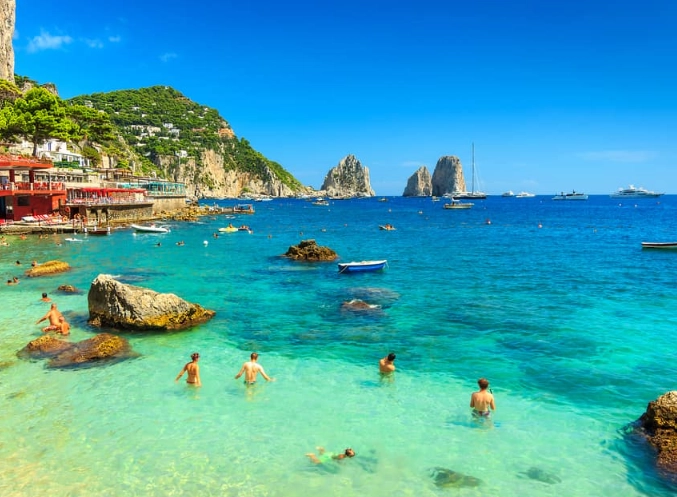
How to Eat Like a Local
- Follow the Aperitivo ritual: Between 6-8 PM, many bars offer a drink (like a Spritz or Aperol) that comes with a buffet of snacks (€8-15). It's dinner-lite and a social institution. In Milan, head to the Navigli district. In Turin, it's all about the historic cafes.
- Seek out the *Trattoria* or *Osteria*: These are typically family-run, simpler, and focus on regional classics. Look for a handwritten menu (*menu scritto a mano*) and a crowd of Italians.
- Market visits are non-negotiable: Go to Mercato di Sant'Ambrogio in Florence, Mercato di Ballarò in Palermo, or Testaccio Market in Rome. Eat lunch there. You'll taste the freshest produce, cheeses, and street food.
A Quick Reality Check: That "hidden gem" restaurant you found on a travel influencer's Instagram? It's probably booked solid for weeks. Italians plan dinners out. For a truly great sit-down meal, especially in cities, you must reserve a table (*prenotare un tavolo*) a few days ahead. Calling is best, even with broken Italian.
Three Can't-Miss Food Experiences
| Experience | Where to Find It | What to Order / Know | Budget Tip |
|---|---|---|---|
| Neapolitan Pizza | L'Antica Pizzeria da Michele, Naples. Via Cesare Sersale, 1. Historic and iconic. | They only do Margherita and Marinara. It's about perfect simplicity. Expect a line. | It's incredibly cheap (€5-7 per pizza). The cost is getting to Naples. |
| Fresh Pasta Making | Take a class. Try "Romeow Cat Bistrot" in Rome for a vegan pasta class or a local cook in Bologna. | Learn to make tagliatelle al ragù (Bolognese) in Bologna—its true home. | A class (€70-100) is a splurge, but you take the skill home. Cheaper than a fancy dinner. |
| Wine Tasting in Chianti | Castello di Verrazzano, near Greve in Chianti. A historic estate. | Book a vineyard tour & tasting. See the cellars, learn about Sangiovese grapes. | Rent a car with friends to split costs. Or, join a small-group tour from Florence. |
Discover Italy's Stunning Landscapes
Italy's cities are legendary, but its countryside and coastline are soul-restoring.
The Cinque Terre vs. The Amalfi Coast: A Quick Comparison
Both are gorgeous, but serve different tastes.
- Cinque Terre: Five colorful fishing villages linked by hiking trails and a train line. It's about hiking (the Sentiero Azzurro), swimming in coves, and pesto. It gets extremely crowded. To enjoy it, stay overnight in one of the villages (like Manarola) after the day-trippers leave. The Cinque Terre Card (€18.20) covers hiking trails and local trains.
- Amalfi Coast: More dramatic, more glamorous, and more spread out. Towns like Positano and Amalfi are vertical wonders. It's about boat trips to Capri, lemon groves, and coastal drives. It's expensive. The SITA bus along the coast is cheap but often packed. Consider a scooter rental for freedom, if you're confident.
My take? If you want a more active, village-hopping trip on a moderate budget, choose Cinque Terre (but go in shoulder season). If you want dramatic scenery, great restaurants, and a touch of luxury, choose Amalfi (and be prepared to spend).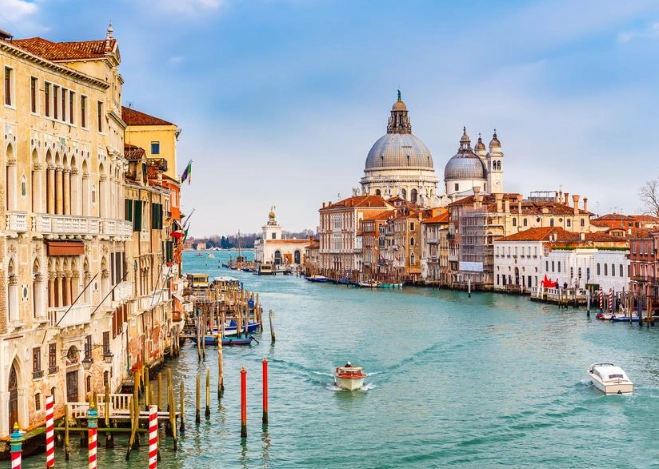
The Underrated Gem: Puglia
Forget the crowds. Head south to the "heel" of Italy's boot. You'll find trulli houses in Alberobello (a UNESCO site), the stunning baroque city of Lecce (the "Florence of the South"), and miles of beautiful, less crowded coastline. The food is incredible—think orecchiette pasta with broccoli rabe and fresh seafood. It feels like Italy 20 years ago.
Crafting Your Perfect Trip: A 5-Day Rome & Florence Sample
Here’s a realistic, action-packed blueprint mixing icons with local flavor.
Day 1-2: Rome - Ancient Wonders & Vibrant Streets
Morning: Pre-booked Colosseum & Roman Forum tour (start at 9 AM).
Afternoon: Lunch in the Jewish Ghetto (try fried artichokes). Walk to the Pantheon (free entry) and throw a coin in the Trevi Fountain.
Evening: Aperitivo in the Trastevere neighborhood, followed by dinner at a trattoria like Da Enzo al 29 (booking essential).
Day 2: Vatican Museums & Sistine Chapel (pre-book tickets for early entry). Afternoon: Explore the Prati district and climb the dome of St. Peter's Basilica.
Day 3: Travel to Florence & Renaissance Intro
Take a fast train from Roma Termini to Firenze Santa Maria Novella (1.5 hrs, book on Trenitalia).
Afternoon: Walk across the Ponte Vecchio, visit the exterior of the Duomo, and climb Giotto's Bell Tower for the view.
Evening: Sunset at Piazzale Michelangelo (take bus 12 or 13). Dinner near Santo Spirito church.
Day 4: Florence Deep Dive
Morning: Pre-booked Uffizi Gallery slot.
Afternoon: Lunch at Mercato Centrale (upstairs food hall). Visit the Bargello Museum or the Medici Chapels.
Evening: Leather shopping in the Santa Croce area, casual dinner.
Day 5: Tuscany Day Trip
Option A (by train): Short train to Siena. Explore the Piazza del Campo and the Duomo.
Option B (tour/rental car): Visit a Chianti winery for a tasting and lunch among the vineyards.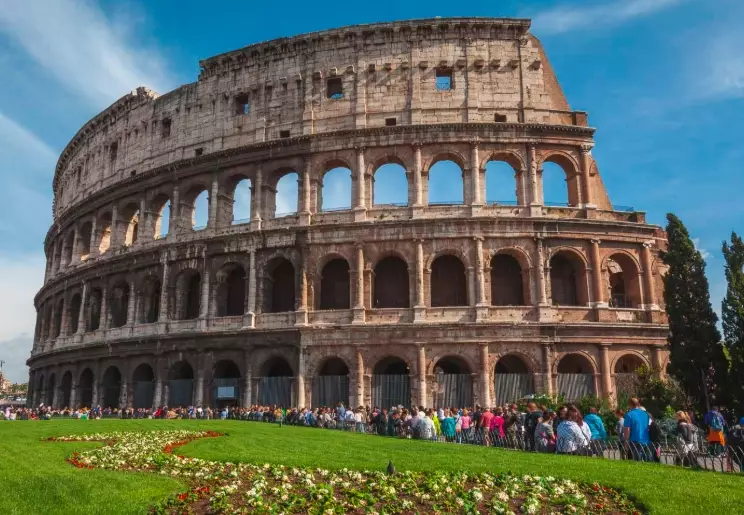
Your Italy Trip Questions, Answered
Reader Comments