Let's be honest. We've all been to cities that look great on paper—famous landmarks, top-rated museums, a buzzing reputation—but somehow leave you feeling flat. The "funnest city" isn't just a list of attractions. It's a feeling. It's the place where you lose track of time because you're too absorbed in the moment, whether you're sharing a laugh with locals at a tiny bar, stumbling upon a street performance that stops you in your tracks, or simply feeling the energy of a place that's alive. It's about the vibe, the people, and the unexpected moments that guidebooks can't script.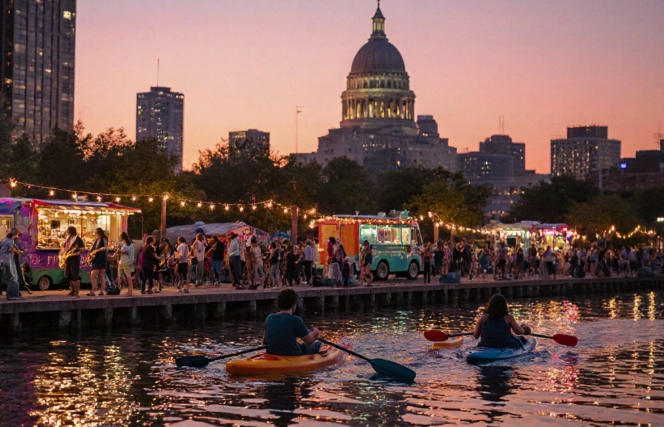
Your Quick Guide to Urban Fun
What Makes a City Fun? The Core Elements
Forget the generic "top 10" lists for a second. After visiting over fifty cities, I've found that the truly fun ones share a few non-negotiable traits. It's not about having the most Instagram spots.
Atmosphere Over Attractions: A palpable, positive energy. You can feel it walking down the street. It's in the music spilling out of cafes, the chatter in public squares, the way people interact. Cities like Barcelona or New Orleans have this in spades, while some more sterile, business-focused capitals can lack it entirely.
Walkability & Discoverability: The joy of getting lost and finding something wonderful. A grid of endless highways kills fun. Tight, winding streets, hidden courtyards, and vibrant neighborhoods you can explore on foot are key. Think of the Alfama district in Lisbon or the backstreets of Kyoto.
Local Community Integration: This is the big one most tourists miss. A fun city isn't a museum for visitors; it's a living space for residents. When locals use the same parks, markets, and transit as tourists, it creates authenticity. If every restaurant in an area has an English-only menu and a hawker outside, you're in a tourist bubble, not a fun city.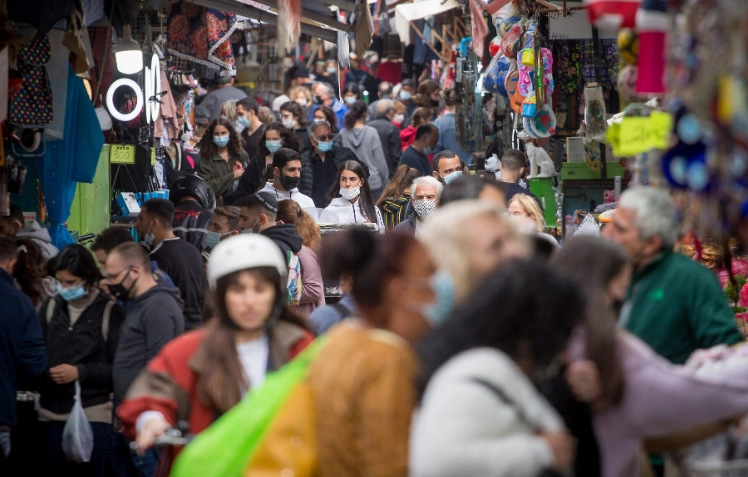
My litmus test: Can I easily have a meaningful, non-transactional interaction with a local? In a fun city, the answer is yes—maybe with a shopkeeper, a fellow dog-walker in the park, or someone at a community event.
Other elements include a diverse and accessible food scene (from street food to fine dining), a safe and vibrant nightlife that isn't confined to one clubbing district, and a general sense of inclusivity and openness to outsiders.
How to Find the Funnest City for You
"Fun" is deeply personal. A backpacker's paradise might be a family's nightmare, and vice versa. The key is matching the city's offerings to your travel style.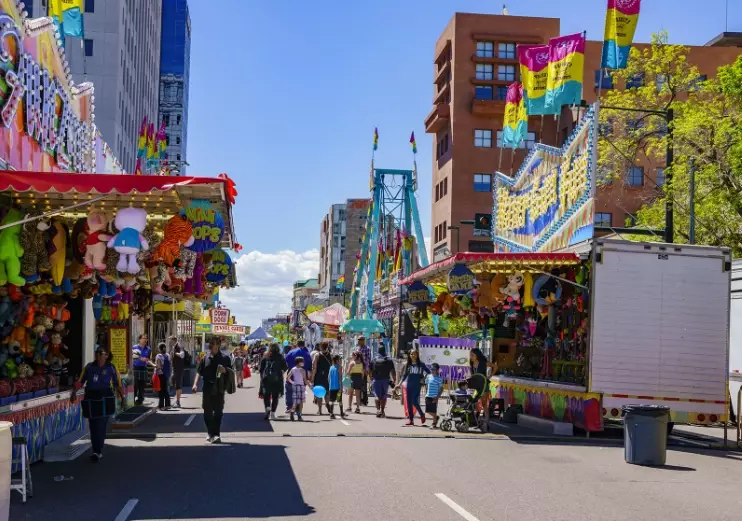
For the Solo Traveler or Couple Seeking Nightlife & Energy
You want late-night dinners, buzzing bars, and a sense of anything-can-happen.
- Berlin, Germany: It's not pretty in a conventional way, but its raw, creative energy is unmatched. The nightlife is legendary (clubs like Berghain are an experience), but the fun is also in its daytime flea markets, lakeside beaches, and endless street art. Tip: Don't try to club before midnight. Really.
- Bangkok, Thailand: A sensory overload in the best way. The fun is in the contrast: serene temples a stone's throw from chaotic, delicious street food markets (like Yaowarat/Chinatown), rooftop bars with stunning views, and incredibly friendly locals. A river taxi ride at sunset is a simple, cheap thrill.
For Families with Kids
Fun means engaging activities, green spaces, ease of movement, and not breaking the bank.
- Copenhagen, Denmark: Designed for living. It's safe, clean, and incredibly bike-friendly. The fun is experiential: visiting the free-wheeling anarchist community of Freetown Christiania, watching the Changing of the Guard at Amalienborg, or riding the classic wooden roller coaster at Tivoli Gardens (admission: ~$20).
- San Diego, USA: Relaxed California vibe with perfect weather. The world-class zoo, beaches like La Jolla Cove (see the seals!), and Balboa Park's museums offer endless, easy-going days. Most neighborhoods are stroller-friendly.
For the Culture & Food-Obsessed Traveler
Your fun is a great meal, a local market, and a deep dive into history.
- Mexico City, Mexico (CDMX): A culinary and artistic powerhouse. Spend a morning at the Anthropology Museum (one of the world's best, entry ~$5), then eat your way through the Coyoacán market. The fun is in neighborhoods like Roma and Condesa—tree-lined streets filled with art deco buildings, indie galleries, and cafes.
- Kyoto, Japan: The fun here is serene and profound. It's in the quiet beauty of a moss garden at Saiho-ji (requires advance reservation), the bustle of Nishiki Market ("Kyoto's Kitchen"), and the chance to dress in a kimono and wander the historic Gion district.
| City | Best For | Vibe | Budget Note |
|---|---|---|---|
| Berlin | Nightlife, Art, Alternative Culture | Raw, Creative, Unpretentious | Moderate. Hostels/food can be cheap, clubs moderate. |
| Bangkok | Foodies, Sensory Adventure, Value | Chaotic, Warm, Lively | Very affordable. Street food is ~$1-3 per dish. |
| Copenhagen | Families, Design, Outdoor Life | Orderly, Chic, Livable | Expensive. Save by biking and picnicking. |
| Mexico City | Food, History, Urban Exploration | Vibrant, Layered, Artistic | Great value. Excellent food at all price points. |
Case Study: Two Cities That Get Fun Right
Let's go deeper than a bullet point list.
Tokyo: Organized Chaos and The Joy of Discovery
Tokyo shouldn't work. It's vast, dense, and complex. Yet, it's arguably one of the most consistently fun and fascinating cities on earth. Why? Because its fun is systemic and layered.
You have the sheer spectacle of Shibuya Crossing, but the real fun is in the details. It's getting lost in the eight-story anime and gaming paradise of Akihabara's Radio Kaikan. It's the surreal experience of a themed cafe (like an owl cafe or a robot restaurant—though the latter is pure, expensive spectacle). It's the profound peace of the Meiji Shrine forest, just steps from Harajuku's teenage fashion frenzy.
The key to Tokyo's fun is its neighborhoods. Each is a self-contained world. Spend a day in Asakusa for old-world temples and rickshaw rides, then hop on the Ginza Line to Ginza for high-end shopping and impeccable sushi bars (try Kyubey for a legendary, if pricey, experience). The efficiency of its public transit (clean, safe, punctual) makes this exploration stress-free. A 24-hour subway pass costs about $7.
Lisbon: Sun-Drenched Soul and Neighborhood Charm
Lisbon's fun is more about feel than frantic activity. It's a city that invites you to slow down. The light is golden, the hills are steep (take the iconic Tram 28, but beware pickpockets), and the sound of Fado music drifts from open doors.
The fun is in wandering Alfama's labyrinthine streets, getting a pastel de nata (custard tart) from the legendary Pasteis de Belem (R. de Belém 84-92, open 8 am-11 pm), and watching the sunset from the Miradouro da Senhora do Monte with a cheap bottle of vinho verde. A major mistake is trying to over-schedule. Lisbon rewards lingering.
For a more local, less touristy food scene, skip the Time Out Market (it's fun but crowded and pricey) and head to the Mercado de Arroios. For nightlife, the Pink Street area in Cais do Sodré is popular, but the bars in the student-filled Bairro Alto or the trendy LX Factory compound offer more character.
Common Pitfalls and How to Avoid Them
Even in a fun city, you can have a dull trip if you fall into these traps.
Pitfall 1: The Over-Planned Itinerary. Scheduling every hour kills spontaneity, the lifeblood of fun. Fix it: Block out mornings or afternoons with just a neighborhood name. Wander without a map. Let yourself get distracted by a interesting shop or a queue for food.
Pitfall 2: Only Hitting the "Top Attractions." The Eiffel Tower, the Colosseum—they're famous for a reason, but the crowds and commercialism around them are often the least fun part of a city. Fix it: Visit them early or late, then spend the bulk of your time in the surrounding arrondissements or districts. The fun is in the streets around the monument, not just the monument itself.
Pitfall 3: Eating in the Tourist Core. Restaurants with pictures of food and multi-lingual touts are almost always mediocre and overpriced. Fix it: Walk 10-15 minutes away from the main square or landmark. Look for places filled with locals, even if the menu is only in the local language. Use apps like Google Maps (filter for 4.5+ stars with lots of local-language reviews).
Pitfall 4: Ignoring the Local Rhythm. Trying to have a big night out in a city that dines at 10 pm when you show up at 7 pm, or expecting shops to be open on a Sunday in Germany. Fix it: Do a quick search for local dining/shopping hours. Adapt to their schedule; it's part of the immersion.