Boston packs more history, culture, and character into a walkable area than almost any other American city. You've got the Revolutionary War sites, world-class museums, iconic food, and that distinct academic energy. But here's the thing most generic lists get wrong: if you just hop from the Freedom Trail to Faneuil Hall to a Duck Boat, you'll miss the soul of the place. You'll leave thinking Boston is just a history textbook come to life.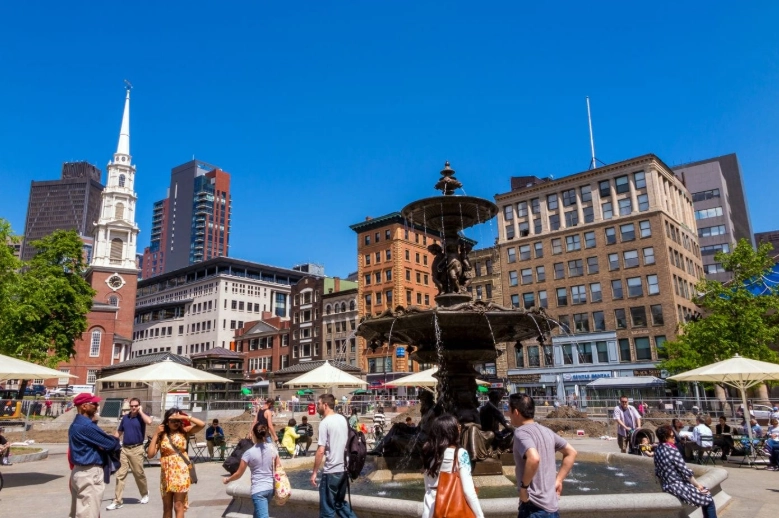
It's so much more. After a decade of living here and playing tour guide for friends, I've seen the common pitfalls. The biggest? Trying to do too much geographically. Boston's streets are a colonial-era maze, and backtracking kills a day. This guide flips that script. We'll group activities by experience—history, culture, food, outdoors—and give you the on-the-ground details you need to build a trip that feels authentic, not algorithmic.
Your Boston Trip at a Glance
- How to Experience Boston's Revolutionary History (The Right Way)
- Beyond the History: Cultural Gems and Local Favorites
- Food in Boston: More Than Just Clam Chowder
- Outdoor and Seasonal Activities in Boston
- Crafting Your Perfect Boston Itinerary: 1 to 3 Days
- Boston Travel FAQs: Your Questions Answered
How to Experience Boston's Revolutionary History (The Right Way)
The Freedom Trail is non-negotiable. It's a 2.5-mile red-brick or painted line connecting 16 historically significant sites. But almost everyone walks it wrong. They start at the Boston Common Visitor Center and follow the line north to Charlestown. That's the geographical order, not the historical one. You end up at Paul Revere's house before you've learned why he made his ride.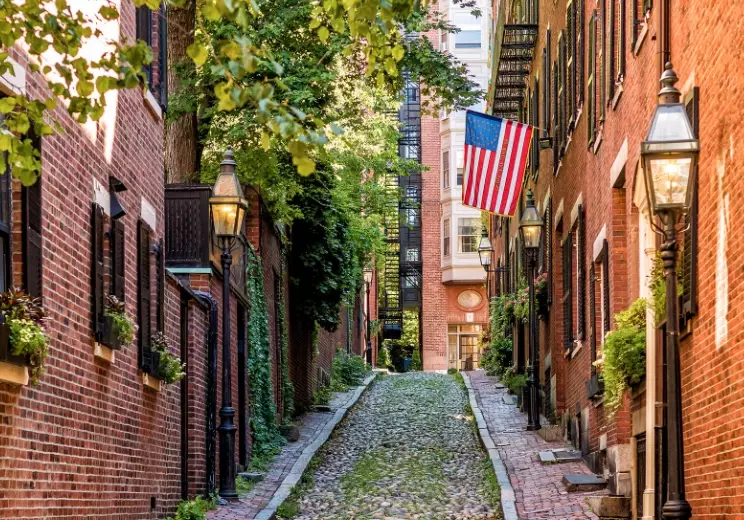
Do this instead: Follow the history, not just the bricks. Start with the context at the Boston Tea Party Ships & Museum (306 Congress St). It's not officially on the Trail, but it sets the stage perfectly. Tickets are around $32, and you get to throw replica tea chests into the harbor. It's cheesy in the best way. Then, enter the Boston Common and hit the Trail sites in a more logical sequence: the Common, the State House, the Park Street Church, etc.
Pro Tip Nobody Tells You: Buy the "Go Boston" All-Inclusive Pass or the Boston CityPASS if you plan to visit more than two paid attractions on this list. Do the math. A la carte entry to the Tea Party Ships, Old State House, and USS Constitution Museum will run you about $65+. Either pass bundles those and more (like the Museum of Science) for one discounted rate. It forces you to plan, but the savings are real.
Here are the Freedom Trail sites you shouldn't just walk past:
| Site | Key Info & Why It's Worth Your Time | Cost (Approx.) |
|---|---|---|
| Old State House (206 Washington St) | The Declaration of Independence was first read to Bostonians from its balcony. The museum inside has deep exhibits on the city's role in the Revolution. Budget 45-60 mins. | $15 Adult |
| Old North Church (193 Salem St) | “One if by land, two if by sea.” The interior is beautifully preserved. The real magic is in the behind-the-scenes tour ($8 extra) that takes you up into the bell tower. | $8 Adult (General) |
| USS Constitution & Museum (Charlestown Navy Yard) | “Old Ironsides” is the world's oldest commissioned warship still afloat. The museum is fantastic for kids. The Navy personnel give free tours of the ship itself. | FREE (Donation suggested) |
| Bunker Hill Monument (Monument Sq, Charlestown) | Climb 294 steps for a killer view. It's free, but you need a pass from the lodge (first come, first served). The museum across the street explains the battle simply and effectively. | FREE |
Getting between these? Walk. The core Trail is compact. To get to Charlestown (USS Constitution, Bunker Hill), you can walk (across the Charlestown Bridge, about 20 mins from the North End) or take the ferry from Long Wharf for $3.70. It's a scenic shortcut.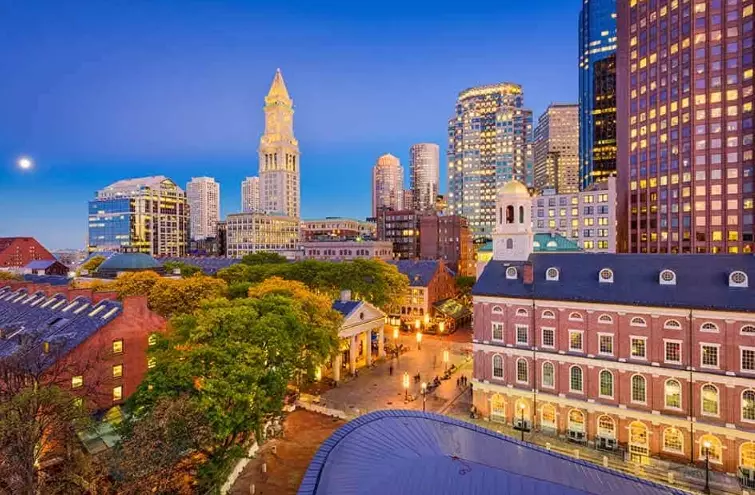
Beyond the History: Cultural Gems and Local Favorites
Boston's museums are world-class, but they're spread out. Pick one or two based on your interests; trying to marathon them is a recipe for burnout.
Must-Visit Museums
Museum of Fine Arts, Boston (MFA) (465 Huntington Ave): The big one. Its collection of American art (especially from Boston and New England), Impressionist works, and ancient Egyptian artifacts is staggering. General admission is $27. It's huge—pick a wing or two. The Isabella Stewart Gardner Museum (25 Evans Way) is a 5-minute walk away. It's $20, and it's an experience: a Venetian-style palace built around a stunning courtyard, filled with art collected by one eccentric woman. The 1990 art heist (still unsolved) adds intrigue.
Museum of Science (1 Science Park): Perfect for families or the curious. The lightning show, planetarium, and interactive exhibits eat up hours. Tickets start at $29. It's across from the North End, but not walkable—take the Green Line to Science Park or the Water Shuttle.
Neighborhoods to Wander
Back Bay: This is postcard Boston. Stroll down Newbury Street for shopping (boutiques and chains) and people-watching. Then turn onto Commonwealth Avenue Mall, a tree-lined promenade, and walk to the Boston Public Garden. Ride the Swan Boats ($4.50) if it's spring or summer. It's a cliché for a reason.
North End: Boston's Little Italy. The Freedom Trail runs through it, but the main attraction is the food. Hanover Street is the spine. Come hungry. (More on that below).
Seaport District: The modern contrast. It's all glass, steel, and innovation. The Institute of Contemporary Art (ICA) (25 Harbor Shore Dr) is here—$20 admission, free on Thursdays after 5 PM. The views from its waterfront deck are worth the price. Great for dinner and drinks with a skyline view.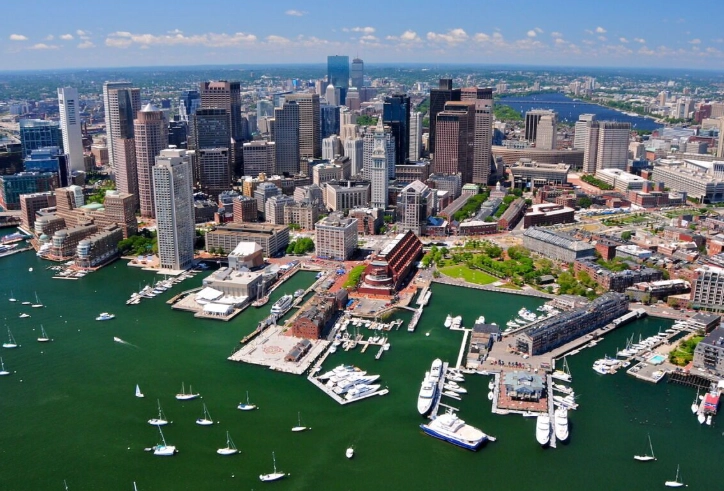
Food in Boston: More Than Just Clam Chowder
Yes, you need a bowl of New England clam chowder (creamy, not tomato-based). The Union Oyster House (41 Union St) is historic and does a solid one. But the food scene has exploded.
The North End is your culinary ground zero. Forget the tourist traps at Quincy Market. In the North End, you wait in line for a reason. For cannoli, it's Modern Pastry (257 Hanover St) vs. Mike's Pastry (300 Hanover St). Locals debate this fiercely. Mike's is bigger, flashier, and has a line out the door. Modern is smaller, often has a shorter line, and many (myself included) think the shell is crispier and the filling less sweet. Try both and pick a side.
For dinner, you can't go wrong with Mamma Maria (3 North Sq) for a splurge (Northern Italian, romantic) or Trattoria il Panino (280 Hanover St) for a more lively, authentic vibe. Reservations are essential, especially on weekends.
Two underrated food moves: First, the Boston Public Market (100 Hanover St) near Haymarket. It's a year-round indoor market featuring only Massachusetts producers. Get an apple cider donut from Red Apple Farm, oysters from the oyster bar, or a lobster roll. Second, Sam LaGrassa's (44 Province St) for arguably the best sandwiches in the city. It's only open weekday lunches. The pastrami is legendary.
Outdoor and Seasonal Activities in Boston
Boston shines when the weather cooperates.
The Emerald Necklace: This chain of parks designed by Frederick Law Olmsted is the city's green lung. The most accessible chunk is the Back Bay Fens near the MFA, great for a run or stroll. Further out, Arnold Arboretum in Jamaica Plain (free, 281 acres) is spectacular, especially in late April/early May for lilac season or October for foliage.
Charles River Esplanade: Rent a bike from Bluebikes (the city's bike-share) and ride the paths on either side of the Charles. The view of the Cambridge skyline from the Boston side is iconic. In summer, catch a free movie or concert at the Hatch Shell.
Day Trip: Whale Watching. From April to October, boats leave from the New England Aquarium's Central Wharf. Companies like Boston Harbor City Cruises run 3-4 hour tours. You're almost guaranteed to see humpbacks, fins, or minkes. Prices hover around $65. It's a commitment, but it's unforgettable. Book in advance.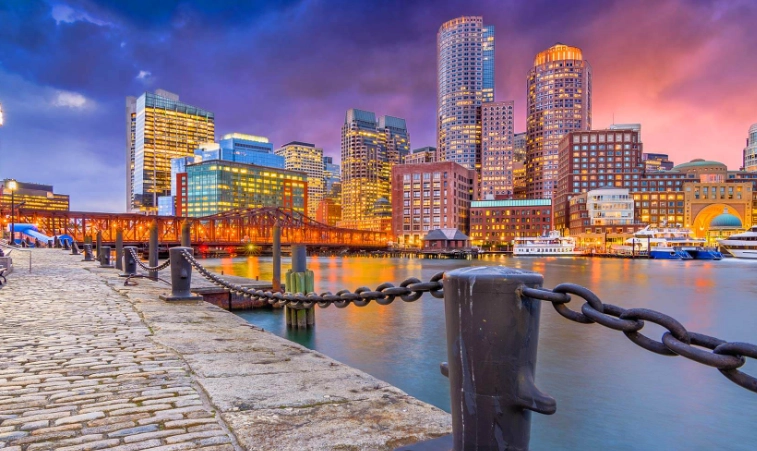
Crafting Your Perfect Boston Itinerary: 1 to 3 Days
Let's get practical. Here’s how to structure your time.
If You Only Have One Day
This is a sprint focused on the core. Morning: Start at the Boston Tea Party Ships & Museum (opens at 10 AM). Then, walk to the Boston Common and follow the Freedom Trail through Downtown and the North End. Have a quick lunch (a slice at Regina Pizzeria on Thacher St). Afternoon: Continue the Trail to Old North Church and Copp's Hill Burying Ground. Take the Charlestown Ferry from Lovejoy Wharf to see the USS Constitution. Evening: Dinner in the North End. Cannoli run. Collapse.
The Ideal 2-3 Day Boston Visit
Day 1: History & The North End. Follow the one-day plan above, but at a more relaxed pace. Add a visit inside the Old State House. For dinner, make that North End reservation.
Day 2: Culture & Back Bay. Morning at the Museum of Fine Arts or the Isabella Stewart Gardner. Afternoon wandering Back Bay (Newbury St, Public Garden). Maybe a Swan Boat ride. Evening in the Seaport for dinner and the ICA (if it's a Thursday for free admission).
Day 3: Choose Your Adventure. Option A (Families/Science): Museum of Science and an afternoon Duck Boat tour (they're silly but fun, departing from the Museum of Science). Option B (Outdoors/Neighborhoods): Morning walk along the Charles, then take the T to Harvard Square in Cambridge. Wander Harvard Yard, browse the bookstores, and feel the academic vibe. It's a different world across the river.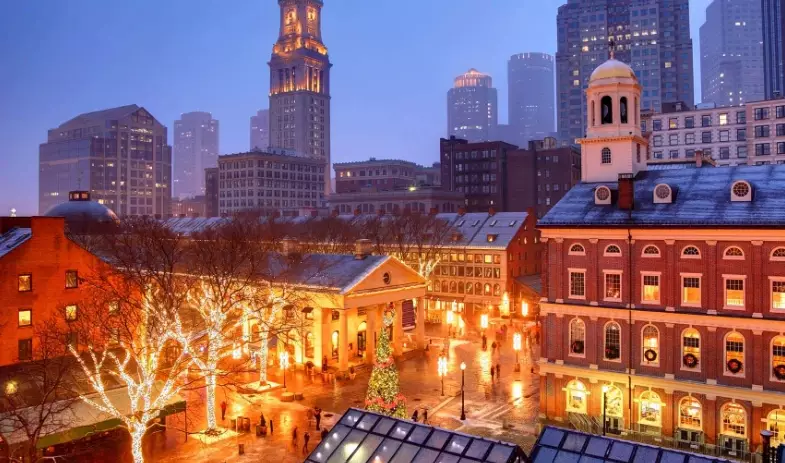
Boston Travel FAQs: Your Questions Answered
What are the best things to do in Boston with kids?
The Museum of Science is the top pick—highly interactive. The New England Aquarium is classic, though it can feel cramped on weekends. The Boston Children's Museum is excellent for younger kids (under 10). For a free, active option, the Greenway Carousel and the adjacent Rings Fountain (where kids can splash) are huge hits in summer. The USS Constitution is also free and fascinating for all ages.
Is the Boston CityPASS or Go Boston Pass worth it?
It depends entirely on your stamina and list. If your list includes 3+ of these: Museum of Science, New England Aquarium, Museum of Fine Arts, Harvard Museum of Natural History, or a whale watch, then yes, you'll save 30-40%. The catch? You have to use it within a set window (9 days for CityPASS). If you're a slow traveler or only want 1-2 big-ticket items, skip it. Always check the current attractions list on their official sites before buying.
What's the biggest mistake first-time visitors make in Boston?
Trying to drive everywhere. Boston traffic is infamously bad, parking is expensive ($40+ a day in garages), and the city center is incredibly walkable. Use the "T" (subway) for longer hops. Get a CharlieCard (the reusable plastic card) at a station vending machine for cheaper fares than a paper ticket. For getting from the airport (Logan), the Silver Line bus is FREE from all terminals to South Station. It's a public transit secret.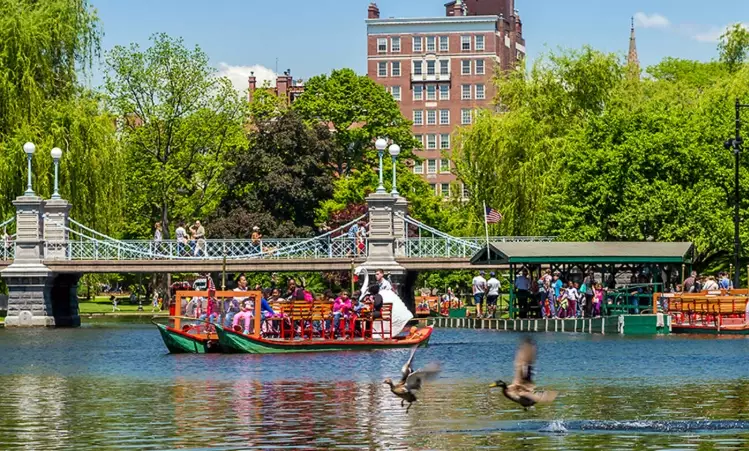
What's a good hidden gem or local secret?
The Warren Anatomical Museum inside Harvard Medical School's Countway Library. It's free and houses one of medical history's most famous specimens: the skull of Phineas Gage, the railroad worker who survived an iron rod through his head. It's macabre, fascinating, and utterly empty compared to the big museums. Check their public hours online first.
When is the best time to visit Boston?
Late spring (May-June) and early fall (September-October) are perfect. The weather is mild, and the city is alive. July-August can be hot and humid, with lots of tourists. October is gorgeous for foliage but packed. Winter (Dec-Feb) has a quiet charm, holiday markets, and cheaper hotels, but be prepared for cold, wind, and potential snowstorms that can shut things down.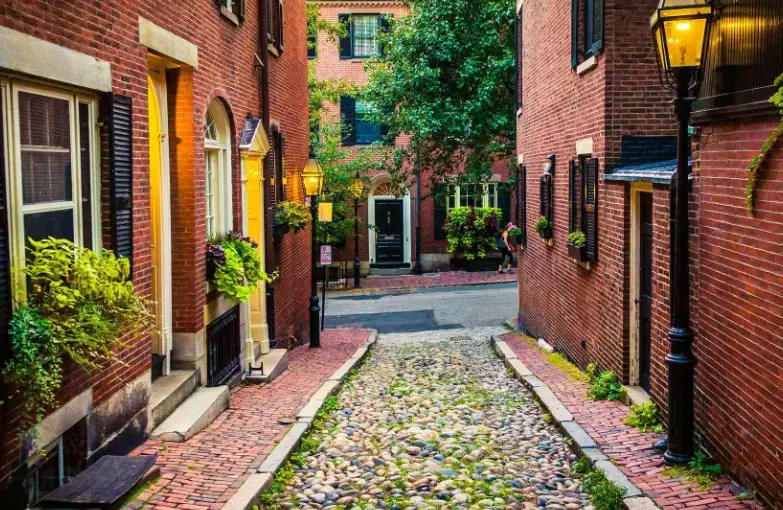
Reader Comments