Let's get straight to it. Boston isn't just a city you visit; it's a place you experience. You can feel the history under your feet on cobblestone streets, taste it in a cannoli from the North End, and see it reflected in the glass of modern skyscrapers. Planning your trip around the best things to do in Boston means weaving together these threads—colonial history, world-class art, vibrant neighborhoods, and yes, fantastic food. Forget the generic lists. I've spent more time wandering these streets than I care to admit, and I'm here to give you the real scoop, from the must-see icons to the spots where locals actually hang out. We'll cover how to navigate, what's worth your money, and how to avoid the classic tourist traps that can eat up your precious time.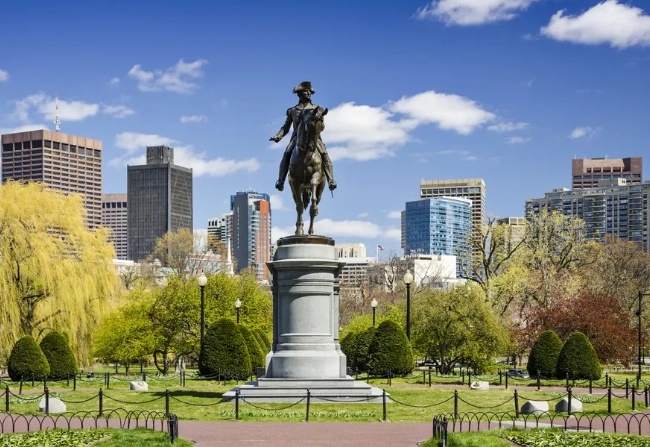
Your Boston Adventure at a Glance
Step Back in Time: The Historic Core
This is where most people start, and for good reason. Boston's role in American history is its backbone. But seeing it right makes all the difference.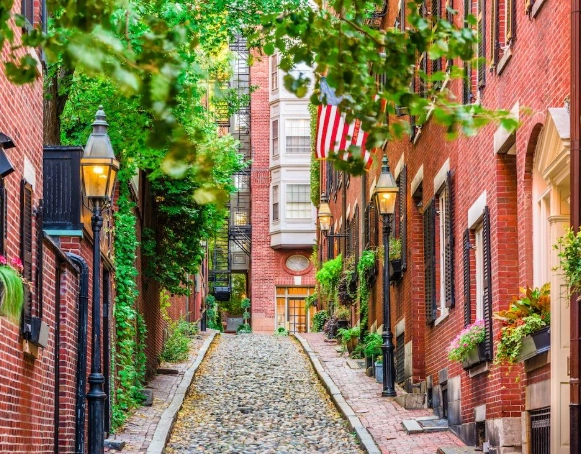
The Freedom Trail: Doing It Right
The 2.5-mile red brick line connecting 16 historic sites is non-negotiable. But here's the secret most blogs won't tell you: don't feel obligated to walk it end-to-end in one go. It's a marathon, not a sprint, and the crowds around Faneuil Hall can be overwhelming. My advice? Start in the middle. Take the T to Park Street (Red or Green Line), pop up at the Boston Common, and then head to the Massachusetts State House (free tours weekdays 10am-3:30pm). Then, walk to the Granary Burying Ground (free, 9am-5pm) to see the graves of Paul Revere and John Hancock. The atmosphere there is quiet and powerful.
From there, you have a choice. Head north to see the USS Constitution (free, Wed-Sun 10am-6pm) in Charlestown—it's a real, centuries-old warship, not a replica. Or head south towards Faneuil Hall. If you go to Faneuil Hall Marketplace, go early. By noon, it's a packed tourist hub. The Boston Tea Party Ships & Museum is a paid attraction ($34.95 adult) but is highly interactive and great for families—you actually get to throw tea chests overboard.
Culture, Art, and Academia
Boston punches far above its weight in brains and beauty. This is a city of students, thinkers, and creators.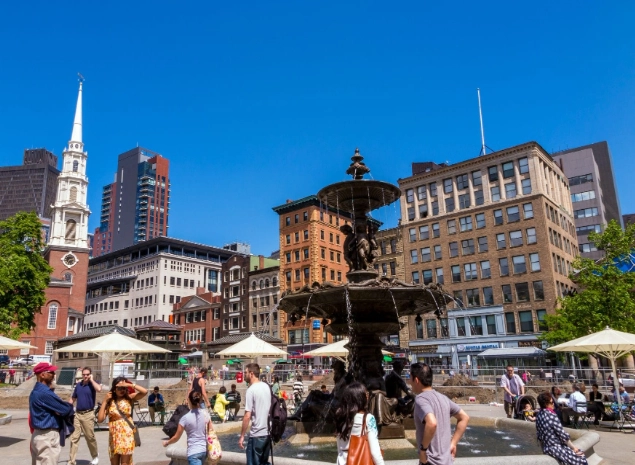
Museum Must-Sees
You can't talk about Boston without mentioning the Museum of Fine Arts (MFA). Located at 465 Huntington Ave, it's accessible via the Green Line's E branch. General admission is $27 for adults. You need at least 3 hours. Don't just wander. Head straight to the Americas Wing and the stunning Art of the Americas galleries. Their collection of John Singer Sargent paintings is unparalleled. For something completely different, the Isabella Stewart Gardner Museum (25 Evans Way, behind the MFA) is my personal favorite. Admission is $20. It's a Venetian-style palace built by a fascinating heiress, filled with art arranged by her own, sometimes quirky, design. The 1990 art heist (still unsolved) adds a layer of intrigue. Pro-tip: If your name is Isabella, you get in free.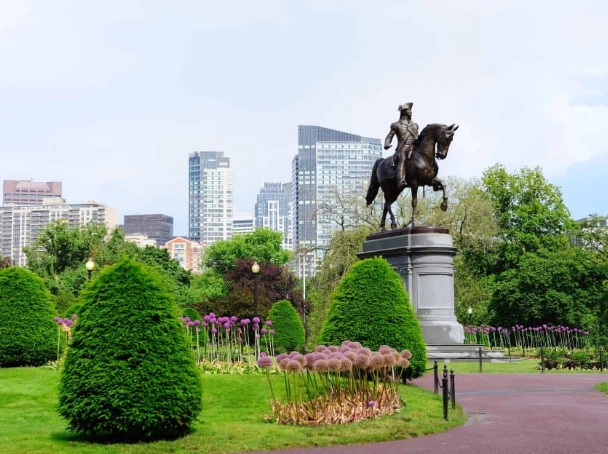
The University Circuit
A trip to Harvard Square in Cambridge is a classic thing to do. Take the Red Line to Harvard Station. Wander the yard (free, though some buildings are off-limits), soak up the vibe, and browse the bookstores. The Harvard Museum of Natural History ($15 adult) is famous for its Glass Flowers exhibit—it's breathtakingly detailed. Across the river, MIT has its own allure. The MIT Museum ($18 adult) focuses on tech, innovation, and holography. The architecture around MIT's campus, like the Stata Center, is worth a walk.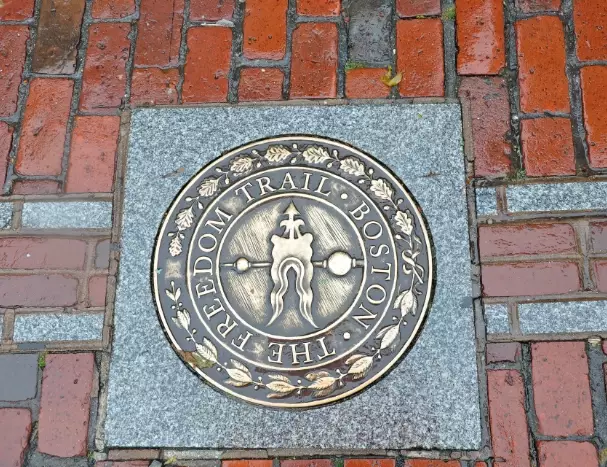
Beyond the Guidebook: Neighborhood Gems
This is where you'll find the Boston that feels lived-in. The city's neighborhoods are distinct villages.
- The North End (Boston's Little Italy): Yes, it's on most lists, but many people get it wrong. They go to the first crowded restaurant on Hanover Street. Walk a block over to Salem or Richmond Streets. For cannoli, the debate is eternal: Mike's Pastry (300 Hanover St) vs. Modern Pastry (257 Hanover St). Mike's is bigger, flashier, and always has a line. Modern is smaller, often has a shorter line, and many locals argue the shells are crispier. Try both and decide. For a quiet moment, find the Paul Revere House ($6 adult) tucked away on a side street—it's the oldest building in downtown Boston.
- Jamaica Plain ("JP"): Accessible via the Orange Line. This is a quirky, green, and relaxed neighborhood. The crown jewel is the Arnold Arboretum (free, dawn to dusk), a 281-acre living museum of trees managed by Harvard. It's perfect for a long, contemplative walk. Afterward, grab a beer at one of the local pubs along Centre Street.
- Charles River Esplanade: Not exactly hidden, but underutilized by tourists focused on downtown. Rent a bike (Bluebikes stations are everywhere) or just walk the paths along the river. The view of the Cambridge skyline from the Boston side, especially near the Hatch Shell, is postcard-perfect. In summer, you might catch a free outdoor movie or concert.
Making It Happen: Practical Trip Planning
How you structure your days depends entirely on your interests and time. Here’s a realistic look at fitting things to do in Boston into a short trip.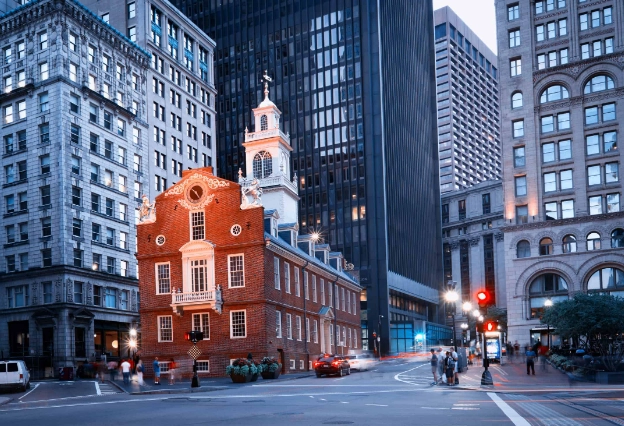
| Trip Length | Focus Area | Sample Must-Dos | Pro Tip |
|---|---|---|---|
| 1 Day | Historic Core & One Highlight | Freedom Trail (half), Boston Common, Faneuil Hall, North End dinner. | Use the subway (the "T") relentlessly. Buy a 1-day pass. Skip interior tours to save time. |
| 2-3 Days | History + Culture Balance | Day 1: Freedom Trail sites. Day 2: Museum (MFA or Gardner), Harvard Square. Day 3: Neighborhood pick (North End/Jamaica Plain) & waterfront. | Get a reloadable CharlieCard for cheaper T fares. Book museum tickets online to skip lines. |
| 4+ Days | Deep Dive & Day Trips | All of the above, plus the ICA (Institute of Contemporary Art), a Red Sox game at Fenway Park, or a day trip to Salem or Gloucester. | Consider a CityPASS if you plan to hit multiple paid attractions. It covers the New England Aquarium, Museum of Science, and more. |
Getting Around: Boston is a walkable city, but the T (subway) is your friend for longer hops. The core system is simple: Red, Green, Blue, Orange Lines. Download the MBTA's official app for real-time schedules. Rideshares and taxis get expensive and get stuck in the same traffic you're walking past.
Where to Stay: Back Bay (near the Public Garden) is central and beautiful. The Theater District/Downtown Crossing is close to everything but can be noisy. Cambridge (especially near Kendall or Central Squares) offers a different, more local vibe with easy T access. For a quieter, neighborhood feel with good transit, look at Brookline (Green Line).
Your Boston Questions, Answered
Boston has a way of staying with you. It's the feeling of standing in a quiet burial ground in the shadow of skyscrapers, the taste of a perfect oyster in a noisy pub, and the sight of sailboats on the Charles River. By mixing the iconic things to do in Boston with a few local secrets, you'll get more than a vacation—you'll get a genuine sense of this proud, historic, and endlessly engaging city. Just remember to pack those comfortable shoes.
Reader Comments