Let's be honest. When you think of the UK countryside, you probably picture rolling green hills, cute stone cottages, and maybe a sheep or two. That's all there, sure. But if that's all you go for, you're missing the point—and the best parts. After a decade of exploring every nook from Cornwall to the Scottish Highlands, I've learned that the real magic lies in the rhythm of village life, the footpaths trodden for centuries, and the pubs where the local ales are as rich as the history. This isn't a postcard tour. It's a practical guide to getting under the skin of rural Britain, helping you plan a trip that's authentic, immersive, and utterly unforgettable. Forget just seeing it; let's talk about how to live it, even if just for a few days.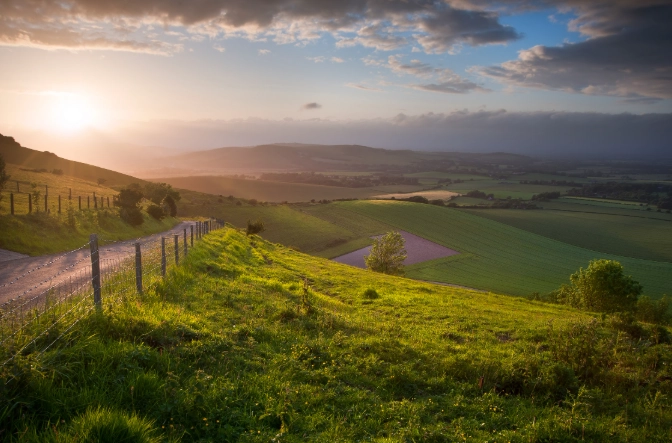
Your Quick Countryside Navigation
The Three Unmissable Villages (And Why)
Everyone heads to the Cotswolds. I get it. The honey-colored stone is gorgeous. But the secret is to pick the villages that still have a soul, not just a high street of tea rooms. Here are my top three, chosen for character, accessibility, and that intangible feeling of stepping back in time.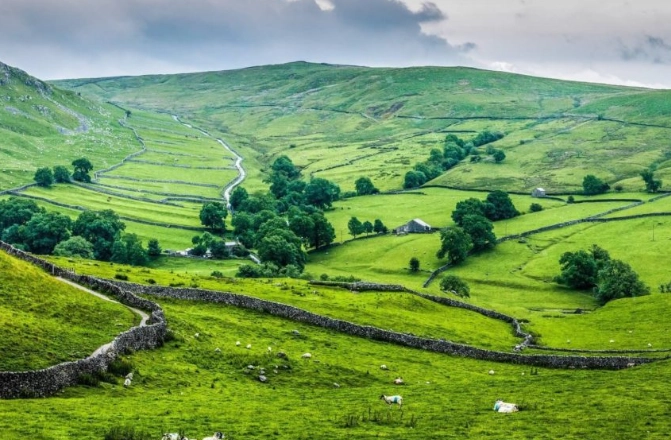
| Village & Region | Address / Location | Core Vibe & Must-See | Best Time to Visit | My Personal Note |
|---|---|---|---|---|
| 1. Bibury, Cotswolds | Gloucestershire, GL7 5NW. About 1.5hrs drive from London. | Arlington Row – the iconic weavers' cottages. The trout farm is oddly peaceful. No real "attractions," just perfect scenery. | Weekday mornings before 11 am. It gets swamped. | Resist the urge to just snap the photo and leave. Walk the path by the River Coln behind the cottages. You'll have it mostly to yourself. |
| 2. Lavenham, Suffolk | Suffolk, CO10 9QZ. Near Sudbury. | A medieval wool town frozen in time. Crooked, colorful timber-framed houses. The Guildhall (National Trust) tells the story best. | Any afternoon. The light on the timbers is stunning. | This isn't a manufactured "pretty" village. It's the real, slightly uneven deal. Pop into The Swan Hotel for a drink in the ancient bar. |
| 3. Portmeirion, North Wales | Gwynedd, LL48 6ET. Near Porthmadog. | An Italianate fantasy village built by Sir Clough Williams-Ellis. It's whimsical, colorful, and completely unique in the UK. | Open daily, 9:30am-5:30pm. Check portmeirion.wales for events. | Yes, there's an entry fee (£17). It's worth it. This is the one place where you embrace the fact it's a designed attraction. The coastal views are incredible. |
Most people cluster in Bibury for an hour and think they've "done" the Cotswolds. The trick is to use it as a launchpad. Drive 10 minutes to lesser-known villages like Upper Slaughter or Snowshill for a quieter, more authentic feel without the tour buses.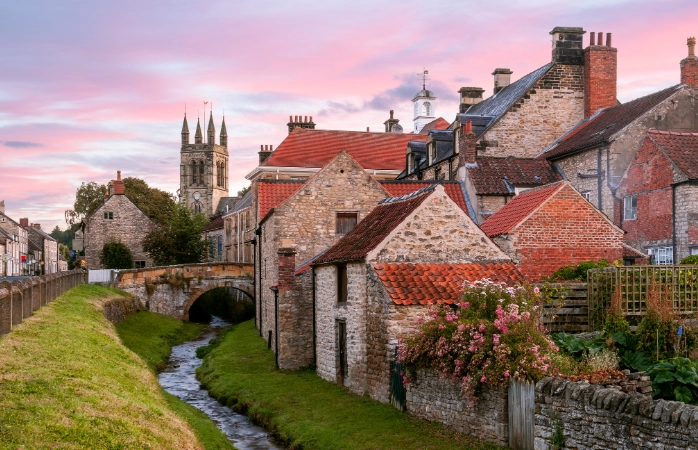
Walking the Land: Trails You Can Actually Do
You haven't experienced the countryside until you've walked it. I'm not talking about marathon hikes. I mean accessible walks that deliver huge scenery with manageable effort. Public footpaths are a national treasure – use them.
The Cotswold Way (A Section)
You don't need to walk the whole 102 miles. The 6-mile section from Broadway to Chipping Campden is pure magic. You start at the Broadway Tower (parking available, postcode WR12 7LB), walk along the ridge with views over the Vale of Evesham, and finish in the elegant high street of Chipping Campden. It's well-signposted. Allow 3 hours with photo stops. End at the Eight Bells pub for a well-earned pint.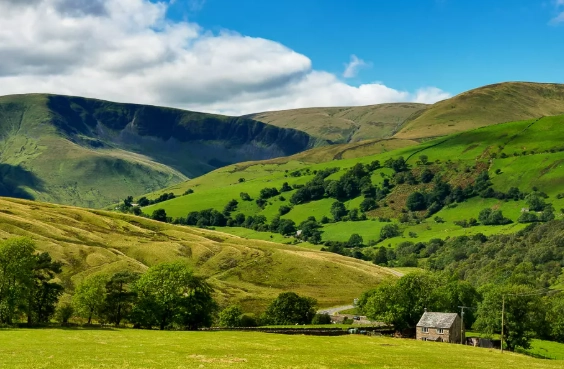
Lake District: Buttermere Lake Circuit
Forget trying to climb Scafell Pike on a weekend trip. The 4.5-mile loop around Buttermere Lake is the Lake District's greatest hit. It's flat, takes about 2 hours, and the mountains (Fleetwith Pike, Haystacks) reflect perfectly in the water. Park at the National Trust car park in Buttermere village (CA13 9UZ). Get there early, even in summer, as it fills up. The beauty is you're immersed in epic scenery without the grueling climb.
Pembrokeshire Coast Path: St Davids Head
For rugged coastal drama, Wales is unbeatable. The circular walk from St Davids (Britain's smallest city) out to St Davids Head is about 4 miles. You'll see ancient cairns, wildflowers, seals, and endless ocean. The path is clear but can be windy – wear a jacket. Start from the visitor center in St Davids (SA62 6PE). Afterwards, grab fresh crab sandwiches from The Really Wild Emporium in town.
My one non-negotiable tip? Get the Ordnance Survey (OS) Maps app. Unlike Google Maps, it shows every public footpath, stile, and contour line. It's saved me from countless wrong turns in misty fields.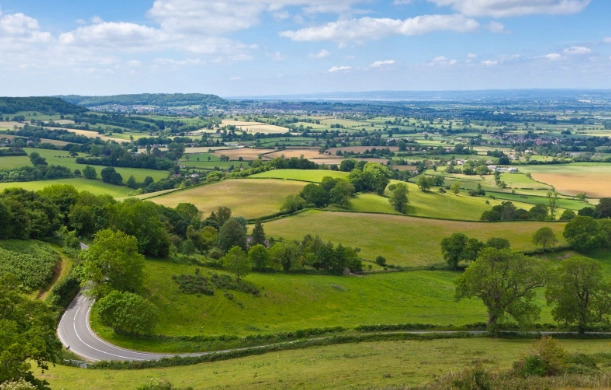
Where to Sleep, What to Eat: No Guesswork Needed
Chain hotels don't belong here. The right accommodation is half the experience.
Accommodation Shortlist:
• The Swan at Streatley (Berkshire, RG8 9HR): A chic inn on the River Thames. Perfect for combining countryside with river walks. Rooms from £180/night. Book the river-view ones.
• The Old Mill Hotel (Lower Slaughter, GL54 2HS): Right in a dreamy Cotswold village by the stream. It's cozy, full of character, and the breakfast is superb. From £160/night. It's small, so plan ahead.
• For self-catering, Sykes Cottages or the National Trust Holidays website offer curated, high-standard options in actual cottages and historic properties.
Now, food. Sunday Roast is a religion. Don't just have it anywhere. A good pub roast will have a choice of meats (beef, pork, chicken), fluffy Yorkshire puddings, roast potatoes, and local veggies. Look for pubs with a "Chef & Brewer" or those recommended by the Good Pub Guide. In the Cotswolds, The King's Arms in Didmarton (GL9 1DW) does a stellar one.
Beyond the roast:
• Cream Tea: It's scones, clotted cream, jam, and tea. Do you put cream or jam first? In Devon, cream first. In Cornwall, jam first. Pick a side and enjoy the debate.
• Local Ales: Ask for the local bitter. In Sussex, try Harvey's. In Yorkshire, try Theakston's Old Peculiar. A half-pint is a perfectly acceptable order if you're driving.
• Farm Shops: Your best friend for picnic supplies. Daylesford Organic in the Cotswolds is famous (and pricey), but smaller ones like Stretton Hall Farm Shop in Cheshire are just as good.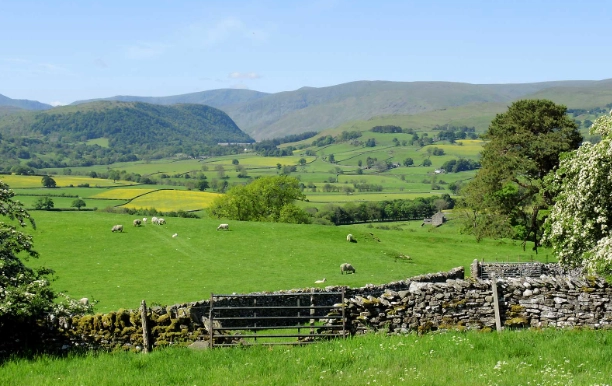
How to Build Your Perfect 3-Day Itinerary
Let's make this concrete. Here’s a sample itinerary based in the Cotswolds, mixing the iconic with the off-beat.
Day 1: Villages & History
Morning: Arrive early at Bibury. Do the riverside walk. Drive to Snowshill Manor (National Trust, GL56 0QJ), a bizarre and wonderful house full of one man's eclectic collections. It's far more interesting than another manor house.
Afternoon: Lunch in Broadway. Walk the high street but then drive up to Broadway Tower for the panoramic view.
Evening: Check into your hotel in a village like Blockley or Stow-on-the-Wold. Dinner at a pub like The Bell at Stow.
Day 2: The Big Walk & Market Town
Morning: Tackle the Broadway to Chipping Campden walk section mentioned earlier. Use two cars or a local taxi to shuttle back.
Afternoon: Explore Chipping Campden properly. Visit the Market Hall. Have a late lunch.
Evening: Relax. Maybe a drink at a village local like The Ebrington Arms in Yewington.
Day 3: Off the Beaten Path & Departure
Morning: Visit Bourton-on-the-Water early (by 9:30 am) to see it before the crowds descend. Then, escape to nearby Lower Slaughter. Walk the mill path – it's tranquil and beautiful.
Afternoon: Pick one last stop based on your interest: Cotswold Distillery for a tour (WR12 7NJ) or Batsford Arboretum for a peaceful stroll (GL56 9QB). Then begin your journey home.
The Tips Most Travel Guides Won't Tell You
- Driving: Those narrow lanes with high hedges are no joke. They're called "single track with passing places." The rule is simple: the closest passing place behind you is where you reverse to. Don't panic, go slow, and be courteous. Hiring a smaller car is not a suggestion, it's a necessity.
- Parking: Village car parks are often run by councils via pay-by-phone apps (RingGo, PayByPhone). Download one before you go. Have change as a backup.
- The Weather Rule: Pack for all four seasons in one day. A waterproof jacket is more important than an umbrella (it's too windy). Good walking shoes with grip are essential, even for village-hopping – paths can be muddy and uneven.
- The Golden Hour: The most beautiful light, and the quietest time in even the busiest villages, is the hour before sunset. That's your prime photography and wandering time.
- Respect: Close gates behind you. Keep dogs on leads near livestock. Don't trample crops. This is working land, not just a theme park.
Your Countryside Questions, Answered
Relying solely on their sat-nav down the narrowest possible lanes to save 2 minutes. Set your GPS to "avoid unpaved roads" if possible, and trust the B-roads (the smaller numbered roads). They're often more scenic and wider than the unnamed lanes the algorithm loves. Also, don't park in passing places or block gateways. You will get a very stern note (or worse) from a farmer.
Absolutely, but you must be strategic. Pick one area. For a classic taste, take the train to Moreton-in-Marsh (about 1h 30m from London Paddington). From there, use the local Pulhams Coaches service or a pre-booked taxi to visit Bourton-on-the-Water and Stow-on-the-Wold. You'll get the vibe without the stress of driving back tired. A more unique day trip is hiking a section of the North Downs Way near Guildford (accessible by train) for proper rolling hills closer to the city.
A physical paper map or a fully downloaded offline area on your OS App. Mobile signal is notoriously patchy. Also, a small power bank for your phone, as using GPS drains the battery fast. And I'll say it again: a proper waterproof jacket, not a fashion coat. The wind and rain come sideways here.
Use public transport where possible. Trains to key hubs like York, Windermere, or Aviemore are efficient. From there, use local buses, hire bikes, or join guided walks. Support local businesses—the farm shop, the village pub, the independent B&B. Avoid flying drones over farmland or near livestock; it causes massive stress to animals. The UK's Countryside Code, outlined on the UK Government website, is your essential guide.
Incredibly so, but with major responsibilities. Most pubs with gardens allow dogs, and many B&Bs are dog-friendly (always check when booking). The critical rule: you MUST keep your dog on a short lead around livestock, especially sheep, even if you can't see them. Farmers are legally protected to shoot dogs worrying sheep. Also, always, always pick up the poop and take it to a bin.