Your Quick Jump to Nordic Flavors
- What Exactly is Scandinavian Food?
- 5 Must-Try Traditional Scandinavian Dishes
- Where to Eat Authentic Scandinavian Food: Restaurant Picks
- How to Cook Scandinavian Food at Home
- The New Nordic Cuisine: What's the Buzz?
- Common Mistakes When Trying Scandinavian Food (From a Local's View)
- Frequently Asked Questions
Scandinavian food isn't just about meatballs and salmon—though those are great. It's a cuisine shaped by harsh winters, abundant coastlines, and a deep respect for ingredients. I've spent years eating my way through Denmark, Sweden, and Norway, and let me tell you, there's more to it than IKEA's menu. This guide cuts through the hype to give you the real deal on Nordic flavors, whether you're planning a trip or cooking at home.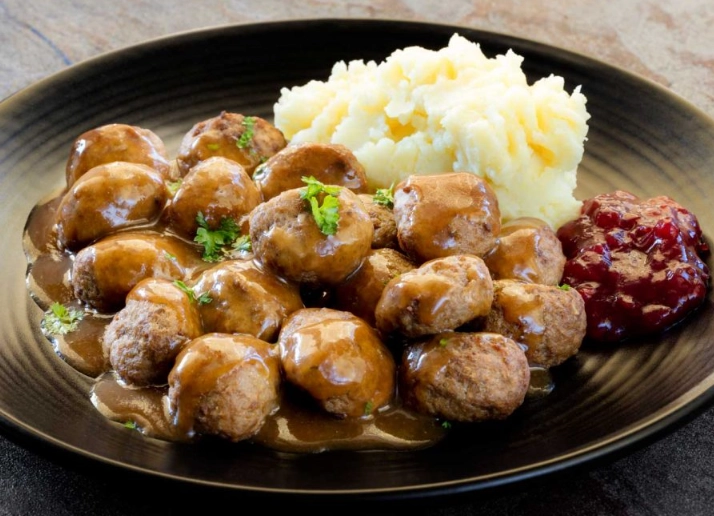
What Exactly is Scandinavian Food?
Think of Scandinavian food as the cooking of Denmark, Sweden, Norway, and sometimes Finland and Iceland. It's built on simplicity, seasonality, and preservation. Long winters meant people had to pickle, cure, and smoke foods to last. That's why you see so much gravlaks (cured salmon) or pickled herring. But it's not all old-school. Modern Nordic cuisine, led by places like Noma in Copenhagen, has turned this tradition into a global phenomenon, focusing on foraging and local produce. The Nordic Council of Ministers even promotes this as part of their cultural heritage, but on the ground, it's about hearty, comforting meals that fill you up on a cold day.
One thing I noticed: Scandinavians take their food seriously but without fuss. A Danish lunch of smørrebrød is an art form, yet it's everyday eating. Don't expect heavy sauces or complex spices—the flavors are clean, often letting the ingredient shine. If you're used to bold Mediterranean tastes, this might feel subtle at first, but give it time. The depth comes from techniques like curing or slow-cooking.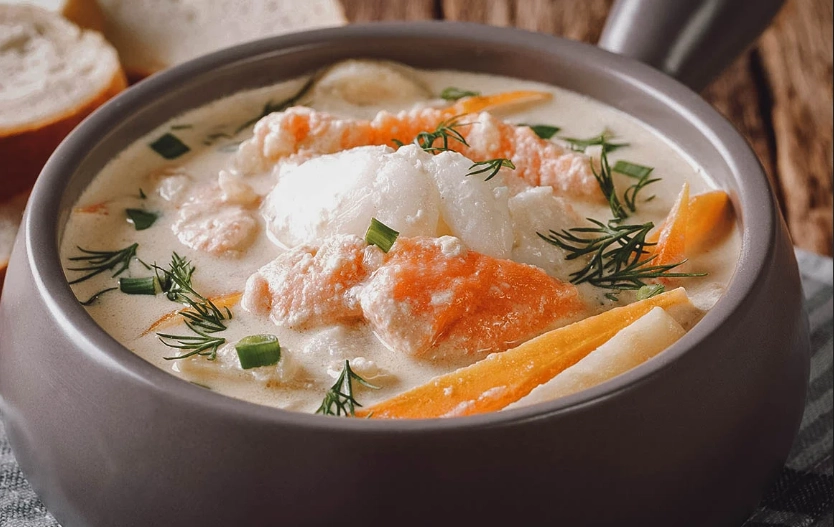
5 Must-Try Traditional Scandinavian Dishes
Skip the generic lists. Here are the dishes you actually need to try, ranked by how essential they are to understanding the cuisine. I've included where to find them and what makes them special.
1. Swedish Meatballs (Köttbullar)
Yes, they're famous for a reason. But the real deal isn't just balls of meat—it's the creamy gravy, lingonberry jam, and mashed potatoes that complete it. In Stockholm, I had them at Meatballs for the People (Södermalm district), and they use organic meats with options like moose or reindeer. A plate costs around 150 SEK ($14), and it's worth every krona. Open daily 11 AM–10 PM. The key is the blend of beef and pork, plus a pinch of allspice that gives that signature warmth.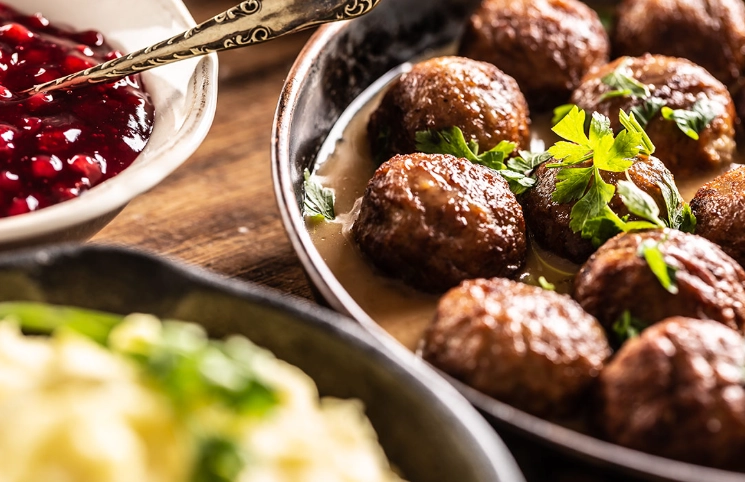
2. Danish Smørrebrød (Open-Faced Sandwiches)
This isn't just a sandwich; it's a meal on rye bread. Toppings range from pickled herring to roast beef with remoulade. In Copenhagen, Restaurant Schønnemann (Hauser Plads 16) has been doing it since 1877. Expect to pay 80–150 DKK ($12–22) per piece. They're open Monday–Saturday 11:30 AM–5 PM. My tip: order a few to share, and don't skip the snaps (aquavit) on the side—it cuts through the richness.
3. Norwegian Gravlaks (Cured Salmon)
Cured with dill, sugar, and salt, this salmon is silky and slightly sweet. It's often served with mustard sauce. In Oslo, Fiskeriet (Youngstorget 2b) does a fantastic version for about 180 NOK ($17). Open Monday–Saturday 11 AM–9 PM. What most recipes miss: the salmon needs to cure for at least 48 hours, and using fresh dill is non-negotiable.
4. Finnish Karelian Pies (Karjalanpiirakat)
These rye crust pies filled with rice porridge are a Finnish staple. They're cheap, often under 5 EUR each, and best tried at local markets like Helsinki's Hakaniemi Market Hall. I found them a bit dry on their own, but with egg butter, they're addictive. Open Monday–Saturday 8 AM–6 PM.
5. Icelandic Lamb Soup (Kjötsúpa)
A hearty soup with lamb, root vegetables, and herbs. In Reykjavik, Svarta Kaffið (Laugavegur 54) serves it in a bread bowl for 2,500 ISK ($18). Open daily 11 AM–11:30 PM. The lamb here is free-range, giving a richer flavor than you'd get elsewhere.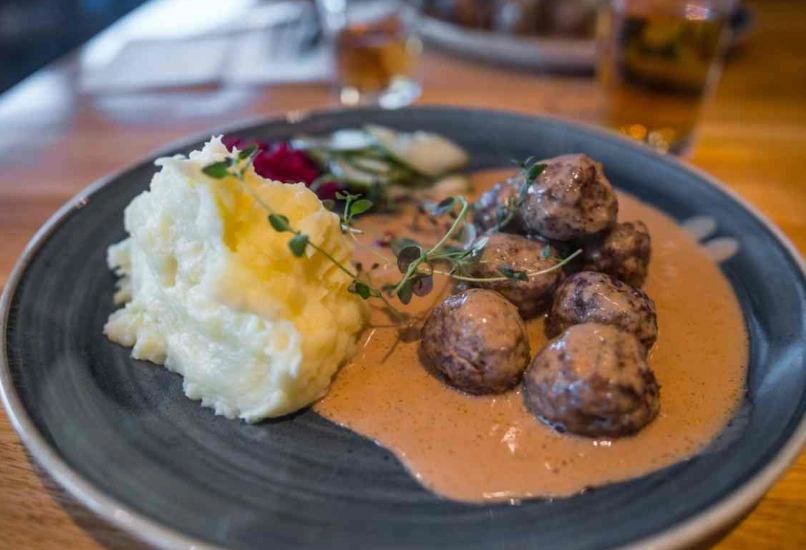
Pro tip: Many tourists stick to capital cities, but in smaller towns, you'll find cheaper and often more authentic versions. In Sweden, for example, a roadside café in Dalarna served me meatballs that beat any Stockholm spot.
Where to Eat Authentic Scandinavian Food: Restaurant Picks
Here's a table of restaurants across Scandinavia that I've personally visited or vetted through local friends. It includes practical details so you can plan your meals without guesswork.
| Restaurant Name | Location (Address) | Specialty Dish | Price Range (per person) | Hours | Notes/My Rating |
|---|---|---|---|---|---|
| Noma | Refshalevej 96, Copenhagen, Denmark | New Nordic tasting menu | High-end (2,500–3,500 DKK / $360–500) | Reservation only, seasonal openings | Overhyped? Maybe, but the foraging dishes are unforgettable. Book months ahead. |
| Pelikan | Blekingegatan 40, Stockholm, Sweden | Traditional Swedish husmanskost (home cooking) | Moderate (200–300 SEK / $19–28) | Mon–Sat 4 PM–1 AM, Sun 1 PM–1 AM | Dark wood, old-school vibe. Try the pytt i panna (hash). Cash only, which is annoying. |
| Fru Hagen | Kjølberggata 58, Oslo, Norway | Vegetarian Nordic plates | Budget-friendly (150–250 NOK / $14–23) | Daily 11 AM–11 PM | A cozy spot with vegan options. Their mushroom stew is a winner. |
| Kokkari | Not Scandinavian, but for comparison: San Francisco, USA | Greek food | N/A | N/A | Just kidding—this shows how global Nordic food isn't yet. Stick to local joints abroad. |
If you're on a budget, look for lunch deals. In Copenhagen, many cafes offer "dagens ret" (dish of the day) for under 100 DKK ($14). And don't overlook food halls—like Oslo's Mathallen, where you can sample multiple vendors.
How to Cook Scandinavian Food at Home
You don't need fancy tools. Start with Swedish meatballs. Here's a simplified recipe I use, adapted from my Swedish friend's grandmother:
- Ingredients: 500g ground beef/pork mix, 1 onion (finely chopped), 1 egg, breadcrumbs, milk, butter, flour, beef broth, cream, lingonberry jam.
- Steps: Mix meat, onion, egg, soaked breadcrumbs. Form balls, fry in butter. For gravy, use the pan drippings, add flour, then broth and cream. Simmer until thick.
- Common error: Overworking the meat makes tough balls. Handle gently.
For smørrebrød, use dense rye bread. Top with smoked salmon, a dollop of crème fraîche, and dill. It's that easy. I often make this for quick dinners, and it feels gourmet without effort.
Resources: The Nordic Food Lab (an offshoot of Noma) publishes open-source recipes online, but they can be complex. For beginners, check out cookbooks like "The Nordic Cookbook" by Magnus Nilsson—it's thorough but pricey.
The New Nordic Cuisine: What's the Buzz?
This movement started in the 2000s with chefs like René Redzepi. It emphasizes local, seasonal, and foraged ingredients. Think dishes with moss, sea buckthorn, or fermented vegetables. It's not just fine dining; it's influenced home cooking too, with more focus on vegetables and less meat.
But here's my take: while innovative, it can feel pretentious. I ate at a New Nordic pop-up in Bergen, and the portion was tiny for 400 NOK ($37). Worth it? For experience, yes. For hunger, no. The real impact is sustainability—Scandinavians are big on reducing food waste, something we can all learn from.
If you want to try it, look for mid-range restaurants offering "New Nordic-inspired" menus. In Malmö, Vollmers does a great tasting menu at a lower price than Copenhagen spots.
Common Mistakes When Trying Scandinavian Food (From a Local's View)
After talking to locals, here's what tourists get wrong:
- Mistake 1: Expecting spicy food. Scandinavian cuisine uses herbs like dill and chives, not chili. If you crave heat, you'll be disappointed.
- Mistake 2: Skipping breakfast hotels. Nordic breakfast buffets are legendary—with cheeses, cured meats, and yogurt. Don't rush it; it's a meal in itself.
- Mistake 3: Overlooking fermented foods. Surströmming (fermented herring) is infamous, but milder versions like fermented cabbage are worth a try. I tried surströmming once—the smell is real, but the taste is milder than expected. Still, not for everyone.
- Mistake 4: Assuming it's all healthy. Yes, there's fish and berries, but also lots of butter, cream, and sugar in pastries like kanelbullar (cinnamon buns). Balance is key.
My advice: embrace the simplicity. Order the daily special, ask servers for recommendations, and don't be afraid to eat with your hands—smørrebrød is often picked up.
Frequently Asked Questions
Scandinavian food is more than a trend; it's a way of eating that connects land and table. Whether you're savoring a simple herring snack in Bergen or attempting a New Nordic recipe, the key is to enjoy the process. I still mess up my meatballs sometimes, but that's part of the fun. Now, go explore—and don't forget the lingonberries.
Reader Comments