Let's be honest. The moment you type "California vacation spots" into Google, you're hit with a tidal wave of options. Beaches, cities, mountains, deserts—it's enough to make your head spin. You don't just want a list; you want to know what each place feels like, how much it costs, and the secret to avoiding the tourist traps. After a decade of exploring every corner of this state, from forgotten coastal towns to packed urban hubs, I've learned that the perfect California trip isn't about seeing everything. It's about matching the right spot to your travel style.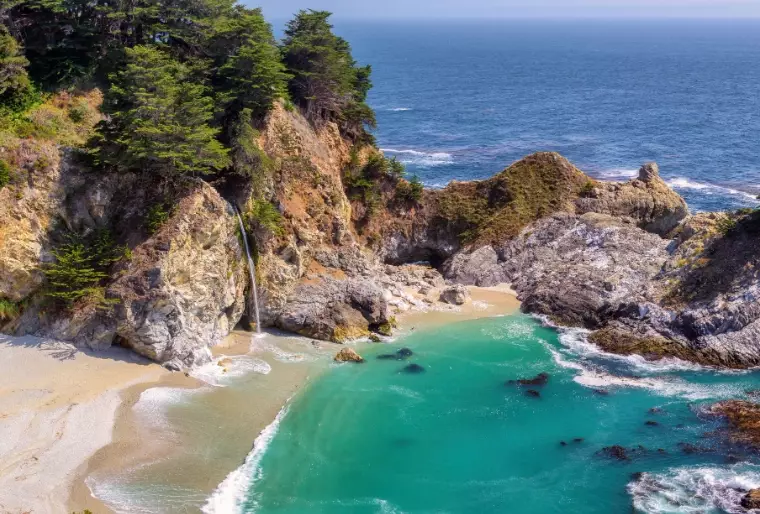
Your California Trip Planner: Jump to What Matters
The Classic Coastal Escapes (More Than Just a Beach)
Everyone pictures the California coast. But the 840-mile coastline offers wildly different personalities. Picking the right stretch is everything.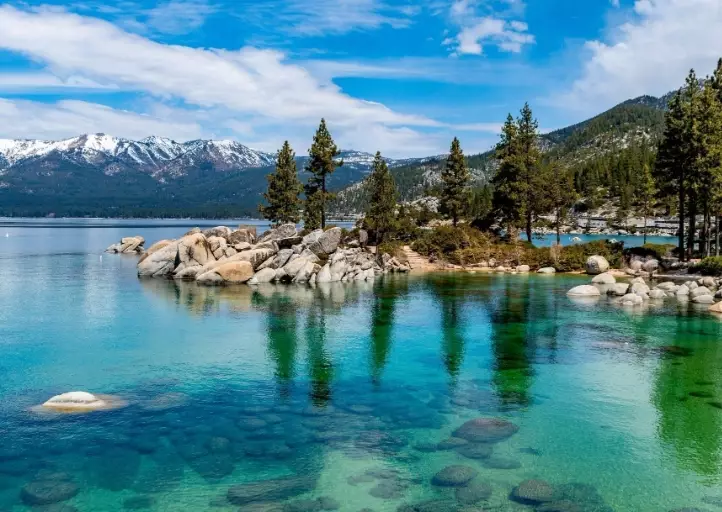
Santa Barbara: The Refined Riviera
Think red-tile roofs, Spanish architecture, and vineyards rolling down to the sea. Santa Barbara isn't a party beach town; it's an elegant, walkable escape. The main draw is Stearns Wharf and State Street lined with boutiques and cafes. Don't just walk State Street—rent an electric bike and cruise the waterfront path to Butterfly Beach.
Need to Know: Santa Barbara
Getting There: A 1.5 to 2-hour drive north from Los Angeles (traffic depending). Amtrak's Pacific Surfliner stops right downtown and is a stunning, stress-free option.
Parking Tip: Use the city's public parking structures off State Street. They're cheaper than street parking and have easy validation at local shops.
Can't-Miss Bite: The lobster roll at The Lark on State Street. Pricey, but worth it.
Big Sur: The Dramatic Wilderness Drive
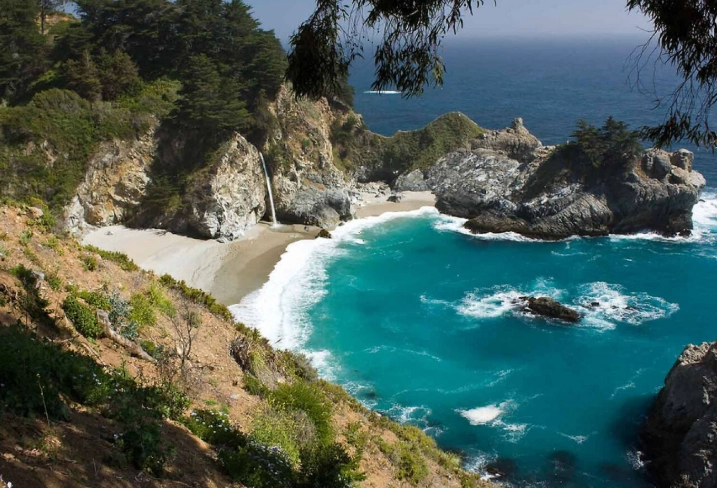
This isn't a single spot—it's an experience. Highway 1 winding between towering redwoods and crashing waves is the star. You go for the drive, the hikes, and the feeling of raw power. McWay Falls at Julia Pfeiffer Burns State Park is the iconic photo op (an 80-foot waterfall onto a beach).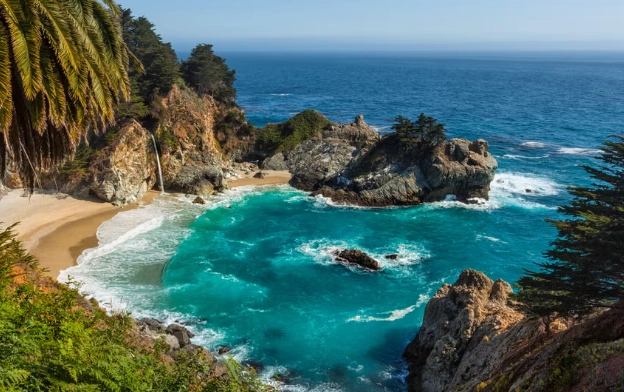
A common mistake? Trying to do it as a day trip from Monterey. You'll spend more time in the car than soaking it in. Book a night at a rustic lodge like Deetjen's Big Sur Inn. Their cabins have historic charm (and thin walls, fair warning), but waking up in the redwoods is magic.
Mendocino: The Rugged, Artsy North
If you want to escape the Southern California vibe entirely, head north. Mendocino is a windswept, Victorian village perched on cliffs, surrounded by dense forest. It feels more like coastal New England. The Mendocino Headlands State Park trails, right from the village edge, offer free, breathtaking coastal access.
My personal favorite secret here? The tiny, hidden Glass Beach in nearby Fort Bragg. It's not made of sand, but of smooth, sea-tumbled glass pebbles from an old dump site. Go at low tide, and be respectful—taking the glass is now prohibited to preserve it.
Vibrant Urban Adventures (Beyond the Obvious)
California's cities are worlds apart. Choosing between them defines your trip's energy.
San Francisco: The Compact Classic
Yes, see the Golden Gate Bridge. But skip the crowded pier 39 sea lions (they smell, honestly) and walk across the bridge itself, or bike it from Fisherman's Wharf to Sausalito and take the ferry back. For a true local neighborhood, spend an afternoon in The Mission. Get a burrito (the debate between La Taqueria and El Farolito is a sacred local ritual), see the incredible Balmy Alley murals, and wander Dolores Park.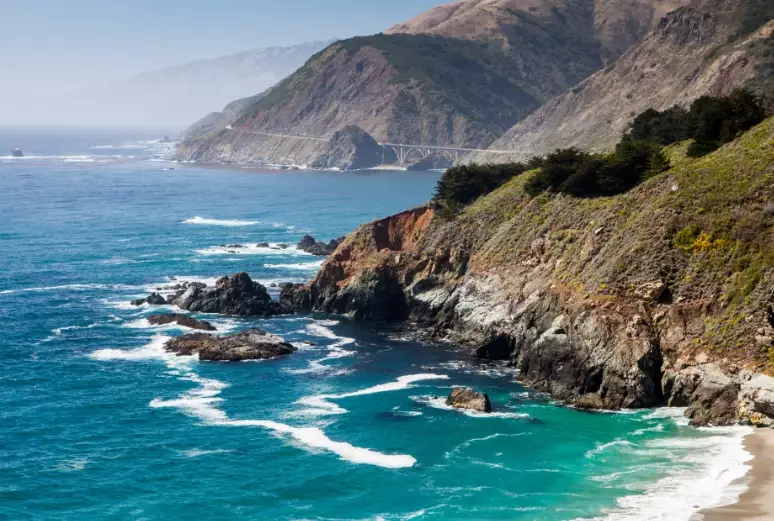
Need to Know: San Francisco
Public Transit: Use Muni buses and streetcars. The Clipper Card is your best bet for seamless payment. Driving and parking downtown is an expensive nightmare.
Alcatraz Tickets: Book these weeks, not days, in advance through the official National Park Service site. The night tour is spookier and less crowded.
Weather Reality: That Mark Twain quote about the coldest winter is true. Pack layers, especially a windbreaker, even in summer.
Los Angeles: The Sprawling Mosaic
LA is not a city you "see." You pick a couple of neighborhoods and dive in. Want glitz and hikes? Beverly Hills and the Griffith Observatory trails. Want quirky and creative? Silver Lake and Los Feliz. A major error is trying to cram Santa Monica, Hollywood, and Downtown into one day—you'll just sit on the 405 freeway.
Instead, commit to a zone. For a beach-and-culture day, start with an early walk on Venice Beach Boardwalk (it gets chaotic by noon), then drive 10 minutes inland to the incredible art at the Getty Center (free admission, $20 parking). The views of the city from there are unbeatable.
San Diego: The Easy-Going Alternative
San Diego feels like California slowed down and took a deep breath. The weather is near-perfect, and everything feels more manageable. Balboa Park is the heart of it—museums, gardens, and the world-famous San Diego Zoo all in one sprawling, Spanish Colonial Revival-style complex. You need a full day here alone.
For families, the beach towns north of the city like Carlsbad or Encinitas offer a more relaxed base than staying right downtown, with great beaches and the Legoland resort nearby.
Unforgettable Nature Retreats (The Inland Majesty)
Leaving the coast reveals California's staggering scale and variety.
Yosemite National Park: The Iconic Valley
Yosemite Valley, with El Capitan and Half Dome, is what you imagine. It's also what everyone imagines. From May to September, it's packed. The secret? Stay inside the park if you can afford it (bookings on recreation.gov open exactly one year in advance). Waking up in the valley before the day-trippers arrive is transformative.
If you can't get a valley lodge, consider staying near the Tioga Pass entrance (summer/fall only) and exploring the high country around Tuolumne Meadows. It has alpine lakes and meadows with a fraction of the crowds.
Lake Tahoe: The Year-Round Playground
A massive, crystal-clear alpine lake straddling the California-Nevada border. The south shore (Stateline) has casinos and nightlife. The west shore (Tahoma, Homewood) is quieter, with cozy cabins. In summer, rent a kayak from Sand Harbor on the Nevada side (get there by 8 AM to get in). In winter, the skiing is world-class.
Death Valley National Park: The Stark Beauty
This is the anti-beach vacation. It's extreme, otherworldly, and utterly compelling. Visit from November to March when temperatures are humane. Must-sees include Badwater Basin (the lowest point in North America), the artist's palette drive, and the Mesquite Flat Sand Dunes at sunrise.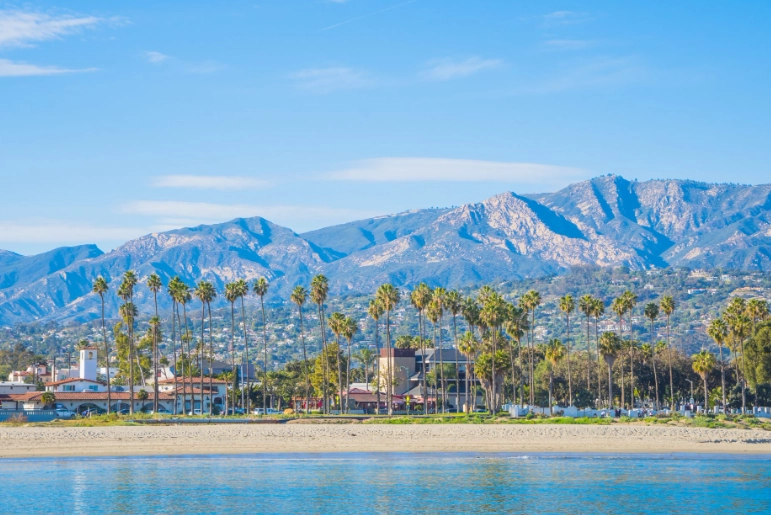
Critical advice: Fill your gas tank whenever you see a station. Carry at least one gallon of water per person in your car at all times. Your phone will not work in most of the park. Tell someone your itinerary.
How to Plan Your California Vacation: The Nuts and Bolts
Here’s the practical stuff they don’t always tell you.
- Car Rental is Non-Negotiable (except maybe in SF). Public transit between cities and to natural areas is limited. Book your rental car as early as you book your flights. Prices skyrocket.
- Accommodation Strategy: Coastal and park-adjacent towns fill up fast. For summer trips, aim to book 6-9 months out. Consider vacation rentals outside the main hubs for better value.
- Budget Realistically: California, especially coastal cities, is expensive. A decent hotel room starts at $200/night, gas is pricey, and restaurant meals add up. Factor in parking fees ($40-$60/day in city hotels).
- The Crowd Calendar: Shoulder seasons (April-May and September-October) offer the best balance of good weather and smaller crowds. Summer is peak everywhere. Winter is great for cities and deserts, but mountain passes can close.
Don't try to see it all. Pick a coast, a city, and maybe a park. Give yourself time to get lost down a side street, linger over a coffee, or take an unplanned hike. That's where the real California magic happens.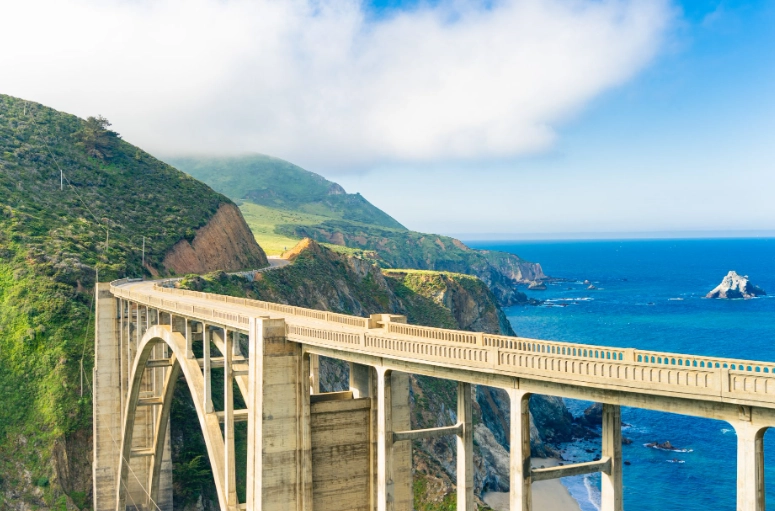
Your California Travel Questions Answered
Reader Comments