Italy isn't a single destination; it's a collection of experiences. You've got ancient history elbowing Renaissance art, vineyard-dotted hillsides falling into turquoise seas, and chaotic cities just a train ride from silent, timeless villages. The problem isn't finding something to see—it's figuring out what to see first without getting overwhelmed. Let's cut through the postcard clichés and talk about the places that actually deliver, with the nitty-gritty details you need to plan.
Your Italian Journey at a Glance
Rome: Where History is Around Every Corner
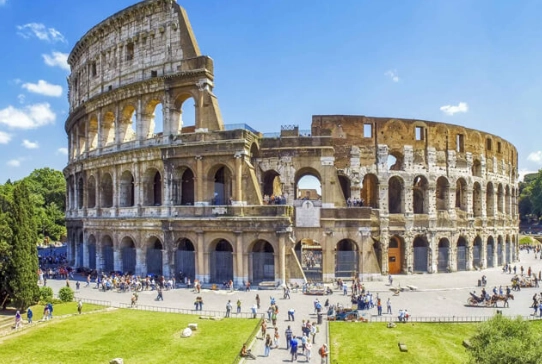
Rome doesn't feel like an open-air museum. It feels like a messy, glorious, layered cake where you're standing on the icing and the crumbs of 2,800 years are all around you. The big three—the Colosseum, Roman Forum, and Palatine Hill—are a single ticket, and that's where most people make their first mistake.
Beyond the ancient core, Vatican City is its own sovereign headache. The Sistine Chapel is inside the Vatican Museums, a 4-mile walk through galleries before you get to Michelangelo's ceiling. Booking a "Prime Entry" or "Breakfast at the Museums" tour gets you in before the public doors open. It's pricey, but the alternative is shuffling through rooms packed like sardines.
My personal can't-miss? The Pantheon. It's free (as of now, though a small fee is rumored), and walking into that perfect dome, with the oculus beam of light cutting through the air, is a spiritual experience regardless of your beliefs. Get there at opening (9 AM, noon on Sundays) to have a moment of quiet.
Tuscany: A Living Postcard
You've seen the pictures. Rolling hills, cypress trees, and hilltop towns. The secret? It actually looks like that. Florence is the artistic anchor, but the real magic is in the countryside.
Florence: Art Overload Done Right
The Uffizi Gallery holds a ridiculous amount of masterpieces. Don't try to see it all. Book a timed ticket online, sprint to Botticelli's "Birth of Venus" and "Primavera" first (they're in Room 10-14), then wander. The Accademia is simpler: it's basically a room built to house Michelangelo's "David." Book ahead or prepare for a monumental wait.
Climb to Piazzale Michelangelo for the sunset view over the city's terracotta rooftops and the Duomo. It's touristy, but for a reason.
The Hill Towns: San Gimignano, Siena, and Beyond
Rent a small car. Trust me, the freedom is worth it. The big buses can't get into the historic centers anyway.
| Town | Key Attraction | Pro Tip / Vibe |
|---|---|---|
| San Gimignano | The medieval "towers" skyline. | Extremely popular. Arrive before 10 AM or after 5 PM. Gelato from Gelateria Dondoli (world champion) is mandatory. |
| Siena | The shell-shaped Piazza del Campo & the Duomo. | Less rushed than Florence. The black-and-white striped cathedral interior is mind-blowing. Stay overnight if you can. |
| Montepulciano | Renaissance palaces & Vino Nobile wine. | Steep streets, incredible wine cellars carved into the cliffs beneath the town. Feels more "lived-in" than some others. |
I once got lost on a tiny road near Montepulciano and stumbled upon a family-run winery with no sign. We spent the afternoon tasting in their garden. That's the Tuscany you're looking for—it's off the SP (Strada Provinciale) roads.
Venice: Navigating the Canal Maze
Venice is a feeling. It's also crowded, expensive, and can feel like a theme park if you only stick to the path between St. Mark's Square and the Rialto Bridge.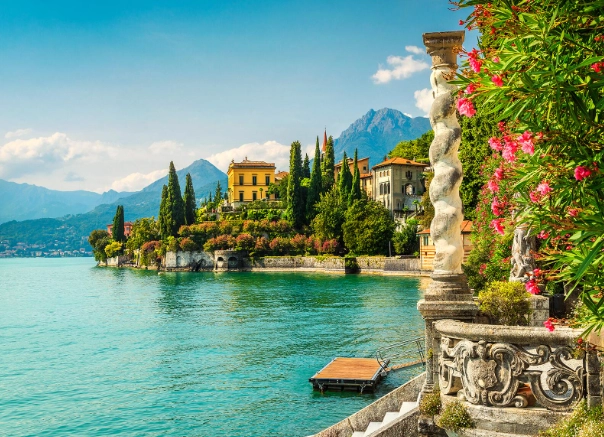
The must-dos are obvious: St. Mark's Basilica (book a skip-the-line ticket for a specific time), the Doge's Palace, and a gondola ride. About that gondola: the official rate is €80 for 30 minutes during the day (€100 after 7 PM) for up to 5 people. It's fixed. Don't negotiate. To make it worth it, choose a route through the small, quiet back canals, not the busy Grand Canal. Ask your gondolier for the "inner canals" before you get in.
For a quintessential Venetian moment, take the public vaporetto (water bus) Line 1 down the Grand Canal at golden hour. It's a fraction of the price of a water taxi and just as scenic.
The Amalfi Coast: Coastal Drama
This is Italy's glamorous, dramatic coastline. The views are vertical—sheer cliffs, terraced lemon groves, and towns that look glued to the rock. It's not a beach holiday; it's a scenic, somewhat chaotic, driving (or ferrying) holiday.
Positano is the icon, all pastel houses tumbling to the sea. It's stunning, steep, and packed. Amalfi has the grand cathedral and is a major ferry hub. Ravello, up in the clouds, offers sublime gardens (Villa Cimbrone, Villa Rufolo) and concert series with views that defy description.
How to get around? Driving the SS163 coastal road is an exercise in nerve control—narrow, with buses swinging around blind corners. Most seasoned travelers use the SITA buses between towns or, better yet, the ferries. The ferry gives you the postcard view from the water and avoids the traffic entirely. Check the schedules from companies like Travelmar.
Base yourself in Sorrento for better value and ferry/rail connections to Pompeii and Capri. Speaking of which, a day trip to Capri is worth it for the Blue Grotto (if the sea is calm) and the chairlift up to Monte Solaro. Get on the first fast ferry out.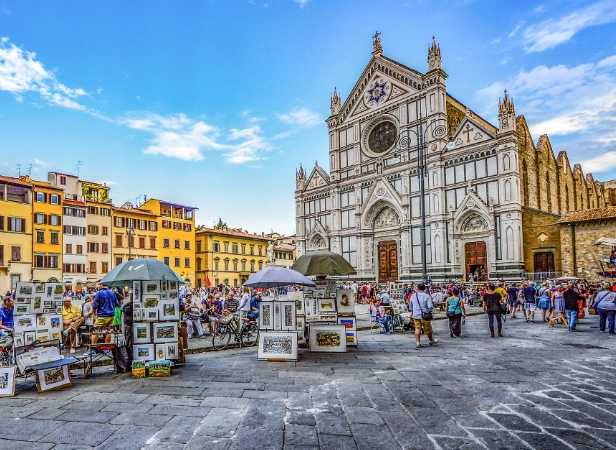
Planning Your Italian Adventure
Italy rewards planning. Spontaneity is great, but it often means you'll be standing in line.
When to Go: Shoulder seasons (April-May, September-October) are king. The weather is pleasant, and crowds are thinner. July and August are hot, packed, and many Italians are on holiday, so some smaller shops/restaurants close.
Getting Around: The high-speed train network (Trenitalia, Italo) connects major cities brilliantly (Rome-Florence is 1.5 hours). For regions like Tuscany, Puglia, or the Dolomites, a rental car is essential. Book trains in advance for the best fares.
Accommodation: Look for agriturismi (farm stays) in the countryside. In cities, central locations near a metro or train station save time and tired feet.
Remember, Italy's beauty is in its details—the morning espresso at a bar, the hidden courtyard, the conversation with a local shopkeeper. Build your itinerary around a few key sights, then leave plenty of time to just be there.
Your Italy Travel Questions Answered