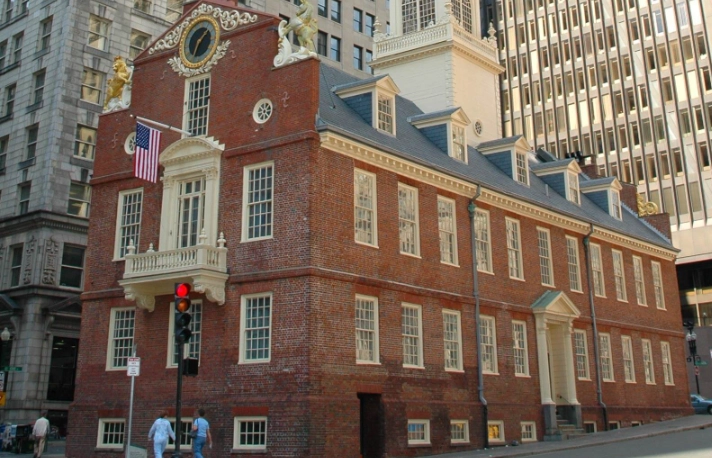
So you're planning a trip to Boston. You've heard about the history, the universities, the clam chowder. But with limited time, what should you actually prioritize? Having spent years exploring every corner of this city, I can tell you that a great Boston visit isn't just about ticking off famous spots—it's about understanding the layers. Let's cut through the noise.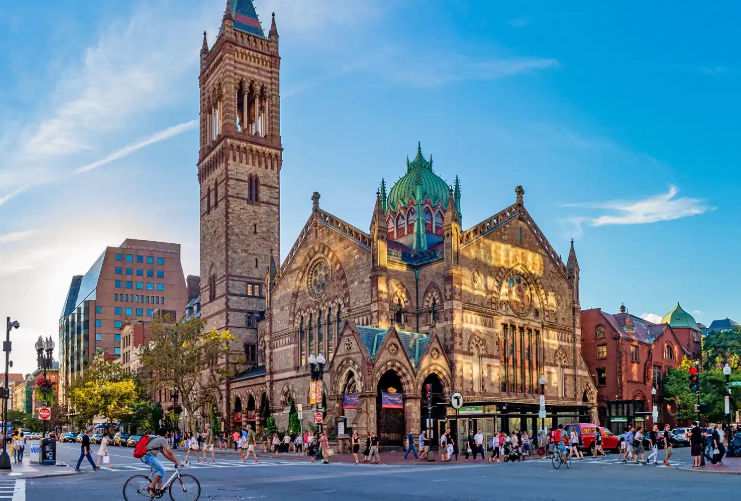
Your Boston Sightseeing Roadmap
Top Must-See Attractions in Boston
These are the non-negotiables, the places that define the city's character. Missing them would be like going to Paris and skipping the Eiffel Tower.
The Freedom Trail: A Walk Through History
This 2.5-mile red-brick path connects 16 historically significant sites. It's brilliant in its simplicity. You can't get lost. Start at the Boston Common Visitor Center (139 Tremont St) to grab a map. The trail itself is free and open 24/7, but individual sites have their own hours and fees.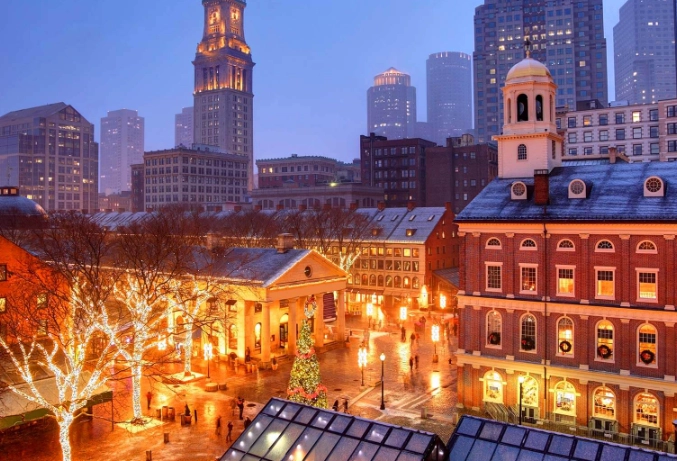
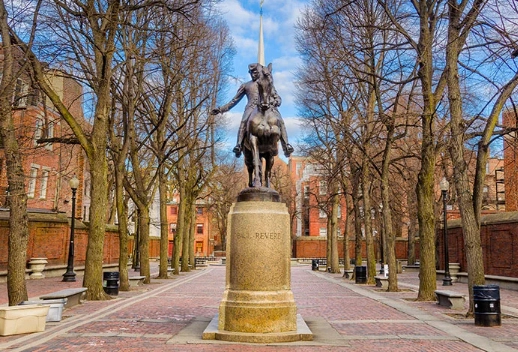
My advice? Don't try to do every single interior. It's exhausting. Focus on three: Faneuil Hall (the "Cradle of Liberty," free to enter the Great Hall), the USS Constitution ("Old Ironsides," free tour by active-duty Navy sailors), and the Paul Revere House ($6 admission, the oldest house in downtown Boston). The rest you can appreciate from the outside as you walk. Get there early, by 9 AM, to beat the tour groups that clog the narrow North End sidewalks by midday.
Key Info: Start: Boston Common. Distance: 2.5 miles. Cost: Trail is free; some sites charge admission. Transport: Park Street Station (Red/Green Lines). Pro Tip: Wear comfortable shoes—the brick is uneven, and you'll be on your feet for 3-4 hours minimum.
Harvard Square & Harvard Yard, Cambridge
Cross the Charles River into Cambridge. The Harvard University Information Center (1350 Massachusetts Ave) runs paid historical tours, but you can wander Harvard Yard for free. Touch the foot of John Harvard's statue for luck (though the statue is nicknamed the "Statue of Three Lies").
The real magic is in the square itself. Grab a coffee at Café Pamplona, a local haunt since 1959, and browse the bookstores. The Coop is the official store, but for charm, try Grolier Poetry Book Shop. Don't just snap a picture and leave. Sit on a bench and watch the world's future leaders rush by.
The Charles River Esplanade
This is Boston's backyard. A three-mile park along the river, perfect for running, biking, or just sitting. The view of the Cambridge skyline (Harvard, MIT) from the Boston side is iconic. In summer, catch a free movie or concert at the Hatch Shell. Rent a bike from Bluebikes (the city's bike-share) and ride from the Museum of Science to Boston University Bridge. It's flat, scenic, and gives you a completely different perspective.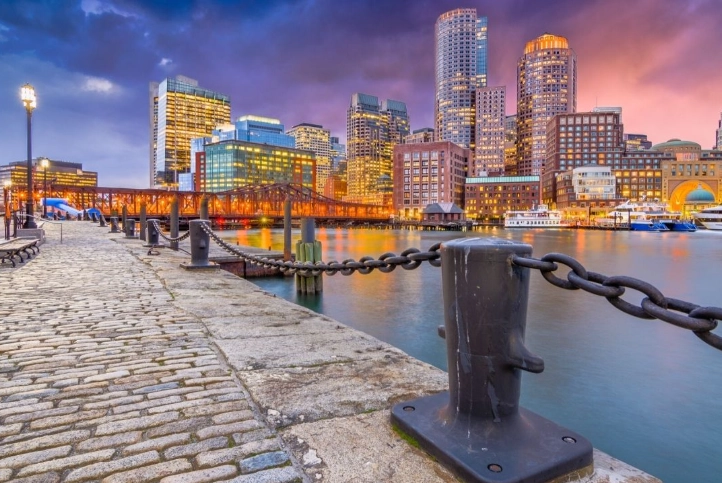
Most visitors just see it from a distance. Walking it makes you feel like a local.
Boston Public Library & Copley Square
This isn't just a library; it's a palace of knowledge. The McKim Building (700 Boylston St) is free to enter. Walk through the bronze doors into Bates Hall, a breathtaking reading room with a 50-foot coffered ceiling. Take the staircase up to see the murals. They offer free art and architecture tours—check the schedule online.
Outside, Copley Square is surrounded by architectural wonders: Trinity Church (Richardson Romanesque) and the modern John Hancock Tower. It's a condensed lesson in Boston's evolution.
| Attraction | Neighborhood | Key Feature / Tip | Cost (Approx.) |
|---|---|---|---|
| Freedom Trail | Downtown/North End | Focus on Faneuil Hall, USS Constitution, Paul Revere House. | Free (sites vary) |
| Harvard Yard | Cambridge | Free access; info center tours cost extra. Explore the square's shops. | Free to walk |
| Boston Public Library | Back Bay/Copley | Don't miss Bates Hall & the courtyard. Free tours available. | Free |
| Museum of Fine Arts (MFA) | Fenway | World-class collection. Visit on Wednesdays after 4 PM for "pay what you wish". | $27+ |
| Quincy Market / Faneuil Hall | Downtown | Touristy but lively. Better for people-watching than eating a serious meal. | Free entry |
Beyond the Brochures: Hidden Gems
This is where you separate the tourists from the travelers.
The North End (Beyond the Cannoli)
Yes, it's famous for Italian food. Mike's Pastry and Modern Pastry are institutions. But the real secret? Wake up early and visit the Paul Revere House when it opens at 9:30 AM—you'll have it almost to yourself. Then, wander the side streets like Salem Street or Hanover Street before the crowds descend. Pop into a tiny café for an espresso, not a crowded restaurant.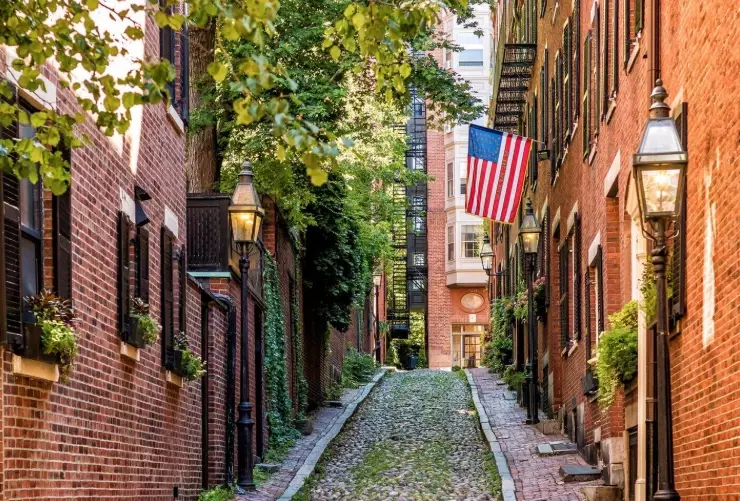
The Isabella Stewart Gardner Museum
Skip the long lines at the Museum of Fine Arts sometimes and head here. It's a Venetian-style palace built by an art collector, filled with eclectic art in a stunning courtyard setting. It feels like you've stepped into a European villa. The theft of artworks in 1990 (still unsolved) adds a layer of intrigue. Go for the atmosphere as much as the art.
Boston Public Garden & Swan Boats
Adjacent to the Common, this is more manicured and serene. The Swan Boats are a quirky, charming Boston tradition running since 1877. A short ride costs about $4.50. It's a five-minute experience, not a cruise, but it's pure, old-world Boston. Perfect for families or when you need a quiet moment surrounded by willows and flower beds.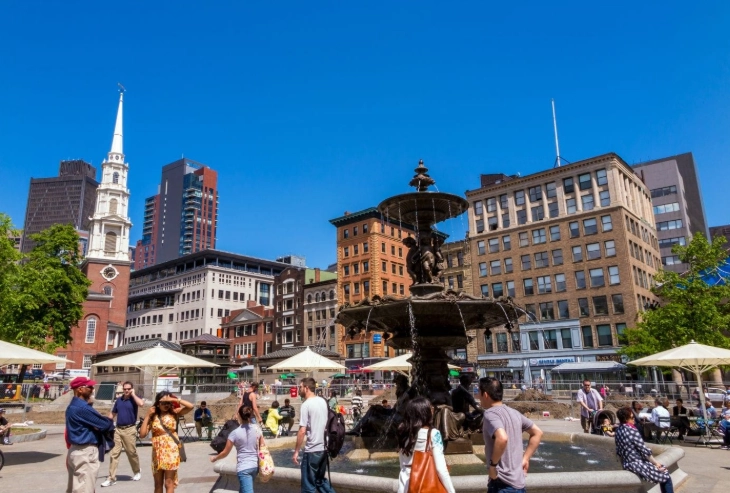
How to Plan Your Boston Visit
Boston is a walking city, but its neighborhoods are distinct. Here’s how to structure your time.
Sample 3-Day Boston Itinerary
Day 1: The Historic Core. Morning: Start at Boston Common, walk the Freedom Trail to Faneuil Hall. Afternoon: Continue the Trail into the North End. Visit the Paul Revere House and Old North Church. Evening: Dinner in the North End (reservations recommended).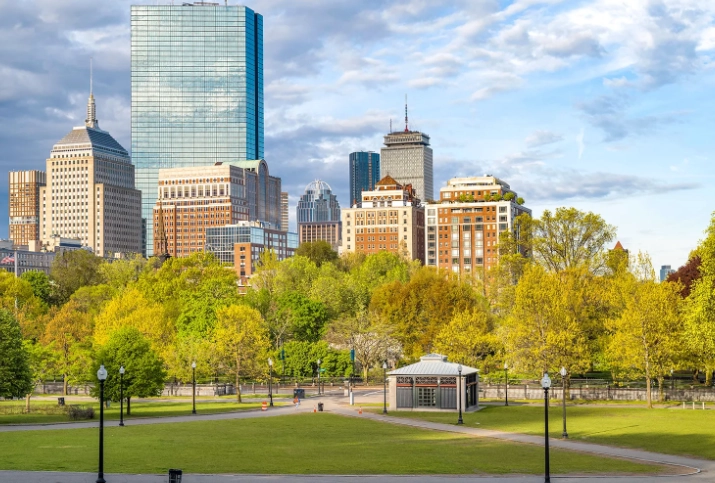
Day 2: Culture & Academia. Morning: Take the Red Line to Harvard Square. Wander Harvard Yard and explore the bookstores. Afternoon: Walk or bike along the Charles River back towards Boston. Visit the Museum of Fine Arts or the Isabella Stewart Gardner Museum. Evening: Explore the Back Bay neighborhood and Newbury Street.
Day 3: Waterfront & Neighborhoods. Morning: Visit the Boston Tea Party Ships & Museum (interactive and fun) or the New England Aquarium. Afternoon: Walk through the Boston Public Garden, then explore Beacon Hill's Acorn Street and Charles Street. Evening: Head to the Seaport District for modern dining and skyline views.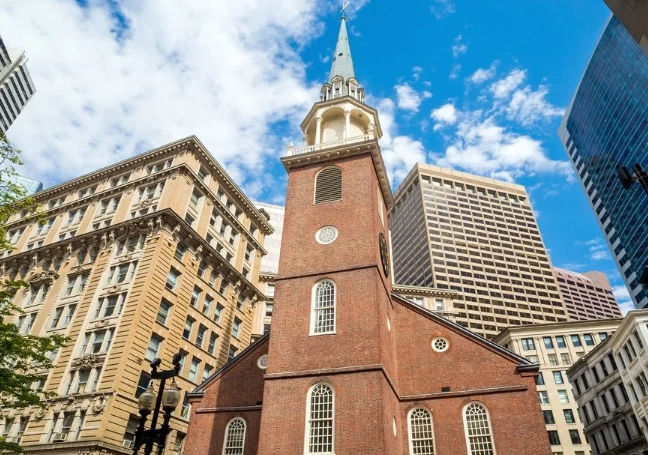
How to Get Around Boston Efficiently
The "T" (MBTA Subway): This is your best friend. The network isn't huge, but it hits all the key areas. Get a CharlieCard (reusable plastic card) for the cheapest fares ($2.40 per ride vs. $2.90 with a paper ticket). You can get one at major stations like Airport, South Station, or Downtown Crossing. A 7-Day LinkPass ($22.50) is worth it if you'll make multiple trips a day.
Walking: Essential. Downtown, Back Bay, Beacon Hill, the North End—these are best explored on foot. The city is compact.
Rideshares/Taxis: Useful at night or to reach spots not near the T, but traffic can be brutal. The Seaport District, for example, is a short but expensive ride from downtown if you don't want to take the Silver Line bus.
Driving: Don't. Hotel parking is exorbitant ($50+ per night), traffic is stressful, and the one-way streets are confusing. If you're arriving by car, park it at your hotel or a garage and forget it until you leave.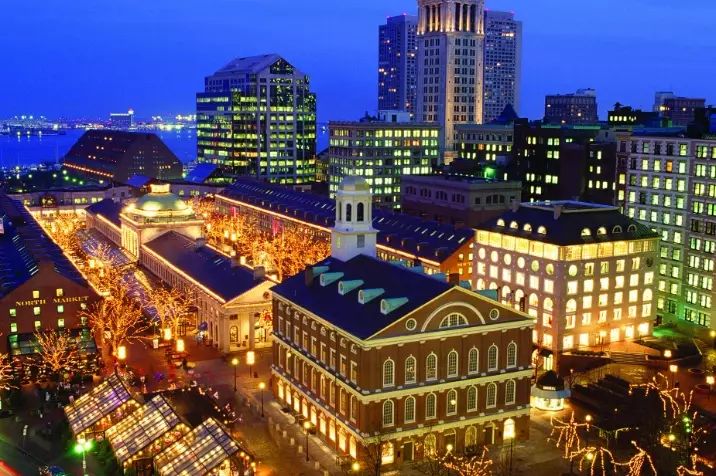
Your Boston Questions Answered
Ultimately, seeing Boston is about embracing its walkable scale and layered history. Don't over-schedule. Leave time to get lost down a side street in Beacon Hill, to sit on a bench in the Public Garden, or to simply watch the sailboats on the Charles. That's when the city's true character shines through.