Let's talk about Boston. You've probably got a mental list: red bricks, history, maybe a clam chowder. That's a start, but the real Boston is a layered city. It's where you turn a corner and find a revolutionary-era tavern next to a sleek tech startup. Planning what to visit can feel overwhelming. Should you stick to the famous trail? Are the museums worth it? Where do the locals go? I've lived here for a decade, and I still find new corners. This guide cuts through the noise. We'll cover the iconic spots you can't miss, the underrated gems, and most importantly, how to connect them in a way that feels like an adventure, not a checklist.
Your Boston Visit at a Glance
The Freedom Trail: Your Historical Backbone
The 2.5-mile red brick line is the spine of Boston's tourist scene. It connects 16 historically significant sites. Here's the thing: trying to do all 16 in-depth in one day is a recipe for burnout. Most people glaze over after site five. Be strategic.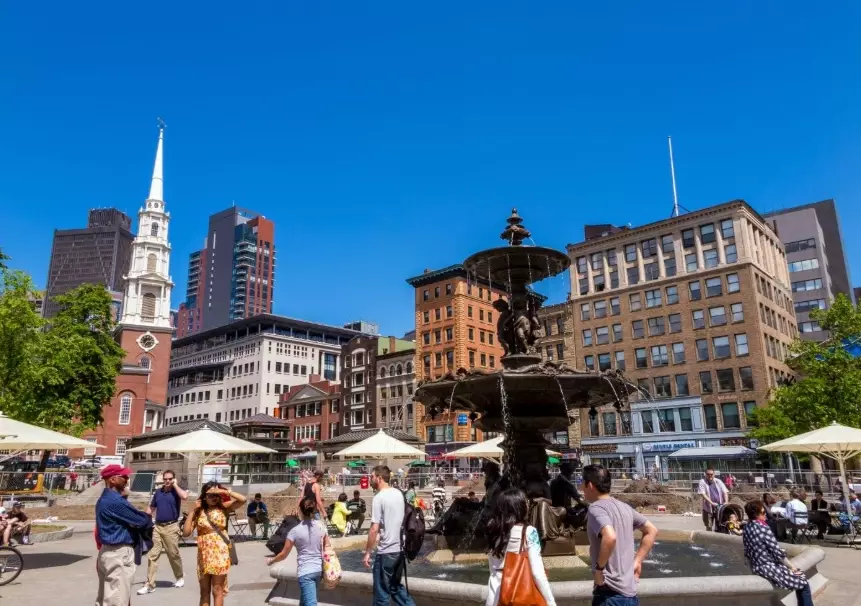
Focus on these core stops for maximum impact:
- Boston Common & Public Garden: Start here. The Common is America's oldest public park. The adjacent Public Garden is where you'll find the Swan Boats and the famous Make Way for Ducklings statues. It's free, beautiful, and sets the tone. (Address: Tremont St & Charles St. Open: 24/7. Swan Boats run approx. April-Sept, check swanboats.com).
- Park Street Church & Granary Burying Ground: Right next to each other. The burying ground is a who's who of American revolutionaries (Paul Revere, John Hancock, Samuel Adams). Spend 15 minutes reading the headstones.
- Old State House & Boston Massacre Site: This is the heart of colonial Boston. The balcony is where the Declaration of Independence was first read to Bostonians. The massacre site is a circle of cobblestones on the traffic island out front. (Address: 206 Washington St. Hours: 10am-5pm daily. Tickets: ~$15).
- Faneuil Hall: Called the "Cradle of Liberty," it's been a marketplace and meeting hall since 1742. The first-floor marketplace is still shops, but head upstairs to the free museum and the Great Hall where protests were planned.
- USS Constitution & Bunker Hill Monument: These are across the Charlestown Bridge. "Old Ironsides" is the world's oldest commissioned warship still afloat. It's free to tour with a valid photo ID. The nearby Bunker Hill Monument (294 steps) offers killer views. (USS Constitution: Charlestown Navy Yard. Hours: 10am-6pm. Tours by active-duty sailors).
Insider Tip: Don't just follow the bricks blindly. Download the National Park Service's Freedom Trail app or join one of their free ranger-led tours (meet at the Visitor Center on Boston Common). They tell the stories behind the stones.
The Waterfront & Quincy Market: Energy and Eats
A short walk from Faneuil Hall is Quincy Market. It's crowded, yes. But it's also a spectacle. The long food hall is your one-stop for Boston classics: clam chowder in a bread bowl, lobster rolls, Boston cream pie. Don't eat a full meal at the first stall you see. Walk the length, compare, then choose.
Faneuil Hall Marketplace (which includes Quincy Market) is more than food. Street performers are licensed and often incredible. In the North Market building, you'll find more unique, local shops than the standard souvenir fare.
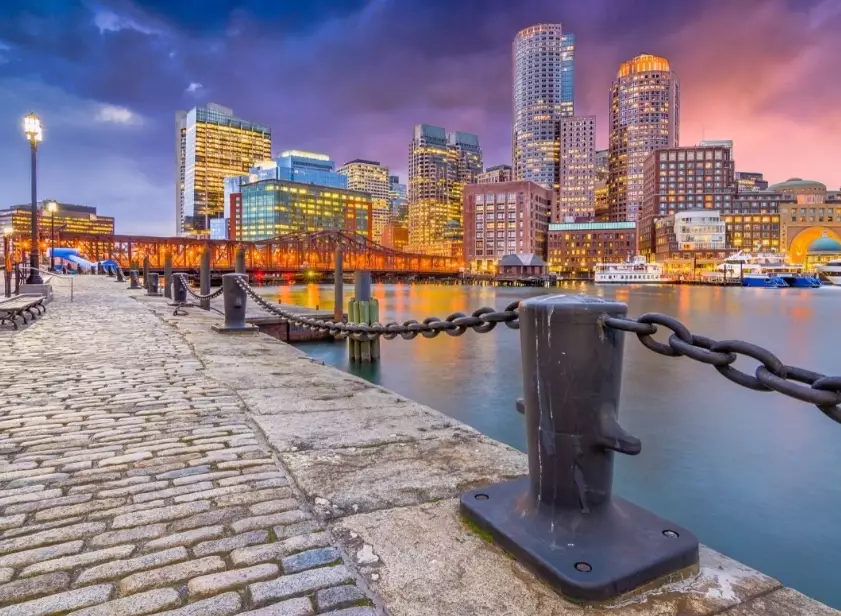
Walk five minutes east and you hit the Long Wharf. This is your gateway to harbor views and two major attractions:
- New England Aquarium: Famous for its giant central ocean tank and penguin colony. It's fantastic for families. (Address: 1 Central Wharf. Hours: 9am-6pm. Tickets: ~$34). Consider a combo ticket with a harbor cruise.
- Boston Harbor Cruises: From whale watching to historic sightseeing tours, seeing the city from the water is a different experience. The 90-minute historic sightseeing cruise is a great overview. (Departs from Long Wharf).
Boston's Museum Deep Dive
Boston is a museum powerhouse. You can't do them all. Pick one or two based on your interest. Here’s a breakdown to help you choose.
| Museum | Why Go / Highlight | Practical Details |
|---|---|---|
| Museum of Fine Arts (MFA) | World-class collection. Stunning Art of the Americas wing, incredible Impressionist gallery, ancient Egyptian artifacts. Feels like a smaller Met. | Address: 465 Huntington Ave. Hours: 10am-5pm (Wed-Fri until 10pm). Tickets: ~$27. Wednesdays after 4pm are by voluntary donation. T stop: Museum of Fine Arts (Green Line E). |
| Isabella Stewart Gardner Museum | An experience. A Venetian-style palace built by a eccentric art collector. The central courtyard is breathtaking. The 1990 art heist (still unsolved) adds intrigue. | Address: 25 Evans Way. Hours: 11am-5pm (Thu until 9pm). Tickets: ~$20. Free admission if your name is Isabella. T stop: Museum of Fine Arts (Green Line E). |
| Museum of Science | Hands-on, fantastic for kids (and curious adults). The lightning show, dinosaur skeletons, and planetarium are classics. | Address: Science Park. Hours: 9am-5pm. Tickets: ~$29. T stop: Science Park (Green Line). |
| John F. Kennedy Presidential Library & Museum | Architecturally stunning on Columbia Point. A deeply immersive look at the early 1960s and JFK's legacy. The film presentation is powerful. | Address: Columbia Point. Hours: 10am-5pm. Tickets: ~$14. T stop: JFK/UMass (Red Line) then free shuttle bus. |
What Are the Best Boston Museums for Families?
Hands down, the Museum of Science and the New England Aquarium are the top picks. The Museum of Science is designed for engagement. The Aquarium's penguins and touch tanks are always a hit. For older kids interested in history, the USS Constitution is a real warship—that's hard to beat. A lesser-known option is the Boston Children's Museum near the Seaport; it's fantastic for kids under 10.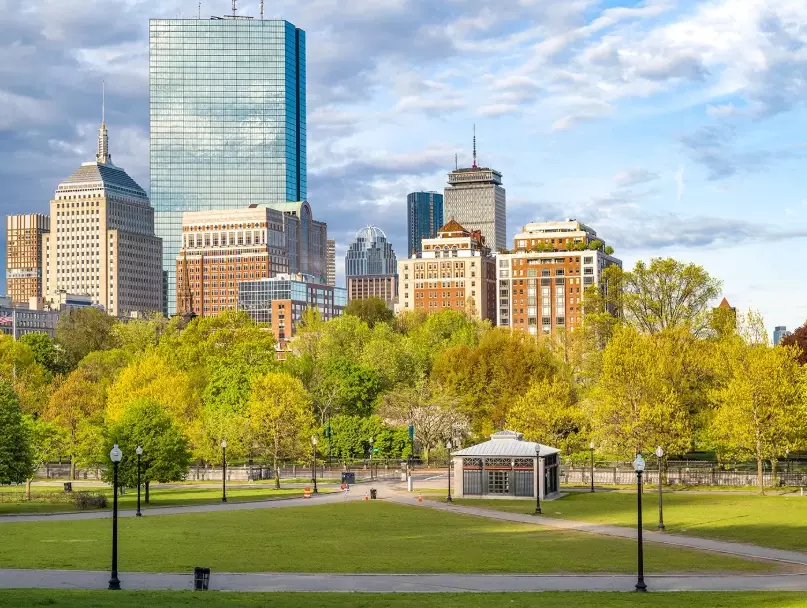
Local Favorites & Hidden Gems
To feel Boston's pulse, step off the main drag.
- The North End: Boston's Little Italy. The Freedom Trail cuts through, but ignore it for a bit. Wander Hanover and Salem Streets. Get a cannoli from Mike's Pastry OR Modern Pastry (locals debate this fiercely; try both). Have dinner at a tiny trattoria like Trattoria il Panino. Visit the Old North Church ("one if by land, two if by sea").
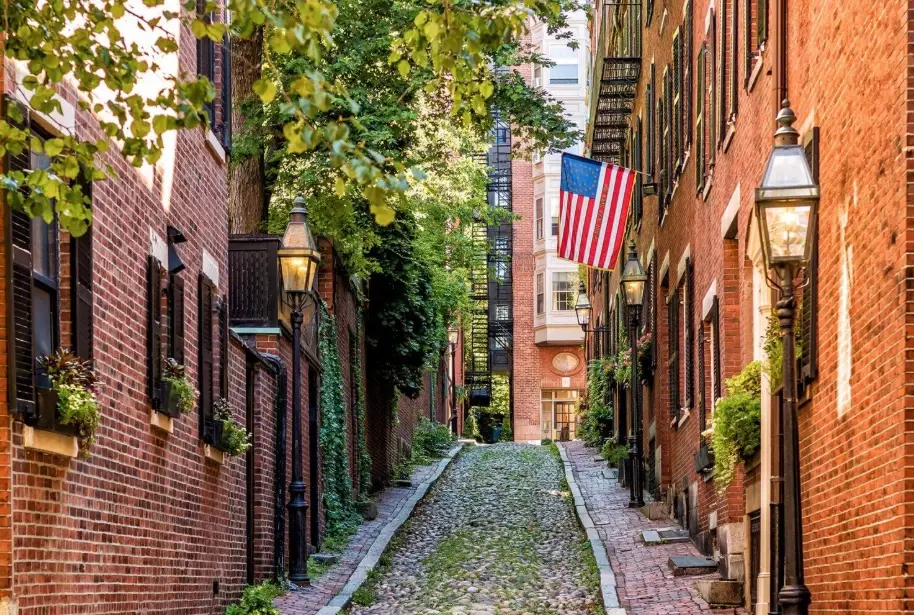
- Beacon Hill: Postcard-perfect. Cobblestone streets, brick row houses, gas lamps. Acorn Street is the most photographed, but just getting lost on the side streets is the joy. Charles Street, at the bottom, has great antique shops and cafes.
- Harvard Square, Cambridge: Take the Red Line across the river. Walk through Harvard Yard (free). Browse the bookstores like The Coop and Harvard Book Store. The energy is academic and eclectic. Get a coffee at Tatte or a meal at Alden & Harlow.
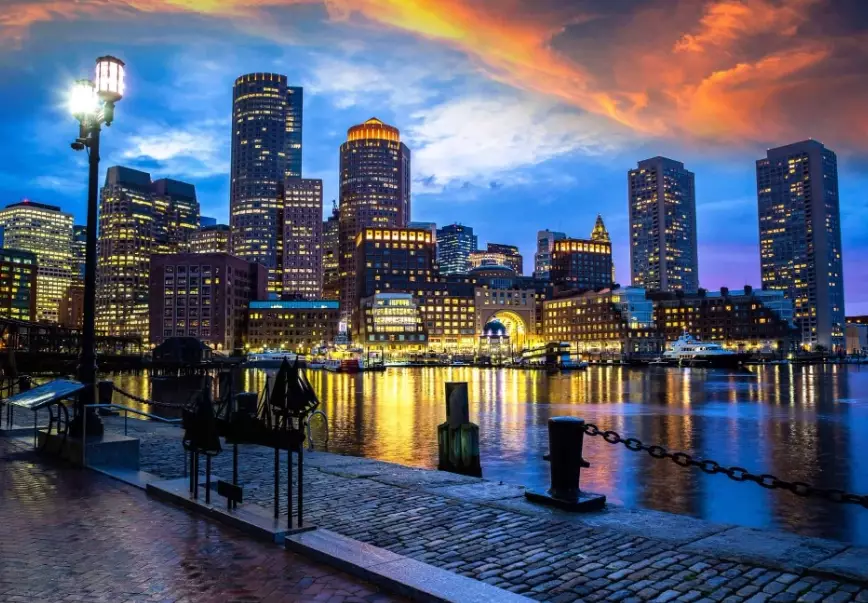
- The Seaport District: The modern contrast. Sleek glass buildings, the Institute of Contemporary Art (ICA), and great waterfront restaurants. It's a glimpse of Boston's future.
How to Navigate Boston Like a Pro
Boston's street layout is famously chaotic (cow paths, they say). Don't drive downtown.
The "T" (MBTA): It's your best friend. The core lines are simple: Green Line for Back Bay, Fenway; Red Line for Harvard/MIT, Quincy Market; Orange Line goes north-south. Get a CharlieCard (reusable plastic card) or a CharlieTicket (paper). A single ride is $2.40. If you're here for more than a couple days, the 7-Day LinkPass ($22.50) is unlimited rides on subways and local buses. It pays for itself fast.
Walking: Downtown is incredibly walkable. The distance from Boston Common to the North End is about 20 minutes.
Rideshare/Bikes: Uber/Lyft fill the gaps. Bluebikes are the city's bike-share system, great for along the Charles River.
Money-Saving Tip: Look at the Go Boston Pass. If you plan to visit 3-4 major paid attractions (like the Aquarium, MFA, Museum of Science, a harbor cruise) over 2-3 days, the math usually works in your favor. Do the calculation before you buy individual tickets.
Putting It All Together: Itinerary Ideas
Here’s how to structure your days.
The 1-Day Blitz (The Essentials): Start at Boston Common. Walk the Freedom Trail to Faneuil Hall/Quincy Market (grab lunch). Explore the North End in the afternoon. End with a sunset view from the Long Wharf or a drink in Beacon Hill.
The 3-Day Classic: Day 1: Freedom Trail deep dive (Common to Faneuil Hall). Day 2: Museum Day (choose MFA/Gardner OR Museum of Science) followed by Back Bay (Boston Public Library, Copley Square) and Newbury Street shopping. Day 3: Morning at Harvard Square in Cambridge. Afternoon at the Waterfront (Aquarium or harbor cruise). Dinner in the North End.
The 5-Day Explorer: Do the 3-day classic, then add: Day 4: Day trip to Salem (witch history, 30-min train) or Lexington & Concord (American Revolution sites, requires car/tour). Day 5: Local neighborhood day: Beacon Hill morning, Seaport District afternoon, catch a Red Sox game at Fenway Park if in season.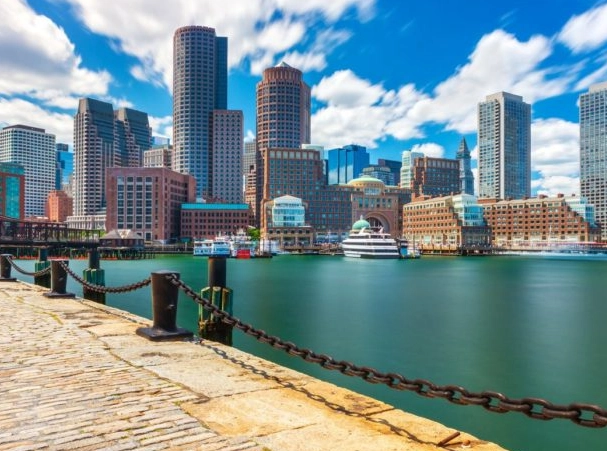
Frequently Asked Questions
What is the best way to get around Boston to visit different attractions?
The MBTA subway (the "T") is your best friend. It's not as complex as it looks. Focus on the Green, Red, and Orange lines for most downtown and Cambridge destinations. Walking is fantastic between close sites like those on the Freedom Trail. For a first-time visitor, I'd avoid renting a car for downtown exploration—parking is expensive and traffic can be frustrating. The 7-Day LinkPass ($22.50) is a steal if you're staying a week and plan to use public transit a lot.
Are Boston tourist attractions expensive?
It depends on your strategy. Major museums like the MFA and the Aquarium have hefty admission fees ($27+). The game-changer is the Go Boston pass. If you plan to visit 3-4 paid attractions over two days, it almost always pays for itself. Many of the best experiences are free: walking the Freedom Trail (just the walk), exploring Boston Public Garden, people-watching in Quincy Market, or touring Harvard Yard. You can have a rich visit without constantly opening your wallet.
What are some free things to do in Boston?
Plenty! Walk the entire Freedom Trail—the national park ranger tours are free and superb. Stroll through the Boston Public Garden and see the Make Way for Ducklings statues. Explore the grounds of Harvard University in Cambridge. Visit the Boston Public Library in Copley Square, it's a palace of art and architecture. Walk along the Charles River Esplanade for skyline views. On weekends, catch free events at Faneuil Hall Marketplace. The USS Constitution Museum is free (donation suggested), and the ship tour is free with ID.
How many days do you need to visit Boston?
Three full days is the sweet spot. Day one hits the Freedom Trail core and Faneuil Hall. Day two covers Back Bay (library, Copley Square) and a museum (MFA or Science). Day three lets you branch out—choose Cambridge/Harvard, the Waterfront/Aquarium, or a neighborhood like the North End. With five days, you can add a trip to Salem or Concord at a relaxed pace. Trying to do it all in one day means you'll only scratch the surface and spend most of your time rushing.
Boston rewards the curious traveler. It's a city where you can stand in the spot where a revolution began, then walk ten minutes for a world-class art exhibit and a fantastic meal. Mix the iconic with the local, plan your transit, and don't try to see everything. Pick a few things that speak to you, leave room to wander, and you'll leave with more than just photos—you'll have a feel for the city's unique, stubborn, charming character.