I remember my first real Burmese meal. It wasn't in a restaurant. It was on a wobbly plastic stool in Yangon's pre-dawn dark, steam rising from a battered pot. The vendor handed me a bowl of mohinga, and with that first sour, savory, fishy, herby spoonful, I realized everything I thought I knew about Southeast Asian food was incomplete. Burmese cuisine is the region's best-kept secret, a wild, untamed symphony of flavors that doesn't play by the rules of its Thai or Vietnamese neighbors.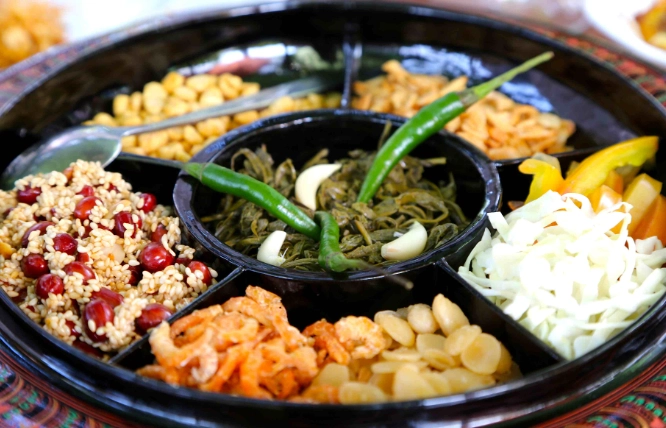
Your Quick Bite Guide
What Exactly is Burmese Food?
Forget the idea of a single, unified cuisine. Think of it as a culinary crossroads. It's a bowl where the sour tamarind and fresh herbs of Thailand meet the slow-cooked curries of India, shaken up with the fermented punch of Chinese preserves, and grounded by its own ancient traditions. The result is bold, unapologetic, and deeply satisfying.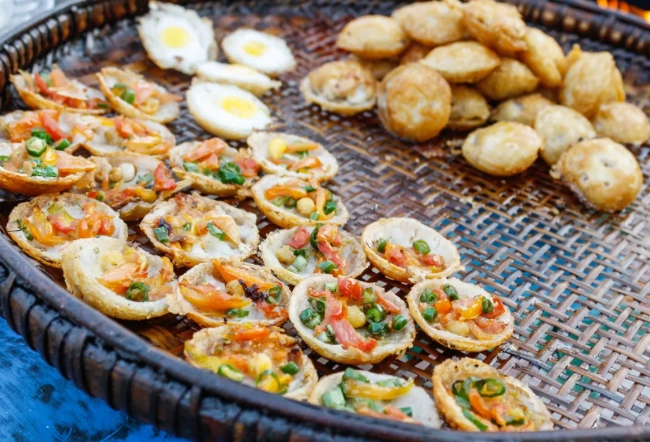
The heart of it all is ngapi. This fermented fish or shrimp paste isn't just an ingredient; it's the bass note in the entire culinary orchestra. It's in curries, it's mixed into dips, it's a condiment. You can't avoid it, and honestly, after a few days, you won't want to. It delivers a deep, funky umami that's the signature of the cuisine.
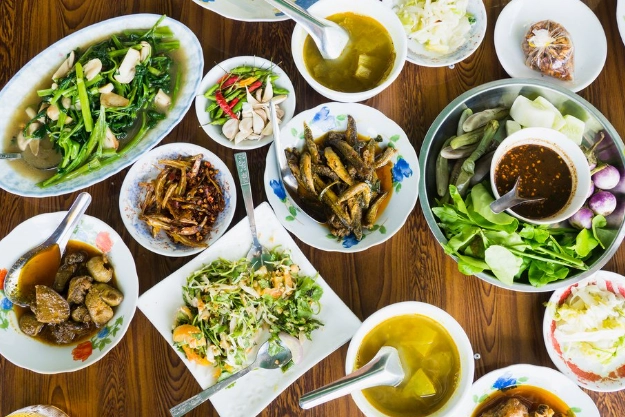
Meals are built around rice, but the structure is unique. It's not a buffet of curries. Typically, you'll have one main protein dish—a hin (curry)—which is often quite oily and intensely flavored, designed to be eaten with copious plain rice. This is balanced by a light, clear soup, a crunchy, tart herbal salad, and a plate of fresh, raw vegetables and herbs. You mix and match each bite.
Here's something most blogs won't tell you: The curries in central Myanmar are often much oilier and saltier than you might expect. This isn't bad cooking; it's preservation and tradition. The layer of oil seals and flavors the curry. Don't be shy about spooning some of that oil off onto the side of your plate if it's too much. Locals do it too.
Top 10 Must-Try Burmese Dishes
You could spend months exploring, but start with these essentials. This isn't just a list; it's your culinary cheat sheet.
1. Mohinga
The undisputed national breakfast. Rice noodles in a catfish-based broth, thickened with ground rice, and flavored with lemongrass, ginger, banana stem, and a dusting of crispy fried fritters (akyaw). Every region has a version. Yangon's is more sour and brothy, while Mandalay's is thicker, almost gravy-like. Find it at any street stall before 10 AM.
2. Laphet Thoke (Tea Leaf Salad)
This is the one that surprises everyone. Fermented tea leaves, slightly bitter and tangy, are mixed by hand with crispy beans, nuts, sesame seeds, tomatoes, and a dash of garlic oil. It's a textural and flavor explosion—crunchy, sour, savory, and nutty all at once. It's also a social food, often shared. For an authentic experience, try it at a dedicated tea shop.
3. Shan Noodles
From the eastern Shan State, these are a world apart. Thin rice noodles served either in a light, savory, tomato-and-chicken-based broth (wet), or tossed with a similar sauce (dry). Topped with marinated chicken or pork, roasted chili oil, and pickled mustard greens. The balance is incredible. This is my personal comfort food in Myanmar.
4. Burmese Curry (Hin)
Don't expect Thai green curry. A classic Burmese curry, like a pork belly or mutton hin, is slow-cooked until the meat is fall-apart tender in a rich, spiced sauce where the individual spices (turmeric, chili, coriander) meld rather than shout. The oil separates and pools on top—that's how you know it's done right. Eat it with rice and a sour salad to cut the richness.
5. Ohn No Khao Swè
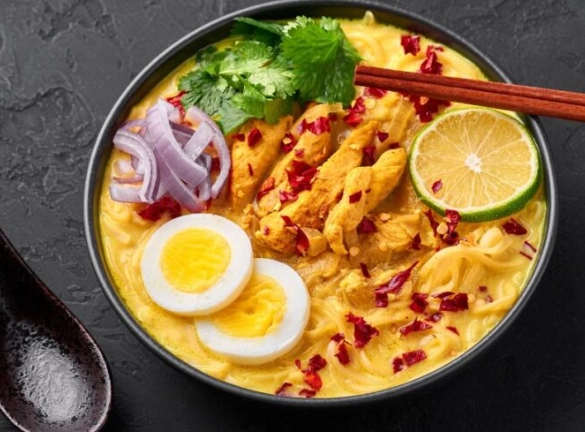
Myanmar's answer to coconut noodle soup. Wheat noodles in a creamy, coconut milk-based chicken broth, topped with shredded chicken, hard-boiled egg, a squeeze of lime, and a sprinkle of crispy noodles. It's milder than mohinga but deeply comforting. A great introductory dish for those wary of stronger flavors.
The list goes on: the flaky, layered Palata (paratha) with curried chickpeas for a Indian-influenced breakfast, the sour bamboo shoot salads, the smoky eggplant dips, and the endless variety of fritters. Just start with the top five.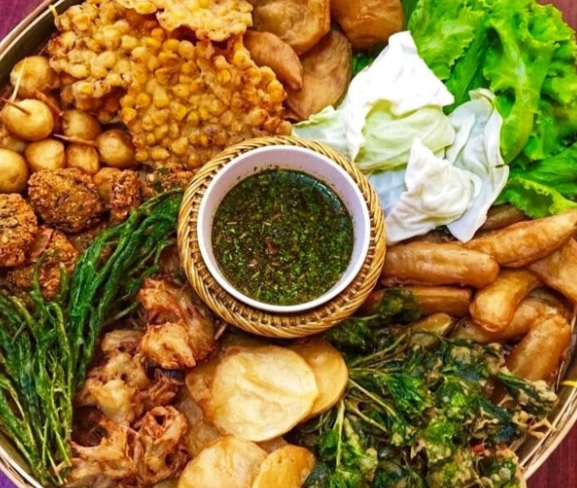
A Food Lover's Guide to Eating in Yangon
Yangon is the perfect, chaotic kitchen to dive into Burmese food. Here’s a practical, actionable guide to specific places, not just neighborhoods.
| Name & Vibe | What to Order & Why | Address / Area | Budget & Hours |
|---|---|---|---|
| 999 Shan Noodle Shop (No-frills, legendary) | Shan noodles (dry). The benchmark. Their version is perfectly balanced, not too oily, with perfectly cooked chicken. Get the small plate—you'll want to try other things. | 130/B, Thida Street, Sanchaung. (Look for the green sign and constant crowd). | Super Cheap (1,500-3,000 MMK). 6 AM - 6 PM. |
| Rangoon Tea House (Upscale, fusion) | Perfect if you're easing in. Their Mohinga and Laphet Thoke are excellent, refined introductions. Also great for cocktails in a colonial setting. | 77 Pansodan St, Lower Middle Block. | Mid-Range (8,000-15,000 MMK per dish). 8 AM - 11 PM. |
| Nilar Biryani (Bustling, local favorite) | Chicken Biryani. Shows the deep Indian influence. Fragrant, not overly spicy, with tender meat. Go for a late lunch (after 1 PM) to avoid the biggest crowd. | 216 Anawrahta Rd, Latha Township. | Cheap (2,500-5,000 MMK for a plate). 5 AM - 7 PM. |
| Feel Myanmar Food (Cafeteria-style, vast choice) | This is your tasting menu. Point at anything that looks good—curries, salads, stir-fries. They plate small portions, so you can try 4-5 different things. A fantastic education. | Multiple locations (Bahan, Dagon). The one on Pyay Road is spacious. | Mid-Range (6,000-10,000 MMK for a multi-dish plate). 10 AM - 9 PM. |
| Street Stalls at Theingyi Zei Market (Authentic, chaotic) | Everything. Wander the food alleys. Look for a busy Mohinga stall in the morning, or a woman assembling Laphet Thoke to order. This is the real deal. | Theingyi Zei Market, Latha Township. | Super Cheap (1,000-2,500 MMK per item). Morning until mid-afternoon. |
Navigating the Street Food Scene: A Realistic View
Myanmar's street food is incredible, but it requires a slightly different approach than, say, Bangkok. Hygiene standards are visible. You'll see flies, you'll see food sitting out. Here's how to navigate it intelligently without missing out.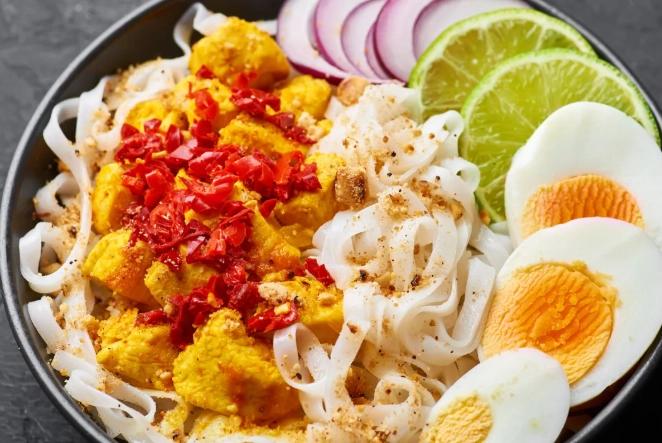
First, follow the crowds. A stall with a high turnover is your best friend. The food is fresh, constantly being replenished. Look for places where locals are eating, especially office workers or families.
Stick to cooked-to-order items. Shan noodles tossed in a wok, fresh palata fried in front of you, soup noodles ladled from a constantly simmering pot. These are generally safe bets. Be more cautious with pre-made salads that have been sitting, unless you see them being mixed fresh.
Carry hand sanitizer. You'll often eat with your hands (especially for tea leaf salad or with palata), and washing facilities can be basic. A small bottle is gold.
Finally, your stomach might protest for a day or two as it adjusts to new bacteria, regardless of hygiene. It's normal. Pack some probiotics and anti-diarrheal medication just in case. It's almost a rite of passage, and the culinary experience is worth it.
Your Burmese Food Questions Answered
The final piece of advice? Be curious. Point at what the person next to you is eating. Say "one of that." Accept the cup of weak, sweet tea that comes with every meal. Let the flavors that seem strange on day one become the cravings you have by day five. Burmese food isn't just something you eat; it's an experience you have, one oily, sour, crunchy, fermented bite at a time.