Let's get one thing straight. If you think Jordanian food is just a variation of what you've had at your local Lebanese or Syrian restaurant, you're in for a massive, flavorful surprise. Having spent years traveling and eating my way across the Middle East, I can tell you Jordan's culinary scene stands out with a character all its own. It's a cuisine built on ancient Bedouin traditions, Levantine agricultural bounty, and a sense of hospitality so profound it's woven into every shared meal. Forget dainty plates—this is food meant for gathering, for tearing bread with your hands, and for experiences that stick with you long after the last bite of lamb and rice.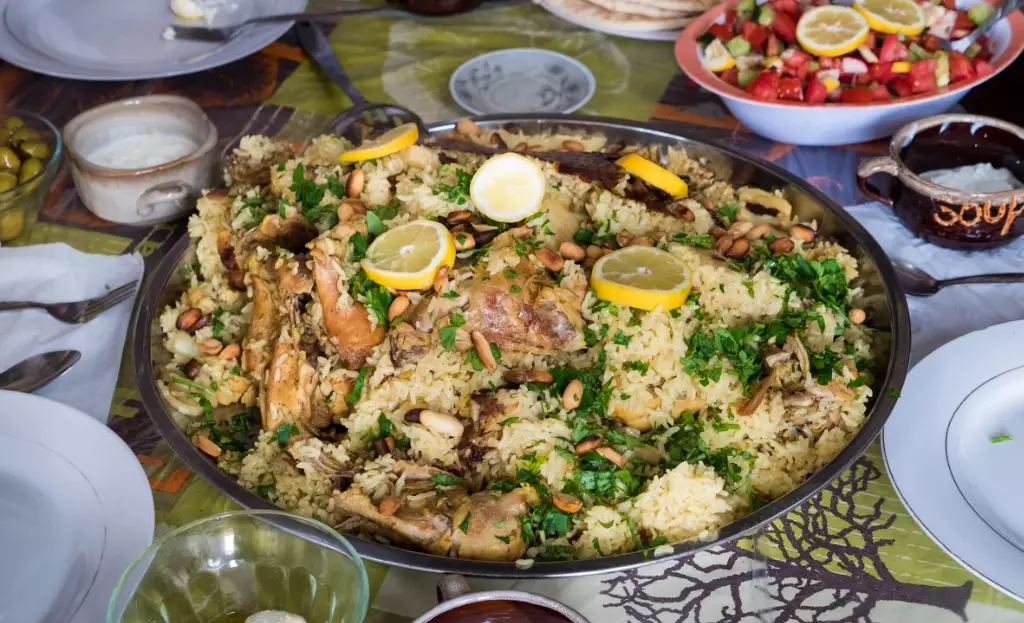
The mistake most first-time visitors make? They stick to the familiar shawarma and falafel stands (which are fantastic, don't get me wrong) and miss the soul of the cuisine—the slow-cooked stews, the unique fermented sauces, and the communal rituals around dishes like mansaf. This guide is here to fix that. We're going deep, past the tourist menus, into the restaurants locals love, the dishes you must try, and the unspoken rules that will make your dining experience authentic.
Your Quick Bite-Sized Guide
What Exactly is Jordanian Cuisine?
Think of it as a culinary crossroads. You have the enduring influence of the Bedouins, nomadic desert dwellers who perfected the art of preserving food (like jameed, dried yogurt) and cooking for large groups over open fires. Layer onto that the rich agricultural traditions of the Fertile Crescent—olives, wheat, legumes, and an abundance of fresh herbs. Then add centuries of trade along spice routes and influences from neighboring Palestine, Syria, and Lebanon.
The result is a cuisine that's hearty, aromatic, and deeply social. Meats, particularly lamb and chicken, are celebrated, but vegetables are never an afterthought. Olive oil is liquid gold. Yogurt, in fresh and dried forms, is a cornerstone. Spices are used to warm and deepen flavors, not to incinerate your taste buds—cumin, allspice, cardamom, and turmeric are the usual suspects.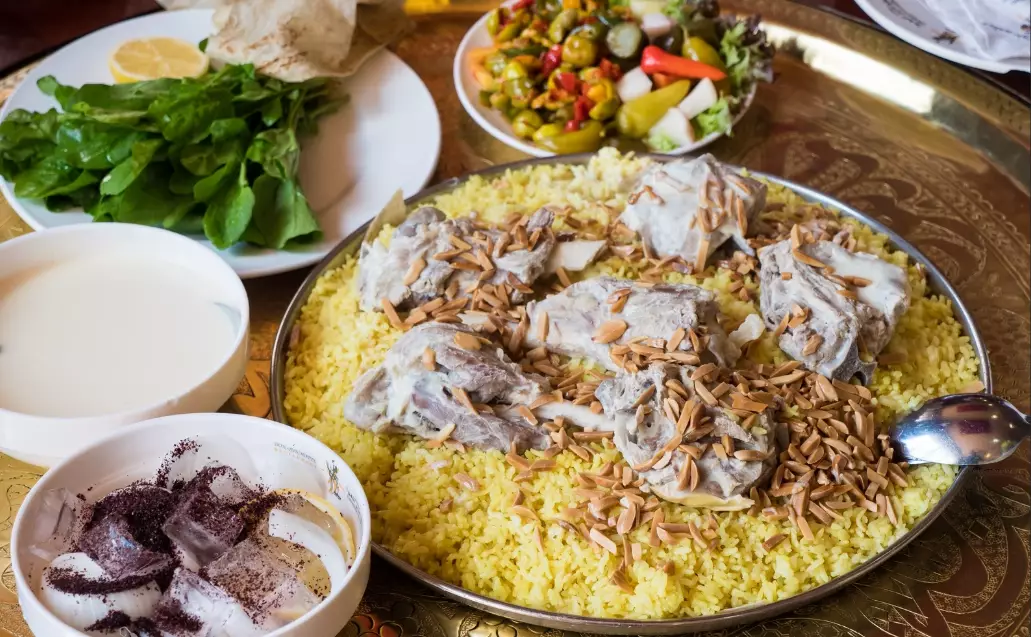
A Key Insight: Many online sources lump all "Levantine" food together. Jordan's unique contribution is its Bedouin core. Dishes like mansaf aren't just food; they're a symbol of generosity, celebration, and tribal identity. The way a meal is served—on a large communal platter, often with everyone eating from their section using their right hand—is as important as the ingredients. This social aspect is the secret ingredient you won't find in any recipe.
Must-Try Jordanian Dishes (Ranked by Impact)
Here’s my personal ranking, not by popularity alone, but by how essential they are to understanding the culture.
1. Mansaf: The National Dish (Non-Negotiable)
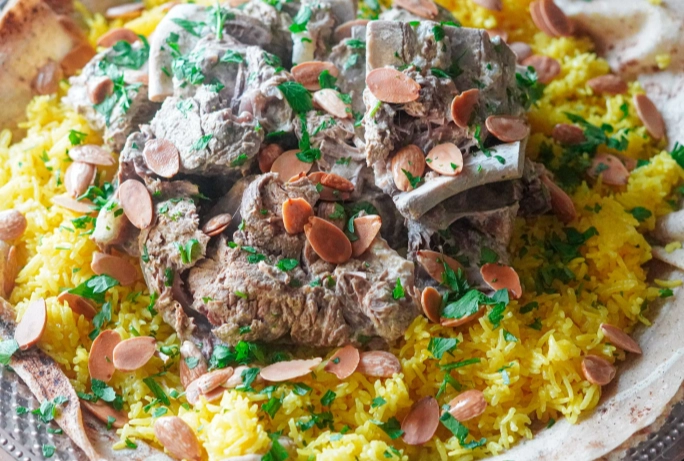
This is it. The pinnacle. Mansaf is a layered feast of fragrant yellow rice, tender lamb cooked in a sauce of reconstituted jameed (the dried yogurt), and toasted almonds or pine nuts, all served on a massive platter over flatbread (shrak). The jameed gives it a distinctive, tangy, slightly funky flavor that's utterly unique. It's served at weddings, graduations, and major gatherings. Eating it with your first time can be awkward—you use your right hand to roll balls of rice and meat. But getting messy is part of the fun. If you only try one Jordanian dish, make it this.
2. Maqluba: The "Upside-Down" Wonder
Literally meaning "upside-down," this is a showstopper. Chicken, lamb, or vegetables are layered with rice and spices in a pot, then flipped onto a platter to reveal a stunning, savory cake. The bottom layer gets beautifully caramelized. It's a staple of family Sunday lunches. The communal reveal—the collective gasp when the pot is lifted—is a moment of pure joy.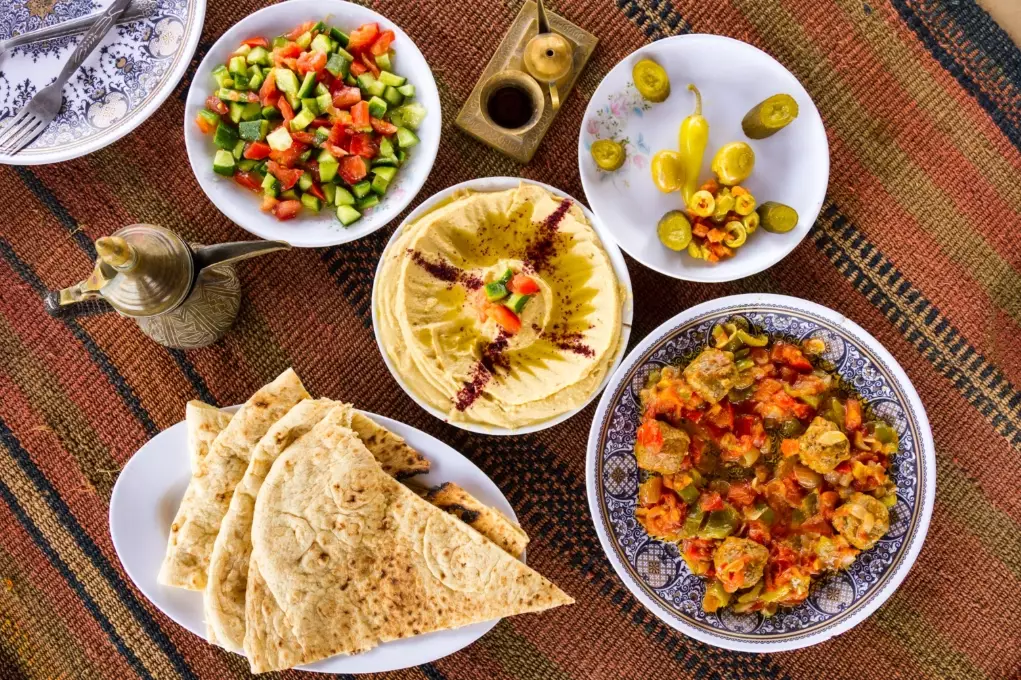
3. The Mezze Spread: An Orchestra of Flavors
This isn't a single dish but a symphony. Before your main course, the table will be covered with small plates. Don't just nibble. Dive in. You'll find:
- Hummus: Creamier and often more lemony than Western versions.
- Mutabbal (Baba Ghanoush): Smoky roasted eggplant blended with tahini.
- Warak Enab: Grape leaves stuffed with herby rice and sometimes meat.
- Falafel: Deep-fried chickpea balls, but Jordanian ones are often flatter and crisper.
- Labneh: Thick, strained yogurt, drizzled with olive oil and za'atar.
This is where you fill up on vegetables and fresh flavors. Use the warm, pillowy pita bread to scoop everything up.
4. Zarb: The Underground BBQ
This is a Bedouin desert specialty you might find on a Wadi Rum tour. Meat (chicken, lamb) and vegetables are marinated, then placed in a large metal box that's lowered into a pit of hot coals and buried in sand. A few hours later, it's dug up, revealing impossibly tender, smoky meat. It's more than a meal; it's an event under the stars.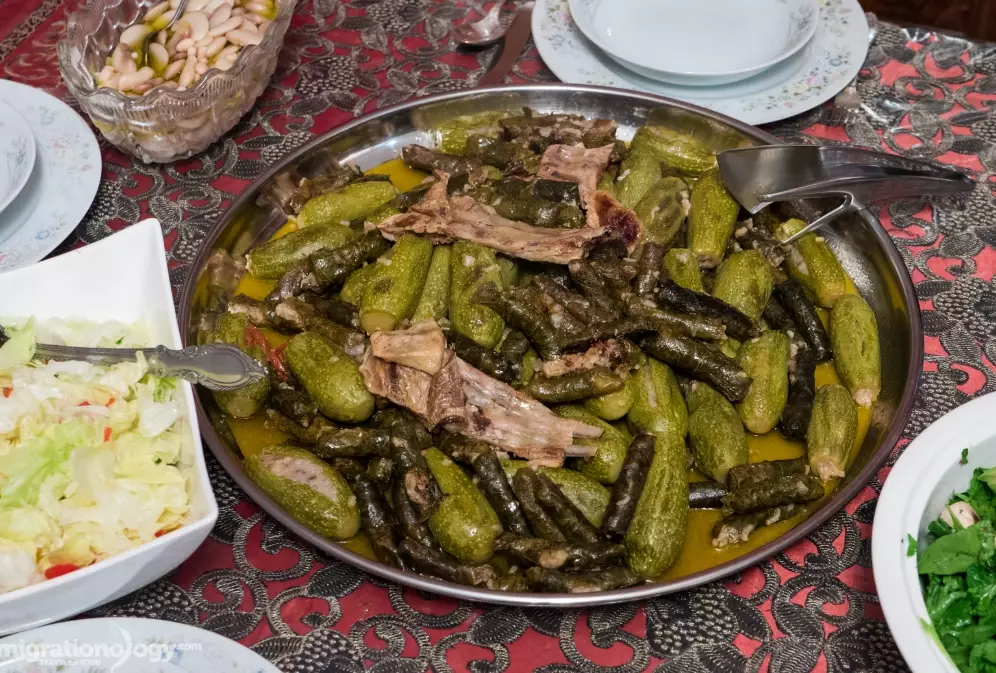
Where to Eat in Amman: A Curated Shortlist
Navigating Amman's food scene can be overwhelming. Here’s a tight list of spots that deliver authenticity, quality, and a real sense of place. I'm skipping the overly polished hotel restaurants.
| Restaurant | Area / Address | What to Order & Vibe | Price Point & Hours |
|---|---|---|---|
| Hashem Restaurant | Downtown Amman (Al-Amir Mohammed St.) | The ultimate no-frills institution. Plastic chairs, bustling atmosphere. They don't have a menu—you get falafel, hummus, ful medames, mint tea. It's fast, cheap, and legendary. A must for breakfast or a late-night bite. Cash only. | 24/7, Budget ($) |
| Jabri Restaurant | Multiple locations (Mecca Street is classic) | Your go-to for a proper Mansaf. This is where families go for celebrations. The atmosphere is lively, the portions are huge (order one for 2-3 people), and they nail the traditional preparation. Also try their mixed grill. | Lunch & Dinner, Moderate ($$) |
| Sufra Restaurant | Rainbow Street | Elevated traditional in a beautiful old villa. Perfect if you want a more refined setting without sacrificing authenticity. Their maqluba is fantastic, and they have an extensive mezze selection. Book a table on the leafy terrace. | Lunch & Dinner, Moderate to High ($$-$$$) |
| Al-Quds Restaurant | Downtown (near the Roman Theater) | Famous for its authentic Palestinian/Jordanian breakfast. Their "Full Arab Breakfast" platter is a feast: eggs, labneh, za'atar, olives, hummus, and fresh bread. It's a local favorite and incredibly affordable. | Breakfast & Lunch, Budget ($) |
| Reem Cafeteria | 2nd Circle (Wasfi Al-Tal Street) | The shawarma king of Amman. For over 30 years, they've been serving what many locals argue is the best chicken shawarma in the city. Juicy, perfectly spiced, wrapped in fresh bread. It's a takeaway joint—eat it on the go. | Lunch until late, Budget ($) |
The Unwritten Rules: Dining Culture & Etiquette
Knowing what to eat is half the battle. Knowing how to eat it will earn you respect.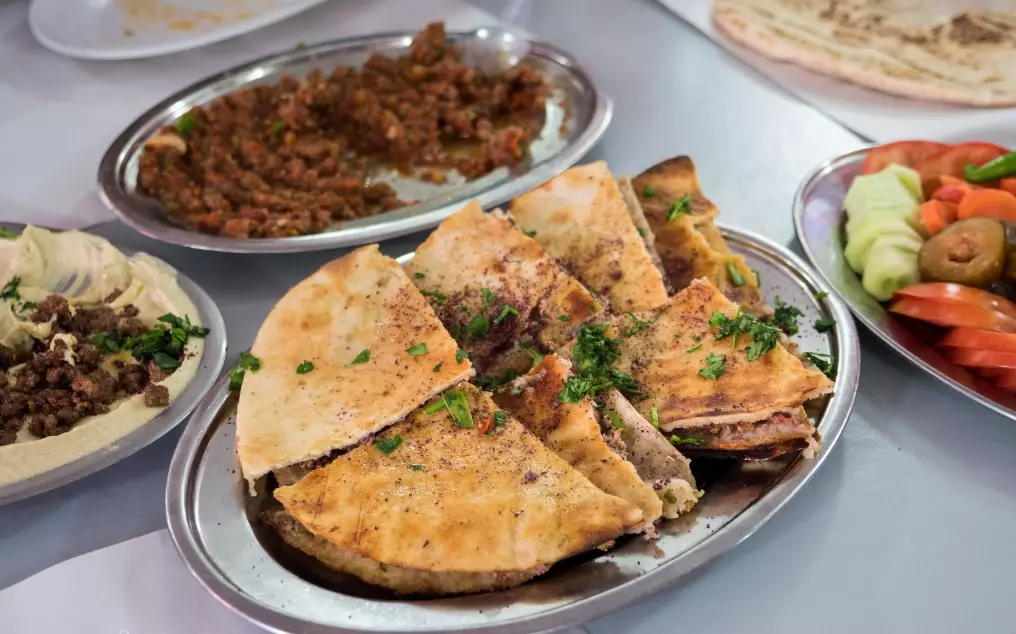
Always use your right hand for eating from shared platters (like mansaf). The left hand is considered unclean. It's polite.
If you're invited to a home, expect to be overfed. Refusing second or third helpings can be seen as rude. The trick is to eat slowly and praise the food enthusiastically. Saying "Dayman" (Always) or "Daimen" (May you always have abundance) is a great compliment.
When the bill comes, there's often a polite fight to pay. This is a genuine gesture of hospitality. If you're the guest, you can offer, but don't insist too hard if your host is adamant. A better move is to reciprocate later with a gift or by hosting them next time.
Leave a little food on your plate. A completely clean plate can signal to your host that you're still hungry.
Bringing the Flavors Home: A Starter Recipe
Want to try before you fly? Mansaf is complex, but Maqluba is surprisingly achievable for home cooks. Here's a simplified version.
Ingredients: Chicken pieces, basmati rice, eggplant, cauliflower, onions, tomatoes, baharat spice mix (allspice, cinnamon, nutmeg), turmeric, salt, pepper, oil.
The Method: 1. Brown the chicken. Sauté onions in the same pot. 2. Layer in this order: chicken, sliced tomatoes, fried eggplant/roasted cauliflower, then soaked rice. 3. Add baharat, turmeric, salt, and enough water/stock to cover the rice by a finger's width. 4. Bring to a boil, then simmer on low heat for 45 mins until rice is cooked. This is the critical part: Let it rest for 15 minutes. 5. Place a large platter over the pot. Hold tight, take a deep breath, and flip it over in one confident motion. Lift the pot slowly. The magic is in the reveal.
Serve with plain yogurt or a simple cucumber-yogurt salad. The big flip might fail the first time—mine did—but it still tastes incredible.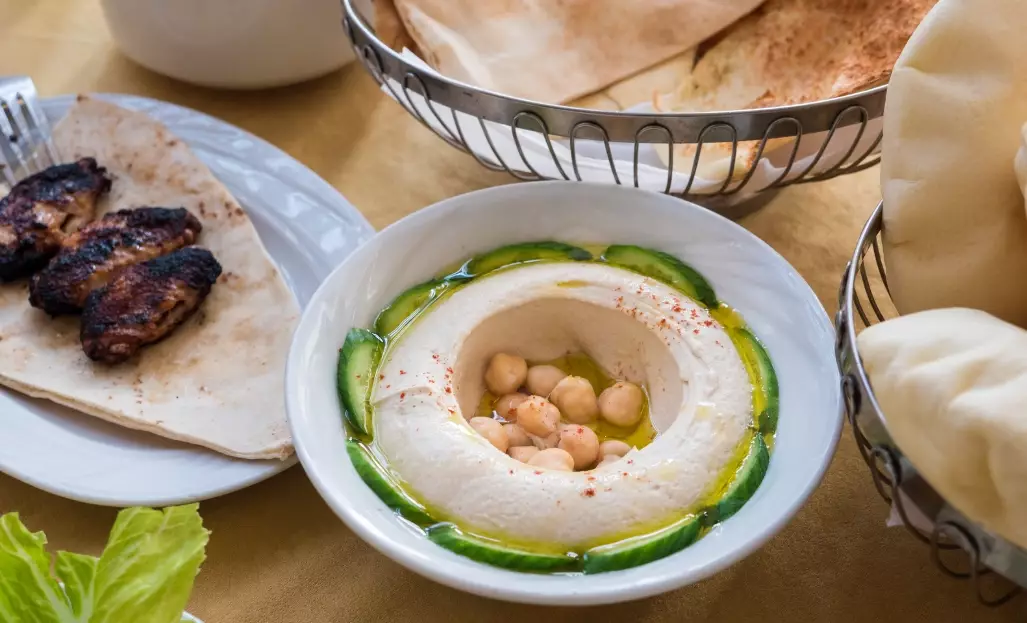
Your Burning Questions Answered
 What is a common mistake tourists make when ordering food in Jordan?
Reader Comments