Quick Guide
You know the feeling. You sit down at a Korean restaurant, and before you've even ordered, the table starts filling up with a dozen little dishes. There's a sizzling platter of meat on the grill, a hot stone bowl of rice arrives with an egg on top, and you're surrounded by colors and smells you might not fully recognize. Is this one dish? Is it ten? Welcome to the wonderful, communal, and slightly overwhelming world of a proper Korean meal. It's not just food on a plate; it's an experience, a philosophy of eating built around balance, variety, and sharing.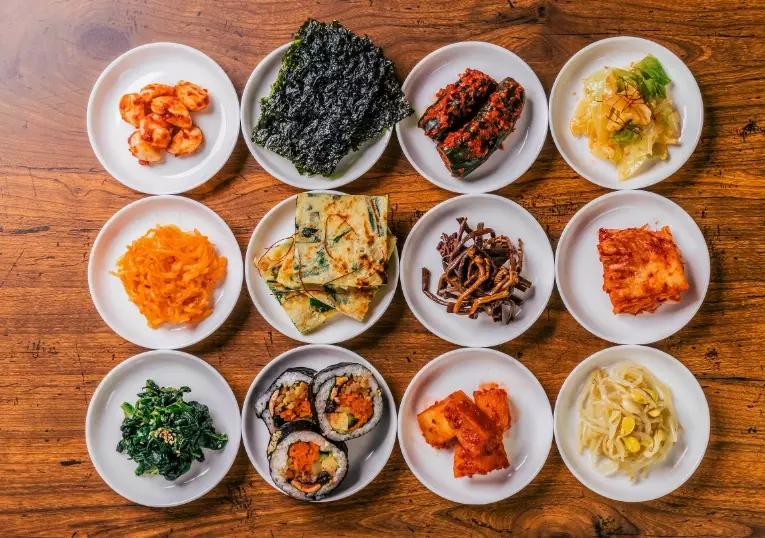
I remember my first real encounter with a full Korean meal wasn't in Seoul, but in a tucked-away place in Los Angeles' Koreatown. I pointed at a picture on the menu, and what arrived was a feast for four, just for me. I was confused, delighted, and utterly hooked. That experience taught me that understanding the structure of a Korean meal is the key to enjoying it fully, whether you're ordering at a restaurant or attempting to recreate the magic at home.
Think of a Korean meal less as a single entree and more as a curated set of components designed to interact. Every element has a role—spicy, salty, fresh, fermented, hot, cold—and combining them in one bite is where the magic happens.
The Core Framework: How a Korean Meal is Built
Forget the Western starter-main-dessert linear approach. A traditional Korean meal, or 한상 (hansang), is served all at once. It's a symphony, not a solo. The composition follows a logical, balanced structure that ensures a complete sensory and nutritional experience.
The Central Pillar: Bap (Rice)
This is the non-negotiable heart of the meal. Bap (밥), meaning cooked rice (usually short-grain white rice), is the anchor. Every other dish exists in relation to it. It's your neutral base, the canvas for all the bold flavors. In fact, the phrase for "having a meal" in Korean is bap meokda (밥 먹다)—literally "to eat rice." That tells you everything. Without rice, it's not really a proper Korean meal in the traditional sense. These days, you might find multigrain rice or barley rice, but the principle remains.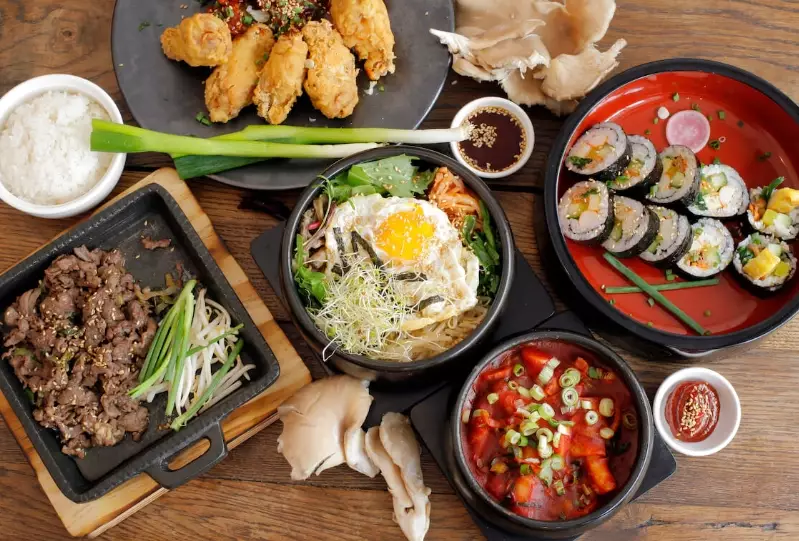
The Main Attraction: Guk or Jjigae (Soup or Stew)
If rice is the heart, soup is the soul. A hot, savory soup (guk, 국) or a thicker, often spicier stew (jjigae, 찌개) is essential. It moistens the rice, warms you up, and provides a deep, savory broth. A simple miyeok-guk (seaweed soup) is comfort food, while a bubbling red kimchi jjigae is a flavor explosion. You eat spoonfuls of it alongside your rice, sometimes pouring a bit over the rice. I find a good jjigae is the ultimate test of a restaurant—if that's bland, the rest is often a letdown.
The Star of the Show: Banchan (Side Dishes)
This is the part that surprises newcomers the most. Banchan (반찬) are the small side dishes that come in endless variety. They're not appetizers; they're integral accompaniments meant to be eaten throughout the meal. A restaurant's quality is often judged by the variety and freshness of its banchan. You get refills (usually free), and they can range from the world-famous kimchi (fermented vegetables, usually napa cabbage or radish) to seasoned spinach (sigeumchi-namul), pancake-like jeon, or marinated potatoes. They provide texture, acidity, saltiness, and fermentation—elements that cut through richer mains and keep every bite interesting.
Let's be honest, sometimes the banchan are so good you almost forget about the main course. Almost.
The Headliner: The Main Dish (Guk-ip or Junghwa)
This is what you technically "order." It's the protein or vegetable-centric dish that defines the meal. It's categorized by cooking method. Guk-ip (국밥) refers to soup-based mains, while Junghwa (중화) covers the grilled, braised, or fried stars. This is where you find your bulgogi (marinated grilled beef), galbi (short ribs), samgyeopsal (unseasoned pork belly for grilling), jjajangmyeon (noodles in black bean sauce), or bibimbap (mixed rice bowl). The main dish is shared communally or served individually, depending on the dish.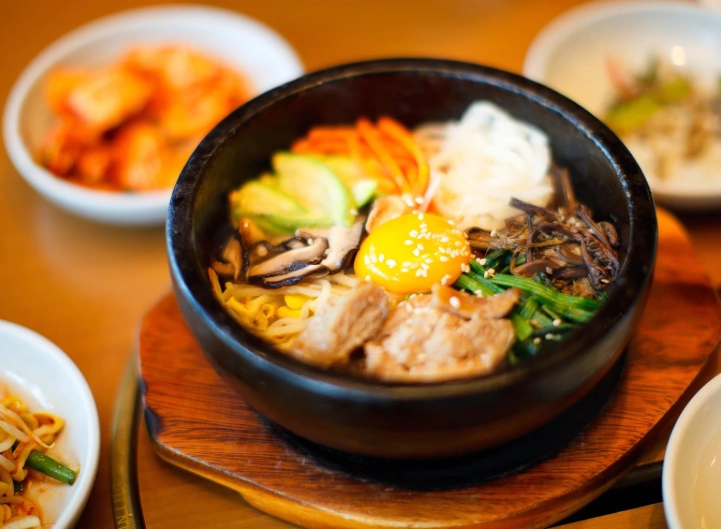
Quick Tip: When eating a shared grilled meat meal, don't just eat the meat alone. The classic move is to take a lettuce or perilla leaf, add a piece of meat, a bit of rice, some ssamjang (thick spicy paste), and maybe a sliver of garlic and a banchan like kimchi. Wrap it up and eat it in one bite. This combination is light-years ahead of just the meat.
Banchan Deep Dive: The Unsung Heroes of the Table
Since banchan are so crucial, they deserve their own spotlight. A typical Korean meal might have anywhere from 3 to 12+ different banchan. It's a showcase of preservation techniques (fermentation, salting, pickling) and seasoning skills. Here’s a quick rundown of some absolute staples you'll encounter in almost every Korean meal.
| Banchan Name | Main Ingredient | Flavor Profile & Texture | Why It's on the Table |
|---|---|---|---|
| Kimchi (김치) | Napa cabbage, radish | Spicy, sour, tangy, crunchy, fermented | The king of banchan. Provides probiotics, acidity, and a spicy kick to cleanse the palate. Essential. (You can learn about its cultural significance on the Korean government's official site). |
| Kongnamul (콩나물) | Soybean sprouts | Nutty, clean, slightly sweet, very crunchy | Offers a refreshing, crisp contrast to heavier, oilier dishes. Often simply seasoned with sesame oil and salt. |
| Sigeumchi-namul (시금치나물) | Spinach | Earthy, savory, soft yet with structure | Blanched and seasoned with soy sauce and sesame. A classic example of namul (seasoned vegetable) side dishes. |
| Oi Muchim (오이무침) | Cucumber | Cool, crunchy, spicy, slightly sweet and tangy | A summer favorite. The cooling cucumber balances heat from stews or gochujang-based dishes perfectly. |
| Gamja Jorim (감자조림) | Potato | Sweet, savory, salty, soft and glazed | Braised potatoes in a soy-sugar syrup. A crowd-pleaser, especially for those new to Korean flavors. It's like a savory candy. |
| Myeolchi Bokkeum (멸치볶음) | Dried anchovies | Salty, sweet, savory, crispy-chewy | Stir-fried tiny dried fish with nuts. A great source of calcium and umami. The texture is addictive. |
See what I mean? Each one plays a specific role. A well-composed Korean meal will have a mix of fermented, fresh, crispy, and soft banchan to create a holistic eating experience. You're never bored.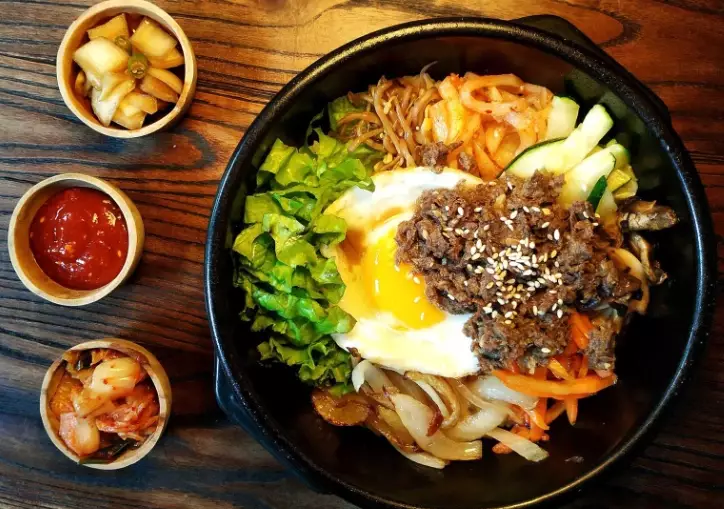
Navigating the Menu: Types of Korean Meals You Can Order
Now that you know the components, let's look at how they come together in different restaurant scenarios. The type of Korean meal you order dictates the flow.
1. The Grilled Meat Feast (Gogi-gui)
This is the most interactive and social Korean meal experience. You order cuts of meat (pork belly, beef ribs, marinated beef) which are grilled at your table. The main event is the grilling and wrapping. You get a massive spread of lettuce/perilla leaves, raw garlic, chili slices, ssamjang, and a generous array of banchan. Rice and soup (like a hearty doenjang jjigae) are ordered separately. The joy is in building your own perfect wraps. It's messy, fun, and deeply satisfying. Not the best first date meal, perhaps, but definitely a great group hangout.
2. The One-Bowl Wonder (Bibimbap, Naengmyeon, etc.)
Sometimes you want a complete, balanced Korean meal in a single bowl. Bibimbap is the poster child: rice topped with an artful arrangement of namul (seasoned vegetables), meat, a fried egg, and gochujang. You mix it all together vigorously. Naengmyeon (cold buckwheat noodles in a tangy broth) is a summer lifesaver. These are often served as individual sets, coming with a smaller, tailored set of banchan on the side (usually kimchi and maybe radish water kimchi). It's efficient, delicious, and feels complete.
I have a soft spot for dolsot bibimbap—the version served in a hot stone bowl. The key is to let the rice at the bottom crisp up into nurungji (scorched rice) before mixing. That crunchy texture mixed with the warm vegetables and egg yolk is a game-changer. Some places do it perfectly, others serve it lukewarm which is a real disappointment.
3. The Soul-Warming Stew Meal (Jjigae Tang)
This is comfort food central. You order a large, bubbling pot of stew—kimchi jjigae, sundubu jjigae (soft tofu stew), budae jjigae (army stew). It comes to the table still boiling, often with a raw egg to crack in. This is the main event. It's accompanied by rice and banchan. The ritual is simple: spoon some stew over your rice, take a bite, have some kimchi. Repeat. It's hearty, warming, and incredibly focused on that one complex flavor of the stew.
4. The Royal Spread (Han-jeongsik)
This is the full, traditional multi-course experience. Han-jeongsik is like the tasting menu of Korean cuisine. You'll get a central soup, a main grilled or braised fish/meat, and then a seemingly endless array of banchan—sometimes dozens—beautifully arranged. It's less common in everyday spots but can be found in traditional restaurants. It's the ultimate demonstration of the balance and variety philosophy. Every element is in harmony.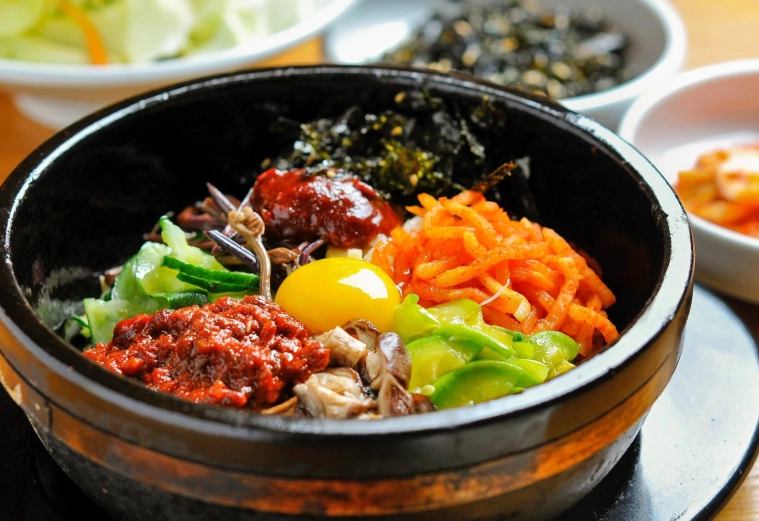
So, which one should you try first? If you're with friends, go for the grilled meat. If you're solo and want a bit of everything, bibimbap is your safest and most rewarding bet.
Beyond the Food: The Unspoken Rules (Etiquette Tips)
Food is central, but the customs around a Korean meal enhance the experience. Don't stress about these, but knowing them helps you blend in and show respect.
- Sharing is Caring: Most Korean meals are designed for sharing, especially mains and stews. Dig in together. It's the norm.
- Rice Bowl Etiquette: Don't hold your rice bowl in your hand while eating (unlike in some other Asian cultures). It stays on the table. Use your spoon for rice and soup.
- Spoon & Chopstick Harmony: Use your spoon (sutgarak) for rice and soup. Use chopsticks (jeotgarak) for banchan and other solid foods. Switching between them is constant and fluid. And please, don't stick your chopsticks upright in your rice bowl—it resembles a funeral rite.
- Pouring Drinks: If you're drinking with elders or in a formal setting, never pour your own drink. Pour for others, and they will pour for you. Receive and give with two hands as a sign of respect.
- Starting the Meal: It's polite to wait for the eldest or the host to start eating before you begin.
- Finishing Your Rice: It's good manners to finish the rice in your bowl. Leaving a lot can imply the food wasn't good.
Again, in casual settings with friends, these rules relax a lot. But they're good to know.
Your Burning Questions About Korean Meals, Answered
Is every Korean meal super spicy?
This is the biggest misconception. No, not at all. While gochujang (red chili paste) and gochugaru (chili flakes) are foundational ingredients, many dishes are mild, savory, or sweet. Dishes like bulgogi (sweet soy-marinated beef), galbi, japchae (sweet potato glass noodles), and most soups like miyeok-guk have little to no heat. Spice is an option, not a mandate. Even kimchi comes in white (non-spicy) versions. So don't let a fear of spice hold you back from exploring a Korean meal.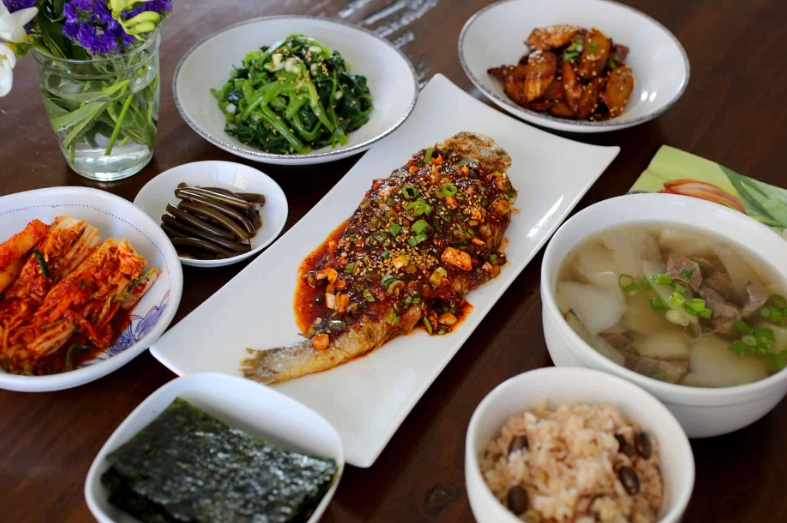
How do I order if I don't know Korean?
Pointing at pictures or menu numbers works universally. Many Korean restaurants in non-Korean areas have descriptive menus. Look for set meals or "dinner for two" options—they often give you a great sampling. Don't be afraid to ask servers for recommendations; they usually know their most popular dishes. A simple "What's good?" goes a long way. I've discovered some of my favorite dishes this way.
Is Korean food healthy?
Overall, the traditional Korean meal framework is quite balanced. It's vegetable-heavy (all those banchan!), features fermented foods (kimchi for gut health), uses lean proteins, and relies on broths and steaming/grilling rather than heavy frying. However, be mindful of sodium levels in sauces, soups, and pickled items. As with any cuisine, balance is key. A meal centered on grilled fish, a mountain of vegetables, and brown rice is incredibly nutritious. One centered on fried chicken and beer? Well, that's a different story (but delicious).
What's the best Korean meal for a beginner?
Start with Bibimbap or Bulgogi. Bibimbap gives you a little taste of everything in one bowl, and you can control the amount of spicy gochujang you add. Bulgogi is universally loved for its sweet, savory, tender flavor. Both are accessible and provide a gentle, delicious introduction to the flavors and components. From there, branch out to Japchae or Dakgangjeong (sweet crispy chicken).
Can I recreate a Korean meal at home?
Absolutely! You don't need to make twelve banchan. Start simple. Cook some rice. Make one stew (kimchi jjigae is surprisingly straightforward with store-bought kimchi). Buy 2-3 banchan from a Korean market (they have an amazing selection in the refrigerated section). Grill some marinated meat (pre-marinated bulgogi meat is available frozen). Arrange it all on the table. Boom—you've got a homemade Korean meal. The key is in the combination, not in making every single component from scratch. (For authentic recipes, I often cross-reference with sites like Maangchi, a hugely popular and trusted resource in the home cooking community).
Wrapping It All Up
At its core, a Korean meal is about harmony and community. It's designed to engage all your senses—the sizzle of the grill, the vibrant colors of the banchan, the contrasting textures, the layered flavors from mild rice to pungent kimchi to rich stew. It's an invitation to share, to try a little bit of everything, and to discover how different flavors play off each other.
Don't overthink it. Dive in. Try wrapping that piece of meat. Mix your bibimbap with gusto. Ask for more kimchi if you want it. The best way to understand a Korean meal is to experience it, one shared plate, one flavorful banchan, one comforting spoonful of soup and rice at a time.
It's more than just eating. It's a way of connecting with the food and the people around you. And honestly, isn't that what a great meal should be all about?