Your Flavor Journey
- The Soul of the Cuisine: More Than Just Spices
- The Main Event: Jordan's Must-Try Dishes
- Beyond the Mains: Starters, Sides, and That Amazing Bread
- The Sweet Finish: Jordanian Desserts
- Drinks: From Coffee Rituals to Refreshing Sips
- How to Eat Like a Local: Customs and Etiquette
- Cooking Jordanian Food at Home: Is It Possible?
- Your Burning Questions About Food from Jordan the Country (Answered)
- Final Thoughts: Why This Cuisine Sticks With You
Let's be honest. When most people think of Middle Eastern food, they picture hummus and falafel (which are amazing, don't get me wrong). But food from Jordan the country? That's a whole different story. It's like discovering a secret chapter in a book you thought you'd finished.
I remember my first trip to Amman. I was expecting good food, sure. But what I found was a cuisine with its own stubborn personality, rooted in Bedouin traditions, Ottoman influences, and the simple magic of what grows in that particular patch of earth. It's not just "Middle Eastern food." It's Jordanian. There's a difference.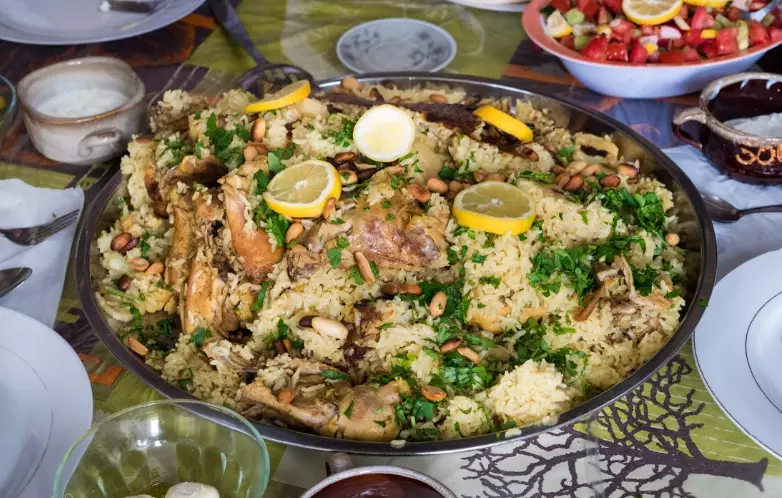
This guide isn't a dry list of dishes. Think of it as a friend telling you what you really need to know, what to order, what to avoid if you're not adventurous, and how to bring a bit of that flavor home with you. We're going deep on the food from Jordan the country.
The Soul of the Cuisine: More Than Just Spices
If you try to understand Jordanian food by just listing spices, you'll miss the point completely. The flavor profile is built on a few pillars that show up again and again.
The Holy Trinity: Olive Oil, Za'atar, and Lemon
Good olive oil is the lifeblood. It's for dipping, dressing, cooking, everything. Then there's za'atar. This isn't just a spice blend you buy in a jar overseas. In Jordan, it's a cultural icon—a mix of wild thyme, sumac, sesame seeds, and salt. They eat it for breakfast mixed with oil on bread. It's earthy, tangy, and completely addictive.
And lemon. Not just a squeeze, but often preserved, fermented lemons that add a funky, intense sour punch to stews and salads. These three elements form the base of so much food from Jordan the country.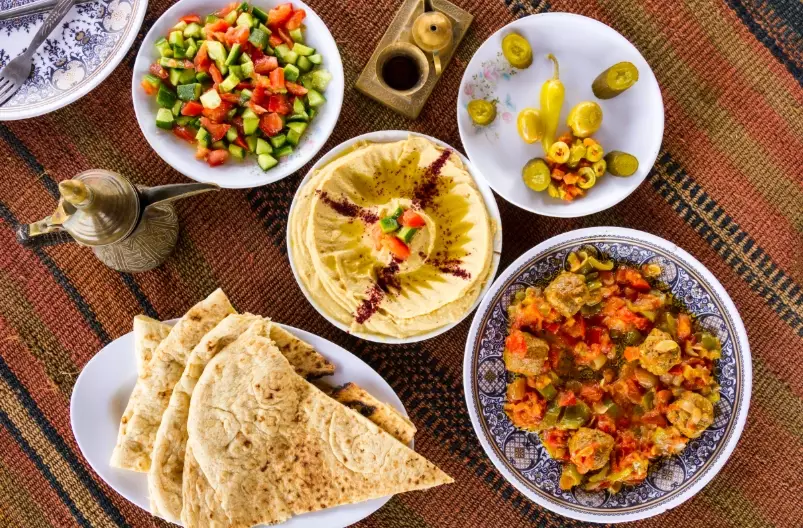
The Protein Scene: Lamb Rules, but Chicken Squeaks By
Lamb is king. It's the centerpiece for celebrations. You'll find it in the iconic Mansaf, in grilled kebabs (called Mashawi), and in hearty stews. The flavor is often bold, sometimes gamey, and it's cooked with respect for the whole animal.
Chicken is common too, especially for grilling and in dishes like Maqluba. But let's be real—it often plays second fiddle. Fish is less common inland but fantastic in Aqaba by the Red Sea. Beef? It exists, but it's not the star. And pork? Forget about it. It's not part of the culinary or religious landscape.
The Main Event: Jordan's Must-Try Dishes
Okay, let's get to the good stuff. What should you actually eat? Here’s my take on the non-negotiable dishes, the ones that define food from Jordan the country.
The National Dish: Mansaf
You can't talk about this cuisine without starting here. Mansaf is more than a meal; it's a ceremony. It symbolizes generosity and honor. Picture a giant platter layered with flatbread (Shrak), topped with aromatic rice, then huge chunks of tender lamb cooked in a fermented dried yogurt sauce called Jameed, and finally garnished with toasted almonds and pine nuts.
You eat it with your right hand, rolling the rice and meat into a small ball. The Jameed sauce is the make-or-break element. It's tangy, salty, and rich. Some first-timers find the fermented flavor intense. I did. It's an acquired taste, but once you get it, you really get it. It's the heart of the country on a plate.
The Comfort Food Champion: Maqluba
Maqluba means "upside down." It's a glorious, one-pot wonder. They layer rice, vegetables (like cauliflower, eggplant, potatoes), and chicken or lamb in a pot, cook it all together, and then flip the entire pot onto a serving platter. It comes out like a beautiful, layered cake of savory goodness.
It's often served with a simple yogurt or tomato salad on the side. This is the ultimate family meal, the thing you'd eat on a Sunday. It’s less ceremonial than Mansaf but just as beloved. Every family has their own version.
The Street Food You'll Crave Forever: Falafel & Shawarma
Yes, these are found across the region, but Jordanian versions have their own quirks. Jordanian falafel is often made with a mix of fava beans and chickpeas, making it slightly greener and softer on the inside than the all-chickpea versions elsewhere. Served in a warm pita with veggies, pickles, and tahini sauce—it's the perfect cheap, filling meal.
Shawarma here is usually chicken or lamb, stacked on a vertical spit and shaved off. The key is the marinade and the final touch: they often slip the meat and toppings into the bread, then give it a quick press on the grill, making it warm and slightly crispy. It's a game-changer.
| Dish | Key Ingredients | What It's Like | Best For |
|---|---|---|---|
| Mansaf | Lamb, Jameed (fermented yogurt), Rice, Almonds, Pine Nuts | Rich, tangy, ceremonial, eaten by hand | A special occasion or cultural experience |
| Maqluba | Rice, Chicken or Lamb, Cauliflower, Eggplant, Spices | Hearty, comforting, spiced, one-pot meal | A filling family-style dinner |
| Falafel Sandwich | Falafel (fava/chickpea), Pita, Veggies, Tahini, Pickles | Crispy, fresh, creamy, portable | A quick, cheap, and delicious lunch |
| Zarb | Mixed Meats & Vegetables, cooked underground | Smoky, tender, uniquely flavored | A unique Bedouin-style dining adventure |
| Mensaf (Sayadiyah) | Fish (often white fish), Rice, Caramelized Onions | Sweet & savory, fragrant, coastal specialty | Seafood lovers visiting Aqaba |
Beyond the Mains: Starters, Sides, and That Amazing Bread
No Jordanian meal is just a main course. It's a parade of small dishes that crowd the table.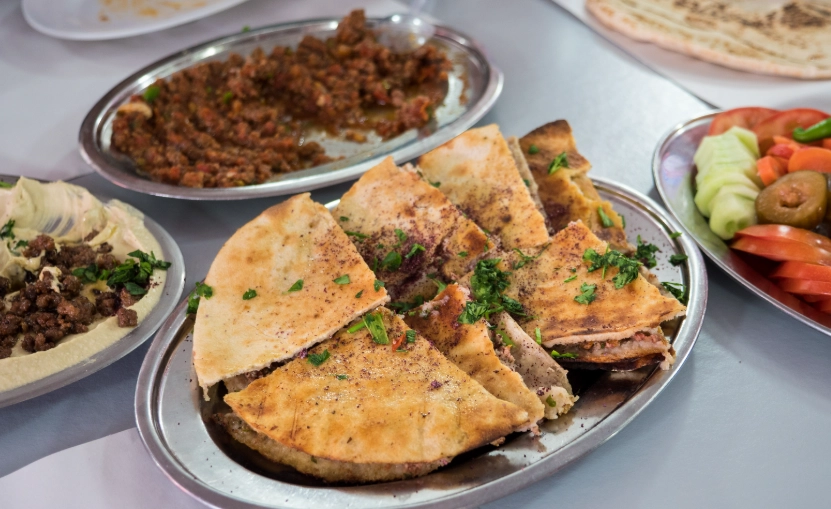
Mezze: The Art of Grazing
This is where you'll find the familiar faces, but often with a Jordanian twist.
- Hummus: Creamier and often topped with minced meat, pine nuts, or a pool of gorgeous olive oil. It's a staple.
- Mutabbal/Baba Ghanoush: Smoky roasted eggplant mashed with tahini, lemon, and garlic. The name varies, but the deliciousness doesn't.
- Warak Enab: Grape leaves stuffed with herbed rice and sometimes meat. They're tangier and often smaller than Greek dolmas.
- Labneh: Strained yogurt so thick you can spread it. Drizzled with oil and za'atar, it's a breakfast and mezze superstar.
The bread, though. You have to talk about the bread.
Shrak or Khubz, that thin, large, slightly chewy flatbread. It's your utensil. You tear off a piece and use it to scoop up hummus, wrap meat, or soak up sauces. It's fresh, warm, and absolutely essential. No meal is complete without a stack of it.
The Sweet Finish: Jordanian Desserts
They're not shy about sugar here. Desserts are often syrup-soaked, nut-filled, and incredibly satisfying.
Knafeh is the queen. A cheese-based dessert (usually Nabulsi cheese) layered with shredded phyllo dough or semolina, baked until golden, drenched in sweet syrup, and often topped with pistachios. The contrast of salty, stretchy cheese and sweet syrup is divine. You'll find dedicated Knafeh shops with massive trays of it.
Baklava is present, of course, but I find Jordanian versions are often less cloyingly sweet than some others, letting the pistachio or walnut flavor shine more.
Then there's Muhallabia, a milk pudding flavored with rose or orange blossom water, topped with nuts. It's light, floral, and a nice break from the syrup.
Drinks: From Coffee Rituals to Refreshing Sips
Coffee is a ritual. Traditional Arabic coffee (Qahwa) is lightly roasted, cardamom-infused, and served in small cups without handles. It's strong, aromatic, and unsweetened (sugar is added to taste by the drinker). Offering it is a sign of welcome.
Tea (Shai) is the everyday drink—black, strong, and usually very sweet, often served with fresh mint or sage (Meramiyyeh). You'll be offered it everywhere.
For something non-caffeinated, try Jallab. A refreshing drink made from dates, grape molasses, and rose water, served over ice and topped with pine nuts and raisins. It's weirdly good. Tamr Hindi (tamarind juice) is another popular, tart option.
How to Eat Like a Local: Customs and Etiquette
Knowing what to eat is half the battle. Knowing how to eat it is the other half.
Generosity is huge. If you're a guest, you'll be urged to eat more and more. Saying "I'm full" (Ana shab'aan) once won't cut it. You might have to say it three times, firmly but politely.
Eating with your right hand is common for dishes like Mansaf. Even if you're using utensils, passing food or eating with your left hand is considered impolite.
Sharing is the default. Meals are communal. Don't expect an individual plate for every little mezze dish. You dig in from the shared platters in the center.
Cooking Jordanian Food at Home: Is It Possible?
Absolutely. Some ingredients might require a trip to a Middle Eastern grocery store or an online order, but it's doable.
The real challenge is Jameed for Mansaf. Authentic, rock-hard Jameed balls are hard to find abroad. A common hack is to use a mix of plain yogurt and buttermilk powder, or labneh thinned with water, to mimic the tangy flavor. It won't be exactly the same, but it gets you close. The Jordan Tourism Board website sometimes features recipe ideas that are adapted for a global audience.
Start with simpler dishes. Make some hummus, top it with spiced minced lamb. Grill some chicken or lamb kebabs with a basic marinade of lemon, garlic, and spices. Bake some pita bread. You'd be surprised how much of the essence you can capture.
For authentic recipes and techniques, I've found resources from institutions like the Royal Academy of Culinary Arts in Jordan to be incredibly valuable. They focus on preserving traditional methods.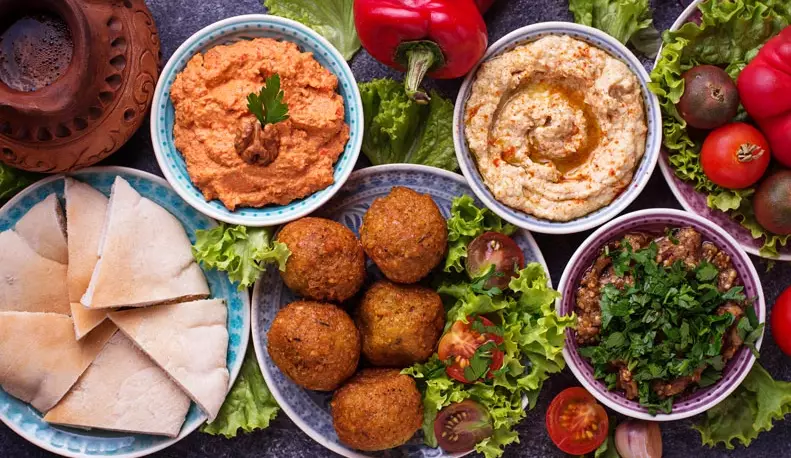
Your Burning Questions About Food from Jordan the Country (Answered)
Final Thoughts: Why This Cuisine Sticks With You
Food from Jordan the country leaves a mark. It's not the most delicate or the most complex cuisine in the world, but it has heart. It's generous, flavorful, and deeply tied to the land and its history. From the communal platter of Mansaf to the simple joy of a perfectly crispy falafel wrapped in warm bread, it's food meant to be shared and savored.
It teaches you that a meal is more than fuel. It's connection. It's history. It's a warm welcome in a sometimes harsh landscape.
So whether you're planning a trip or just want to explore from your kitchen, dive in. Start with the hummus, but make sure you get to the Mansaf. Be brave with the Jameed. Drink too much sweet tea. And always, always save room for the Knafeh.
That's the real taste of Jordan.