Quick Navigation
- Where Did Acarajé Come From? A Journey Across the Atlantic
- Deconstructing the Acarajé: What's Actually In It?
- How is a Real Acarajé Made? The Traditional Process
- Acarajé vs. the World: Common Confusions Cleared Up
- Where to Eat the Best Acarajé (And What to Look For)
- Can I Make Acarajé at Home? A Realistic Guide.
- Answering Your Acarajé Questions
- The Final Bite: Why Acarajé Deserves Your Attention
Let's be honest, the first time you see an acaraje (pronounced ah-kah-rah-ZHEH), it might not win any beauty contests. It's a messy, deep-fried bean fritter, often asymmetrical, stuffed with a vibrant, sometimes fiery paste, and topped with dried shrimp. But here's the thing – you don't eat it with your eyes. The moment you take a bite, this unassuming street food from Brazil delivers a punch of flavor and history that's absolutely unforgettable. It's crunchy, creamy, spicy, and savory all at once. I remember my first one in Salvador da Bahia – I was skeptical, but one bite and I was hooked, even though the vatapá paste dripped all over my shirt. A delicious mess.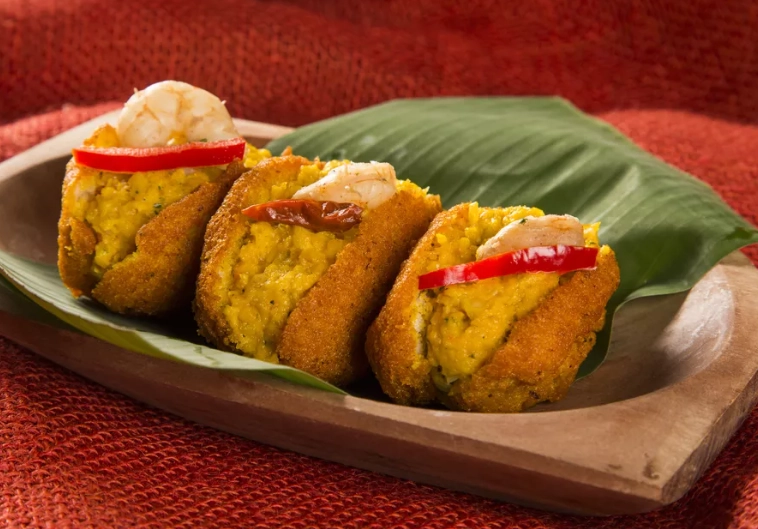
This isn't just fast food. An acaraje is a direct culinary link to West Africa, a symbol of resistance, and a cornerstone of Afro-Brazilian culture. Calling it a "black-eyed pea fritter" is like calling the Sistine Chapel a painted ceiling – technically true, but missing the entire point. So, what's the real story behind this iconic dish? Why is it so important, and how can you even begin to make one at home? Let's dig in.
Where Did Acarajé Come From? A Journey Across the Atlantic
To understand acaraje, you have to go back centuries. Its ancestor is a Yoruba dish from West Africa (present-day Nigeria, Benin, Togo) called akara. In its original form, akara was (and still is) made from peeled black-eyed peas, seasoned, and fried in palm oil. It held significance in religious offerings, particularly to the deity Xangô, associated with justice and thunder.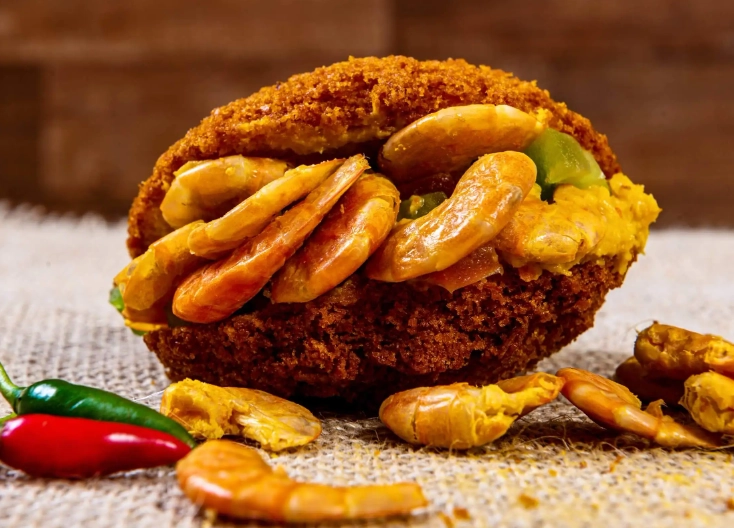
This recipe didn't cross the Atlantic in a cookbook. It was carried in the memories of the millions of enslaved Africans forcibly brought to Brazil, primarily to the northeastern state of Bahia. In the brutal reality of slavery, food became a crucial act of preservation and identity. Enslaved women, often working in plantation kitchens, adapted their knowledge with available ingredients. The black-eyed pea was there. Palm oil (azeite de dendê) was introduced from Africa. The dish survived.
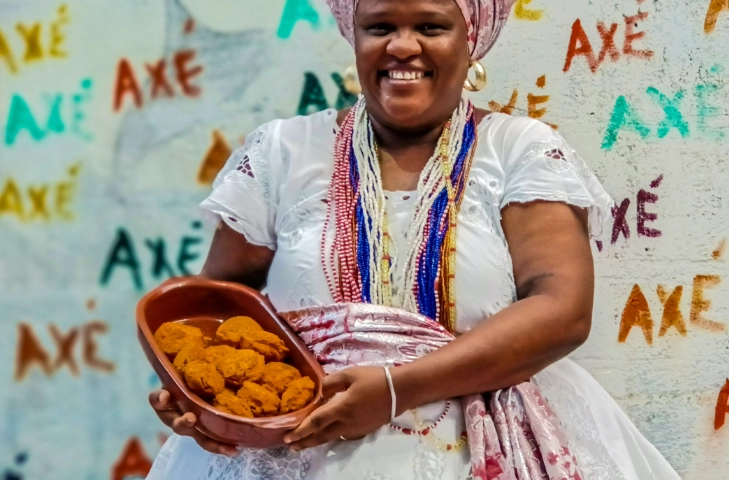
But here's the fascinating pivot. After abolition, many of these women, now free but with limited economic opportunities, took to the streets. They set up stalls and began selling the food they knew how to make with mastery. The acaraje seller, the baiana do acarajé, became an iconic figure. Dressed in traditional white hoop skirts, lace, and beaded necklaces (often representing Candomblé deities), she is both a chef and a cultural priestess. The dish transformed from a sacred offering to a means of economic independence and a public symbol of Afro-Brazilian heritage. It's a powerful legacy.
This history is recognized officially. The craft and tradition of the baianas de acarajé are inscribed by UNESCO as an Intangible Cultural Heritage of Brazil. That's not just a food award; it's an acknowledgment of a living history.
Deconstructing the Acarajé: What's Actually In It?
Okay, let's break down what you're actually eating when you order one. A classic, complete acaraje is a multi-component assembly. Getting the texture and balance right for each part is what separates a good one from a legendary one.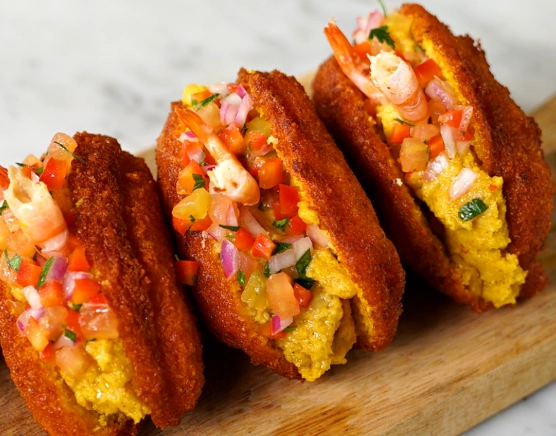
The Star: The Bean Fritter
The base. Made only from peeled black-eyed peas (feijão fradinho), onions, and salt. No flour, no eggs, no baking powder. The peas are soaked, skinned (a tedious but crucial process), ground into a paste, and whipped to incorporate air. This paste is then shaped into oval dumplings and deep-fried in azeite de dendê (red palm oil). The result should be a golden-brown, crispy exterior that gives way to a soft, fluffy, and slightly spongy interior. If it's dense or doughy, something went wrong.
The Heart: The Fillings & Sauces
This is where the magic happens. The hot fritter is split open and stuffed with two essential pastes:
- Vatapá: A rich, creamy, and complex paste made from bread, shrimp, ground peanuts, cashews, coconut milk, dendê oil, and ginger. It's fragrant, slightly sweet, and deeply savory.
- Caruru: A okra-based stew, thickened and spiced, often containing shrimp and nuts. It has a unique, slippery texture that people either love or find challenging.
The Crunch & Punch: The Toppings
The final layer of texture and salt. This almost always includes:
- Dried Shrimp (camarão seco): For a briny, umami crunch.
- Fresh Tomato & Onion Salsa (salada): A sharp, refreshing contrast to cut through the richness.
- Hot Pepper Sauce (pimenta): Usually a simple but ferociously hot malagueta pepper sauce. You add this at your own peril.
Every element has a role: crunch, cream, spice, freshness.
How is a Real Acarajé Made? The Traditional Process
Watching a seasoned baiana make acaraje is like watching a skilled artisan. It's methodical and impressive. Here’s the step-by-step, which explains why a homemade version is a labor of love.
Step 1: The Foundation – Peeling the Peas
This is the most time-consuming part. Dry black-eyed peas are soaked in water for several hours until their skins loosen. Then, the real work begins: rubbing them between your hands or in a bowl to slip the skins off, then floating the skins away in water. You need patience. Some modern cooks use a food processor with a blunt blade to help, but purists insist on the hand method for the lightest texture. I've tried both, and while the machine saves hours, the hand-peeled batch was undeniably airier.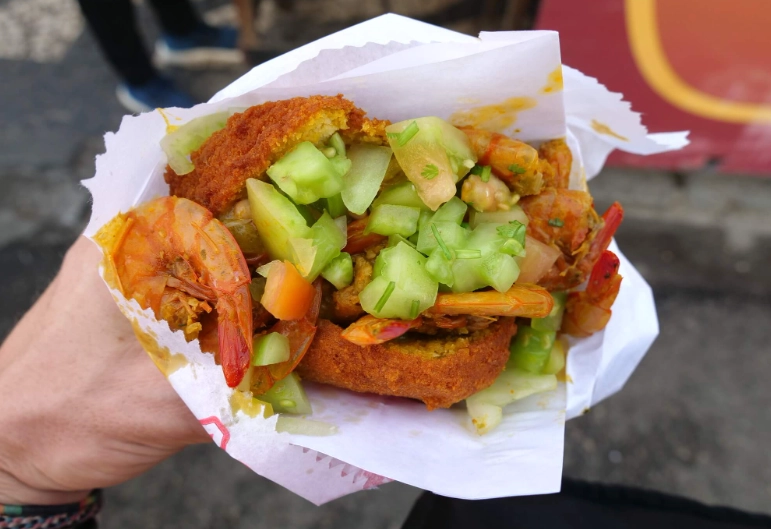
Step 2: Creating the Paste
The peeled peas are blended with raw onions and a little water into a smooth, thick paste. This paste is then transferred to a large bowl and whipped. Traditionally with a wooden spoon, for 15-20 minutes, to incorporate as much air as possible. This is the secret to the fluffy interior. You know it's ready when the paste is light, almost frothy, and holds its shape.
Step 3: Frying in Dendê
This is non-negotiable. A deep pot or wok is filled with red palm oil (azeite de dendê) and heated. The baiana uses two spoons to shape the paste into oval dumplings and gently slides them into the hot oil. The dendê oil gives the acaraje its signature orange-red hue and a distinct, earthy, almost smoky flavor you cannot replicate with any other oil. It fries until deeply golden and crisp on all sides.
Dendê Oil Note: This oil is a cornerstone of Bahian cuisine. It's vibrant red, rich in beta-carotene, and has a low smoke point. Its flavor is potent and can be divisive – some find it overpowering. If you're new to it, be prepared for a strong, unique taste. You can find it in international or African grocery stores.
Step 4: The Assembly
The hot fritter is drained, split open with a knife while still steaming, and stuffed generously with vatapá and caruru. Then comes the shower of dried shrimp, the spoonful of fresh salsa, and the optional (but recommended for the brave) dash of hot sauce. It's served immediately, often wrapped in a piece of paper because it's meant to be eaten with your hands, embracing the mess.
Acarajé vs. the World: Common Confusions Cleared Up
You might see similar dishes and wonder how they're different. Let's clear the air.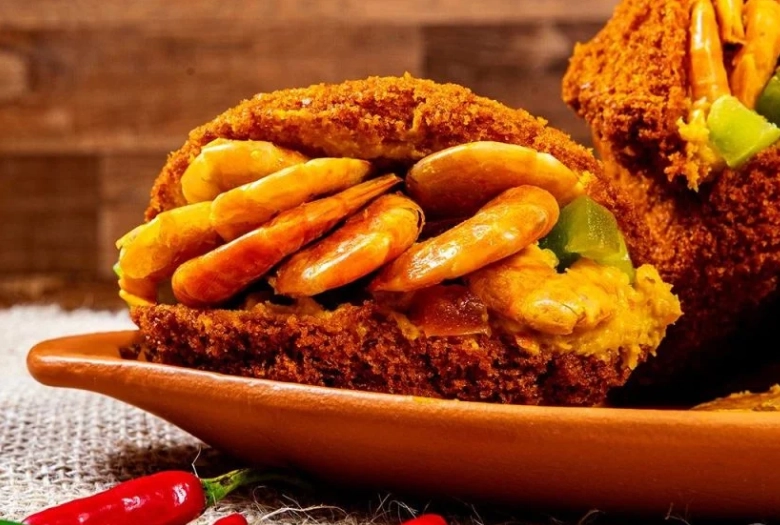
| Dish Name | Origin | Key Differences from Acarajé | Commonly Served With |
|---|---|---|---|
| Acarajé | Bahia, Brazil (Afro-Brazilian) | The original. Made ONLY with peeled black-eyed peas, onion, salt. Fried in dendê oil. Stuffed with vatapá/caruru. | Vatapá, caruru, dried shrimp, salsa, hot sauce. |
| Abara | Bahia, Brazil | Essentially an acaraje that is STEAMED in banana leaves instead of fried. Lighter, softer texture. | Same fillings as acarajé. |
| Akara | West Africa (Nigeria, etc.) | The direct ancestor. Often includes peppers blended into the bean paste. Usually fried in palm oil but served as a simple fritter or with a pepper sauce dip, not stuffed. | Pap (akamu), bread, or alone as a snack. |
| Falafel | Middle East | Made from chickpeas or fava beans, with herbs & spices (parsley, cilantro, cumin). Deep-fried but rarely in palm oil. Never stuffed with creamy pastes. | Hummus, tahini, in pita bread with salad. |
See? While they're all delicious fried legume fritters, the acaraje stands apart in its specific ingredients, cooking fat, and serving style.
Where to Eat the Best Acarajé (And What to Look For)
If you're heading to Brazil, particularly Salvador da Bahia, you're in for a treat. But not all stalls are created equal. Here’s what I look for, learned from a few mediocre ones before finding the gems.
- Location is Key: The most famous and arguably best spots are in the historic Pelourinho district and around the Mercado Modelo. Look for a baiana in full traditional dress – it's often a sign of authenticity and respect for the tradition.
- The Oil Matters: The dendê oil in the frying pot should be a deep red, not black or burnt. Fresh oil means a better-tasting fritter.
- Observe the Texture: The finished acaraje fritters in the display should look crispy and light, not greasy or dense.
- The Fixings: The vatapá should look creamy and abundant, not dried out. The dried shrimp should be plentiful.
Some legendary names in Salvador include Acarajé da Cira in the Rio Vermelho neighborhood and the stalls clustered around the Igreja do Nosso Senhor do Bonfim. But honestly, sometimes the best one is from a busy corner stall with a long line of locals.
Outside of Bahia, finding a true one gets harder. In São Paulo or Rio, seek out Bahian specialty restaurants. Outside Brazil, you might get lucky in cities with large Brazilian communities, but manage your expectations – the dendê oil is often the first ingredient to be compromised.
Can I Make Acarajé at Home? A Realistic Guide.
You can. I won't sugarcoat it – it's a project. But a rewarding one. Here's a brutally honest checklist of what you need and the challenges you'll face.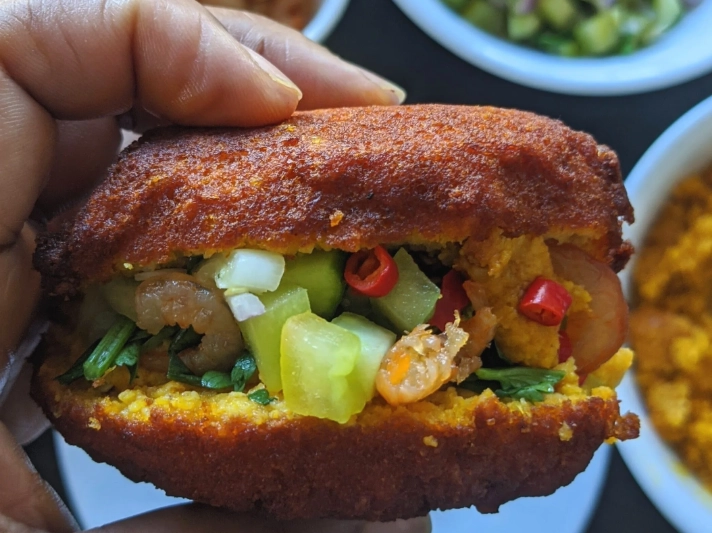
Essential Equipment & Ingredients
- Black-eyed peas (dry): 1 lb bag.
- Azeite de dendê: A bottle (for frying and for the vatapá). This is your most important purchase. Get a good quality one.
- Food processor or powerful blender: For grinding the bean paste. A mortar and pestle is traditional but a marathon.
- A deep fryer or heavy, deep pot: For safety and consistent temperature.
- Time and patience: Allocate 4-5 hours, especially for your first attempt.
The Biggest Hurdles (And How to Overcome Them)
- Peeling the Peas: It's tedious. Soak them well (overnight is best). After soaking, put them in a large bowl, fill with water, and agitate vigorously with your hands. The skins will float. Pour them off. Repeat 5-6 times until most skins are gone. Don't stress about a few stragglers.
- Whipping the Paste: This is crucial for fluffiness. Use a stand mixer with the paddle attachment on medium-high for 8-10 minutes if you have one. Otherwise, channel your inner athlete and whip by hand until your arm is sore and the paste has increased in volume and looks airy.
- Frying Temperature: The oil should be around 350°F (175°C). Too hot, and the outside burns before the inside cooks. Too cool, and they absorb too much oil and become greasy. Use a thermometer.
- The Fillings: Making authentic vatapá and caruru from scratch is another whole recipe. For a first try, you can simplify or even focus on mastering the fritter itself and serve it with a simplified shrimp stew or a spicy salsa. The Brazilian Ministry of Agriculture's website often has archived traditional recipes you can use as a reference for authenticity.
Answering Your Acarajé Questions
Let's tackle some of the most common things people want to know.
Is acarajé vegetarian or vegan?
This is a huge point of confusion. The traditional fritter itself (beans, onion, salt) is vegan. However, the classic preparation is not. It is fried in palm oil (vegan), but then stuffed with vatapá and caruru that contain shrimp, and topped with dried shrimp. So, a standard street acaraje is packed with seafood.
The good news: In major Brazilian cities and among modern vendors, you can increasingly find vegan acarajé options. They make the fritter as usual and stuff it with vegan versions of the pastes, using mushrooms or hearts of palm to mimic the shrimp flavor. Always ask: "Tem opção vegana?" (Do you have a vegan option?).
Is it gluten-free?
Yes! The core fritter is naturally gluten-free as it contains no wheat flour. However, be cautious with the fillings. Traditional vatapá uses bread as a thickener, which contains gluten. Some vendors might use gluten-free bread, but you must ask to be sure: "Contém glúten?" (Does it contain gluten?).
Why is it so important to Afro-Brazilian culture?
It's a living symbol. The baiana do acarajé is a powerful image of Black female entrepreneurship and cultural preservation. The ingredients (dendê oil, black-eyed peas) are direct African links. In the Candomblé religion, specific foods are offered to specific deities (orixás). Acarajé is sacred food for the orixá Iansã (goddess of winds and storms) and Xangô. Eating it connects you to this rich spiritual and historical tapestry in a very tangible way.
How do you eat it without making a huge mess?
You don't. Seriously, embrace it. It's street food. The proper way is to hold it in its paper wrapping in your hands and take bites, letting the sauces drip. Have napkins ready. The mess is part of the experience. Trying to eat it with a fork and knife is, in my opinion, missing the point entirely.
The Final Bite: Why Acarajé Deserves Your Attention
In a world of homogenized fast food, acaraje stands defiant. It's not trying to be convenient, neat, or mild. It's bold in flavor, rich in history, and vibrant in presentation. It represents resilience. From its origins in West African religious practice to its role as a tool of survival and then economic freedom for Black women in Brazil, every element tells a story.
Is it for everyone? Maybe not. The strong flavor of dendê oil can be an acquired taste. The texture of caruru might surprise you. It's undoubtedly a heavy, filling dish. But to dismiss it is to miss out on one of the world's most culturally significant and delicious street foods.
So, if you ever get the chance—whether on a bustling street in Salvador, at a Brazilian festival, or from your own ambitious kitchen project—take that messy, glorious bite. You're not just eating a bean fritter. You're tasting history.