Your Market Exploration Guide
- The Heart of Osaka's Market Culture
- A Tale of Two Titans: Kuromon vs. Namba
- Beyond the Tourist Trail: The Hidden Gems
- Your Osaka Market Strategy: A Practical Plan
- What to Actually Buy (And What to Avoid)
- Answering Your Osaka Market Questions (The Stuff You Actually Google)
- Wrapping It Up: Finding Your Perfect Market Day
Let's be honest, when you think of Osaka, you probably think of food. And where does the best food in Osaka live? It's not always in the fancy restaurants (though those are great too). It's in the markets. The real, bustling, sometimes chaotic, always delicious Osaka markets.
I've spent more time than I'd care to admit getting lost in these places, eating my way from one stall to the next. My first trip to an Osaka market was a blur of sensory overload. The sizzle of takoyaki, the shouts of vendors, the overwhelming smell of fresh fish and grilled meat. I made every mistake in the book. I went at the worst time, I paid tourist prices for things, I missed the really good stuff tucked away in corners.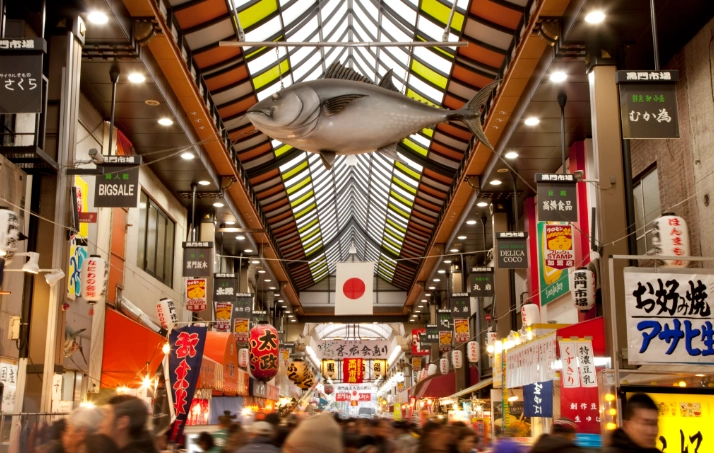
This guide is the one I wish I'd had. We're not just talking about the famous one everyone knows. We're diving deep into the entire Osaka market scene. The big names, the hidden lanes, the ones only locals seem to know about. We'll figure out which market is right for you, what you absolutely must try, and how to not look like a clueless tourist (even if you are one, it's okay).
The Heart of Osaka's Market Culture
What makes an Osaka market different from, say, a Tokyo market? It's in the DNA of the city. Osaka is Kuidaore—"eat until you drop." It's mercantile, down-to-earth, and proud of it. The markets here aren't just places to buy groceries. They're entertainment. They're living history. They're a crash course in Kansai culture where the pace is faster, the banter is louder, and the portions are, frankly, more generous.
The history runs deep. Many of these markets started centuries ago as wholesale hubs for fish, vegetables, and dry goods. While some have gentrified for tourists, that core function often remains. You'll still see chefs from local restaurants doing their morning shopping, which is always a good sign.
A Tale of Two Titans: Kuromon vs. Namba
Most people get stuck deciding between these two. They're the heavyweights, but they serve very different purposes. Let's break it down so you can pick your fighter.
Kuromon Ichiba: The "Kitchen of Osaka"
Kuromon Ichiba is the legend. Over 190 shops stretched along a covered arcade. I have to admit, the first time I went to Kuromon Ichiba, I found it a bit... much. The main drag can feel like a tourist gauntlet, especially around noon. But here's the secret: you need to look up and look sideways.
The best stuff isn't always at eye level on the main path. The stalls with the longest lines of Japanese office workers on lunch break? That's where you go. Forget the generic skewers at the entrance. Head for the specialists.
- Must-Eat #1: Otoro (Fatty Tuna) Sashimi. Don't even think about getting the cheap maguro. Splurge on a piece of otoro from a dedicated fish stall. It should melt like butter. If it's chewy, you went to the wrong place.
- Must-Eat #2: Freshly Grilled Scallops. They crack them open, put a slab of butter on, and grill them right there. The smell alone is worth the trip.
- Secret Spot: The small, standing-only sushi bars tucked in the side alleys. They're cramped, they're no-frills, but the fish was swimming that morning.
The vibe is electric, but it can be exhausting.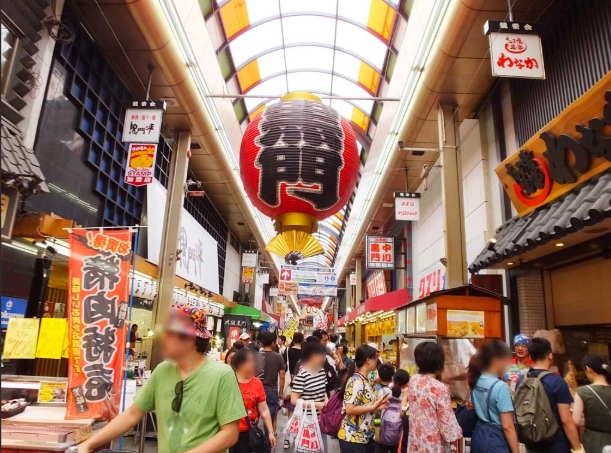
Namba Yasaka Jinja Shrine & the Namba Area Markets
This is a different beast. It's not one centralized market like Kuromon. Instead, think of the entire Namba area—Shinsaibashi, Dotonbori, the backstreets—as a sprawling, open-air market of snacks, street food, and weird and wonderful finds. The energy here is more chaotic, more neon, more "Osaka at night."
Then there's the Namba Yasaka Jinja Shrine. It's not a food market in the traditional sense. But! On festival days (check their calendar), the grounds transform. Stalls pop up selling yatai food like okonomiyaki, yakisoba, and kakigori (shaved ice). It's a more local, festive experience. You're not just eating; you're participating.
The shopping here is less about raw ingredients and more about ready-to-eat madness: giant crab legs, pufferfish jerky (yes, really), cheese tarts the size of your fist. It's over-the-top, and it knows it.
So, which is right for you? If you want the iconic, covered, "I went to an Osaka market" experience with astounding seafood, choose Kuromon. If you want to be thrown into the sensory carnival of Osaka street life and discover snacks between shopping and sightseeing, the Namba area is your playground.
Beyond the Tourist Trail: The Hidden Gems
Okay, you've done the big ones. Or maybe you want to skip them entirely and go where the locals shop. This is where exploring an Osaka market gets really interesting.
Tenjinbashisuji Shopping Street
This isn't hidden from locals—it's the longest shopping street in Japan, stretching over 2.6 km. But tourists often miss it. It's not a gourmet food hall. It's a real, working-class shopping arcade. You'll find hundred-yen shops, shoe stores, pharmacies, and, crucially, fantastic, no-nonsense food stands mixed in.
I stumbled upon an old man here making taiyaki (fish-shaped cakes) with a secret red bean paste recipe his family has used for decades. It cost a third of what you'd pay in Dotonbori and tasted ten times better. That's the spirit of this place. It's raw, unvarnished Osaka. You come here to see daily life, not to tick a box.
Kizu Market (Wholesale Market)
Now we're getting serious. Kizu Market is one of Osaka's major wholesale markets. This is where the city's restaurants get their supplies. It's not really set up for tourists. It's loud, it's wet, it's filled with forklifts and men in rubber boots shouting.
Can you visit? Sometimes.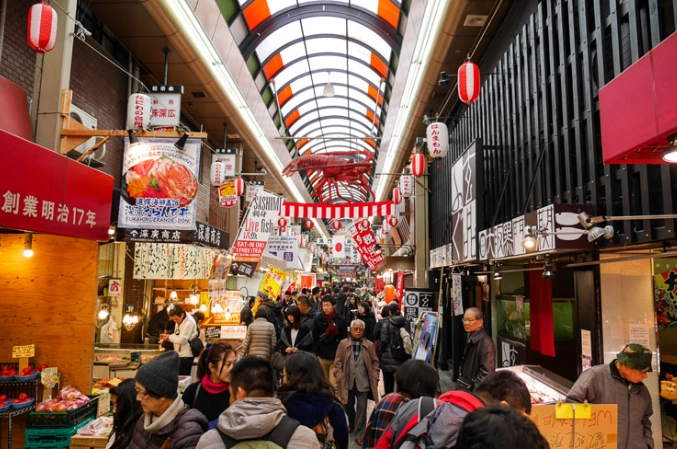
Access is restricted for the general public during the busy early morning wholesale auctions. However, some outer areas and specific shops that sell to the public open later in the morning. You need to check official sources for current visitor policies. The Osaka Convention & Tourism Bureau website is a good place to start for official, up-to-date information. If you can get in, it's a breathtaking behind-the-scenes look. But it's not a place for a leisurely stroll and a snack. It's an education.
Your Osaka Market Strategy: A Practical Plan
Knowing the markets is one thing. Conquering them is another. Here's a battle plan based on hard-learned lessons.
| Market | Best For | Best Time to Go | Budget Style | Skip If You... |
|---|---|---|---|---|
| Kuromon Ichiba | Ultra-fresh seafood, iconic experience, foodie photography | 9:00 AM - 10:30 AM | Moderate to High (splurge on the good fish) | Hate crowds, are on a very tight budget, dislike raw fish |
| Namba Area (Dotonbori/Shinsaibashi) | Street food snacks, nightlife energy, crazy food sculptures, people-watching | Evening (after 6 PM) for the lights | Varies (can be cheap or expensive) | Want a quiet, authentic local shopping experience |
| Tenjinbashisuji | Local life, cheap everyday eats, non-touristy souvenirs, a long walk | Late morning or afternoon | Low | You only have 2 hours and want "the greatest hits" |
| Namba Yasaka Jinja (Festival Days) | Cultural experience, festival food, unique photos of the giant lion head shrine | Check the shrine's event calendar | Low to Moderate | There's no festival on—it's just a (beautiful) quiet shrine then |
The Art of Eating Through a Market
This is a marathon, not a sprint. My strategy? Walk the entire length first without buying anything. Just look. See where the lines are. See what looks good. Then, on the second pass, start eating. Share dishes. That giant crab claw is fun for a photo, but it's a lot of work for not much meat. Maybe split it.
Hydrate. It's easy to forget with all the salty, delicious food. Carry a small bottle of water.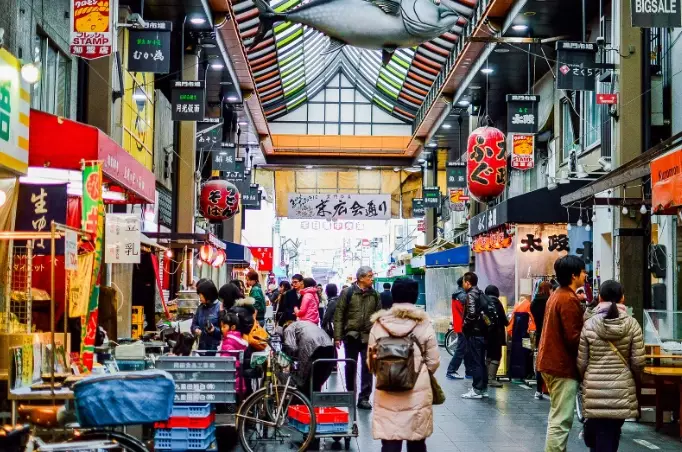
"The real magic of an Osaka market isn't in the first bite of tuna. It's in the fifth stall, when you're slightly lost, and you find the elderly couple making one thing perfectly for 40 years. That's the moment you find."
What to Actually Buy (And What to Avoid)
Souvenirs from an Osaka market can be amazing. Or they can be junk. Let's get specific.
- Buy: High-quality kitchen knives from a specialist stall (they can usually engrave them for you). Packaged dry goods like high-grade dashi (soup stock), Kansai-style pickling mixes, or fancy soy sauce. These are unique and travel well.
- Buy: Regional sweets from a dedicated wagashi shop. Look for things like kibidango or okaki rice crackers.
- Avoid: Most pre-packaged "sushi sets" to take away. The rice gets hard and sad. Eat your sushi fresh, on the spot.
- Avoid: Generic "Osaka" keychains and magnets made overseas. You can get those anywhere.
- Maybe: Strange flavored Kit-Kats (green tea, sake). They're a fun, lightweight gift, but they've become a bit cliché.
Answering Your Osaka Market Questions (The Stuff You Actually Google)
Let's cut to the chase. Here are the questions I get asked most, and the answers I wish were more obvious.
Is Kuromon Ichiba overrated?
Parts of it are, yes. The main thoroughfare can feel like a theme park. But is the entire Osaka market of Kuromon overrated? Absolutely not. The overrated part is sticking to the main path and eating at the first stall you see. Venture, explore the side alleys, talk to the vendors at the quieter ends. The quality of seafood at its best stalls is objectively world-class. It's a matter of navigation.
Do I need to bargain or haggle?
Generally, no. This isn't a night market in some other parts of Asia. Prices are fixed. The only exception might be if you're buying a very large quantity of something at the end of the day from a produce vendor who doesn't want to pack it up. But even then, it's rare. Just pay the price marked.
How do I know if the seafood is fresh?
Use your eyes and nose. The fish should look bright, clear-eyed (if whole), and have a firm, glossy texture. It should smell like the clean ocean, not fishy. At a good Osaka market stall, they'll be displaying whole fish and cutting blocks to order. If everything is pre-cut and sitting in a pile, be more cautious. Trust the stalls with the whole fish on display.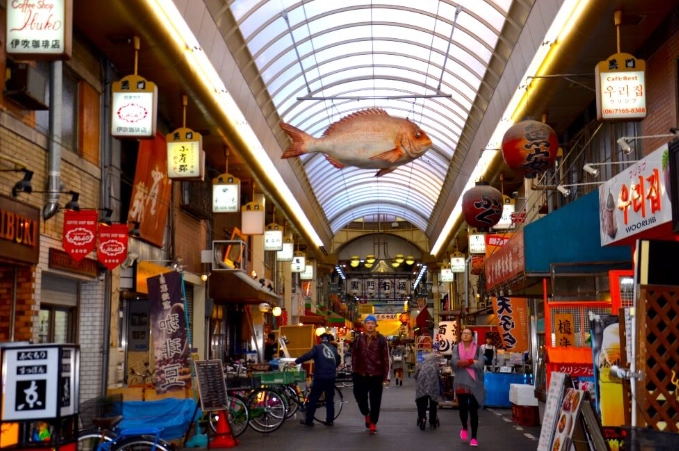
What's the one thing most tourists miss?
Sitting down. Everyone grazes while walking. Find a standing bar or a tiny stall with a few stools. Order a beer or a sake. Eat your food there, slowly. Watch the world go by. You'll notice more, taste more, and give your feet a break. This transforms the experience from a checklist into a memory.
Wrapping It Up: Finding Your Perfect Market Day
There's no single "best" Osaka market. There's only the best one for you on that particular day. Craving the pinnacle of sashimi? Kuromon at opening time. Want to feel the electric pulse of the city with a takoyaki ball in hand? Get lost in Namba's backstreets. Curious about where it all comes from? Research a visit to the wholesale areas or dive into Tenjinbashisuji.
The key is to go with an appetite—for food, and for experience. Don't try to do it all. Pick one or two, go deep, and leave room for the unexpected find. That's the Osaka way. It's messy, it's direct, and it's incredibly satisfying. Just remember to wear comfortable shoes. You'll thank me later.
For the most accurate and detailed information on locations, hours, and festival dates, always cross-reference with official resources like the Japan National Tourism Organization (JNTO). Their site is a treasure trove of verified, practical info that can help finalize your plans.
Now go on. The grill is hot, the fish is fresh, and your Osaka market adventure is waiting.
Reader Comments