Quick Navigation
- The Absolute Must-Sees in Seoul (The Classics Done Right)
- The Real Fun: What to Actually DO in Seoul
- Building Your Seoul Itinerary: From 1 Day to 1 Week
- Seoul By Season: What to See and Do When
- Practical Stuff You Actually Need to Know
- Common Questions (The Stuff You're Actually Searching For)
- Final Thoughts: Making It Your Own
Let's be honest. Figuring out what to see and do in Seoul can feel overwhelming. The city is massive, the subway map looks like a bowl of colorful spaghetti, and you're trying to squeeze palaces, street food, K-pop, and maybe a hike into a few days. I've been there, staring at a blank itinerary, wondering where to even start.
My first trip to Seoul was a mess. I spent half a day lost in a department store basement looking for an exit, and I completely missed some of the city's best neighborhoods because I was stuck in the tourist traps. I don't want that to happen to you.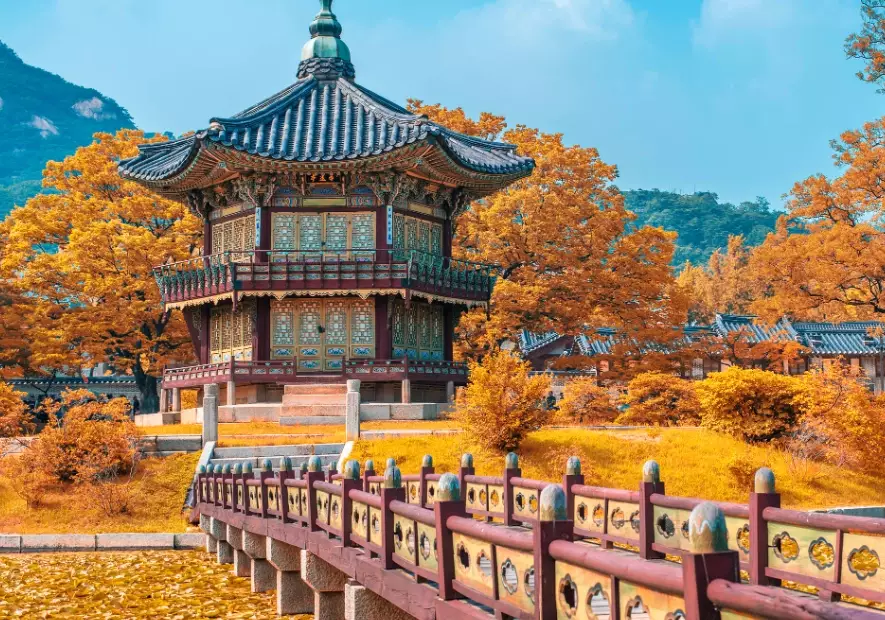
The Absolute Must-Sees in Seoul (The Classics Done Right)
You can't talk about Seoul what to see and do without mentioning the big hitters. These are the iconic spots, and for good reason. But there's a right way and a wrong way to experience them.
History & Palaces: Stepping Back in Time
Seoul's palaces are stunning, but visiting all five can lead to serious "palace fatigue." My advice? Pick two, max.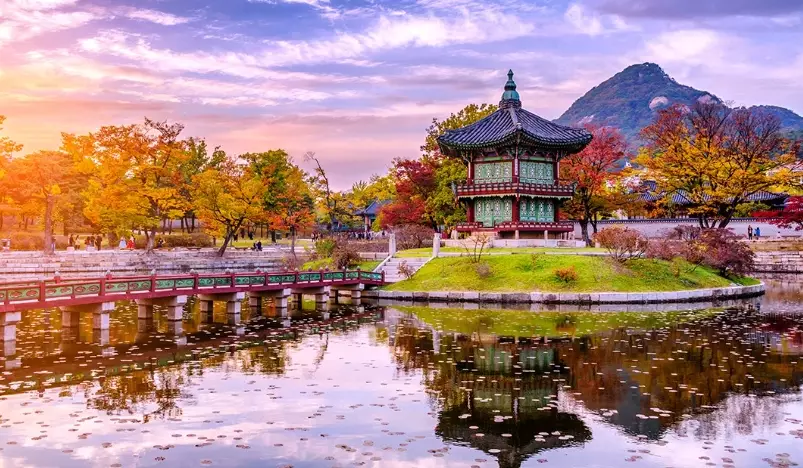
Gyeongbokgung Palace is the granddaddy of them all. It's huge, impressive, and the main gate (Gwanghwamun) is iconic. Go for the changing of the guard ceremony (check times on the official Royal Palace site), but be prepared for crowds. A pro tip? Rent a hanbok (traditional Korean dress). Not only do you look awesome in photos, but you get free admission to the palace and all the other major palaces. It's a total hack.
Just behind Gyeongbokgung lies Bukchon Hanok Village. It's a residential area of traditional Korean houses (hanok) on a hillside. The views are postcard-perfect, but remember, people live here. Please be quiet, stay on the main paths, and don't peer into windows. I made that mistake once and got a very stern look from an ajumma (older lady).
My personal favorite is Changdeokgung Palace, specifically its Secret Garden (Huwon). You need a guided tour to enter the garden (book online in advance on the Korea Tourism Organization site), but it's 100% worth it. It's a serene, landscaped world away from the city bustle. Different seasons offer completely different experiences—vibrant greens in summer, fiery reds in fall.
Modern Seoul & City Views
Seoul isn't just about the past. Its skyline is a character in itself.
N Seoul Tower (Namsan Tower) is on every list. The view is undeniably spectacular, especially at night. But the cable car line can be soul-crushingly long. Here's an alternative: take a bus or taxi up to the base, enjoy the views from the free observation decks around the tower, and skip the paid elevator to the top unless you're a die-hard. The "love locks" are cute but have become a bit of a cluttered mess, in my opinion.
For a more local and less touristy vibe, head to Lotte World Tower & SEOUL SKY in Jamsil. It's the 5th tallest building in the world. The observation deck (SEOUL SKY) is incredibly high-tech and the 360-degree view is mind-blowing. You can see the entire Han River snaking through the city. It feels more futuristic than Namsan.
Then there's Dongdaemun Design Plaza (DDP). This massive, neofuturistic structure designed by Zaha Hadid looks like a giant alien spaceship landed in the middle of the city. It's free to walk around and through, and it's especially magical at night when it's lit up. The surrounding Dongdaemun area is a 24-hour shopping district, so the energy is electric.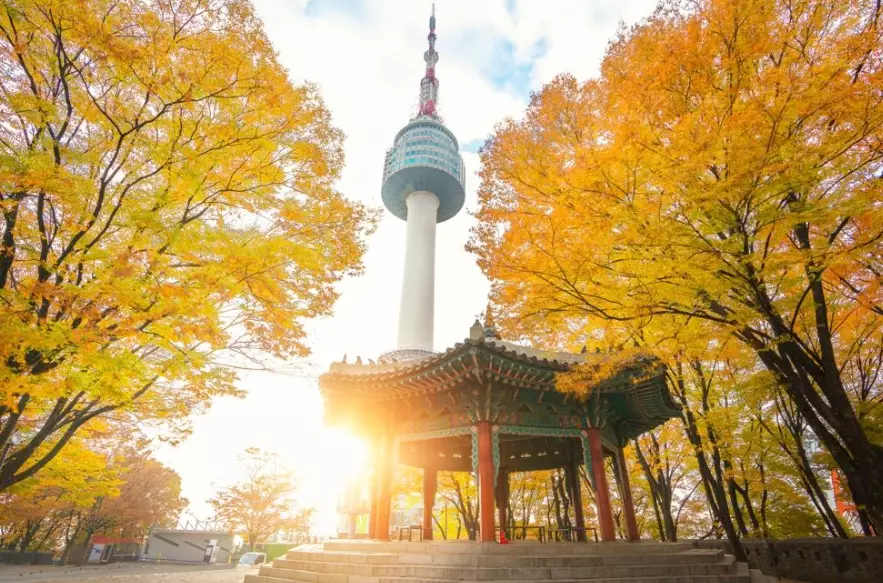
The Real Fun: What to Actually DO in Seoul
This is where your trip gets memorable. Things to do in Seoul go far beyond sightseeing.
Food Adventures (The Most Important Part)
You haven't been to Seoul until you've eaten. Period.
Street Food is a religion. Myeongdong is the famous spot, and it's great for variety, but it's also pricier and packed with tourists. For a more authentic (and cheaper) experience, try the markets: Gwangjang Market for bindaetteok (mung bean pancakes) and mayak gimbap, or Mangwon Market (trendy with locals). Don't just point—try to say the name. A little effort goes a long way.
You must try Korean BBQ. But where? Avoid the places with plastic English menus plastered outside in tourist areas. Look for a place full of locals, with smoke billowing out, and menus only in Korean (or with minimal pictures). Hongdae and Mapo-gu are full of these gems. Pork belly (samgyeopsal) is the classic, but don't miss marinated galbi (ribs).
For a unique experience, visit a Jjimjilbang (Korean spa). It's not just a spa; it's a cultural institution. Yes, you have to get naked in the gender-segregated wet areas (no choice, just go with it). After you bathe, you can relax in the common area in provided uniforms, eat boiled eggs and sikhye (sweet rice drink), and even nap on the heated floors. Siloam Sauna near Seoul Station is a classic, no-frills option that's popular with locals and tourists alike.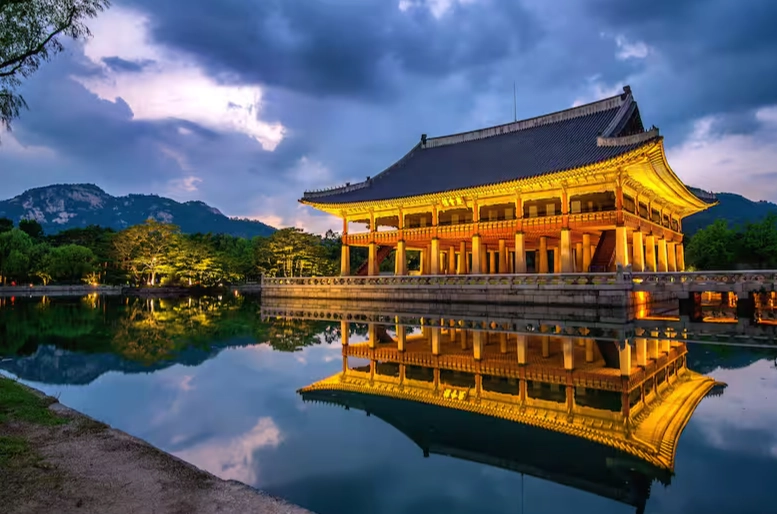
Neighborhood Deep Dives
Seoul is a city of distinct neighborhoods, each with its own personality. Your Seoul what to see and do list should include at least two of these.
- Hongdae: The university district, buzzing with youthful energy. Street performers, indie boutiques, quirky cafes, and some of the city's best nightlife. It's fun, loud, and creative. Perfect for people-watching and finding unique souvenirs.
- Insadong: The traditional heart. Think tea shops, calligraphy stores, and galleries selling hanji (traditional paper) crafts. Ssamziegil is a cool multi-story market with little artisan shops spiraling up a ramp. Great for buying traditional gifts.
- Itaewon: The international district. Historically known for its nightlife and diverse food scene (you can find anything here). It's undergone significant changes and is very cosmopolitan. Great for international cuisine and a more global vibe.
- Ikseon-dong: My current favorite. A maze of narrow alleys filled with traditional hanok houses that have been converted into ultra-hip cafes, bars, and boutiques. It feels like a secret. Go here to feel cool and discover something new. It gets packed on weekends, though.
Building Your Seoul Itinerary: From 1 Day to 1 Week
How you tackle what to see and do in Seoul totally depends on your time. Here are some realistic blueprints.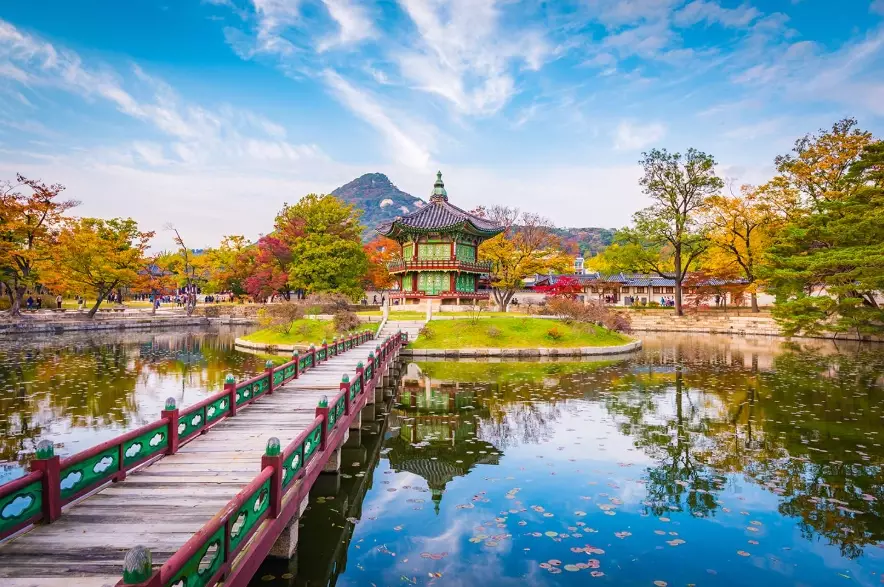
| Duration | Focus | Sample Itinerary | Pro Tip |
|---|---|---|---|
| 1 Day (The Blitz) | Iconic Highlights | AM: Gyeongbokgung & Bukchon. Lunch in Insadong. PM: Changdeokgung Secret Garden (booked). Evening: Namsan Tower views & Myeongdong street food. | Buy a T-money card first thing. Use taxis between far-flung spots to save time. |
| 3 Days (The Classic) | Culture & Modern Mix | Day 1: Palaces & Insadong. Day 2: Morning at a market (Gwangjang), afternoon in Hongdae, Korean BBQ dinner. Day 3: Jjimjilbang relaxation, afternoon in Ikseon-dong, evening at Dongdaemun DDP. | Dedicate each day to a geographic zone (North, South of River, Central) to minimize travel. |
| 5-7 Days (The Explorer) | Deep Dives & Day Trips | Follow the 3-day plan, then add: A full day in Gangnam (COEX, Bongeunsa Temple). A day trip to the DMZ (book with a verified tour like via the Korail website). A food tour in a local market. | Schedule a chill day mid-trip. Maybe just cafe-hopping in a trendy area. Avoid burnout. |
Seoul By Season: What to See and Do When
Your experience changes dramatically with the weather.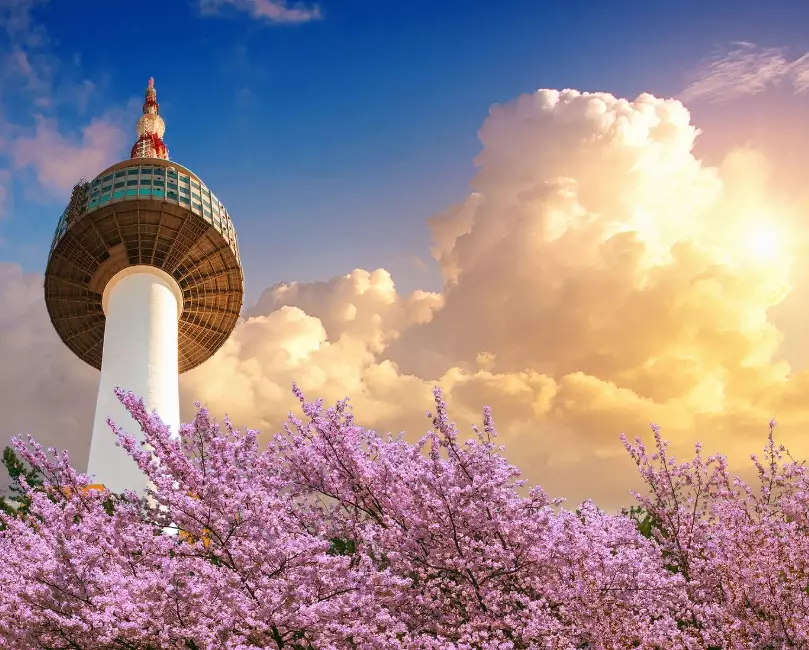
- Spring (April-May): Cherry blossoms! But it's also the most crowded and expensive time. Yeouido Park is famous, but try the Seokchon Lake area near Lotte World for slightly fewer people. Book everything months in advance.
- Summer (June-August): Hot, humid, and rainy (monsoon season in July). This is the time for indoor activities: museums, cafes, jjimjilbang, and shopping. Evenings are pleasant for Han River picnics (you can rent mats).
- Fall (September-November): The absolute best time, in my opinion. Crisp air, stunning fall foliage in the palaces and mountains like Bukhansan. Perfect for hiking and outdoor exploration. Pack layers.
- Winter (December-February): Cold and dry. It's fantastic for steaming street food, hot pot meals, and cozy cafe culture. The palaces covered in snow are breathtaking. Ice skating rinks pop up in places like Seoul Plaza.
Practical Stuff You Actually Need to Know
Let's cut through the fluff.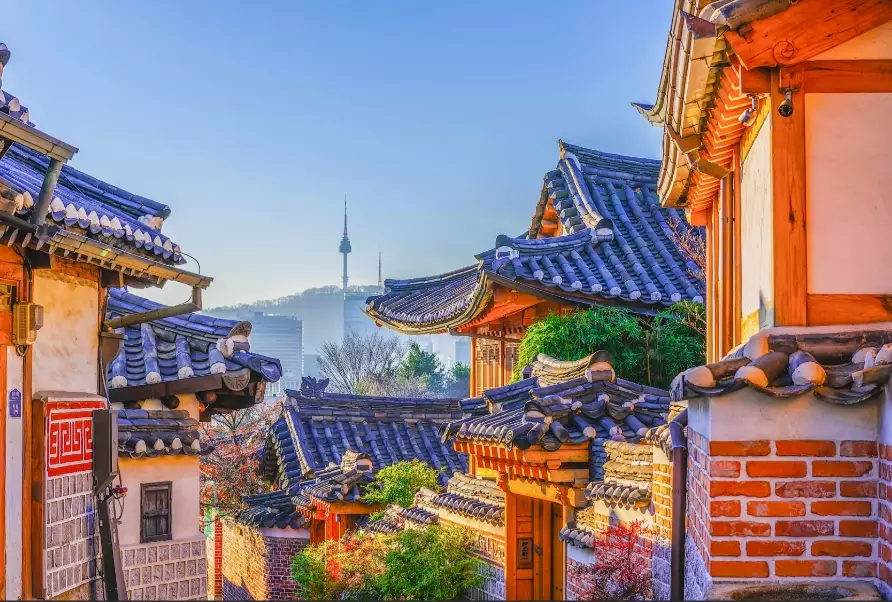
Getting Around: The Subway is Your Best Friend
The Seoul Metro is clean, safe, cheap, and extensive. Buy a T-money card at any convenience store (CU, GS25, 7-Eleven) in the airport or subway station. Load it with cash. You can use it on subways, buses, and even in taxis and convenience stores. Google Maps works decently, but Naver Map or KakaoMap (download the apps) are far more accurate for walking directions and local searches.
Taxis are affordable. Silver/gray (regular) taxis are fine. Black taxis are deluxe and more expensive. You can hail them or use the Kakao T app (needs a local number to register, which is a hassle for short trips). Most drivers don't speak English, so have your destination address written in Korean or show it on a map.
Money & Budgeting
Card is king in Seoul. You can use foreign credit cards (Visa/Mastercard) almost everywhere, even in tiny street food stalls. However, have some Korean Won (KRW) cash for markets, small independent shops, and reloading your T-money card. ATMs are everywhere (look for "Global ATM" at convenience stores or banks). Tell your bank you're traveling.
Seoul can be as cheap or as expensive as you want. You can have a fantastic meal for under $10 at a market or spend $100+ on fine dining. Budget accordingly.
Connectivity: Stay Online
Free public Wi-Fi is spotty. For peace of mind, rent a portable Wi-Fi egg (pocket WiFi) or buy a local SIM card at the airport (Incheon Airport has multiple counters like SK Telecom, KT, LG U+). Having constant data for maps and translation is a game-changer.
Common Questions (The Stuff You're Actually Searching For)
Is Seoul safe for solo travelers, especially women?
Incredibly safe. I've walked alone at night in most neighborhoods and never felt threatened. Violent crime is very low. Of course, practice general big-city awareness, but Seoul consistently ranks as one of the safest major cities in the world.
Do I need to speak Korean?
Not at all. In tourist areas, you'll find basic English. Younger people often know some English. But learning a few phrases (annyeonghaseyo - hello, kamsahamnida - thank you, hwa-jang-shil odi-eyo? - where is the bathroom?) is hugely appreciated. Use Papago (Naver's translation app) for menus and signs—it's better than Google Translate for Korean.
What's the best area to stay in for first-timers?
For convenience and access to Seoul's top things to see and do:
- Myeongdong: Central, great subway access, tons of hotels, shopping, and food. Can be noisy and very touristy.
- Hongdae: Lively, youthful, great nightlife and food. Slightly further from the palaces but excellent subway links.
- Insadong/Jongno: Walking distance to major palaces, traditional vibe. Quieter at night.
I usually recommend Myeongdong or Jongno for a first trip for sheer logistics.
Can I do a day trip to the DMZ?
Yes, but you must book a tour. You cannot visit independently. Only certain, government-approved tour operators can go. Book well in advance, as spots fill up, and tours are often cancelled due to political tensions. Full-day tours typically visit Imjingak Park, the 3rd Infiltration Tunnel, and the Dora Observatory. Your passport is required. It's a sobering, fascinating experience, not a fun outing. Check the official Korea DMZ Peace Tour site for authorized operators and the latest status.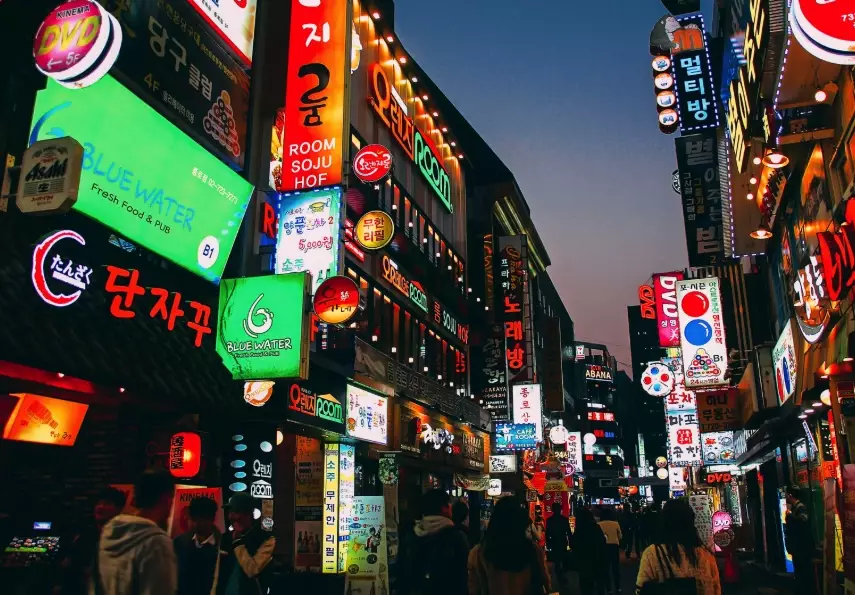
Final Thoughts: Making It Your Own
Figuring out what to see and do in Seoul is the first step. The real joy is in the unexpected moments: the quiet alleyway cafe you stumble upon, the ajumma who shows you how to properly eat a dish, the stunning city view from a random subway exit.
Use this guide as a framework, not a rigid script. Be prepared to get a little lost. Say yes to the strange-looking food. Embrace the organized chaos. Seoul is a city that gives you endless energy and demands you keep up.
It might feel overwhelming now, but once you're there, navigating the neon-lit streets with a bag of hotteok in your hand, it'll all click. You've got this. Now go start planning.