In This Guide
- The Absolute Must-Try Vietnamese Breakfast Dishes
- Beyond the Bowls: The Unsung Heroes of the Morning
- A Regional Breakfast Roadmap: North, Central, South
- How to Actually Order & Eat Vietnamese Breakfast Like a Pro
- Frequently Asked Questions (Stuff You're Probably Wondering)
- Final Thoughts: More Than Just a Meal
Let's talk about breakfast in Vietnam. It's not a sad bowl of cereal grabbed in a rush. Forget that. Over there, the morning meal is an event, a vibrant, noisy, delicious kickstart to the day that's deeply woven into the fabric of daily life. The streets steam with the aroma of broth, the sizzle of grills, and the chatter of people slurping noodles. If you've only ever thought of breakfast as pancakes or eggs, prepare to have your mind (and taste buds) blown wide open. This isn't just about eating; it's about experiencing a culture, one incredible bite at a time.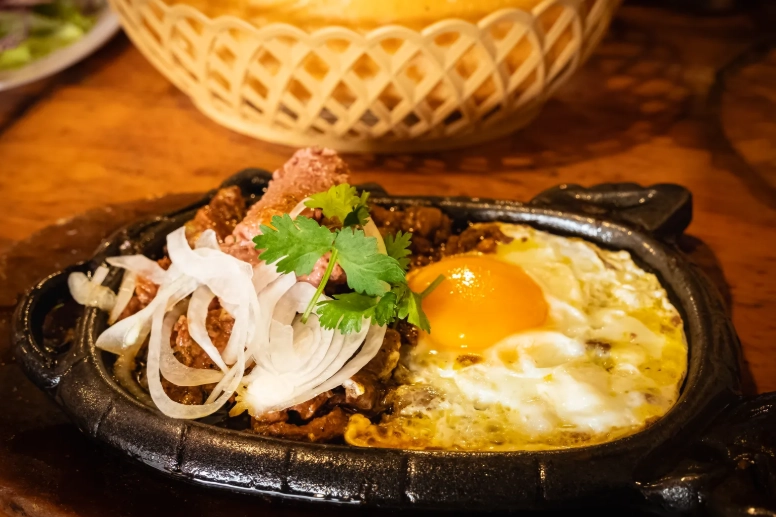
I remember my first real Vietnamese breakfast in Hanoi's Old Quarter. I was jet-lagged, confused, and utterly captivated. People sat on tiny plastic stools, knees almost to their chins, completely focused on their bowls. The energy was contagious. That's what this guide is about—unpacking that magic. We're going beyond the postcard image of Pho. We'll dive into the savory, the sweet, the crunchy, and the comforting universe of Vietnamese breakfast foods. Whether you're planning a trip, craving authentic flavors at home, or just curious, consider this your personal roadmap.
What's the Big Deal? Unlike the often-sweet Western breakfast, Vietnamese morning meals lean savory, hearty, and packed with complex flavors—herbs, fish sauce, grilled meats, and broths that have simmered all night. It's food that fuels you for a humid, busy day. And the best part? It's almost always fresh, affordable, and meant to be eaten socially, often at bustling street-side stalls.
The Absolute Must-Try Vietnamese Breakfast Dishes
You can't talk about this topic without meeting the classics. These are the pillars, the dishes you'll find from the misty northern highlands down to the sun-drenched Mekong Delta. Let's break them down.
Pho: The Undisputed National Breakfast Hero
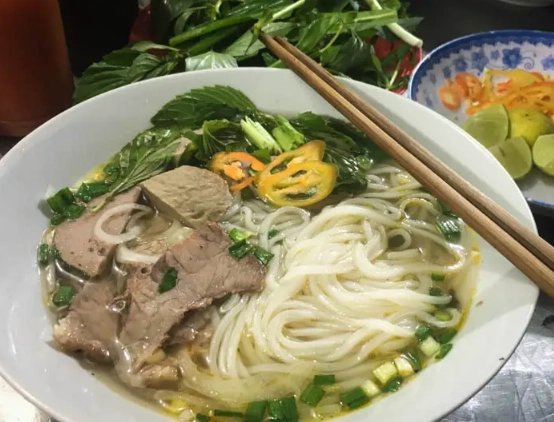
Okay, let's get this out of the way first. Yes, Pho is famous globally, but eating it for breakfast in Vietnam is a different ritual altogether. It's the ultimate comfort food—a clear, aromatic beef or chicken broth, silky rice noodles, and thin slices of meat, all brought to life by a plate of fresh herbs, bean sprouts, lime, and chili.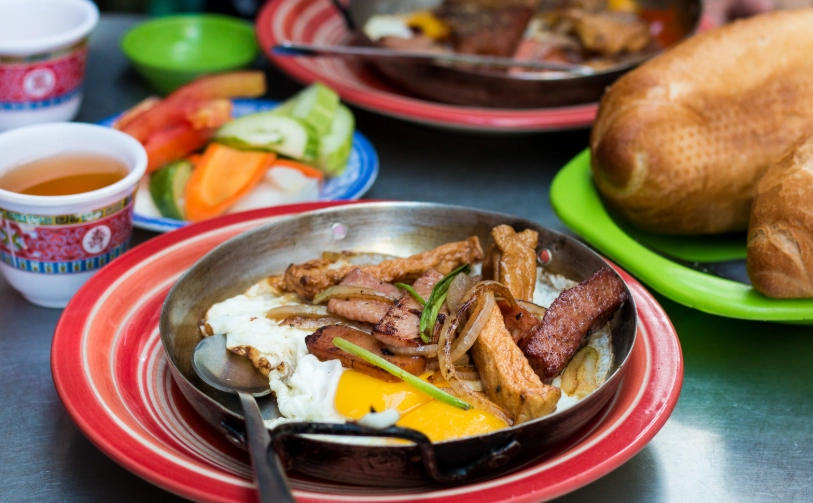
But here's a thing most travel blogs don't tell you: not all Pho is created equal. The northern style (Pho Bac) is purist. The broth is clearer, saltier, and you typically only add a squeeze of lime and some chili. No hoisin sauce in sight. The southern style (Pho Nam) is sweeter, bolder, and comes with a mountain of herbs and sauces on the side. Personally, I'm a northern style fan. The simplicity lets the quality of the broth shine. A bad Pho has a weak, watery broth. A great one tastes like someone poured their soul into the pot.
Where do you find the best? Often, it's the unassuming spot with a huge pot simmering out front and a crowd of locals. Look for places that specialize in either Pho Bo (beef) or Pho Ga (chicken). A fantastic resource for understanding the history and cultural significance of Pho is the official Vietnam Tourism page on the dish. It's a credible source that dives deep into its origins.
Think Pho is just lunch? Not here. It's the king of traditional Vietnamese breakfast.
Banh Mi: The French-Vietnamese Love Child
If Pho is the sit-down breakfast, Banh Mi is the ultimate grab-and-go champion. This isn't your average sandwich. It's a crusty, airy baguette (a legacy of French colonialism) stuffed with a symphony of flavors: pâté, cold cuts, grilled pork, or meatballs, then layered with pickled carrots and daikon, fresh cilantro, cucumber, and a swipe of chili mayo or Maggi seasoning.
The beauty is in the contrast—the crackle of the bread, the savory meats, the tangy pickles, and the punch of fresh herbs. It's messy, it's perfect, and it costs about a dollar. For a deep dive into the components and variations, check out this detailed guide from Serious Eats, a highly respected culinary website.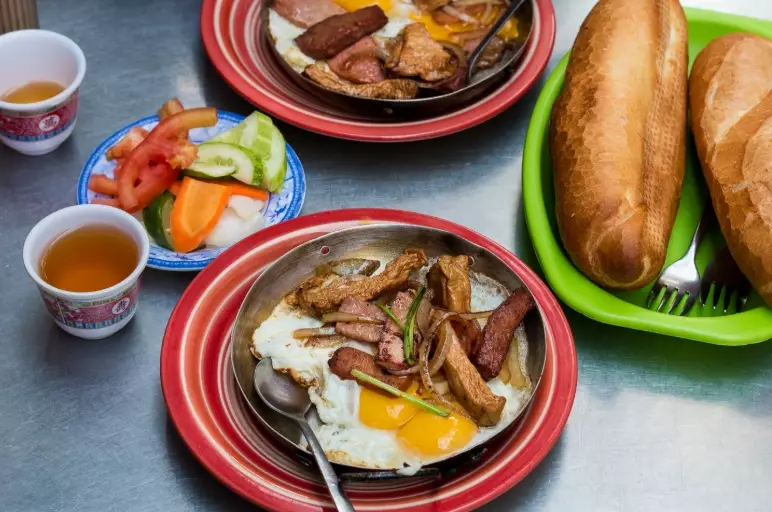
Pro Tip: Ask for "Banh Mi Op La" for a breakfast twist. They crack a sunny-side-up egg or two right into the sandwich. It's a game-changer.
Xoi (Sticky Rice): The Hearty Powerhouse
Need serious fuel? Xoi is your answer. Glutinous sticky rice is steamed and then topped with a vast array of savory or sweet ingredients. For breakfast, it's usually savory. Think Xoi Ga (with shredded chicken), Xoi Thit Kho (with braised pork), or Xoi Lap Xuong (with Chinese sausage). It's often served with a sprinkle of fried shallots and a side of pickles to cut through the richness.
It's incredibly filling, cheap, and a common sight being sold by street vendors from large bamboo steamers. This is the breakfast of construction workers, students, and anyone needing long-lasting energy. It's less famous with tourists but absolutely central to the daily Vietnamese breakfast foods scene.
Bun (Rice Vermicelli Bowls) & Other Noodle Soups
Pho might be the star, but Vietnam's noodle soup repertoire is vast. For breakfast, you'll also see people enjoying Bun Rieu (crab and tomato noodle soup), Bun Bo Hue (spicy beef noodle soup from Central Vietnam), and Hu Tieu (a clear, pork-and-seafood based soup popular in the south).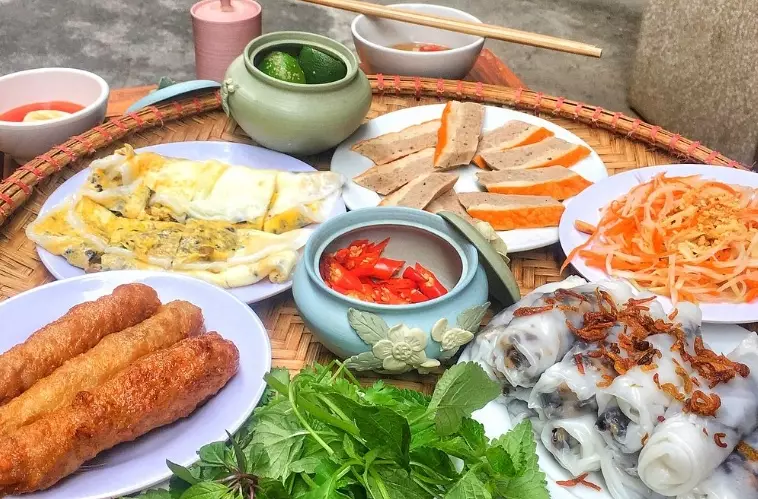
Bun Bo Hue is a personal favorite for when I want a wake-up call. It's robust, spicy from lemongrass and chili oil, and often includes pork knuckles and cubes of congealed pig's blood (sounds intense, but it's delicious and adds a unique texture). Don't knock it till you've tried it at a proper stall.
"In Vietnam, breakfast isn't a meal you eat alone. It's a shared, public experience of flavor and community."
Beyond the Bowls: The Unsung Heroes of the Morning
The noodle soups get all the glory, but the ecosystem of Vietnamese breakfast dishes is richer. Here are some gems you must seek out.
Banh Cuon: Delicate Steamed Rice Rolls
Imagine tissue-thin sheets of steamed rice batter, filled with seasoned minced pork and wood ear mushrooms, then rolled up and topped with fried shallots. That's Banh Cuon. It's served with a side of Nuoc Cham (the ubiquitous sweet-sour-salty fish sauce dip) and often a slice of Vietnamese pork loaf (Cha Lua). The texture is soft, slippery, and utterly delightful. It's a lighter option but no less flavorful.
Com Tam: Broken Rice for Breakfast
Traditionally a lunch dish, in Saigon (Ho Chi Minh City), you'll find plenty of Com Tam spots open at dawn. "Com Tam" means broken rice grains, which were once considered less desirable but are now beloved for their unique texture. A breakfast plate typically includes a grilled pork chop (Suon Nuong), a shredded pork and skin mixture (Bi), a steamed egg cake (Cha Trung), and pickled vegetables. It's a massive, protein-packed plate that defies the Western idea of a light morning meal.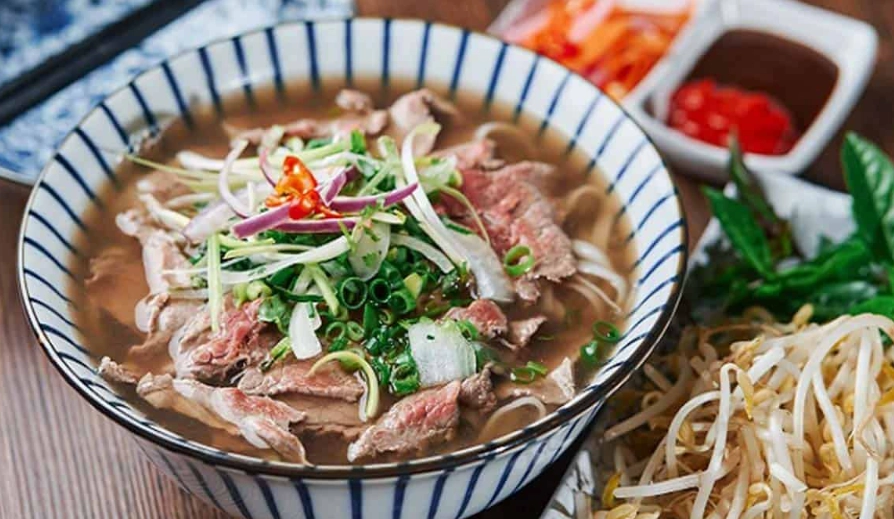
I have to be honest: the first time I saw someone eat a full Com Tam plate at 7 AM, I was stunned. It felt like lunch! But after trying it, I understood. The flavors are so bright and balanced—the sweet char on the pork, the tangy pickles, the savory egg cake—that it doesn't feel heavy. It just feels satisfying.
Sweet Treats & Drinks
Not everyone goes savory. Sweet breakfasts exist too, often as snacks or lighter options.
- Banh Bao: Steamed fluffy buns filled with savory minced pork, quail egg, and sometimes a sweet sausage. A popular grab-and-go item.
- Che: A sweet dessert soup or pudding, sometimes eaten in the morning. Variations with mung beans, black-eyed peas, or tapioca pearls in coconut milk are common.
- Xoi Ngot: Sweet sticky rice, often with coconut, mung beans, or corn, tinted vibrant colors.
And for drinks? It's all about the coffee. Ca Phe Sua Da (strong iced coffee with sweetened condensed milk) is the national caffeine IV drip. It's thick, sweet, and potent. For a more local experience, try Ca Phe Trung (egg coffee), where a creamy, frothy egg yolk and condensed milk mixture sits on top of the coffee. It's like a dessert and a coffee in one.
A Regional Breakfast Roadmap: North, Central, South
Vietnam is a long country with distinct regional personalities, and breakfast is no exception. Here’s a quick guide to what you might emphasize where.
The North (Hanoi & surrounding areas)
Flavors are more subtle, less sweet, and more focused on purity. Pho reigns supreme here in its original form. You'll also find lots of Bun Rieu and Bun Thang (a delicate chicken and egg noodle soup). Breakfasts tend to be simpler, with fewer accompanying herbs.
The Central Region (Hue, Da Nang, Hoi An)
This is the spice center and home to imperial cuisine. Bun Bo Hue is the undisputed breakfast king here—spicy, complex, and hearty. You'll also find amazing Banh Beo (tiny steamed rice cakes with toppings) and Mi Quang (turmeric noodles with shrimp, pork, and crackers). The flavors are bold and unapologetic.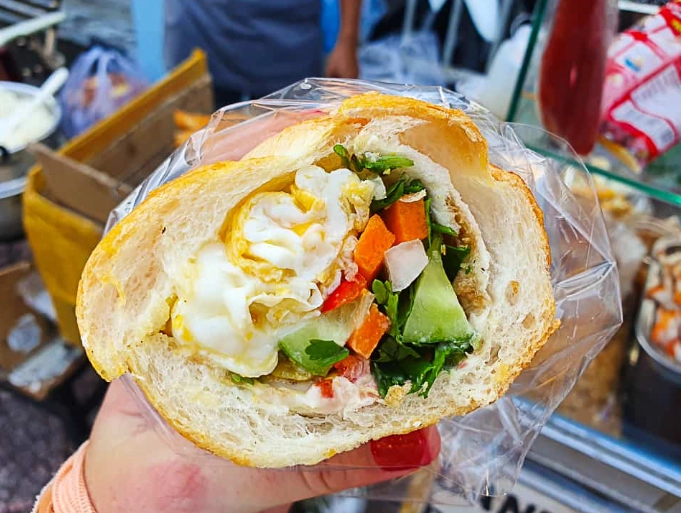
The South (Ho Chi Minh City & Mekong Delta)
Everything is bigger, sweeter, and more herb-forward. Pho here comes with a jungle of greens. Hu Tieu is a southern staple—a clear, sweet broth with chewy noodles and a mix of pork and seafood. Banh Mi culture is also at its peak. The variety is staggering, and portions are generous.
How to Actually Order & Eat Vietnamese Breakfast Like a Pro
This is where many travelers freeze up. Don't. It's simpler than it looks.
- Find a Busy Stall: The universal rule. A crowd of locals means fresh, good food and high turnover.
- Point & Smile: You don't need fluent Vietnamese. Often, you can just point at what someone else is eating or at the ingredients in the vendor's display.
- Know the Basic Words: Pho (Fuh), Banh Mi (Bang Mee), Bun (Boon), Xoi (Soy), Com (Come - means rice or meal). Adding "Ga" (Gah) means chicken, "Bo" (Baw) means beef, "Heo" or "Thit Lon" means pork.
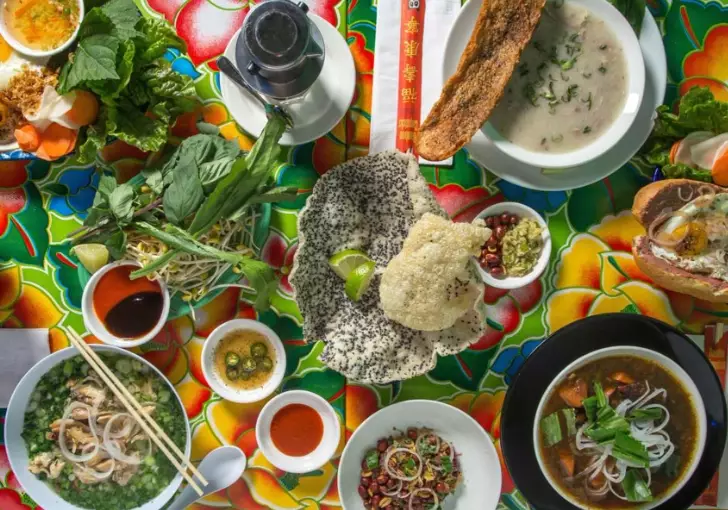
- The Herb Plate is Your Playground: Tear up the herbs (especially the basil), add bean sprouts, squeeze lime, and dab chili sauce to your taste. There's no wrong way.
- Slurp Those Noodles: It's not rude; it's expected and helps cool the noodles. Embrace the sound.
- Pay After You Eat: It's common practice. The vendor will usually remember what you ordered.
| Dish Name | Key Ingredients | Flavor Profile | Best Paired With |
|---|---|---|---|
| Pho Bo (Beef Pho) | Beef broth, rice noodles, beef slices, herbs | Savory, aromatic, clean | Fresh herbs, lime, chili, iced tea |
| Banh Mi Thit | Baguette, pâté, cold cuts, pickled veggies, herbs | Crunchy, savory, tangy, herbal | Iced coffee (Ca Phe Sua Da) |
| Xoi Ga | Sticky rice, shredded chicken, fried shallots | Hearty, savory, slightly sweet from shallots | Pickled vegetables |
| Bun Bo Hue | Spicy beef/pork broth, thick noodles, herbs | Spicy, lemony, deeply savory | Lemon, shredded cabbage, more chili |
| Banh Cuon | Steamed rice sheets, pork, mushrooms, shallots | Soft, delicate, savory, umami | Nuoc Cham dipping sauce, Cha Lua |
Frequently Asked Questions (Stuff You're Probably Wondering)
Final Thoughts: More Than Just a Meal
Exploring Vietnamese breakfast foods is a gateway to understanding the country's rhythm, its history, and its people's resourcefulness. It's humble, yet extraordinarily sophisticated in its balance of flavors and textures. It's communal, fast-paced, and deeply satisfying.
My advice? Be adventurous. Skip the hotel buffet. Wake up early, find a plastic stool on a bustling sidewalk, point at something that looks good, and just dig in. Let the sounds and smells wash over you. You might get it wrong the first time—maybe you'll add too much chili or struggle with the chopsticks. That's okay. It's all part of the story. The world of Vietnamese breakfast isn't just about filling your stomach; it's about feeding your sense of wonder. And trust me, once you've had a proper morning on the streets of Vietnam, your idea of breakfast will never be the same again.
So, what are you waiting for? Your first bowl of steaming Pho, your first crackly Banh Mi, is out there. Go find it.