Quick Navigation
- So, What Makes a Dish "Bhutani"?
- The Undisputed King: Ema Datshi
- The Supporting Cast: Other Must-Try Bhutani Dishes
- The Elephant in the Room: How Do You Handle the Heat?
- Finding Authentic Flavors: From Thimphu to Your Kitchen
- Common Questions About Bhutani Food (Answered)
- The Final Bite: Why This Cuisine Matters
Let's be honest, when you first hear "Bhutanese food," what comes to mind? For most people, it's a big blank. Maybe a vague idea of something Himalayan, maybe a bit like Tibetan or Nepali food? But if you've done a quick search, you've probably stumbled upon one name: Ema Datshi. And you're left wondering, is that the Bhutani dish? Is that all there is?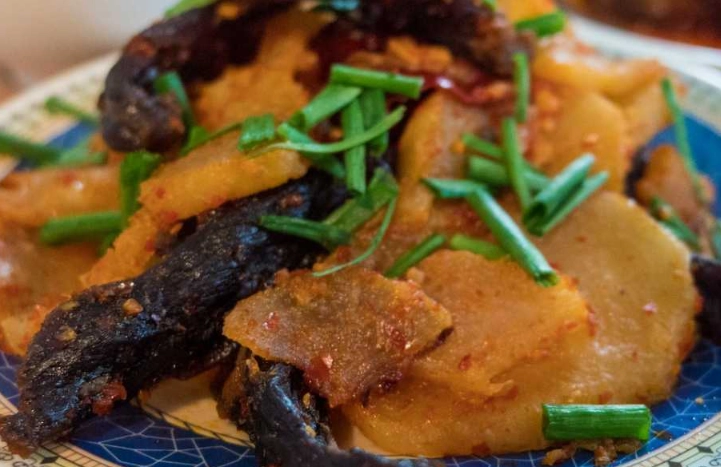
I had the same questions. A few years back, a friend returned from a trek in Bhutan raving about the food. Not the mountains, mind you, but the food. He kept saying "ema datshi" with a kind of reverent, slightly pained smile (it's spicy). It piqued my curiosity. So I dug in, tried to cook it, failed miserably the first time (more on that later), and fell down a rabbit hole of fascinating culinary culture.
This isn't just a recipe post. Think of this as your one-stop guide to understanding what a Bhutani dish truly represents. We're going beyond the single famous plate to explore the heart, soul, and fiery palate of the Land of the Thunder Dragon.
So, What Makes a Dish "Bhutani"?
You can't just throw some soy sauce on something and call it Chinese. Similarly, a genuine Bhutanese food experience is built on a few foundational pillars. It's these elements that give the cuisine its unique fingerprint.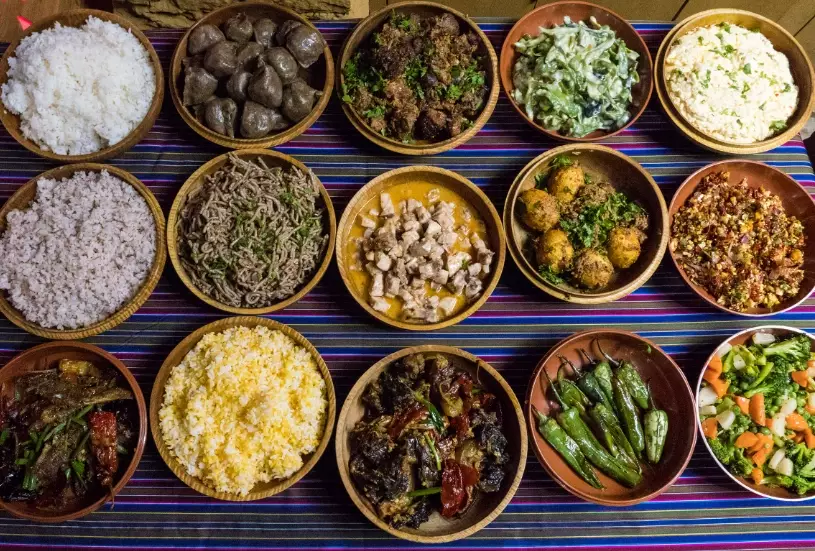
First, and I cannot stress this enough, chilies are not just a seasoning; they are the vegetable. This is the single biggest mind-shift. In Bhutan, chilies ("ema") are the main ingredient in many dishes, not a background heat. The Bhutan Ministry of Tourism's cultural overview even notes the integral role of chili in daily life. The most common variety is the green, finger-length chili, which packs a serious punch.
Second, there's Datshi. This is the creamy, salty, tangy counterpoint to the fire. Datshi is a local cow or yak milk cheese. It's softer and more crumbly than paneer, with a funkier taste. It doesn't melt into strings; it softens into a glorious, creamy sauce that coats the chilies. No datshi, no authentic Bhutani dish.
Third, there's rice. Red rice, to be specific. Grown in the Paro valley, this rice is nutty, slightly chewy, and has a reddish hue. It's the perfect, mild sponge for all those rich, spicy sauces. A meal is almost always rice with one or more shared curries.
Finally, there's simplicity. Bhutanese home cooking isn't about 20 spices. It's about a few, high-quality, local ingredients cooked in a straightforward way. The flavor comes from the ingredients themselves, not from elaborate techniques.
The Undisputed King: Ema Datshi
Let's get to the main event. If you try only one Bhutani dish, this is it. Calling it "chili cheese curry" does it a disservice, but that's essentially what it is.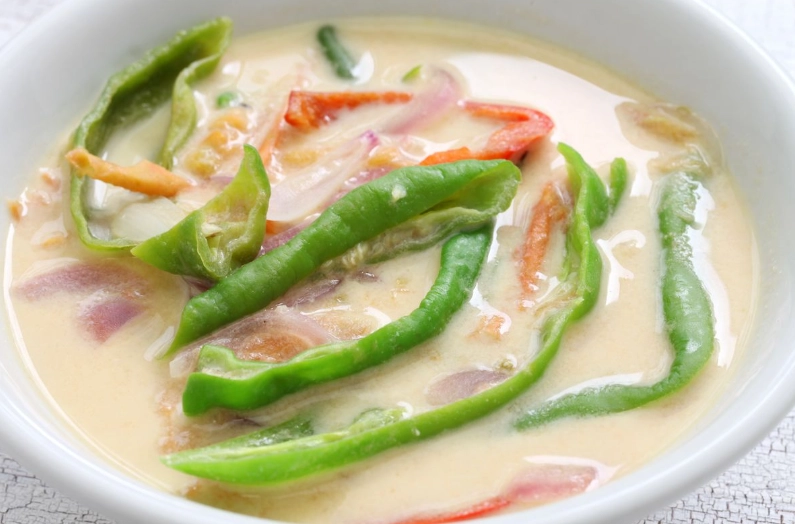
Deconstructing the National Dish
Ema = Chili. Datshi = Cheese. It's a literal name. The dish is a simmering pot of whole green chilies (sometimes sliced) in a sauce made from melted datshi cheese, tomatoes, onion, garlic, and maybe a touch of oil. That's it. The magic is in the balance.
The heat level can vary wildly. In restaurants for tourists, it might be toned down. In a local home, it can be face-melting. The creaminess of the datshi tames the fire just enough to keep it enjoyable, creating this addictive push-and-pull between pain and pleasure. It's the ultimate comfort food in a cold mountain climate.
But here's a personal opinion: Ema Datshi alone doesn't show the full range of Bhutanese food. It's the poster child, but the family has other interesting members.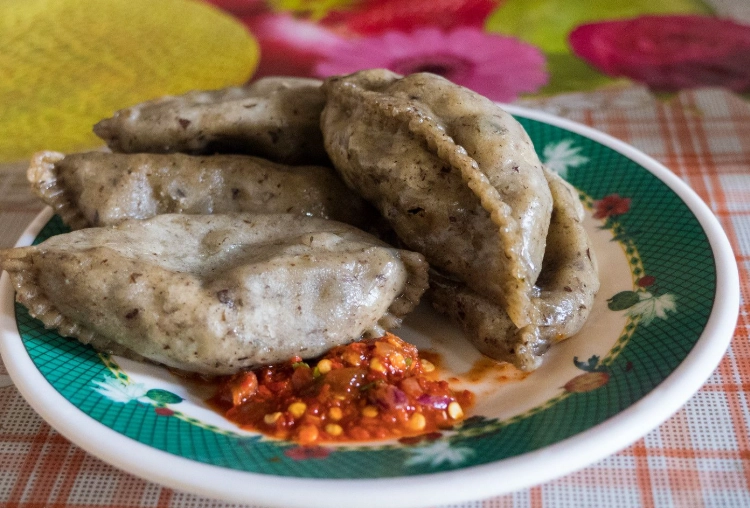
The Supporting Cast: Other Must-Try Bhutani Dishes
A cuisine isn't one note. While Ema Datshi is the star, a traditional meal will have a few other dishes on the table. Here’s a quick rundown of what else you might encounter.
| Dish Name | Key Ingredients | What It Is | Heat Level |
|---|---|---|---|
| Kewa Datshi | Potatoes, Datshi Cheese, Chili | A potato and cheese curry. Think scalloped potatoes, but spicy and Bhutanese. | Medium |
| Shamu Datshi | Mushrooms, Datshi Cheese, Chili | Mushroom cheese curry. Earthy mushrooms soaked in creamy, spicy sauce. | Medium |
| Phaksha Paa | Pork, Radish, Dried Chili | Stir-fried pork with radish. Often uses dried red chilies and cured pork for deep flavor. | High |
| Jasha Maroo | Chicken, Tomato, Ginger, Chili | Spicy minced chicken stew. Less creamy, more brothy, packed with fresh herbs and heat. | Medium-High |
| Hoentay | Buckwheat Dough, Turnip Greens, Cheese | Bhutanese dumplings, a specialty of the Haa Valley. Often steamed or fried. | Low |
See the pattern? Datshi shows up everywhere. Kewa Datshi is actually a fantastic gateway Bhutani dish—it's less intimidating than a bowl of straight chilies but gives you the same creamy, cheesy, spicy experience. I prefer it sometimes because you get more varied textures.
Phaksha Paa is a personal favorite for meat lovers.
The use of dried pork and radish gives it a savory depth that's different from the fresh chili and dairy dishes. It shows how the cuisine handles meat—often cured or dried for preservation, which adds another layer of flavor.
The Elephant in the Room: How Do You Handle the Heat?
This is the number one worry for people curious about Bhutanese food. "Will it be too spicy for me?" The answer is: probably, but that's okay.
But here's the thing—it's a different kind of spice. It's not the complex, lingering heat of a Szechuan peppercorn or a habanero. It's a sharp, upfront, clean fire from the green chili. And the datshi and rice are your built-in fire extinguishers.
- Ask for "mild." In tourist restaurants, they can and will adjust. It might not be "authentic," but it lets you taste the flavors.
- Eat with plenty of red rice. Rice is your best friend. Take a small bite of the curry with a large mouthful of rice.
- Start with Kewa Datshi. The potatoes dilute the heat more than a plate of pure chilies.
- Have a dairy drink. A glass of milk or a lassi (if available) works better than water to cool the burn.
Can you enjoy a Bhutani dish if you don't like spice? You can appreciate it. But to truly experience it, you have to embrace at least a moderate level of heat. It's part of the cultural package.
Finding Authentic Flavors: From Thimphu to Your Kitchen
You're not likely to find a Bhutanese restaurant on every corner. So how do you experience this food?
If You Travel to Bhutan
You'll eat like a king. Homestays are the best way. The family will cook what they eat. In local restaurants in Thimphu or Paro, look for places crowded with Bhutanese people, not tourists. The menu will be simple, the portions huge, and the flavors real.
Don't just order Ema Datshi. Get a thali or a set meal. This usually includes a bowl of red rice, a serving of Ema Datshi, a second curry (like Kewa Datshi or Phaksha Paa), and maybe some simple greens. This is the real deal.
If You're Cooking at Home (The Real Challenge)
This is where it gets tricky. The authentic taste hinges on two ingredients that are hard to find outside Bhutan: Bhutanese green chilies and authentic Datshi cheese.
What can you use as a substitute?
For chilies, long green chilies like serrano or finger chilies are your best bet. Jalapeños can work in a pinch but are milder and have a different flavor. For the cheese, this is the big hurdle. Datshi has a unique texture and tang.
The closest substitute is a mix of farmer's cheese or queso fresco (for the crumbly texture) and a bit of feta or mild blue cheese (for the tangy saltiness). Don't use mozzarella (too stringy) or cheddar (too oily and sharp). I've found a 70% farmer's cheese to 30% feta blend, mashed together, gets you in the ballpark. It's not perfect, but it works.
Here's a bare-bones, adapted home recipe for Ema Datshi, knowing we're making compromises:
- Prep: Wash 15-20 green serrano chilies. Slice them lengthwise (leave seeds for heat, remove for mild). Chop 1 large tomato and 1 onion.
- Cook the Base: In a pot, sauté the onion in a little oil until soft. Add 3-4 minced garlic cloves and cook for a minute. Add the tomatoes and cook until mushy.
- Add the Star: Toss in the sliced chilies. Add about 1 cup of water. Bring to a simmer and cook until the chilies are tender (10-15 mins).
- Cheese Time: Crumble in about 200g of your cheese substitute (farmer's cheese/feta mix). Stir gently on low heat until the cheese melts into a creamy sauce. Don't boil hard or the cheese can separate. Season with salt (go easy, the cheese is salty).
- Serve: Immediately over steamed rice. Be brave.
Common Questions About Bhutani Food (Answered)
Let's tackle some of the specific things people search for when they're curious about this cuisine.
Is Bhutanese food healthy?
It's a mixed bag. On one hand, it's based on fresh vegetables (chilies count!), local cheese, and lean meats. There's often very little oil used in cooking compared to other South Asian cuisines. On the other hand, the heavy reliance on dairy (datshi) and rice means it can be high in carbohydrates and saturated fat. Portion control and balance are key, as with any cuisine.
Is it vegetarian-friendly?
Surprisingly, yes! Many of the core Bhutani dish offerings are vegetarian by default—Ema Datshi, Kewa Datshi, Shamu Datshi. The creamy element comes from cheese, not meat stock. However, be aware that the cheese is an animal product, and some traditional preparations might use beef or yak broth as a base (though this is less common in the vegetable-and-cheese curries). Always ask if you're strict.
What about beverages with the food?
Butter tea (Suja) is the iconic drink—tea churned with salt and yak butter. It's an acquired taste (I found it savory and strange, not unpleasant, but I couldn't drink a whole cup). For alcohol, Ara is a traditional homemade spirit, often made from rice, wheat, or maize. It's potent. Locals also drink beer and Indian-style tea with milk and sugar.
How does it compare to Indian or Tibetan food?
This is crucial. It's distinct. While it shares some ingredients with parts of India (like Sikkim) and Tibet, the philosophy is different. Indian food uses a vast array of ground spices (turmeric, cumin, coriander) to build layers of flavor. Tibetan food features more noodles, dumplings (momos), and heartier stews often based on meat and barley.
Bhutanese food is simpler and more focused. The flavor pillars are the fresh chili, the funky cheese, and the purity of a few other ingredients. It's less about spice blends and more about the quality of a few key components. As noted in resources like the UNESCO intangible cultural heritage listings related to Bhutan, food is deeply tied to community and environment, which shapes its unique character.
The Final Bite: Why This Cuisine Matters
Exploring a Bhutani dish is more than a culinary adventure. It's a window into a culture that prioritizes Gross National Happiness over Gross Domestic Product, that lives in harmony with stunning, rugged nature. The food reflects that—it's hearty, honest, and built from what the land provides.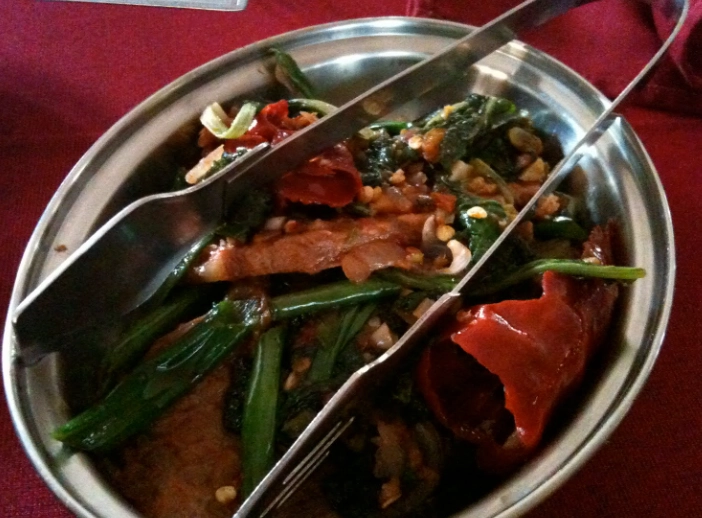
It's not a fussy, chef-driven cuisine. It's peasant food that became a national treasure. There's a beauty in that simplicity. The next time you think of Himalayan food, I hope you think beyond momos. You'll think of a steaming bowl of chilies in creamy cheese sauce, a pile of red rice, and the simple, bold statement it makes.
Maybe you'll be inspired to seek out a Bhutanese restaurant if you're lucky enough to live near one. Or maybe you'll take a stab at a modified Kewa Datshi in your own kitchen. Just remember: commit to the chili, find the best cheese substitute you can, and don't be afraid of a little fire.
That's the spirit of a true Bhutani dish.