Let's be honest. You've probably seen the pictures. The golden temples at sunrise, the line of monks on alms, the perfect confluence of rivers. Luang Prabang looks like a dream, and in many ways, it is. But when you actually get there, you realize the photos only tell half the story. The other half is the smell of sticky rice steaming in the morning, the feel of cool temple stone under your feet, and the strange, wonderful quiet that settles over the town in the afternoon heat.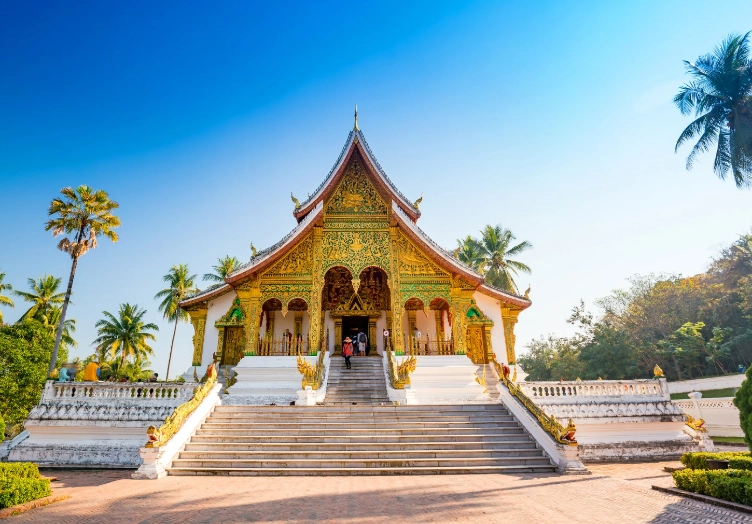
I almost skipped it. I thought it might be too touristy, just a checklist stop. I was wrong.
Luang Prabang isn't just a place you visit; it's a pace of life you slip into. This guide isn't about ticking boxes. It's about how to actually experience the place—the good, the challenging, and the utterly unforgettable. We'll talk temples, sure, but also where to find the best *khao soi* that isn't on any map, how to navigate the famous night market without losing your mind, and why sometimes the best thing to do is absolutely nothing at all.
Quick Fact: Luang Prabang served as the royal capital of the Kingdom of Laos until 1975. Its unique blend of traditional Lao architecture and European colonial buildings from the 19th and 20th centuries earned it the UNESCO World Heritage designation in 1995. You can feel that history in the layers of the town. (Source: UNESCO World Heritage Centre)
Getting There and Getting Around (The Nitty-Gritty)
First things first. How do you even get to Luang Prabang? Most people fly into the small but surprisingly efficient Luang Prabang International Airport (LPQ). Flights connect from Bangkok, Chiang Mai, Hanoi, and Siem Reap. The airport is only about 4km from the center, so a tuk-tuk ride into town is quick and shouldn't cost more than 50,000 LAK (about $2.50 USD) if you bargain a little.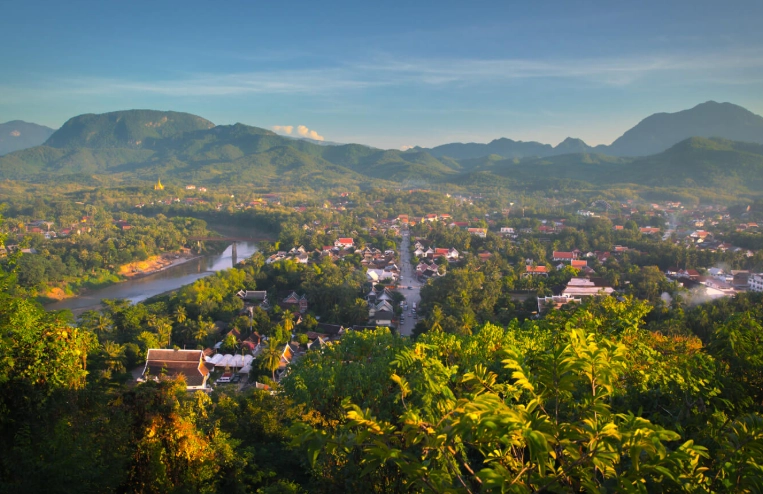
You can also arrive by the slow boat from Thailand. It's a two-day journey from Huay Xai on the Thai border, stopping overnight in Pakbeng. It's a legendary route for backpackers, offering stunning river views and a real sense of arrival. Just be prepared for basic seating and pack your patience (and snacks). The fast boat is an option too, but it's loud, cramped, and has a questionable safety record—I'd skip it.
A Word on Visas: Most travelers need a visa for Laos. You can get a visa on arrival at the airport or land borders. Have $40 USD in crisp bills (they sometimes reject old or marked ones), two passport photos, and the form ready. It's usually straightforward, but the lines can be slow.
Once you're in Luang Prabang, you can walk almost everywhere in the historic peninsula. It's compact. For trips further afield—like to the Kuang Si Falls—you'll need wheels. Renting a bicycle is a fantastic way to explore at your own pace. They're cheap, around 20,000-30,000 LAK per day. Just be careful, as helmets are rare and traffic, while not crazy, can be unpredictable.
Motorbikes are also available for rent if you're confident. For everything else, there's the tuk-tuk. Always, always agree on a price before you get in. A short trip on the peninsula should be 10,000-15,000 LAK per person. Going to the airport or the falls will be more, and they'll often try to fill the vehicle with other passengers to make it worth their while.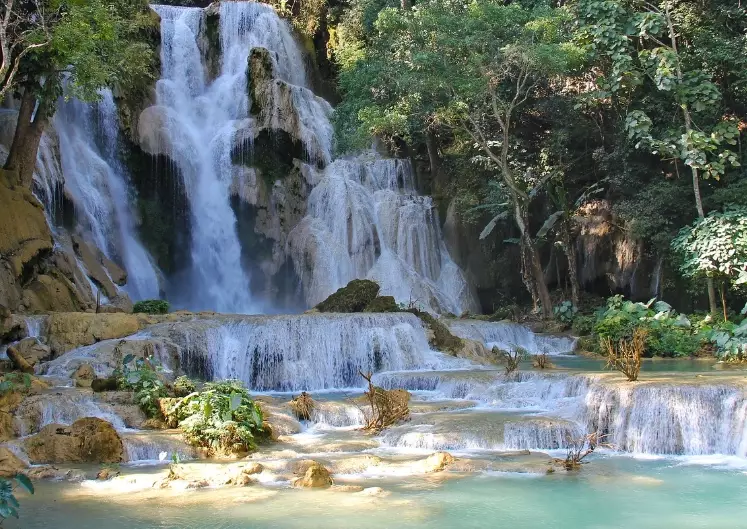
Where to Stay: Finding Your Vibe
Accommodation in Luang Prabang ranges from $5 dorm beds to $500-a-night luxury resorts. The sweet spot, in my opinion, is in the charming, family-run guesthouses.
If you want to be in the heart of the action, look for a place on or near Sisavangvong Road or the streets just off it. You'll be steps from the night market, the main temples, and dozens of cafes. The downside? It can be a bit noisy in the evenings.
For something quieter, look across the Nam Khan River. Areas like Ban Aphay feel a world away, with lovely views back to the peninsula. You'll need to cross the bamboo bridge (seasonal) or take a slightly longer walk, but the peace is worth it.
I stayed in a simple guesthouse on a quiet lane behind Wat Sensoukharam. The room was basic—fan, cold water—but the balcony overlooked a garden, and the family made incredible coffee every morning. It cost me $12 a night. That's the real magic of Luang Prabang; you don't need to spend a fortune to have an authentic experience.
The Heart of Luang Prabang: Temples and Spirituality
You can't talk about Luang Prabang without talking about its wats (temples). There are over thirty within the town. You don't need to see them all. In fact, trying to will lead to serious "temple fatigue." Here are the ones that truly stand out.
Wat Xieng Thong: The Crown Jewel
This is the big one. Located at the tip of the peninsula where the Mekong and Nam Khan rivers meet, Wat Xieng Thong is the most important monastery in Luang Prabang. Its sweeping, low-roofed architecture is classic Luang Prabang style. Don't just look at the main sim (ordination hall). The mosaics on the rear wall, telling the story of the Ramayana, are breathtaking. The Tree of Life mosaic is particularly famous. Go early in the morning to have it mostly to yourself before the tour groups arrive.
Wat Mai Suwannaphumaham
Right on the main street, Wat Mai is impossible to miss with its gorgeous five-tiered roof and intricate gold reliefs on the front facade. It's historically significant as the former residence of the head of Lao Buddhism. Inside, the pillars are decorated with stunning gold stencil patterns. It's a busy temple, often full of both worshippers and visitors, but it has a vibrant, living energy.
Mount Phousi: For the View
Okay, it's not a temple complex, but the golden stupa, Wat Chom Si, sits on top. The climb is 328 steps (yes, I counted, and I felt every one in the humidity). It's steep. But the 360-degree view of Luang Prabang and the surrounding mountains at sunset is iconic. Is it crowded? Absolutely. Is it worth it? Honestly, yes—once. Go about an hour before sunset to secure a spot on the rocks. The descent in the dark can be tricky, so bring a small flashlight or use your phone light.
The Alms Giving Ceremony (Tak Bat)
This is a profound and sacred daily ritual where hundreds of monks walk silently through the streets at dawn to collect food offerings from the faithful. It has, unfortunately, become a major tourist attraction, and that's created problems.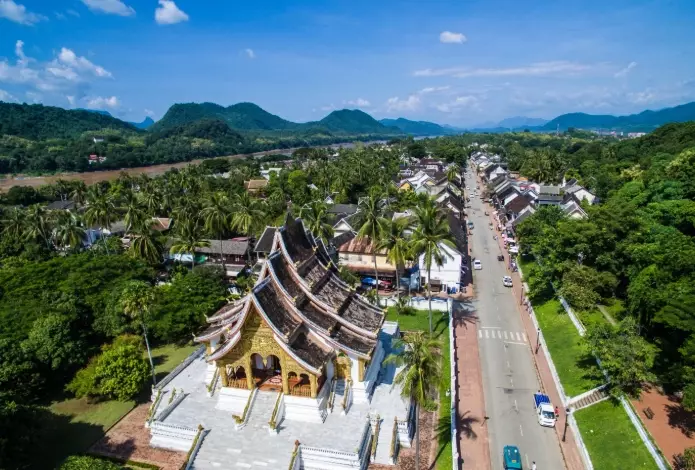
If you choose to observe, you must do so respectfully. This means:
- Keep a significant distance. Use a zoom lens if you must take photos.
- Be silent.
- Dress conservatively (shoulders and knees covered).
- Do NOT use a flash.
- Do NOT touch the monks or their bowls.
- Do NOT stand directly in their path.
Better yet, consider observing from the far side of the street or from a discreet balcony. The worst thing I saw was a tourist pushing a camera inches from a monk's face. Don't be that person. The Lao National Tourism Administration has guidelines for this. The ceremony's integrity depends on visitor respect.
Beyond the Temples: What to Actually Do
After you've seen a few temples, what's next? Plenty.
Chase Waterfalls: Kuang Si & Tad Sae
Kuang Si Falls is on every list for a reason. The multi-tiered turquoise pools are stunningly beautiful, like something from a fantasy novel. You can swim in the lower pools (the big one at the very top is off-limits for safety and respect). Go as early as possible. By 11 am, the main pool can feel like a public swimming pool. The walk up through the forest is lovely, and there's a bear rescue center near the entrance run by Free the Bears, which is worth supporting.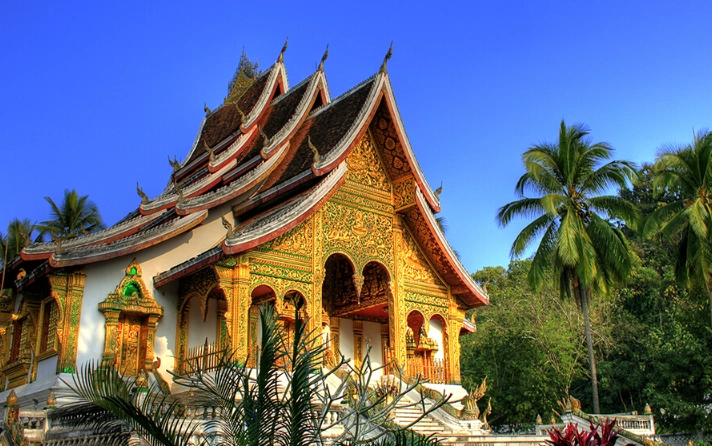
Tad Sae is different. It's a series of cascading falls and pools that are often less crowded than Kuang Si. Access is by a short boat ride, which adds to the adventure. The water flow is seasonal—it's most impressive during and just after the rainy season (July-October).
The Night Market: A Shopper's Paradise (or Nightmare)
Every evening, Sisavangvong Road transforms into a long, glittering corridor of stalls. You'll find textiles, lanterns, paper, silverware, and countless "Same Same But Different" t-shirts. The quality varies wildly.
My advice? Walk the entire length once without buying anything. Then, on your second pass, look more carefully. Feel the fabrics. Real hand-woven silk or cotton has imperfections and a certain weight. The mass-produced stuff feels thin and slick. Haggling is expected, but be polite. A 20-30% reduction from the first price is reasonable. Remember, a few dollars means more to them than it does to you.
The food alley that runs parallel is a must for dinner. Grab a plate, point at what looks good, and find a spot at the communal benches.
Get on the River
Seeing Luang Prabang from the Mekong is essential. You can take a sunset cruise on a longboat for a couple of hours. It's incredibly peaceful. Most guesthouses can book one, or you can head down to the docks near the post office and negotiate directly with a boatman. Prices are pretty standardized.
For a more active experience, kayaking on the Nam Khan River is fantastic. You'll paddle past local villages, water buffalo, and lush jungle. Tours usually include a stop at a local village and maybe a small waterfall.
The Food: Lao Cuisine Beyond Sticky Rice
Lao food is incredible, and Luang Prabang has some unique dishes. Forget fancy restaurants for your first few meals. Start with the basics.
Khao Soi (Lao Style): Not to be confused with the Thai curry noodle soup. Lao *khao soi* is a broth-based soup with minced pork, tomatoes, and fermented soybeans, served over thin rice noodles. It's a breakfast staple. Try it at any local shop with a big pot out front.
Luang Prabang Sausage (Sai Oua): These are herby, lemongrass-infused pork sausages. You'll see them grilling everywhere. Grab one as a snack.
Or Lam: A hearty, stew-like dish from Luang Prabang. It's a thick broth with buffalo skin, eggplant, mushrooms, and a unique local wood vine called *sakhan* that gives it a peppery, slightly numbing taste. It's an acquired taste but a true local specialty.
Sticky Rice (Khao Niao): This is the staple. It comes in a small basket. Tear off a small chunk, roll it into a ball with your fingers, and use it to scoop up other food. It's an integral part of the experience.
Budget Breakdown for Luang Prabang (Per Day)
| Category | Budget Traveler | Mid-Range Traveler | My Average Spend |
|---|---|---|---|
| Accommodation | $5 - $15 (Dorm/Guesthouse) | $25 - $60 (Private Room) | $12 |
| Food & Drink | $5 - $10 (Street Food/Markets) | $15 - $30 (Mix of Street & Cafe) | $18 |
| Activities/Tours | $5 - $15 (Temples/Bike Rental) | $20 - $50 (Boat Trips, Entry Fees) | $25 (for a waterfall tour day) |
| Transport (Local) | $2 - $5 (Walking/Bike) | $5 - $15 (Tuk-tuks) | $4 |
| Daily Total | $17 - $45 | $65 - $155 | ~$59 |
Note: This excludes flights/visas. Beerlao is cheap, but cocktails in tourist bars can be surprisingly pricey!
Common Questions I Had (And You Probably Do Too)
Q: Is Luang Prabang safe?
A: Extremely. Violent crime is very rare. Petty theft can happen (don't leave your phone on a cafe table), but the biggest dangers are traffic accidents and food hygiene. Use common sense.
Q: How many days do I need?
A: A bare minimum is two full days. Three to four days is ideal to see the main sights at a relaxed pace and maybe take a day trip. I stayed five and didn't get bored.
Q: What's the best time of year to visit?
A: The cool, dry season (November to February) is peak season for a reason. The weather is perfect. It's also the busiest. The hot season (March to May) is scorching. The rainy season (June to October) sees daily downpours, but everything is lush, green, and there are fewer tourists. I went in September and loved it—the rain usually came in a heavy burst for an hour in the afternoon, then cleared.
Q: Is it very touristy?
A: The historic peninsula can feel touristy, especially on the main street and at the major sights. But walk two blocks in any direction, cross a river, or wake up early, and you'll find the tranquil, authentic Luang Prabang. It's a balance.
Q: What should I pack?
A> Light, breathable clothing that covers shoulders and knees for temple visits. A good pair of walking shoes (you'll be on your feet a lot). A reusable water bottle (many guesthouses have filtered water). A sarong (useful as a cover-up, towel, or picnic blanket). Mosquito repellent. A small flashlight.
The Luang Prabang I Wish More People Saw
Everyone sees the sunset from Phousi. Not everyone wakes up at 5:30 am to walk the empty, misty streets before the day begins. The light is soft, the air is cool, and the town belongs to the locals sweeping their stoops and setting up their stalls.
Everyone goes to the big waterfalls. Fewer people take a cooking class in a local home, learning to pound the herbs for *jaew bong* (a delicious chili paste) from scratch.
You'll see French colonial buildings. But have a coffee in one and learn about the complex history of Laos—the royal era, the colonial period, the secret war. The Traditional Arts and Ethnology Centre (TAEC) is a small museum that does a brilliant job of explaining the diverse ethnic cultures of Laos. It's a quiet, air-conditioned refuge of knowledge.
That's the secret to Luang Prabang. It rewards slowing down. It rewards curiosity that goes deeper than the Instagram spot.
So yes, see the temples. See the falls. But also, sit by the river with a Beerlao as the sun goes down. Get lost in a side alley. Smile at the monks (from a respectful distance). Let the rhythm of the place sink into you. That's when you'll understand why this small town on a peninsula in northern Laos has captivated travelers for decades. It's not just a destination; it's a feeling. And it's waiting for you.