Your Florida Travel Blueprint
- First Things First: When Should You Actually Go?
- Crafting Your Florida Travel Itinerary: Beyond the Obvious
- Let's Talk Money: A Realistic Florida Travel Budget
- Getting Around: You Probably Need a Car
- Packing for Florida: It's Not Just Swimsuits
- Answering Your Florida Travel Questions (The Stuff You Actually Google)
- Final Thoughts: Making It Your Own
Let's be honest. When you think about Florida travel, your mind probably jumps straight to a few postcard images. Mickey Mouse ears. Crowded beaches. Retirees playing golf. Maybe a rocket launch if you're a space geek. I get it. I thought the same thing before I spent a good chunk of time exploring the state, getting lost on backroads, and talking to locals who've seen it all.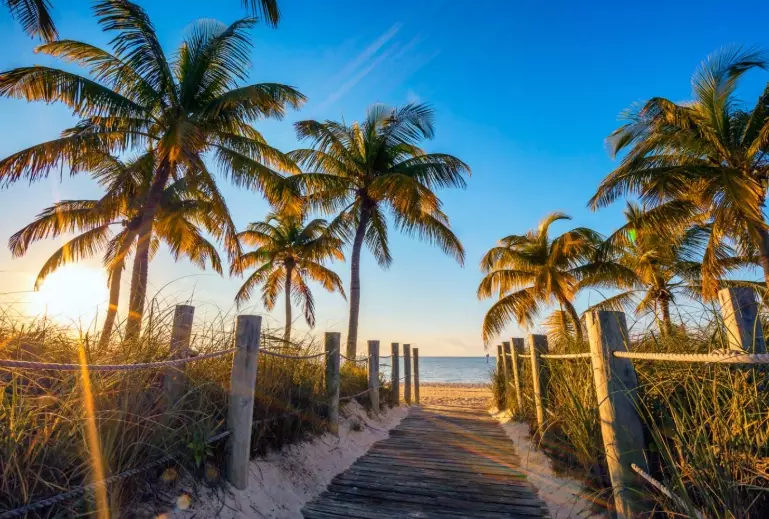
What I found was a place that's way more layered and, frankly, more interesting than the brochures let on. Sure, the mega-theme parks are there and they're a blast if that's your thing. But there's also a wild, quirky, and stunningly beautiful side to Florida that often gets overlooked in the rush to book the big-ticket attractions.
This guide isn't about selling you a package tour. It's about giving you the straight talk you need to plan a Florida trip that actually matches what you're looking for—whether that's total family fun, a romantic escape, a solo adventure, or just some peace on a perfect beach.
First Things First: When Should You Actually Go?
Timing is everything in Florida. Get it wrong, and you could be dealing with biblical rain, soul-crushing humidity, or prices that make your wallet cry. Get it right, and you've hit the jackpot.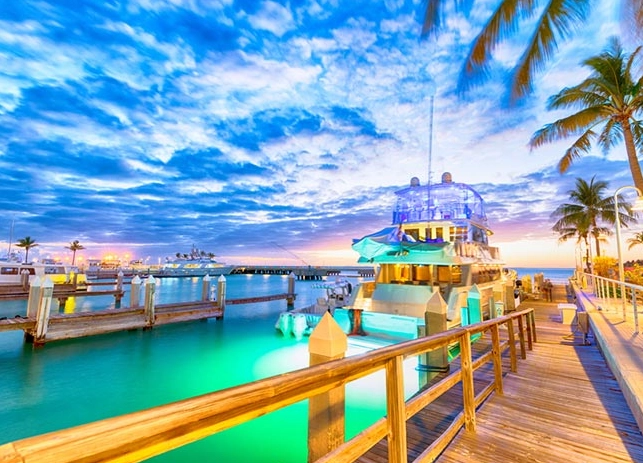
The classic "best time" is between late fall and early spring. Think November through April. The weather is generally glorious—warm, sunny, with lower humidity. It's also peak tourist season for a reason. Everyone wants a piece of that perfect weather.
That means crowds. And I mean crowds. Lines for everything, booked-up restaurants, and hotel rates at their annual peak. If your dream Florida travel involves shoulder-to-shoulder humanity, this is your window.
Personally? I'm a fan of the shoulder seasons. Late April/May and October. You're playing a bit of weather roulette—you might catch the tail end of the dry season or the beginning of the wet one—but the crowds thin out, prices drop, and the water is still plenty warm for swimming. I visited Clearwater in mid-October once and had stretches of beach almost to myself. It was magic.
A serious note on hurricane season: It officially runs June 1 to November 30. The peak is August through October. This isn't something to panic about, but you must respect it. Always, always get travel insurance that covers hurricane-related cancellations if you're visiting during this window. Watch the forecasts from the National Hurricane Center. A storm can disrupt plans hundreds of miles from where it makes landfall.
The Summer Reality Check
Summer (June-August) is the value season for a reason. It's hot. It's humid. Afternoon thunderstorms are a daily, clockwork event. They usually roll in around 3 PM, dump a ton of rain for an hour, and clear out. You just plan around them. The upside? Theme parks and hotels have deals. The water is bathwater-warm. And if you don't mind the heat (or plan to be in the water or AC most of the time), you can have an amazing, more affordable trip.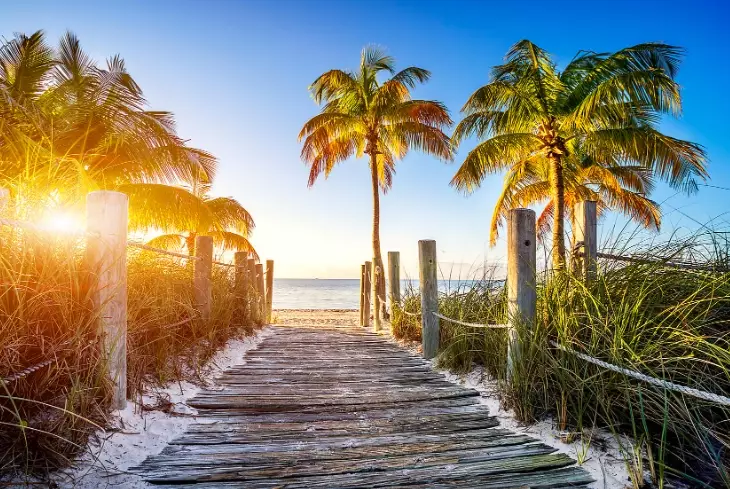
So, what's the best time to visit Florida for you? If perfect weather is non-negotiable and budget is secondary, shoot for winter. If you're budget-conscious and can handle some heat and rain, summer or shoulder seasons are your friend.
Crafting Your Florida Travel Itinerary: Beyond the Obvious
This is where most guides just list Orlando and Miami. Let's dig deeper. Florida is huge and diverse. Trying to "do it all" in one trip is a recipe for exhaustion. It's better to pick a region or a theme.
The Classic Family Circuit
If you've got kids and this is the big once-in-a-decade family vacation, you're likely looking at Orlando's theme parks and maybe a beach chaser. This is a solid plan. My advice? Don't try to park-hop every single day. It's a marathon, not a sprint. Schedule down days by the pool. Consider staying at a vacation rental with a kitchen to save on meals. And for the love of all that is holy, book your park tickets and key dining reservations well in advance. The official Visit Orlando site is a practical starting point for logistics.
The Coastal Road Trip Vibe
Prefer a more relaxed pace? Pick a coast. The Gulf Coast (from the Panhandle down to Naples) is known for its sugar-white sand and calmer, warmer waters. Destin, Sarasota's Siesta Key (voted best beach in the US multiple times), and Sanibel Island for shelling are all iconic. The Atlantic Coast has bigger waves, a more energetic vibe in places like Miami Beach and Daytona, and historic gems like St. Augustine.
My personal favorite? The Florida Keys.
Driving the Overseas Highway is a unique Florida travel experience. It's a 113-mile string of islands connected by bridges. Key Largo is for diving (the John Pennekamp Coral Reef State Park is incredible). Islamorada is the sportfishing capital. Marathon is family-friendly. Key West is...Key West. It's quirky, historic, and beautiful at sunset. It feels a world away from mainland Florida.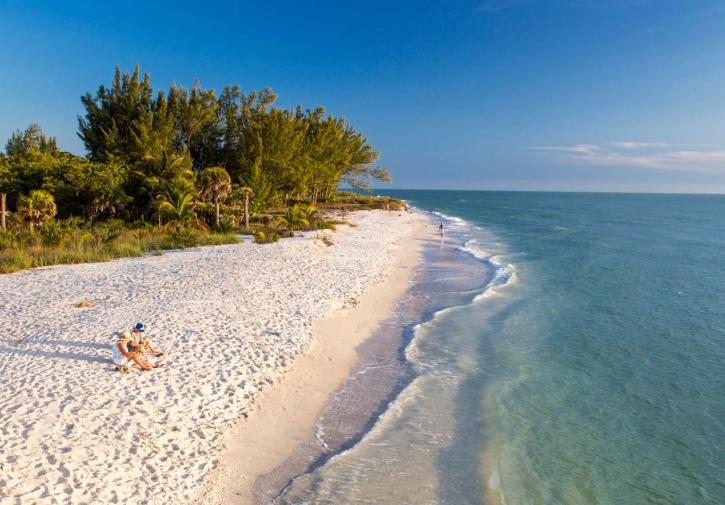
For the Nature Lovers & Adventurers
If your ideal vacation involves more hiking boots than flip-flops, Florida will surprise you. The state parks and national parks are phenomenal.
- Everglades National Park: This is not just a swamp. It's a vast, slow-moving river of grass, a UNESCO World Heritage Site. Airboat tours are the classic (if noisy) way to see it, but for a more serene experience, try a kayak trail or the Shark Valley tram tour. You will see alligators. Lots of them. Check the National Park Service site for trail conditions and ranger programs.
- Dry Tortugas National Park: This is the crown jewel for the committed. It's 70 miles west of Key West, accessible only by ferry or seaplane. It's mostly open water, with the massive, 19th-century Fort Jefferson on Garden Key. The snorkeling is some of the best in the country. It's a splurge and a long day, but utterly unforgettable.
- Springs of Central/North Florida: Places like Ichetucknee Springs, Weeki Wachee, and Rainbow Springs are where crystal-clear, 72-degree water bubbles up from the aquifer. You can tube down rivers, snorkel with fish, and see manatees in the winter months. It's a completely different, freshwater side of Florida travel.
Let's Talk Money: A Realistic Florida Travel Budget
Florida can be as cheap or as expensive as you make it. To avoid sticker shock, let's break down some typical costs. Remember, these are averages and can swing wildly based on season and location.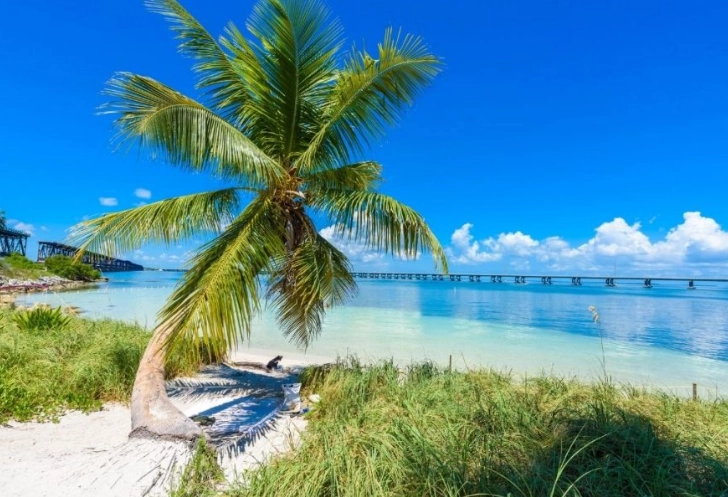
| Expense Category | Budget-Friendly | Moderate | Luxury/Splurge |
|---|---|---|---|
| Accommodation (per night) | $80 - $150 (Motel, budget hotel, camping) | $150 - $300 (Resort fee hotel, nice vacation rental) | $300+ (Beachfront resort, luxury hotel) |
| Food (per person, per day) | $30 - $50 (Grocery, food trucks, casual eats) | $50 - $100 (Sit-down meals, some drinks) | $100+ (Fine dining, top restaurants) |
| Theme Park 1-Day Ticket | ~$110 - $140 (One park) | ~$170 - $220 (Park Hopper) | ~$220+ (VIP experiences) |
| Car Rental (per week) | $250 - $400 (Economy) | $400 - $600 (Midsize SUV) | $600+ (Premium) |
| Activity/Tour (per person) | $20 - $50 (State park entry, museum) | $50 - $150 (Boat tour, snorkeling trip) | $150+ (Private charter, helicopter tour) |
See what I mean? A family of four doing a week in Orlando with park tickets can easily cross the $5,000 mark without trying too hard. A couple on a road trip staying in motels and cooking some meals could do a fantastic week for under $2,000.
Biggest budget killers? Last-minute everything (flights, hotels, rental cars), dining in theme parks for every meal, and forgetting about resort fees and parking charges (which can add $30-$50 a night to your hotel bill in cities).
Getting Around: You Probably Need a Car
Florida is spread out. Public transportation exists in major cities, but it's not great for connecting different destinations. For any Florida travel plan that involves more than one location, renting a car is almost mandatory. The interstates (I-95 on the east, I-75 on the west) are efficient but boring. The real charm is on the scenic byways like A1A, which hugs the coast.
Pro tip: If you're flying into a major hub like Miami (MIA) or Orlando (MCO), compare rental car prices at the airport versus off-site locations. Sometimes the savings are significant, even with an Uber ride to get there.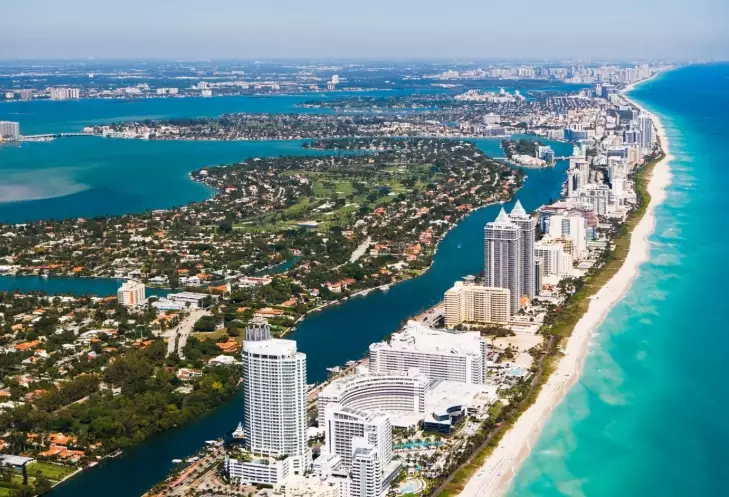
Packing for Florida: It's Not Just Swimsuits
People get this wrong all the time. Here’s my tried-and-true packing list core:
- Sun Defense Arsenal: High-SPF sunscreen (reef-safe is a great choice), a wide-brimmed hat, polarized sunglasses, and a light long-sleeve shirt for boating or hiking.
- Footwear: Flip-flops are a given. But also pack comfortable walking shoes (you'll walk miles in theme parks), and water shoes if you're hitting rocky beaches or springs.
- The Rain Game: A compact, packable rain jacket or poncho. That afternoon thunderstorm is no joke. An umbrella is okay for cities, but useless in a windy storm or a crowded park.
- Bug Protection: Mosquitoes can be ferocious, especially at dawn/dusk and in swampy areas. Pack repellent with DEET or picaridin.
- Layers: Even in summer, air conditioning indoors can be frigid. A light sweater or hoodie is essential for restaurants, movie theaters, and hotel rooms.
Answering Your Florida Travel Questions (The Stuff You Actually Google)
Let's tackle some of those specific, nagging questions that pop up when you're planning.
Is it safe to swim in the ocean?
Generally, yes. Always swim at lifeguarded beaches and pay attention to the warning flags. Red flag means high hazard, no swimming. Purple flag means dangerous marine life (like jellyfish). Rip currents are the biggest danger. If you're caught in one, don't panic and swim against it. Swim parallel to the shore until you're out of it, then swim in.
Alligators: Should I be worried?
Be aware, not afraid. They are common in freshwater lakes, canals, and wetlands. Never, ever feed one (it's illegal and makes them lose their fear of people). Don't swim in freshwater bodies in areas where they're known to live. Keep pets on a leash and away from the water's edge. Give them plenty of space if you see one. They're usually not interested in you if you don't bother them.
What about sharks?
Sharks live in the ocean. Encounters are extremely rare. You're more likely to be injured by a falling coconut. Again, swim at guarded beaches and avoid swimming at dusk/dawn or near fishermen.
How do I deal with the crowds at popular spots?
Go early. I can't stress this enough. Arrive at theme parks, popular springs, or beach parking lots at opening time. You'll get a few precious hours of lighter crowds. Take a midday break when it's hottest and most crowded, then return later. For beaches, sometimes walking just 10-15 minutes down the shore from the main access point can find you a quieter spot.
"The best Florida travel hack isn't a secret beach—it's an early alarm clock. You have the place to yourself for a golden hour."
Final Thoughts: Making It Your Own
Planning a Florida trip can feel like drinking from a firehose of information. My biggest piece of advice? Don't try to cram in every single "must-see." Pick two or three things you're genuinely excited about and build your days around them. Leave room for spontaneity—the roadside fruit stand with amazing key lime pie, the minor-league baseball game, the empty beach you find just by turning down a random road.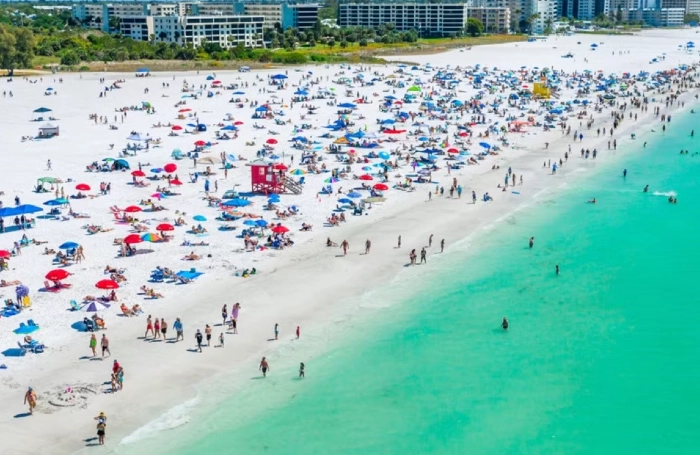
Florida has a rhythm. It's slow, sunny, and a little bit wild. The best Florida travel experiences often come when you slow down to match it. Talk to the locals. Ask the server at the diner where they go on their day off. That's how you find the hidden gem seafood shack or the quiet nature preserve.
And pack your patience. Things move on "island time" in many parts of the state, even on the mainland. Embrace it. You're on vacation.
Whether you're chasing thrills, wildlife, history, or just the perfect sunset over the Gulf, it's all here. You just have to know where to look. Hopefully, this guide gets you started on planning a Florida adventure that's perfect for you. Now go book that flight. The sunshine is waiting.