In This Guide
- The Undisputed Heavyweights: Spain's Must-See Cities
- Beyond the Big Three: Other Essential Stops
- Planning Your Spanish Adventure: When, How, & What to Know
- Hidden Gems & Underrated Spots
- Your Spain Travel Questions, Answered
- Comparing the Top Destinations: A Quick Glance
- Final Thoughts: Crafting Your Personal Top Places List
So you're thinking about Spain. Good choice. Everyone's got a picture in their head – flamenco dancers in Seville, Gaudi's wild buildings in Barcelona, maybe a plate of paella by the sea. But Spain is so much more than the postcards, and figuring out the best places to visit can feel overwhelming. Should you chase the famous sights or wander off the beaten path? Can you do it all in one trip? (Spoiler: you can't, and that's okay).
I've spent months traveling across this country, getting lost in its tiny white villages, overwhelmed in its grand cities, and occasionally disappointed by a tourist trap or two. This guide isn't just a list. It's a deep dive into the real Spain, the one you'll actually experience. We'll talk about the iconic spots you can't miss, the hidden gems that will steal your heart, and the practical stuff nobody tells you until you're there.
The Undisputed Heavyweights: Spain's Must-See Cities
These are the big names, the places that usually top any list of top places to visit in Spain. They're popular for a reason, but they each have a unique personality. Crowds? Yes, sometimes. Worth it? Absolutely, if you know how to approach them.
Barcelona: Gaudi's Playground & Mediterranean Buzz
Barcelona is a beast of its own. It's not really the capital of Spain, but it often feels like the capital of cool. The heartbeat here is the architecture, thanks largely to Antoni Gaudi. La Sagrada Familia isn't just a church; it's a forest of stone and light that's been under construction for over a century. Some people find the perpetual cranes annoying – I think it adds to the living, breathing character of the place. Just book your ticket weeks in advance on their official website. The queues are no joke.
Then there's Park Guell, a colorful hilltop park with mosaic lizards and curvy benches. The paid monumental zone is small and crowded. My take? The free area around it offers almost as good views of the city and is far more relaxed. Forget the Las Ramblas strip for anything but people-watching – it's expensive and packed. Instead, get lost in the Gothic Quarter's narrow streets or grab tapas in the Gracia neighborhood.
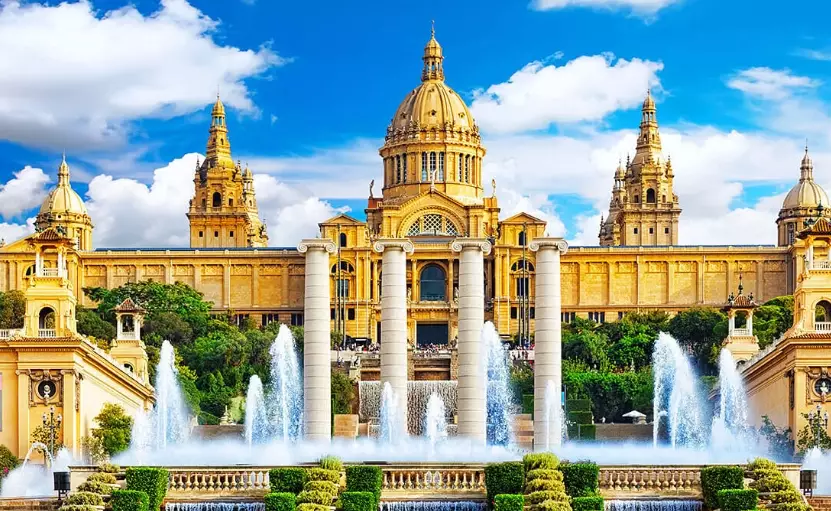 Madrid: The Royal Heart of Spain
If Barcelona is the flamboyant artist, Madrid is the elegant, sometimes stern, aristocrat. It's less about one single wow-factor sight and more about an atmosphere. The energy is palpable, especially in the evenings. The Prado Museum is overwhelming in the best way. You can't see it all. Don't try. Go for the Spanish masters – Velazquez's Las Meninas and Goya's dark Black Paintings. The Prado's website has great themed itineraries if you're short on time.
The Royal Palace is opulent to the point of being ridiculous. Worth a tour? For history buffs, yes. For others, maybe just admire the exterior and spend more time in the Sabatini Gardens. Madrid's real soul is in its neighborhoods. Have a caña (small beer) and free tapa in La Latina, browse vintage shops in Malasaña, and for heaven's sake, make time for the Rastro flea market on a Sunday morning. It's chaotic, pickpocket-heavy (be alert!), and utterly magnetic.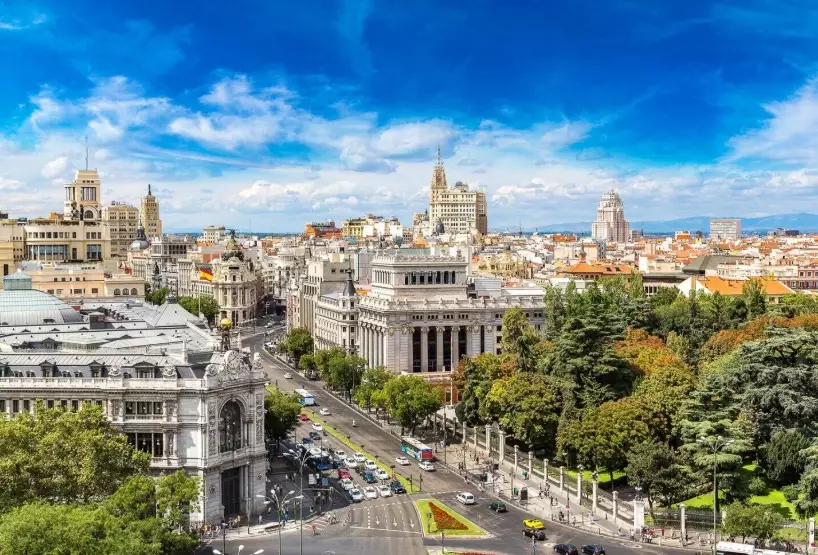
Seville: The Essence of Andalusia
Ah, Seville. This city smells like orange blossoms and sounds like clapping hands. It's the postcard-perfect image of Spain for many. The Real Alcazar is a stunning Moorish palace with intricate tilework and lush gardens. It's like stepping into a fairy tale. Pro-tip: the line for tickets snakes around the block. Buy online beforehand. The Seville Cathedral, the largest Gothic cathedral in the world, is next door. Climb the Giralda tower – it's a ramp, not stairs, originally built for horses.
But Seville's magic is in the details. The quiet patios of the Santa Cruz neighborhood. The sound of a lone guitarist in a tucked-away bar. Seeing a flamenco show is a must, but avoid the big, dinner-included tourist traps in Plaza de España. Look for a small tablao in Triana, the flamenco quarter across the river. The passion is raw and real there.
My one gripe? The summer heat. It's brutal. If you visit in July or August, you'll be seeking shade like a cat by 2 PM. Spring (for the Feria) and fall are sublime.
Beyond the Big Three: Other Essential Stops
Limiting your Spanish journey to just Barcelona, Madrid, and Seville is like only eating the bread at a tapas bar. You're missing the main event. These places are equally incredible and offer a different pace.
Granada & The Alhambra
Granada is a city crowned by one of the most breathtaking monuments in the world: the Alhambra. This sprawling palace-fortress complex is the pinnacle of Moorish architecture in Europe. The Nasrid Palaces, with their honeycombed ceilings and serene courtyards, are a masterpiece. You must book tickets online months in advance via the official Patronato website. They sell out incredibly fast. Don't get scammed by third-party sites charging triple.
Beyond the Alhambra, get lost in the Albayzin, the old Moorish quarter. It's a maze of whitewashed houses and cobbled lanes. End your evening on the Mirador de San Nicolas for the classic sunset view of the Alhambra against the Sierra Nevada mountains. And remember, in Granada, tapas are often still free with a drink. It's a glorious tradition.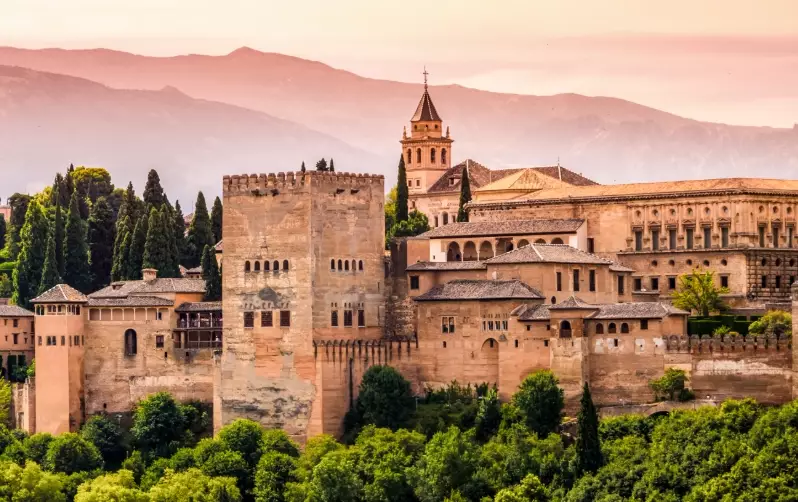
Valencia: Paella, Futurism & Beach
Valencia feels like a happy medium. It has history (a beautiful old town with the Silk Exchange, a UNESCO site), incredible modern architecture in the City of Arts and Sciences (it looks like a spaceship landed), and great beaches. This is the true home of paella Valenciana (with rabbit and chicken, not seafood). Try it at a restaurant near the Albufera natural park, where the rice is grown.
The Turia Gardens – a long park in a former riverbed that winds through the city – is perfect for a bike ride. Valencia is less intense than Barcelona or Madrid, which can be a welcome relief.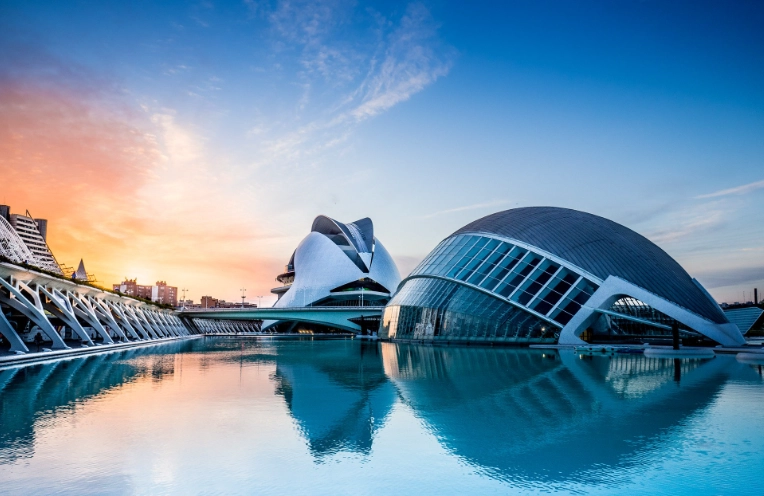
San Sebastian (Donostia): For Food Lovers
Up in the Basque Country, San Sebastian is a jewel. It's famous for its stunning shell-shaped beach (La Concha) and, more importantly, for being a global food capital. This is the home of pintxos (the Basque version of tapas, often more elaborate). The game in the Old Town is to hop from bar to bar, grabbing a small bite and a glass of txakoli (local sparkling white wine) at each. It's a delicious and social way to eat.
The vibe here is chic and relaxed. It's expensive, but the quality of life (and food) is palpable. A day trip to the nearby fishing villages or the surreal Gaztelugatxe (the "Dragonstone" from Game of Thrones) is highly recommended.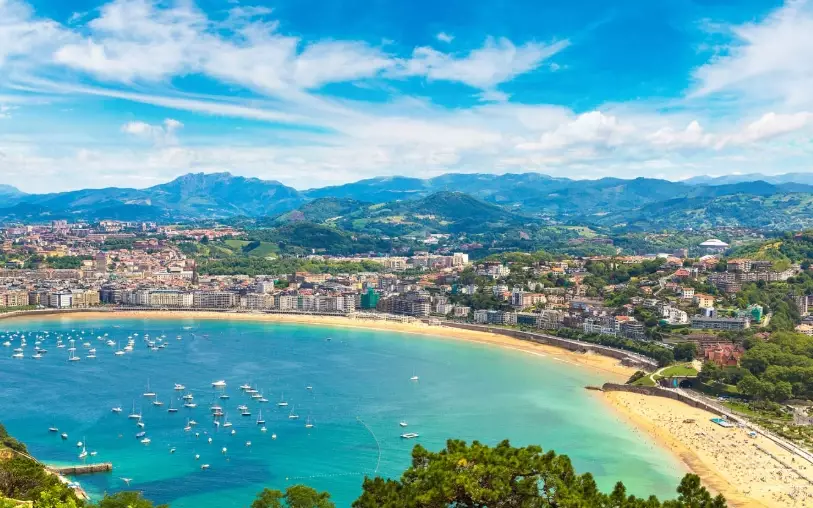
Planning Your Spanish Adventure: When, How, & What to Know
Knowing the top places to visit in Spain is one thing. Actually planning the trip is another. Let's break down the practicalities.
Best Time to Go: Shoulder seasons (April-June & September-October) are king. You'll avoid the extreme heat and the worst of the crowds. Summer (July-August) is scorching in the interior and south, and every European is on holiday. Winter can be lovely in the south (Andalusia) but cold and gray in Madrid and the north.
Getting Around: Spain's high-speed AVE train network is fantastic for connecting major cities (Madrid to Barcelona, Seville, Valencia). It's fast, comfortable, and city-center to city-center. For smaller towns and more flexibility, renting a car is the way to go. Just be prepared for tight parking in ancient city centers and aggressive drivers on roundabouts. Regional flights can be cheap but consider the carbon footprint and airport hassle.
A Sample 10-Day Itinerary for First-Timers:
This is a classic loop that hits the highlights at a decent pace.
Day 1-3: Madrid (Prado, Royal Palace, tapas crawling).
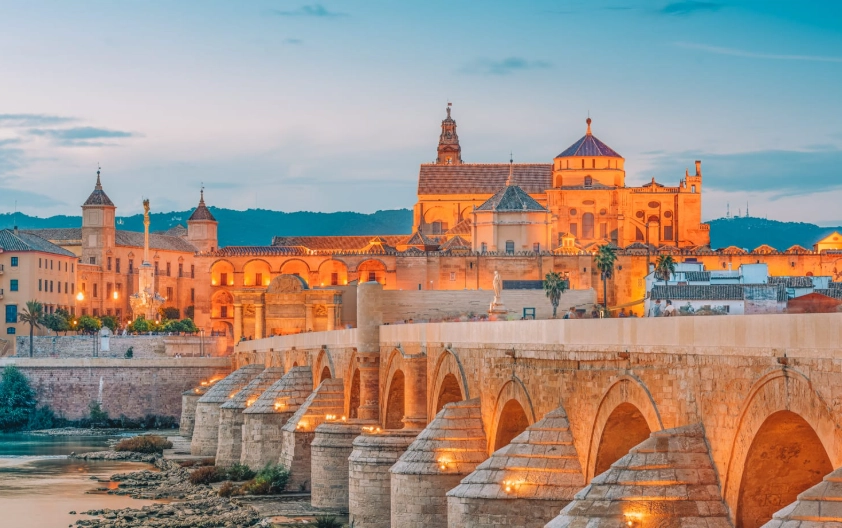
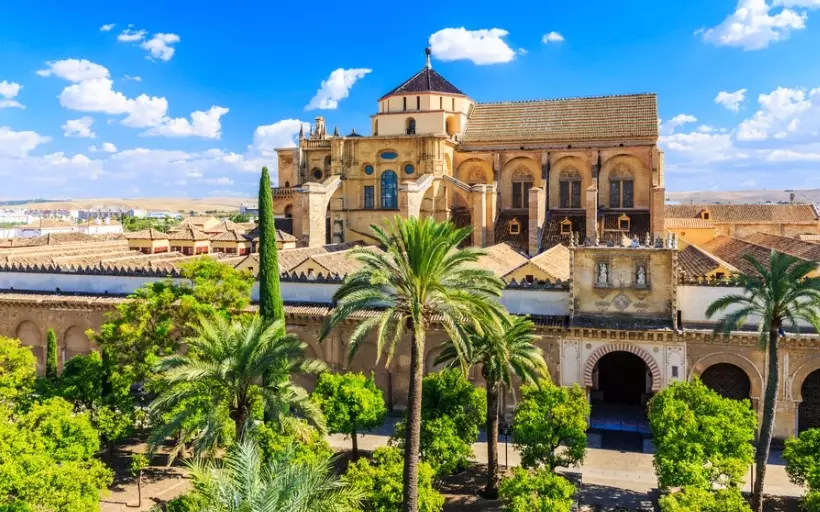
Day 4: Train to Cordoba (see the Mezquita, a stunning mosque-cathedral).
Day 5-7: Train to Seville (Alcazar, Cathedral, flamenco).
Day 8: Train/bus to Granada (settle in, explore Albayzin).
Day 9: Granada (Alhambra all morning).
Day 10: Fly or train back to Madrid from Granada.
See? Barcelona isn't even in that loop. It's on a different axis. To include it, you'd need 14 days or more, or you'd be rushing.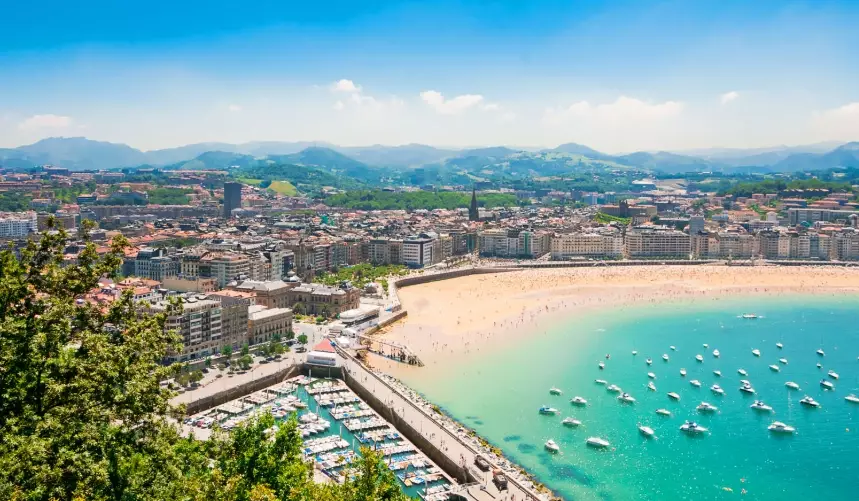
Hidden Gems & Underrated Spots
Want to escape the crowds and feel like you've discovered something? These are some of my personal favorites that deserve a spot on any deeper list of top places to visit in Spain.
- Cordoba: The Mezquita is its own category of wonder. A vast mosque with a Renaissance cathedral built right in the middle. The patios in May, during the Festival of the Patios, are bursting with flowers.
- Toledo: A stunning medieval city perched on a hill, an easy day trip from Madrid. It's a history book in stone, with Jewish, Muslim, and Christian monuments.
- Segovia: Another great day trip from Madrid, famous for its colossal Roman aqueduct that looks like it shouldn't still be standing, and a fairy-tale castle (Alcazar) that supposedly inspired Disney.
- Santiago de Compostela: The endpoint of the Camino de Santiago pilgrimage. The cathedral is awe-inspiring, and the atmosphere is unique, filled with weary but joyful pilgrims.
- The White Villages (Pueblos Blancos) of Andalusia: Ronda (with its dramatic gorge), Grazalema, Zahara de la Sierra. Driving through these is like stepping back in time.
- The Balearic & Canary Islands: For a beach component, they're fantastic. Mallorca has stunning mountains and coves beyond the party spots. Tenerife has a volcano (Teide) and microclimates.
Your Spain Travel Questions, Answered
Comparing the Top Destinations: A Quick Glance
To help you decide based on your travel style, here's a blunt comparison.
| City/Region | Best For | Vibe/Atmosphere | Potential Downside |
|---|---|---|---|
| Barcelona | Architecture, beach-city mix, nightlife, food scene | Creative, bustling, international, slightly chaotic | Very crowded, pickpocketing hotspots, can feel touristy |
| Madrid | Art museums, elegant neighborhoods, tapas bar culture, nightlife | Classic, grand, energetic, traditional yet modern | Less "wow" factor architecture, can be very hot/cold, sprawls |
| Seville | Romantic ambiance, flamenco, Moorish history, spring festivals | Passionate, traditional, picturesque, laid-back (except during Feria) | Extremely hot in summer, some touristy flamenco shows |
| Granada | Historical wonder (Alhambra), Moorish quarters, free tapas culture | Historic, mystical, student-friendly, relaxed | Alhambra tickets are a logistical challenge, hilly |
| Basque Country (San Sebastian) | World-class food (pintxos), beautiful coastline, hiking | Chic, sophisticated, food-obsessed, clean | Expensive, rainy weather, bars are packed |
| Andalusian Countryside (White Villages) | Scenic drives, hiking, authentic small-town Spain, photography | Peaceful, timeless, stunning landscapes, authentic | Requires a car, limited amenities, quieter nightlife |
Final Thoughts: Crafting Your Personal Top Places List
Look, at the end of the day, the best top places to visit in Spain are the ones that call to you. Maybe you're a foodie, so San Sebastian and the tapas bars of Madrid are your non-negotiables. Maybe you're a history buff, so the Roman, Moorish, and Gothic layers of Cordoba, Granada, and Toledo are essential. Perhaps you just want to lie on a beautiful beach and occasionally wander into a charming old town – the Costa Brava or an island might be your pick.
Do your research, book those must-see attractions (Alhambra, Sagrada Familia) way ahead, and then leave plenty of room for spontaneity. Spain is a country that knows how to live, and the best way to experience it is to, even just for a little while, try to live like they do. ¡Buen viaje!
(Need more official info? Always check the official Spain tourism website for the latest on opening hours, festivals, and regional guides. It's a fantastic resource.)
Reader Comments