In This Guide
Let's be honest. When you think about what to see in Italy, your mind probably floods with images of the Colosseum, the Leaning Tower, and gondolas in Venice. And don't get me wrong, those are fantastic. But Italy is so much more than its superstar attractions. It's a layered, complex, and sometimes frustratingly beautiful country where every region feels like a different world. I've spent years traveling there, gotten hopelessly lost in tiny hill towns, had my mind blown by art I didn't expect, and yes, also been underwhelmed by places that were too crowded to breathe. This guide is my attempt to help you navigate that incredible chaos and answer the real question: what should you actually see in Italy?
The challenge isn't finding things to see—it's choosing. Do you chase the Renaissance masterpieces, hike dramatic coastal paths, or stuff yourself silly in the foodie heartlands? My advice? Don't try to do it all. Italy rewards the slow traveler, the one who lingers. This isn't a checklist; it's a menu of possibilities. We'll talk iconic sights you can't miss, places most tourists overlook, and how to string them together without losing your sanity.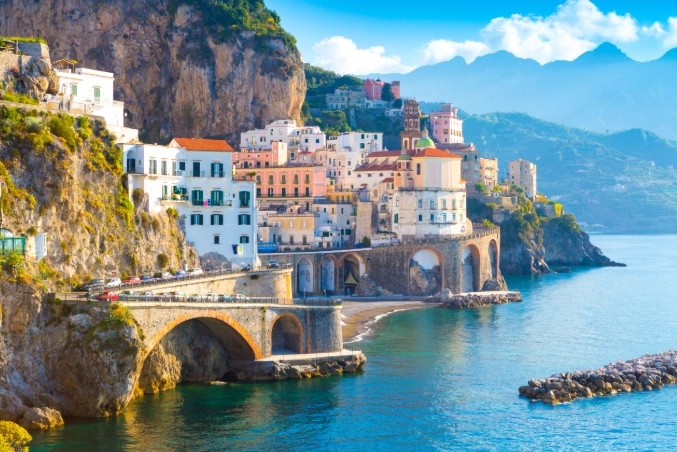
The Unmissable Classics: Italy's Crown Jewels
You have to start somewhere. These are the places that define Italy's global image. They're popular for a reason, but visiting them smartly is key to enjoying them.
Rome: The Eternal Layer Cake
Rome isn't a city; it's a time machine. Where else can you see a 2,000-year-old stadium (the Colosseum), a Renaissance masterpiece (the Sistine Chapel), and a bustling modern square within a few hours? The key here is context. The Roman Forum is just piles of rocks if you don't understand what you're looking at. I highly recommend booking a guided tour for the Forum and Palatine Hill—it brings the ancient city to life. The Vatican Museums are a marathon. Go early, book a skip-the-line ticket (non-negotiable), and head straight to the Sistine Chapel first if you can, then work backwards. My personal favorite? The Pantheon. It's free, it's miraculously intact, and that oculus opening to the sky is pure architectural genius. Just be prepared for crowds. Lots of them.
Florence: The Cradle of Art Overload
Florence is dense. The entire historic center is a UNESCO World Heritage site, crammed with more art per square meter than anywhere else I've been. The Uffizi Gallery is overwhelming. Don't try to see everything. Focus on the big names—Botticelli's "Birth of Venus," Leonardo da Vinci's "Annunciation." Book tickets months in advance, especially in summer. The Accademia is basically a pilgrimage to see Michelangelo's David, and yes, he's as impressive as they say. But for me, the real joy of Florence is climbing the Duomo for that iconic view of red rooftops, wandering the Oltrarno district's artisan workshops, and finding a quiet moment in the Brancacci Chapel to see Masaccio's revolutionary frescoes. The official tourism site, Visit Florence, has reliable info on combined passes that can save money.
Venice: A Fading Miracle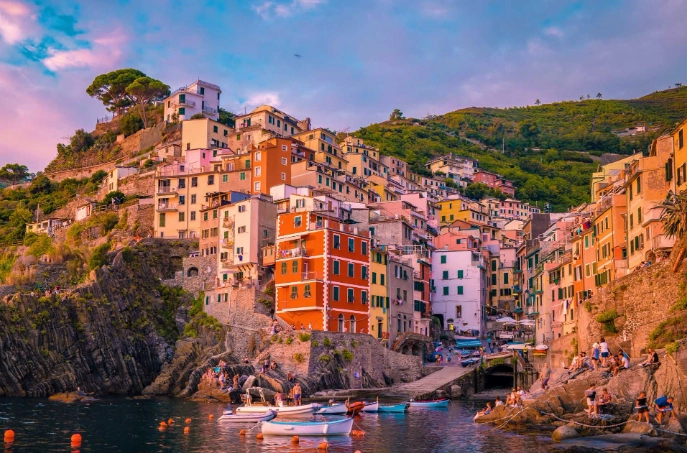
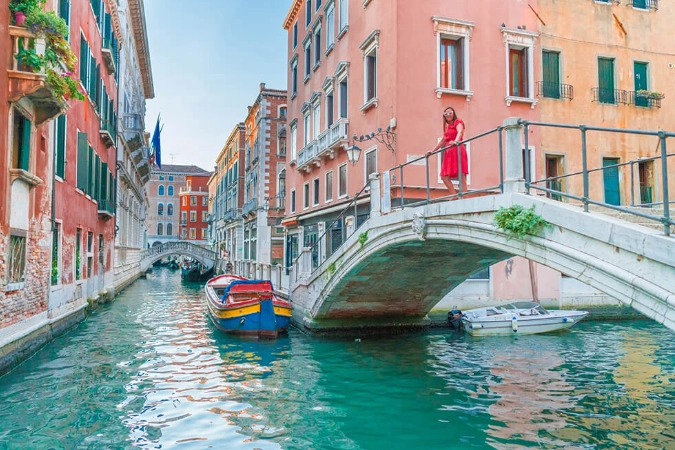
Venice is complicated. It's breathtakingly unique and heartbreakingly fragile. St. Mark's Square and the Doge's Palace are the obvious draws. The palace's opulence and the Bridge of Sighs story are worth it. But the best thing to do in Venice is to get lost. Put away your map in the Cannaregio or Dorsoduro districts. Find small squares, neighborhood bars (bacari), and quiet canals. The crowds around the Rialto Bridge are insane—see it, snap a pic, and move on. A vaporetto (water bus) ride down the Grand Canal is a classic, but for a cheaper alternative, take the traghetto gondola ferry across the canal. It costs two euros and gives you a 30-second gondola experience. For authoritative info on Venice's preservation and cultural sites, the Venezia Unica portal is the official source.
The Underrated & The Regional Gems
If you only stick to the "Big Three" (Rome, Florence, Venice), you're missing at least 80% of Italy's soul. The country's diversity is its superpower.
The Undisputed Champion of Landscapes: The Dolomites
Forget everything you think you know about Italian scenery. The Dolomites, a UNESCO World Heritage site in the north, are pure alpine drama. Jagged pink-hued peaks, emerald valleys, and charming Ladin-speaking villages. It's a year-round destination—hiking in summer, skiing in winter. Places like Val Gardena, Alpe di Siusi (Europe's largest high-alpine meadow), and the iconic Tre Cime di Lavaredo hike will make you feel like you're in a movie. It feels more Austrian than Italian, which is part of its charm. The official Dolomites UNESCO website is a great resource for understanding the area's natural significance.
The Foodie Heartland: Emilia-Romagna
Bologna, Modena, Parma. If these names make you hungry, you're my people. This region is the engine room of Italian cuisine. Parmesan cheese, Prosciutto di Parma, traditional balsamic vinegar, and of course, tagliatelle al ragù (don't call it spaghetti bolognese here). Bologna, "la grassa" (the fat one), is a vibrant university city with endless porticoes and amazing food markets. In Modena, you can tour a traditional balsamic vinegar acetaia and see where Ferraris are made. It's less about ticking off monumental sights and more about a deep, delicious immersion. You come here to eat, and you leave very, very happy.
The Coastal Stunners: Beyond the Amalfi Coast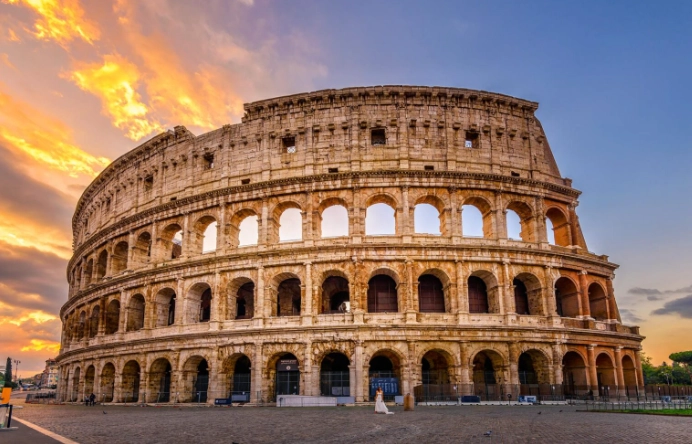
The Amalfi Coast is gorgeous. It's also expensive, congested, and can feel like a theme park in peak season. For equally stunning coastal scenery with a more authentic vibe, look elsewhere.
Puglia, the heel of Italy's boot, has it all: the unique trulli houses of Alberobello (another UNESCO site), the Baroque beauty of Lecce ("the Florence of the South"), and dramatic coastlines like those around Polignano a Mare. The food is hearty, the pace is slow.
Sicily is a continent unto itself. The Greek temples in the Valley of the Temples near Agrigento are arguably better preserved than some in Greece. Palermo's chaotic, layered energy is unforgettable, and the view from the ancient theater in Taormina, with Mount Etna smoking in the background, is one of Italy's best. Sicily's official tourism site, Visit Sicily, is a good starting point for planning.
Structuring Your Trip: What to See in Italy Based on Your Interests
To make this practical, here’s a breakdown of what to see in Italy depending on what you're after. Think of it as a choose-your-own-adventure guide.
| If You Love... | Focus On These Regions/Cities | Top Sights & Experiences |
|---|---|---|
| Art & History | Tuscany (Florence, Siena), Rome, Umbria | Uffizi Gallery, Vatican Museums, frescoes in Assisi, Siena's Duomo, Etruscan sites. |
| Food & Wine | Emilia-Romagna, Piedmont, Tuscany, Sicily | Bologna's markets, Barolo wine tasting, Chianti countryside, Modena's acetaie, street food in Palermo. |
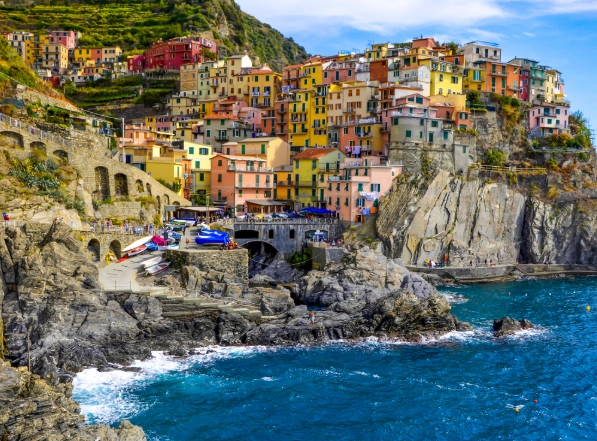
| Dramatic Landscapes | The Dolomites, Cinque Terre, Amalfi Coast, Sicily | Hiking Seceda peaks, coastal walks between villages, Path of the Gods, scaling Mount Etna. |
| Off-the-Beaten-Path Charm | Le Marche, Basilicata, Calabria, Puglia's interior | Urbino's Renaissance palace, the sassi cave dwellings of Matera, Tropea's cliffs, the hill towns of the Itria Valley. |
| Laid-Back Lakes & Islands | Lake Como/Garda, Sardinia, the Aeolian Islands | Villa-hopping by boat, hiking in Sardinia's interior, volcanic islands like Stromboli. |
See? Deciding what to see in Italy isn't a single question. It's a series of choices that shape your unique experience. A first-time visitor might do a classic Rome-Florence-Venice triangle. A food-obsessed return visitor might dive deep into Emilia-Romagna and Piedmont. An active family might base themselves in the Dolomites or a Tuscan agriturismo with a pool.
Italy's Must-See List: A Practical Ranking
Okay, I can hear you saying, "Just give me a list!" Fine. Here’s my personal, totally subjective ranking of top-tier sights, mixing the iconic with the impactful. This is based on uniqueness, cultural weight, and that "wow" factor.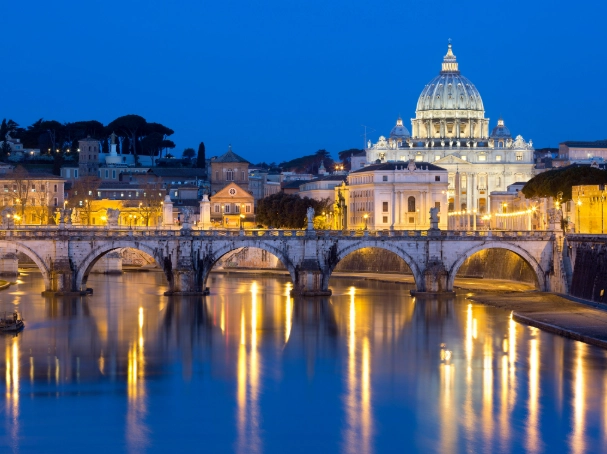
Top Tier (Worth Planning Your Trip Around):
- The Roman Forum & Palatine Hill (Rome): The birthplace of an empire. More impressive than the Colosseum next door, in my opinion.
- The Uffizi Gallery (Florence): The greatest collection of Renaissance painting on the planet. A masterclass in art history.
- The Sistine Chapel (Vatican City): Michelangelo's ceiling is a physical feat as much as an artistic one. The sheer scale is humbling.
- The Dolomites (Alto Adige/Trentino): Natural beauty on a monumental scale. Accessible via cable cars for non-hikers too.
- The Trulli of Alberobello (Puglia): Nowhere else in the world looks like this. A fairytale village that's very real.
Second Tier (Fantastic, but can be crowded/overhyped):
- The Colosseum (Rome): Iconic, but the interior can feel a bit empty. The exterior is often the best part.
- Venice's Canals & Piazza San Marco: Magical, but the mass tourism pressure is palpable and can detract.
- The Leaning Tower of Pisa: It's a tower. It leans. The field of miracles is pretty, but it's a quick stop, not a destination.
- The Amalfi Coast Drive: Stunning views, but the traffic in summer is a special kind of hell. Better enjoyed from a boat or a hiking trail above it.
Hidden Gem Tier (Less crowded, high reward):
- The Borghese Gallery (Rome): Bernini's sculptures here are mind-blowing. Requires advance booking, which keeps crowds low.
- Matera's Sassi (Basilicata): Ancient cave dwellings turned into hotels and restaurants. Unforgettable atmosphere, especially at night.
- Orvieto (Umbria): A stunning hilltop town with a breathtaking Duomo and eerie underground tunnels you can tour.
- Val d'Orcia (Tuscany): Those classic rolling hills, cypress trees, and lonely farmhouses you see on postcards. Best explored by car.
Answering Your Burning Questions (FAQs)
Wrapping It Up: Your Italy, Your Way
Figuring out what to see in Italy is a delicious puzzle. There's no perfect itinerary, only the one that's perfect for you. Whether you're drawn to the silent power of ancient ruins, the dizzying heights of Renaissance art, the simple perfection of a plate of pasta in its hometown, or the raw beauty of a mountain trail, Italy has a corner that will speak to you.
Start with one or two "must-see" icons that call to you. Then, build outwards with a region or theme that matches your travel style. Embrace the slow pace. Book key entries in advance. Learn a few Italian phrases. And most importantly, leave room for the unexpected—the tiny family-run trattoria you stumble upon, the friendly local who points you to a hidden viewpoint, the moment of quiet in a centuries-old church.
That's the real answer to what to see in Italy. See the famous things, sure. But also see the life that happens around them. That's where you'll find the Italy you'll remember forever.
Reader Comments