Let's be honest. When you think of Guatemala Mayan ruins, you probably picture Tikal. That iconic shot of temples poking through the jungle canopy. It's stunning, sure. But here's the thing – Guatemala is absolutely packed with ancient sites, and Tikal is just the headline act. I spent weeks traveling from the Petén jungle to the highlands, and what I found was a layer cake of history, some of it brilliantly restored, some of it quietly being swallowed back by the earth. If you're planning a trip, you need to know which ruins are worth the sometimes-grueling journey, what to actually expect on the ground, and how to see them without just following the tourist train.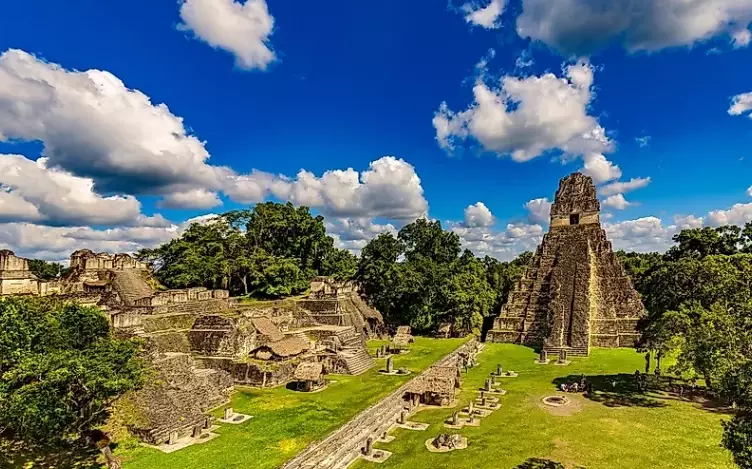
This isn't a dry history lesson. It's the stuff I wish I'd known before I went: the sites that took my breath away, the ones that were a bit underwhelming, the practical logistics that guidebooks gloss over, and the sheer scale of what the Maya built here. We're talking about a civilization that flourished for centuries, and their cities are scattered all over this country. From the massive civic centers to the remote, barely-excavated pyramids, exploring Guatemala Mayan ruins is an adventure that's equal parts awe and sweat.
Guide Highlights
The Crown Jewels: Must-See Guatemala Mayan Ruins
You can't talk about Mayan ruins in Guatemala without starting with the big one. But "big" doesn't always mean "best for you." Let's break down the major players.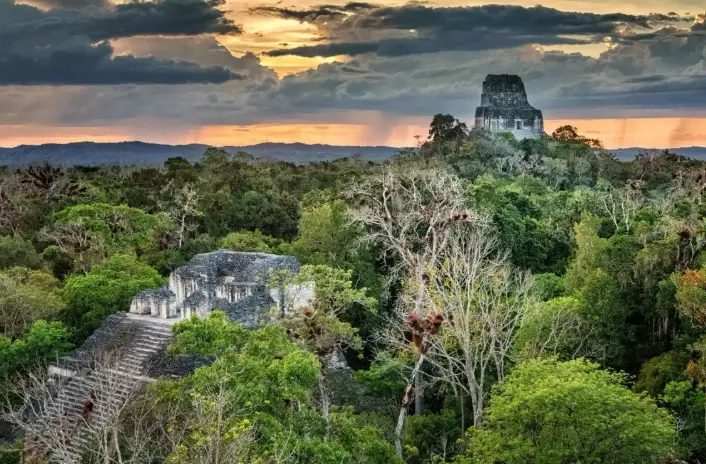
Tikal: The Undisputed King
Okay, let's get Tikal out of the way first. It's famous for a reason. Walking into the Grand Plaza, flanked by Temple I (the Temple of the Great Jaguar) and Temple II, is a moment that sticks with you. The scale is ridiculous. You'll hear howler monkeys long before you see them, and the sound echoing off the stone makes the whole place feel alive in a way few other archaeological sites do.
It's not just a couple of temples.
It's a vast, sprawling city. You can spend a full day here and still feel like you missed corners. The view from the top of Temple IV, looking over the rainforest canopy at the peaks of other temples, is the postcard shot. It's worth the climb. But here's my real talk: it gets packed. Midday, the main plazas are full of tour groups. My advice? Stay in one of the lodges in Tikal National Park itself. Get up for the 6 am opening, and you'll have the place almost to yourself for a magical hour. The morning light, the mist, the wildlife – that's the Tikal experience you want.
The official site, Tikal National Park, has solid info on tickets and official guides. Use it to plan. And remember, it's a UNESCO World Heritage site for a reason – it's the whole ecosystem, jungle and all, that's protected.
Yaxha: The Underrated Sibling
If Tikal is the popular, charismatic sibling, Yaxha is the quieter, maybe more interesting one. It's located northeast of Tikal, and receives a fraction of the visitors. What makes it special? Its setting on the shores of Lake Yaxha. The ruins are extensive, with a unique twin-pyramid complex, and the climb to the top of Temple 216 rewards you with an unforgettable view over the lake and endless green forest.
I found Yaxha more atmospheric in some ways. It feels more discovered than manufactured. There are fewer restored structures, so your imagination has to work a bit harder. You'll see more wildlife, and the sound of the lake adds a different element. It's often combined with a visit to the nearby site of Topoxte, a small island city. For a deeper dive into its significance, the UNESCO page on the Maya Biosphere Reserve contextualizes Yaxha as part of this huge protected cultural and natural landscape.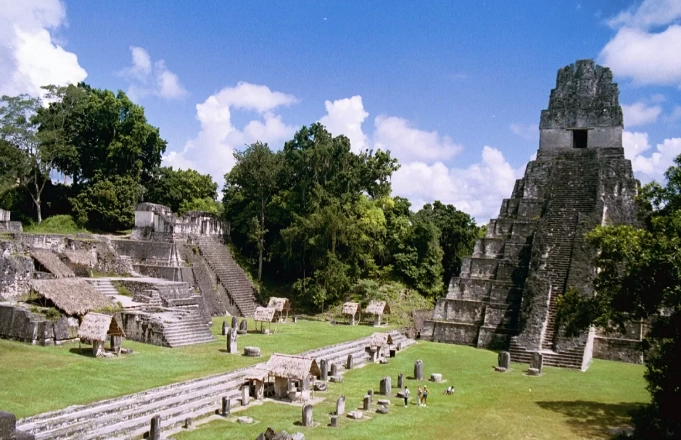
El Mirador: The Deep Jungle Adventure
This is for the hardcore. El Mirador is one of the largest Mayan sites ever discovered, but it's also one of the most remote. We're talking about a multi-day trek through the jungle or a very expensive helicopter ride. The main pyramid, La Danta, is considered by some to be the largest in the world by volume.
I didn't do this trek myself – time and fitness didn't allow – but everyone I met who had described it as a life-changing, brutally difficult experience. This isn't a casual visit; it's an expedition. You're camping in the jungle, guided by local *chicleros* (gum tree tappers). You're seeing ruins that are still mostly mounds in the earth, not cleaned-up temples. If your dream is true archaeological adventure, this is the apex. But be under no illusion: it's tough.
Beyond the Jungle: Ruins in the Guatemalan Highlands
Most people associate Mayan ruins with the lowland jungles of Petén. But the story continues in the highlands around Antigua and Lake Atitlán. These sites are different – often smaller, from later periods, and with a distinct feel.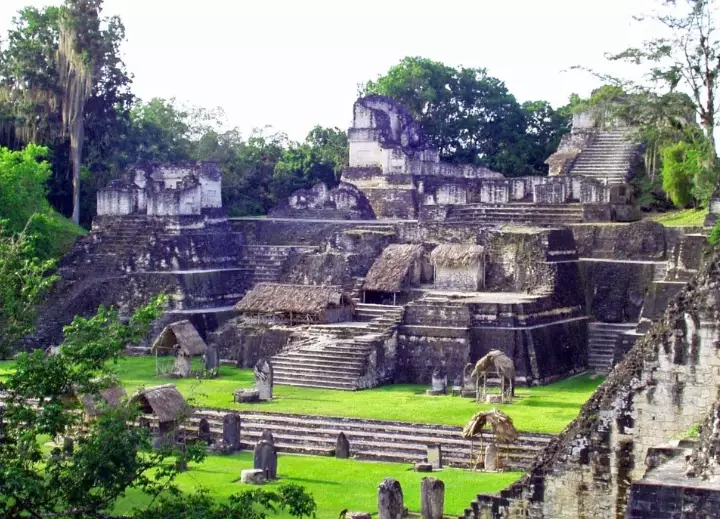
Iximche: The Quick and Powerful Hit
Located near Tecpán, about an hour and a half from Antigua, Iximche is a fascinating contrast. It was the capital of the Kaqchikel Maya in the late Postclassic period, right up to the Spanish conquest. The ruins are compact and well-restored, set on a plateau with great views. What's unique is that it's still a very active ceremonial site for modern Maya communities. You might see rituals taking place, which adds a powerful layer of continuity you don't feel at Tikal.
It's an easy half-day trip from Antigua. The ball courts here are particularly well-preserved. It lacks the towering pyramids of Tikal, but it makes up for it in historical resonance and accessibility. The Guatemalan Ministry of Culture and Sports oversees sites like Iximche, and their conservation work is visible on-site.
Zaculeu: The Fortress City
Way out in Huehuetenango, Zaculeu is a journey. But it's unique. This was a Mam Maya city, and its defining feature is its heavy fortifications – deep ravines and walls. It was a last stand against both other Maya groups and the Spanish. The ruins were heavily (and controversially) restored in the 1940s, covered in a white plaster that makes them look oddly new and ancient at the same time. It's a bit surreal.
Honestly, the restoration style is not to my personal taste; it feels like it stripped away some of the authenticity. But historically, it's incredibly significant. It's a stark reminder that the Maya world was not always unified; it was often a landscape of competing, warring city-states. You don't get that defensive vibe at many other sites.
Planning Your Visit: The Nitty-Gritty Details
Knowing the sites is one thing. Getting to them, enjoying them, and not getting overwhelmed is another. Here’s the real-world logistics.
Best Time to Go
The dry season (roughly November to April) is obviously ideal. Trails are mud-free, and rain is less likely to disrupt your day. But this is also peak tourist season. The "shoulder" months (May, early November) can be a sweet spot – fewer people, the landscape is still green, and short rains are usually in the afternoon. I went in late May and had a few spectacular afternoon thunderstorms that cleared the sites out and made everything smell incredible.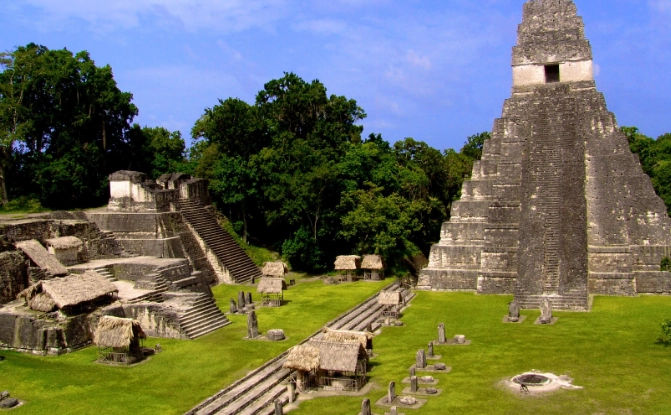
The rainy season (June-October) is challenging for remote sites like El Mirador and can make dirt roads impassable. But the jungles are at their most lush and vibrant.
How to Get Around
This is the big question. For Tikal and the Petén sites, most people fly into Guatemala City and then take a short domestic flight to Flores (the gateway town). From Flores, you can book shuttles or tours to Tikal, Yaxha, etc. Renting a car gives you flexibility, but driving in Guatemala is not for the faint of heart. The roads to some ruins are rough.
For highland sites like Iximche, you can often take chicken buses (local buses) or book a private driver from Antigua for the day. It's more straightforward.
What to Pack & Wear
This seems basic, but people get it wrong all the time. You are not strolling through a museum.
- Footwear is everything: Sturdy, broken-in hiking shoes or trail runners. No sandals, no flip-flops. The terrain is uneven, rocky, and often slippery.
- Water, water, water: Carry more than you think you need. Hydration packs are great. The heat and humidity in Petén are no joke.
- Sun protection: A wide-brimmed hat, sunglasses, and high-SPF sunscreen. There's very little shade on the main plazas of sites like Tikal.
- Insect repellent: The mosquitoes in the jungle can be ferocious, especially at dawn and dusk.
- Rain gear: A lightweight, packable rain jacket is essential year-round.
- Cash: Small bills (Quetzales) for entry fees (cards are sometimes accepted, but not always), tips for guides, and buying water/snacks from vendors near sites.
Guides vs. Solo Exploration
At major sites like Tikal, hiring a certified guide is 100% worth it for at least part of your visit. A good guide doesn't just recite dates; they point out details you'd miss – carvings, alignments, wildlife, the function of different buildings. They bring the stones to life. You can often join a small group to lower the cost.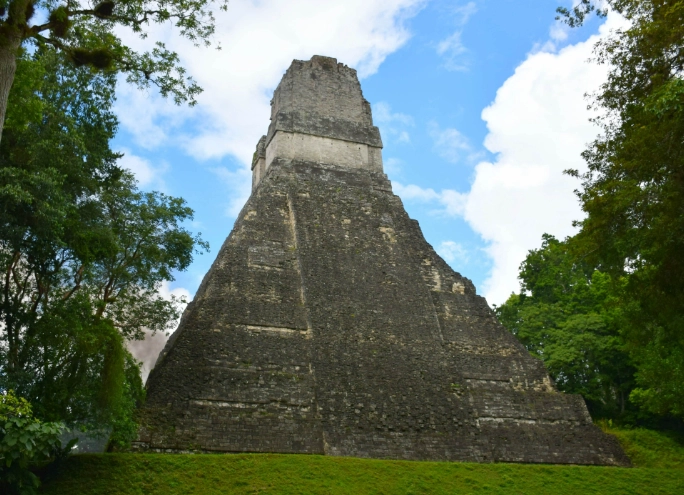
For smaller sites, a guide might be less necessary if you've done your reading. But supporting the local guiding community is a good practice. Always check for official certification badges.
Comparing the Major Sites: A Quick Reference
To help you decide where to invest your time, here's a blunt comparison based on my experience and common traveler priorities.
| Site | Atmosphere & Vibe | Accessibility | Crowd Factor | Unique Selling Point | Best For... |
|---|---|---|---|---|---|
| Tikal | Grand, awe-inspiring, iconic. The classic jungle ruin experience. | Easy (flight to Flores, then shuttle). Well-developed paths. | High (especially 10am-3pm). | Sheer scale, iconic temples, UNESCO jungle setting with wildlife. | First-timers, photography buffs, those wanting the "full" Maya experience. |
| Yaxha | Peaceful, atmospheric, connected to nature. Feels more "discovered." | Moderate (1.5-2hr drive from Flores on decent roads). | Low to Moderate. | Stunning lakeside setting, sunset views, more intimate feel. | Travelers wanting to escape crowds, nature lovers, those combining sites. |
| Iximche | Historically resonant, culturally active. Compact and clean. | Very Easy (short drive from Antigua or Panajachel). | Low. | Living Maya culture, Postclassic period history, easy access from tourist hubs. | Travelers based in Antigua/Lake Atitlan, those interested in modern Maya traditions. |
| El Mirador | Remote, adventurous, raw. An expedition, not a tour. | Very Difficult (5-day trek or expensive helicopter). | Very Low. | Sense of true exploration, seeing one of the largest pyramids on earth in a wild state. | Serious adventurers, archaeology enthusiasts, the extremely fit and patient. |
Answering Your Questions (The Stuff You Actually Google)
The Bottom Line: Exploring the Mayan ruins of Guatemala is about more than checking sites off a list. It's about standing in a plaza where history happened, hearing howler monkeys roar from a temple top, and understanding the incredible breadth of a civilization. Do your research, manage your expectations about travel logistics, and be prepared to be flexible. The reward is an experience that's genuinely profound.
One last thing. Remember that these places are sacred to the living Maya people of Guatemala. They're not just tourist attractions. Be respectful. Don't climb on restricted structures, don't remove any artifacts (not even a stone), and be mindful if you encounter a ceremony. We're guests in a story that's still being told.
The Guatemala Tourism Board (INGUAT) website is a useful official resource for general travel planning and current conditions. It’s a good starting point to cross-check information.
So, which of these Guatemala Mayan ruins calls to you? The iconic heights of Tikal, the lakeside serenity of Yaxha, or the living history of Iximche? Whichever you choose, you're stepping into one of the great chapters of human history. Just bring good shoes.
Reader Comments