Quick Navigation
So, you're thinking about visiting Canada and want to know the cool places to go? You've come to the right spot. Let's get one thing straight—when we talk about "cool places to visit in Canada," we're not just talking about temperature (though yes, it can get chilly). We're talking about those spots that make you stop and stare, the ones that give you stories to tell for years, the destinations that are just plain awesome.
I've road-tripped across this country more times than I can count, from the rocky Atlantic shores to the misty Pacific coast, and I've made my share of mistakes along the way. I've paid too much for a mediocre hotel in Banff, gotten lost on a hiking trail in Gros Morne, and learned the hard way that not all poutine is created equal. But those missteps taught me what makes a trip truly great. This guide isn't a sterile list from a brochure; it's the real deal, packed with the good, the bad, and the downright spectacular.
We'll break it down so you can actually plan your trip. Think of this as your friendly, no-BS roadmap to the coolest places Canada has to offer.
Your Quick Navigation: We'll cover the vibrant urban hubs that pulse with energy, the natural wonders that look like they're from another planet, the rich cultural pockets that feel like traveling abroad, and those off-the-beaten-path gems most tourists miss. Plus, I'll throw in practical stuff—when to visit to avoid the worst crowds, how to get around without blowing your budget, and answers to all those little questions you didn't even know you had.
The Urban Cool: Cities That Buzz with Energy
Canada's cities are a world apart from each other. You can go from the European charm of one coast to the sleek, mountain-backed metropolis of the other. These aren't just stopovers; they're destinations in themselves.
Toronto: The Gritty, Glamorous Heart
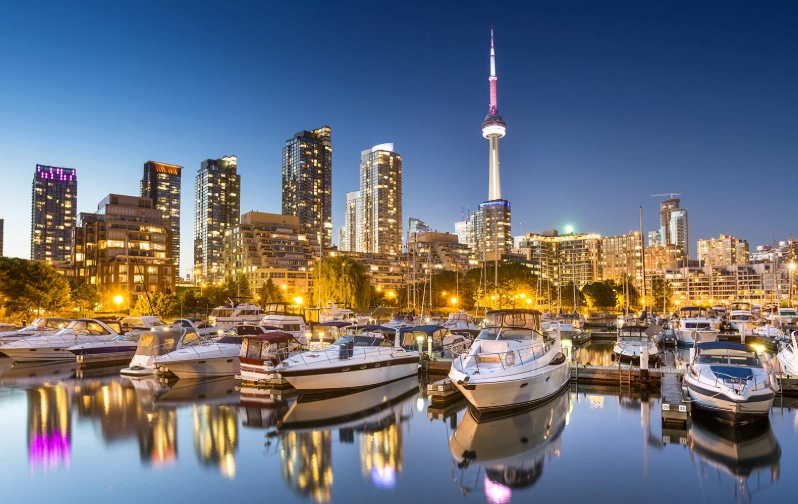
Let's start with Toronto. People love it or find it overwhelming. I'm somewhere in between. The CN Tower is cool for about ten minutes (the view is insane, I'll give it that), but the real magic is in the neighborhoods. Wander through Kensington Market, this crazy, colorful maze of vintage shops, global food stalls, and street art. It feels alive in a way few places do. Then there's the Distillery District, all cobblestones and 19th-century brick buildings now housing art galleries and chic cafes. It's a bit touristy, sure, but it's done well.
My personal gripe? The waterfront can feel a bit sterile and corporate. Skip the generic chain restaurants there and head to Queen West or Ossington Avenue for food that actually has character. Want a view that beats the CN Tower's pricey ticket? Take the ferry to the Toronto Islands. For a few bucks, you get a stunning panoramic view of the skyline from the water. It's one of the best cheap thrills in the city.
 Vancouver: Where Ocean Meets Mountain
Vancouver is almost unfair. How can one city have beaches, a rainforest, and snow-capped mountains all in the same postcard? Stanley Park is the obvious star—a 1000-acre evergreen peninsula with a seawall you can walk, bike, or blade around. Don't just drive through it; spend half a day there. Granville Island is another must, but go early to beat the crowds at the public market. The fresh seafood and artisan goods are worth it.
Here's a less obvious pick: head to the North Shore. Cross the Lions Gate Bridge and you're in a different world. The Capilano Suspension Bridge is famous (and expensive), but for a free alternative, try the Lynn Canyon Suspension Bridge. It's just as scenic, way less crowded, and surrounded by great hiking trails. The only downside? The famous Vancouver rain. It's a real thing. Pack a good rain jacket, even in summer. It's the price you pay for all that lush, green beauty.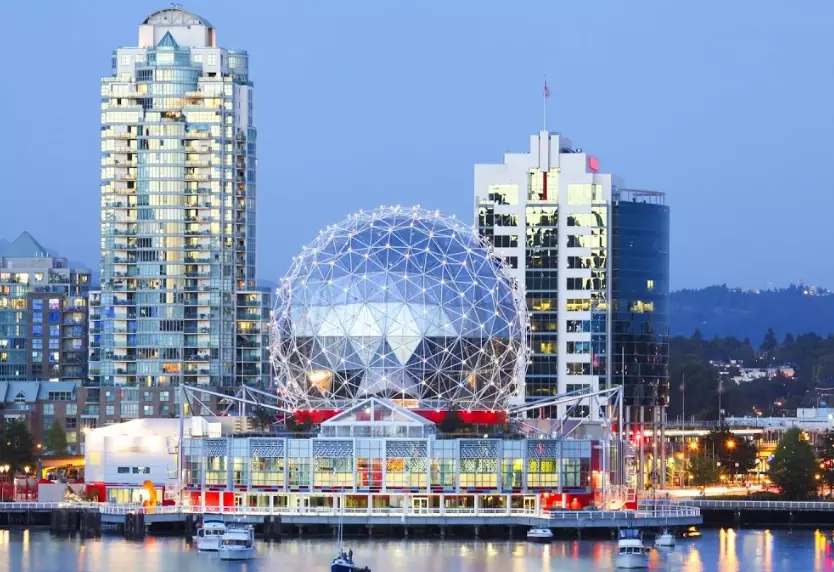
Montreal: A Slice of Europe in North America
Montreal doesn't feel like the rest of Canada. It feels like someone dropped a piece of Paris into Quebec and added a hefty dose of cool. The language, the food, the architecture—it's all distinctly French-Canadian. Old Montreal (Vieux-Montréal) is the historic core with cobblestone streets and the stunning Notre-Dame Basilica. It's beautiful, but can be packed with tourists.
For a more local vibe, explore the Plateau Mont-Royal. This is where you'll find iconic spiral staircases, colorful row houses, amazing bagels (St-Viateur Bagel is an institution), and the best smoked meat sandwiches at Schwartz's. Be prepared to wait in line there, but trust me, it's a rite of passage. Montreal's nightlife and festival scene (like the legendary Jazz Fest) are also top-tier. Just remember, winters are brutally cold, and many of the charming outdoor cafes you see in pictures are only open for a few glorious summer months.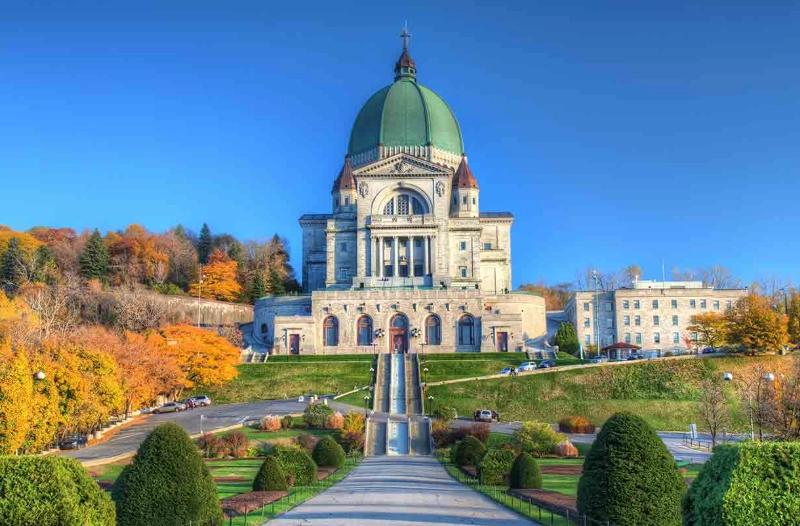
To make your city-hopping planning easier, here's a quick comparison of these urban cool places to visit in Canada:
| City | The "Cool" Vibe | Must-Do Experience | Best Time to Visit | Watch Out For |
|---|---|---|---|---|
| Toronto | Diverse, energetic, cosmopolitan | Ferry to Toronto Islands for skyline views; explore Kensington Market | Late May - September | High costs for attractions & downtown hotels |
| Vancouver | Outdoor-lifestyle, laid-back, scenic | Bike the Stanley Park Seawall; visit Granville Island Market | July - September (for sun) | Frequent rain; expensive cost of living |
| Montreal | European, artistic, culinary-focused | Wander Plateau Mont-Royal; eat a smoked meat sandwich | June - September; December (for Christmas markets) | Harsh winters; need basic French phrases is appreciated |
The Naturally Cool: Landscapes That Will Blow Your Mind
This is where Canada truly shines. Its natural beauty is on a scale that's hard to comprehend until you're standing in the middle of it. These are the cool places to visit in Canada that define postcards and bucket lists.
The Canadian Rockies: Banff & Jasper National Parks
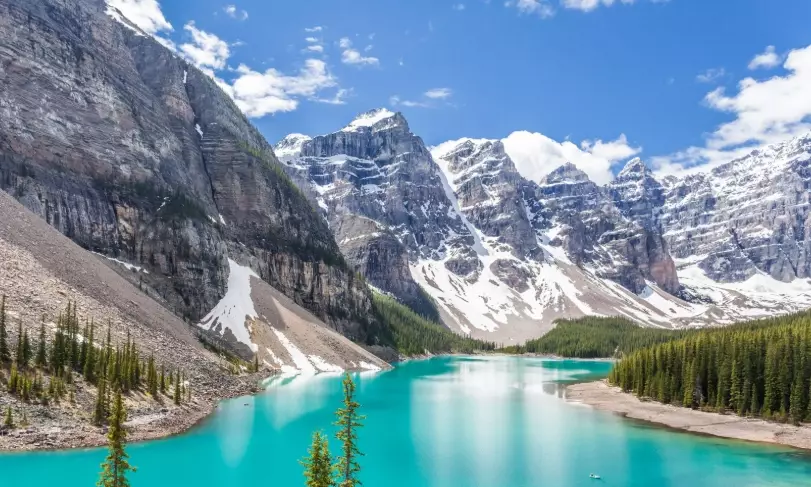
Let's talk about the Rockies. Photos don't do it justice. The sheer scale of the mountains, the impossible blue of the lakes—it's humbling. Banff National Park is the famous one. Lake Louise and Moraine Lake are icons for a reason. But here's my honest take: they can be overrun. Getting to Moraine Lake now requires a shuttle or commercial bus—you can't just drive up anymore. It's a hassle, but it's also helped preserve the place.
For a slightly more serene experience, head north to Jasper National Park. It feels wilder, less polished. The Icefields Parkway, the highway connecting Banff and Jasper, is arguably one of the most beautiful drives on the planet. You'll want to stop every five minutes. Don't miss the Athabasca Glacier. You can walk up to its toe (with caution) or take a guided tour onto the ice itself. It's a stark, powerful reminder of the ancient forces that shaped this land. Parks Canada's website for Banff and Jasper is your bible for trail conditions, camping reservations, and shuttle passes. Book everything months in advance, especially for summer. I learned that lesson the hard way, sleeping in my car one chilly August night.
Wildlife Note: This is bear country. Black bears and grizzlies. It's not something to be paranoid about, but you need to be smart. Carry bear spray (and know how to use it), hike in groups, make noise on trails, and never, ever approach wildlife. Seeing a bear from a safe distance is cool; getting too close is dangerous and stupid.
 Niagara Falls: The Over-the-Top Wonder
Niagara Falls is a spectacle. It's loud, it's wet, and it's completely mesmerizing. The Canadian side (Horseshoe Falls) is the more impressive view. Yes, the town of Niagara Falls, Ontario, is a bit of a kitschy tourist trap with wax museums and haunted houses. You can ignore all that.
The power of the falls themselves is what you're there for. Take the Hornblower Niagara Cruises boat tour (formerly Maid of the Mist). You will get soaked by the mist, but staring up at that wall of cascading water is an experience that sticks with you. For a different perspective, walk behind the falls through the Journey Behind the Falls tunnels. Feeling the thunder through the rock is incredible. Is it crowded? Absolutely. Go early in the morning or on a weekday if you can. Is it still worth it? One hundred percent. It's one of those places that earns its hype.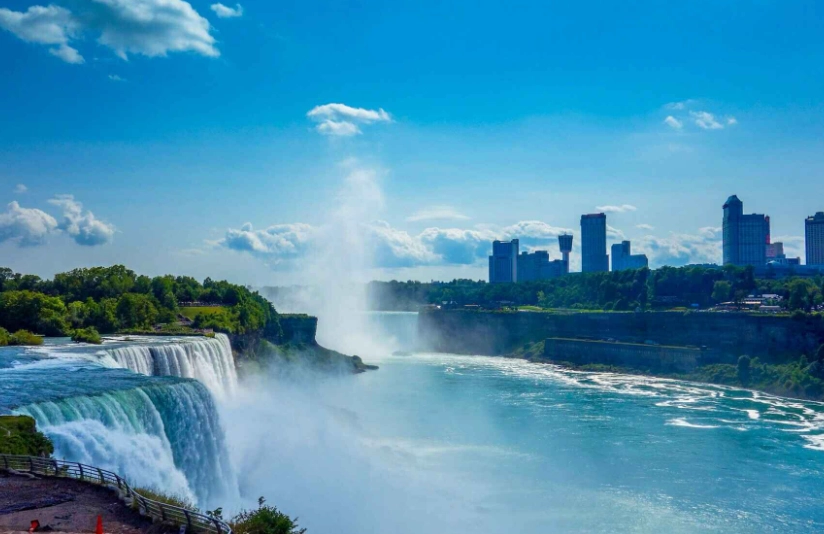
The Northern Lights: Chasing the Aurora in the Yukon or Northwest Territories
If you're looking for a different kind of cool—literally and figuratively—head north for the Aurora Borealis. Towns like Whitehorse (Yukon) or Yellowknife (Northwest Territories) are prime viewing spots. This isn't a summer trip; you need dark, clear winter skies, typically from late August to mid-April.
I went to Whitehorse in February. It was -30°C (-22°F). My eyelashes froze. But then, around 11 PM, faint green ribbons started dancing across the sky. They grew, shimmered, and swirled in a silent, cosmic ballet. It was, without exaggeration, the most magical thing I've ever seen. You need patience, warm clothing (think thermal layers, parkas, heavy boots), and a bit of luck with the weather. Companies there offer guided tours that take you to optimal dark-sky locations, often with warm cabins to retreat to. Check the Travel Yukon or Spectacular NWT official tourism sites for reputable tour operators and aurora forecasts.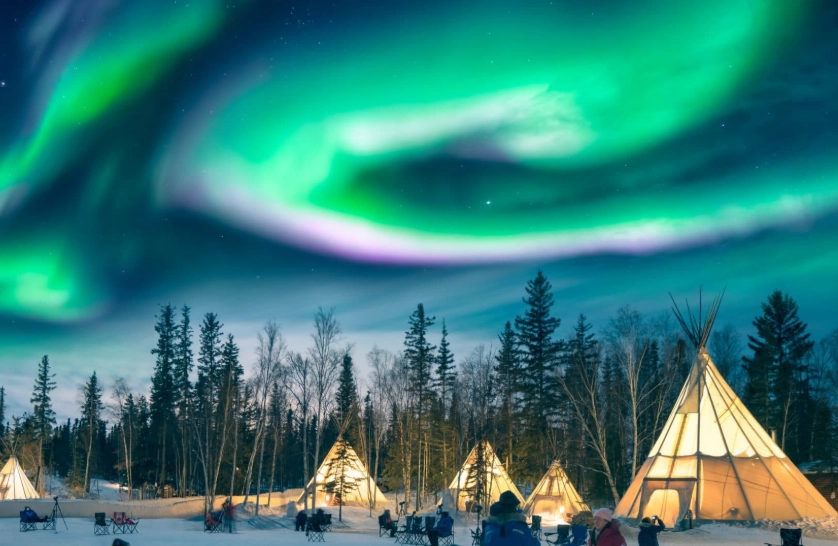
The Culturally Cool: Experiences That Dive Deep
Canada's culture isn't a monolith. It's a tapestry of Indigenous heritage, French roots, and immigrant influences from every corner of the globe. These cool places to visit in Canada offer a journey into that rich history.
Quebec City: Time Travel to New France
If Montreal feels European, Quebec City is European. The only walled city north of Mexico, its Old Town (a UNESCO World Heritage site) is a storybook come to life. Walking through the stone gates into Place Royale feels like stepping into the 17th century. The iconic Château Frontenac hotel dominates the skyline.
Wander the narrow streets of Quartier Petit-Champlain, arguably one of the most picturesque neighborhoods in North America. In winter, the city transforms into a snowy wonderland and hosts the famous Quebec Winter Carnival (Carnaval de Québec). Try a "caribou" drink (a warm, spiced wine) and embrace the cold. The people are proud of their distinct culture. Speaking even a few words of French (bonjour, merci) goes a very long way in showing respect.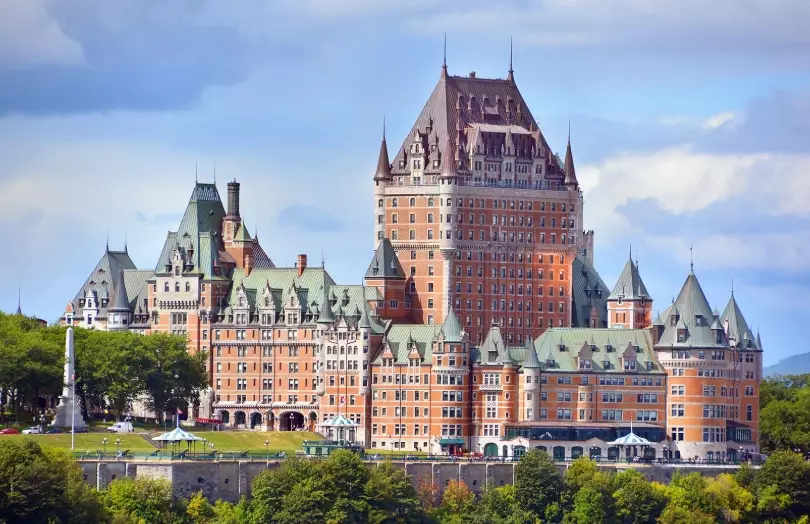
Indigenous Cultural Experiences
To truly understand Canada, you need to learn about its First Peoples. Across the country, there are opportunities for respectful and authentic Indigenous tourism. In British Columbia, consider a visit to the Squamish Lil'wat Cultural Centre in Whistler. It's a stunning building that showcases the art, history, and living cultures of the two Nations.
On the east coast, in Nova Scotia, the Glooscap Heritage Centre & Museum tells the stories of the Mi'kmaq people. These aren't just museums with artifacts; they're often run by the communities themselves, offering guided talks, traditional craft workshops, and sometimes even storytelling or dance performances. It's a powerful way to connect with the land's original stewards and gain a perspective you won't find in a standard guidebook.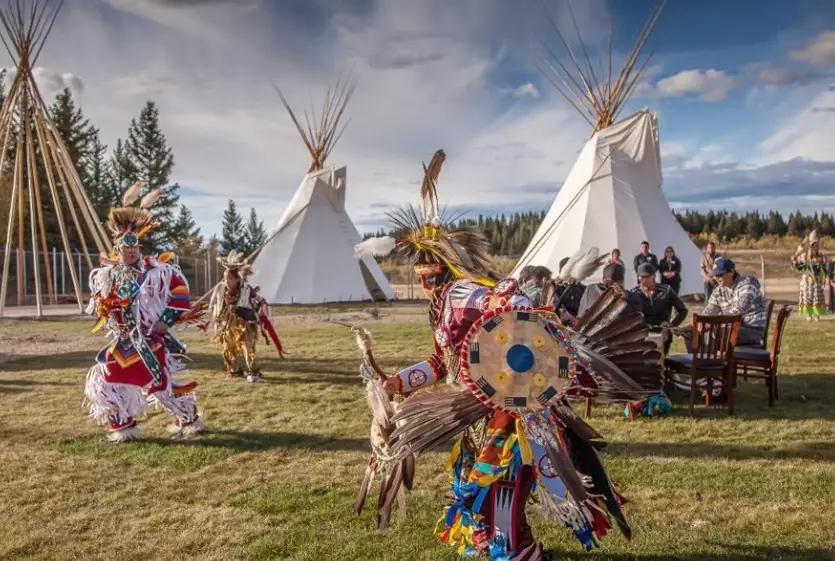
When looking for Indigenous experiences, always seek out businesses that are owned and operated by the Indigenous communities themselves. This ensures authenticity and that your visit directly benefits the community.
The Under-the-Radar Cool: Hidden Gems Most Travelers Miss
Everyone knows Banff and Niagara. But some of the coolest places to visit in Canada are the ones you might not have heard of.
Churchill, Manitoba: The Polar Bear & Beluga Whale Capital
This tiny town on the remote shores of Hudson Bay is famous for two incredible wildlife phenomena. In fall (October-November), polar bears congregate on the coast, waiting for the sea ice to form so they can go hunt seals. You can see them from specially designed tundra buggies. In summer (July-August), thousands of friendly beluga whales swim into the Churchill River estuary. You can kayak or take a boat tour right among them. It's a surreal experience. Churchill is not easy or cheap to get to (fly from Winnipeg or take a long train), but it's a unique adventure for serious wildlife enthusiasts.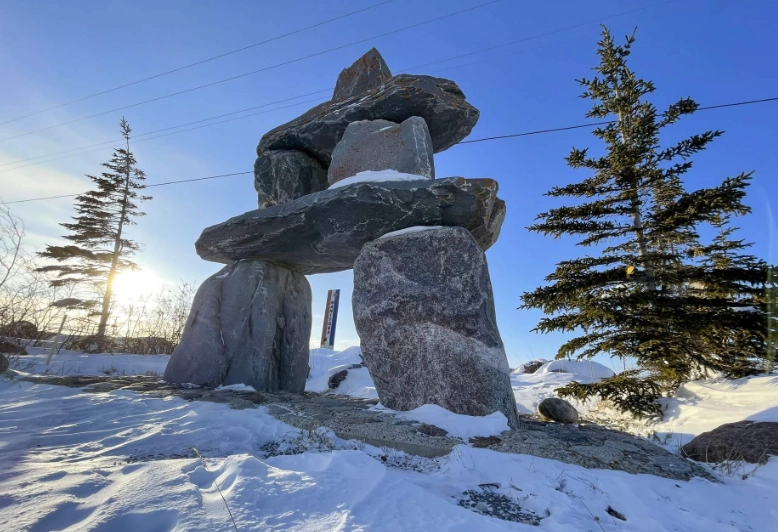
Gros Morne National Park, Newfoundland
This UNESCO site on Newfoundland's rugged west coast is a geology lesson writ large. The Tablelands area is particularly mind-bending—a vast, rust-colored plateau of exposed earth's mantle, rock that usually lies deep beneath the crust. Plants struggle to grow there, making it look like a Martian landscape. Hike the Green Gardens trail for a stunning contrast: you descend from the barren Tablelands into a lush, seaside valley with waterfalls and maybe even a glimpse of whales offshore. Newfoundland culture is famously warm and welcoming, with a unique dialect and a love for music and storytelling. Be prepared for wind and weather that changes in an instant.
So how do you even start to choose? Your trip depends entirely on what you're after.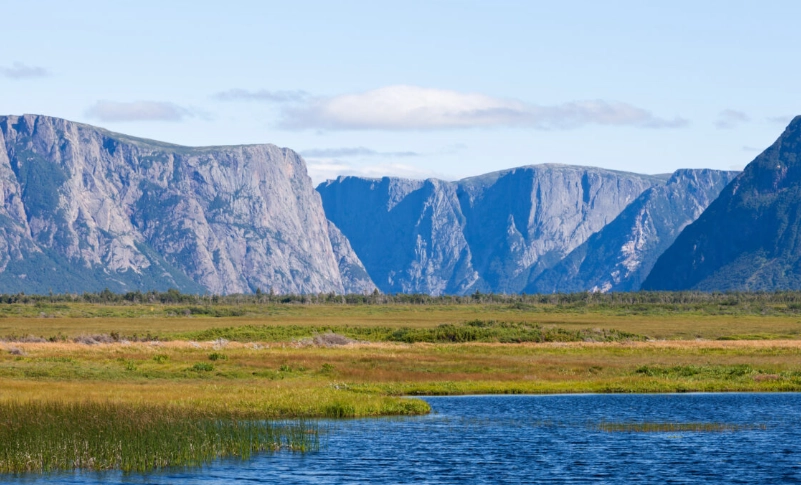
Planning Your Trip: The Nitty-Gritty Details
Okay, you're sold on some of these cool places to visit in Canada. Now what? Let's talk logistics.
When to Go: Timing is Everything
- Summer (June-August): Peak season. Warmest weather, all attractions open, amazing festivals. Also the most crowded and expensive. Book everything far in advance.
- Fall (September-October): My personal favorite. Crowds thin out, prices drop, and the fall foliage (especially in Ontario, Quebec, and the Rockies) is spectacular. Weather can be unpredictable.
- Winter (November-March): For skiing, snowboarding, northern lights, and winter festivals. It's cold, but it's a magical, snowy wonderland in many regions. Daylight hours are short.
- Spring (April-May): The "shoulder" season. Can be muddy and cool, with some attractions still closed. But you'll have places nearly to yourself and find great deals.
Getting Around: Canada is BIG
This is the biggest logistical challenge. Domestic flights between major cities (Toronto-Vancouver, Calgary-Montreal) are the fastest but can be pricey. For a classic experience, VIA Rail offers scenic train journeys, like "The Canadian" from Toronto to Vancouver—a multi-day adventure through the heart of the country. It's not a speedy way to travel, but it's an experience in itself.
For the ultimate freedom, especially to reach those cool natural places, renting a car or campervan is often the best bet. It allows you to explore at your own pace and access trailheads and small towns. Just be prepared for long driving distances. The drive from Toronto to Vancouver, for example, is over 4,300 km (2,670 miles)—that's not a weekend trip!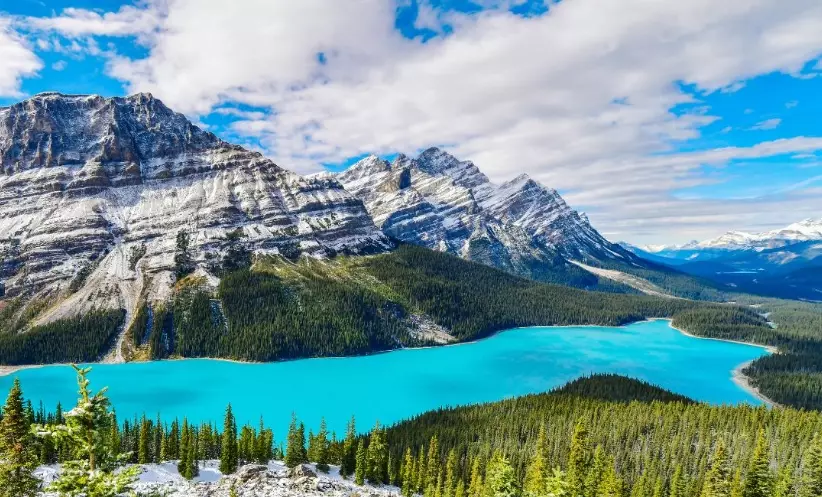
Your Burning Questions Answered (FAQs)
- 7-10 days: Explore one region in depth (e.g., the Canadian Rockies, or Quebec City/Montreal/Ottawa, or Vancouver/Vancouver Island).
- 2 weeks+: You could combine two regions with a flight in between (e.g., a week in the Rockies and a week on the West Coast).
A cross-country road trip requires a month to do it comfortably without just driving non-stop.
Finding the cool places to visit in Canada is about more than just ticking landmarks off a list. It's about feeling the spray of Niagara Falls on your face, hearing French spoken on a cobblestone street in Quebec, standing in silent awe under the northern lights, or sharing a laugh with a local in a Newfoundland pub. It's a country of immense space, raw beauty, and genuine warmth. Do your research, plan smart, but leave room for spontaneity. The best moments often happen when you least expect them. Now, go start planning your adventure.
Reader Comments