Your Portugal Travel Blueprint
Let's be honest, when you start planning a trip to Portugal, it's easy to feel overwhelmed. Lisbon, Porto, the Algarve... the list of potential sites to see in Portugal seems endless, and every travel blog and guidebook shouts about different "must-see" spots. How do you even begin to choose? I remember my first trip, staring at a map, completely paralyzed by choice. I ended up racing between cities, missing the real charm.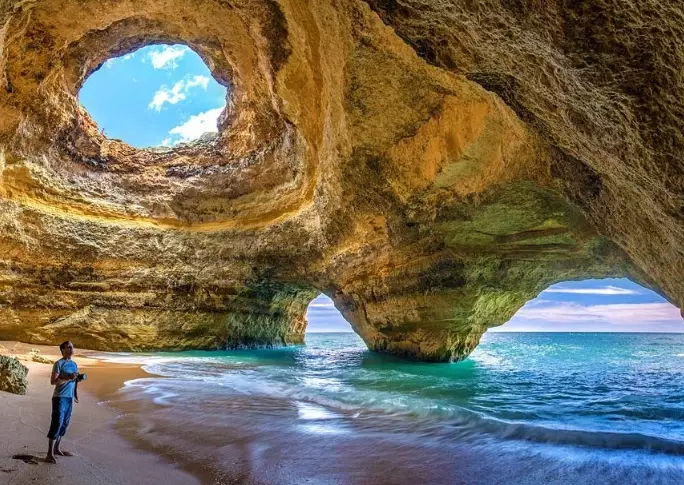
This guide is different. It's not just a bland list. We're going to dig into the iconic spots everyone talks about, sure, but we'll also uncover the quieter places where Portugal's soul truly shines. We'll talk logistics, timing, and even the occasional downside (because nowhere is perfect). By the end, you'll have a clear, personalized blueprint for your adventure, packed with the kind of practical details you actually need. Think of this as a chat with a friend who's been there, made the mistakes, and found the magic.
The Unmissable Classics: Portugal's Crown Jewels
You can't talk about the top sites to see in Portugal without starting with the big hitters. These are the places with global fame, and for good reason. They're popular, yes, but they've earned it.
Lisbon: The Seven-Hilled Capital
Lisbon hits you with energy. The yellow trams clattering up steep hills, the miradouros (viewpoints) offering breathtaking panoramas, the smell of grilled sardines in Alfama. It's a city that demands to be explored on foot, getting gloriously lost in its mosaic-tiled streets.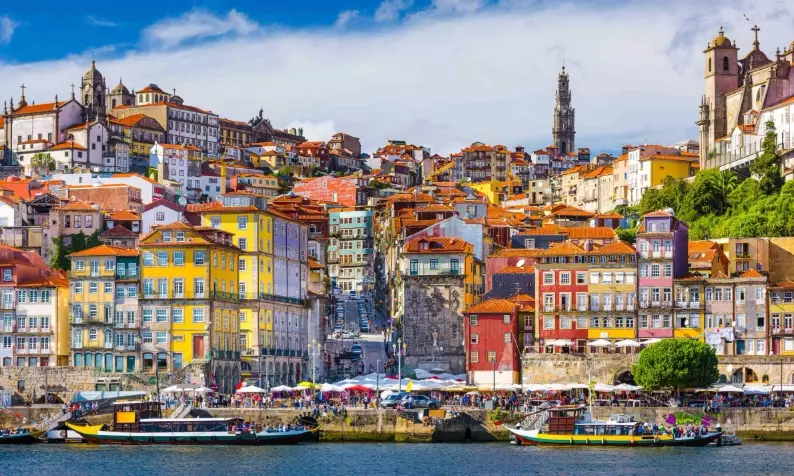
Top experiences here? Riding Tram 28 is a classic for a reason—it's a moving tour of the city's historic quarters, though be prepared for crowds. Visiting the Belém district is non-negotiable. The Jerónimos Monastery is a masterpiece of Manueline architecture, and the Belém Tower, standing guard over the Tagus River, is the postcard image of Portugal's Age of Discovery. Just a short walk away, the Pastéis de Belém bakery serves the original pastel de nata. Trust me, have one (or three).
For a different vibe, the LX Factory under the 25 de Abril Bridge is a hub of creativity in a repurposed industrial complex—great for lunch, quirky shops, and street art.
Porto: The Soulful North
If Lisbon is the vibrant, charismatic sibling, Porto is the older, more melancholic one with a deep soul. It's grittier, more atmospheric, and intimately connected to the Douro River. The Ribeira district, a UNESCO World Heritage site, is a cascade of colorful houses tumbling down to the water's edge. Crossing the Dom Luís I Bridge on the upper level for views is a rite of passage.
Of course, you can't discuss Porto without Port wine. The cellars across the river in Vila Nova de Gaia are where the magic happens. Tours and tastings are plentiful. I found the smaller, family-owned lodges often offered a more personal experience than the big commercial names. And the Livraria Lello bookshop? Yes, it's stunningly beautiful, with its neo-Gothic interior and famous red staircase. But it's also incredibly crowded and now requires a timed ticket you purchase in advance. It's worth seeing, but manage your expectations—it feels more like a museum than a functioning bookstore these days.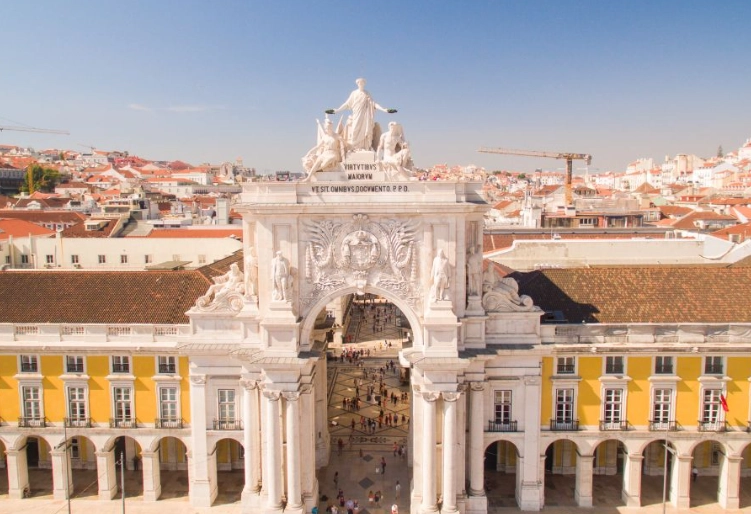
Sintra: A Fairytale Escape
A short train ride from Lisbon, Sintra feels like you've stepped into a fantasy novel. The mountains are dotted with extravagant palaces and lush gardens. The Pena Palace is the star—a riot of bright yellows, reds, and purples perched on a hilltop, blending Moorish, Gothic, and Renaissance styles. It's whimsical, over-the-top, and utterly unforgettable.
But don't stop there. The Moorish Castle offers incredible, rugged walls and the best panoramic views of the region. The Quinta da Regaleira, with its initiation wells and hidden tunnels, is a mysterious and fascinating place to explore. My biggest tip for Sintra? Do not try to see everything in one day. It's a surefire way to be exhausted and rushed. Pick two, maybe three, main sites and savor them. The public buses (the 434 circuit) get packed, so consider a tuk-tuk or even a taxi for part of the journey between palaces.
Beyond the Cities: Portugal's Diverse Landscapes
Portugal's beauty stretches far beyond its urban centers. The coastline, the valleys, and the interior offer some of the most spectacular sites to see in Portugal.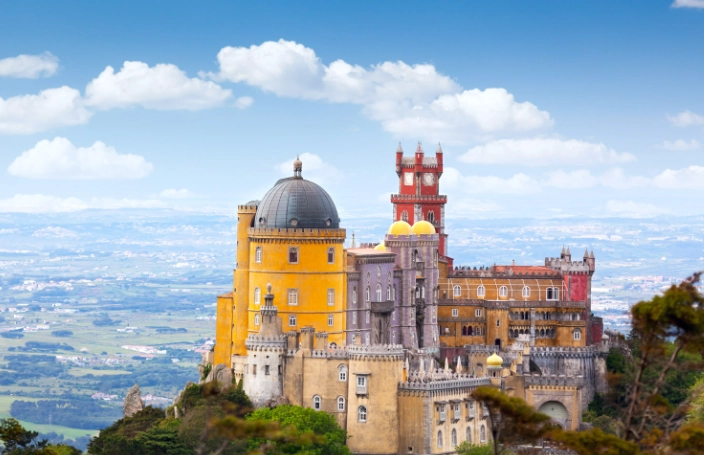
The Algarve Coast: More Than Just Beaches
The Algarve is famous for its golden beaches and dramatic cliffs, and rightly so. But it's not a monolith. The central Algarve around Albufeira and Lagos is the busiest, with stunning grottoes you can explore by boat (the Benagil Cave is the icon). The western Algarve near Sagres and Lagos feels wilder, with powerful Atlantic surf and dramatic, wind-swept cliffs. The eastern Algarve near Tavira is quieter, with barrier islands, calm waters, and a Ria Formosa Natural Park that's a paradise for birdwatchers.
| Beach Area | Vibe | Best For | Consideration |
|---|---|---|---|
| Lagos (e.g., Praia Dona Ana) | Dramatic, scenic, popular | Boat tours, photography, vibrant nightlife nearby | Can be very crowded in peak season |
| Carvoiero (Benagil Cave) | Iconic sea caves, bustling | Kayaking, boat trips to see the famous cave | The cave itself cannot be landed on; view from the water only |
| Sagres (e.g., Praia do Beliche) | Rugged, wild, surfer's paradise | Surfing, hiking, dramatic sunsets, fewer crowds | Water is colder, strong currents |
| Tavira (Ilha de Tavira) | Laid-back, family-friendly, natural | Long sandy islands, calm waters, nature walks | Requires a short ferry ride to reach the island beaches |
My personal favorite spot in the Algarve isn't a single beach, but the hiking trail between Praia da Marinha and Praia de Benagil. The views from the clifftops are simply staggering.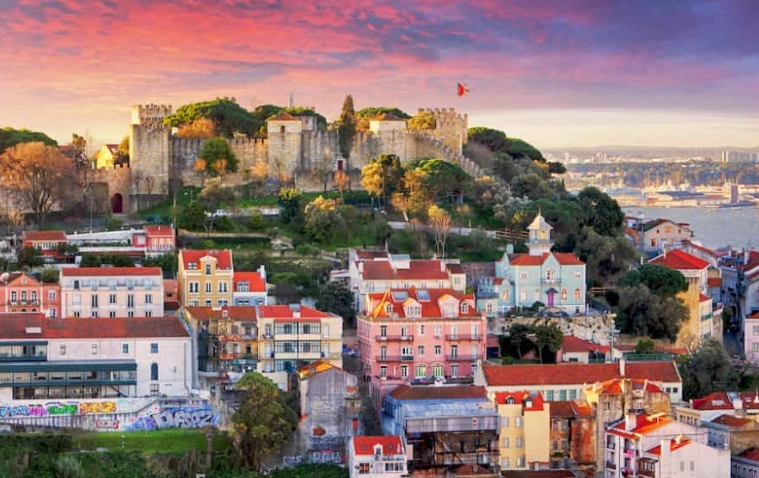
The Douro Valley: A Tapestry of Vineyards
This is where the magic of Port wine begins. The Douro Valley, another UNESCO site, is one of the oldest and most beautiful wine regions in the world. Terraced vineyards climb the steep hillsides along the winding Douro River, creating a landscape that changes color with the seasons—lush green in spring, golden in fall.
The best way to experience it? A scenic train ride from Porto to Pinhão offers gorgeous views. But to really get into the heart of it, you need to stay in a quinta (wine estate). Waking up to that view, taking a boat trip on the river, and touring a family-owned vineyard for a tasting is an unparalleled experience. It's the perfect antidote to city sightseeing.
The Silver Coast & Central Portugal
Want to get away from the main tourist trails? The coast north of Lisbon, known as the Costa de Prata (Silver Coast), is dotted with charming fishing villages, great surf spots, and historic towns. Nazaré, famous for its gigantic winter waves that attract big-wave surfers, is a fascinating visit even in the calmer months. The medieval town of Óbidos, enclosed within perfectly preserved walls, is utterly charming (if a bit touristy during the day). Staying the night lets you see it in a different light.
Further inland, the university city of Coimbra has a stately, scholarly atmosphere and one of the oldest universities in Europe. The Biblioteca Joanina is a baroque library that will take your breath away.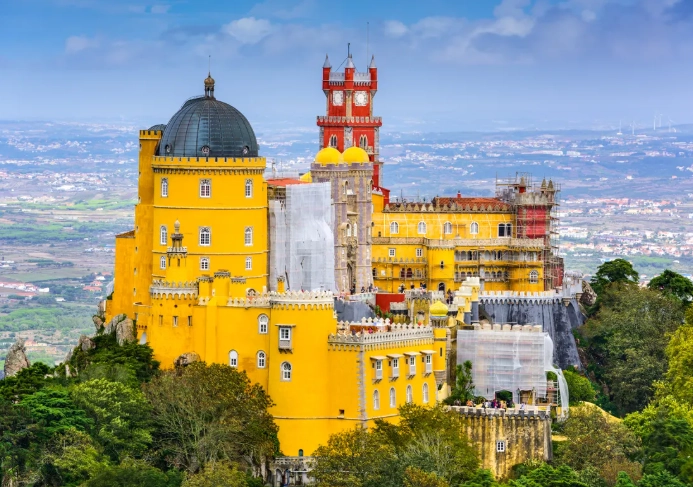
The Hidden Gems & Underrated Sites to See in Portugal
Okay, now for the stuff I really love sharing. These are the places that might not make every top-10 list but are absolute treasures.
Monsaraz: Perched on a hilltop near the Spanish border overlooking the Alqueva reservoir, this tiny whitewashed village is like stepping back in time. The views are endless, the pace is slow, and it feels a world away from everything. At night, the area is a designated "Dark Sky Reserve," perfect for stargazing.
Aveiro: Often called the "Venice of Portugal," Aveiro is a canalside city known for its colorful moliceiro boats and Art Nouveau architecture. It's sweet, it's pretty, and it's a great place to try ovos moles, a local egg-yolk-based pastry. It's a nice stop between Porto and Coimbra.
The Peneda-Gerês National Park: Portugal's only national park is a wonderland of mountains, forests, waterfalls, and ancient granite villages. It's for hiking, wildlife spotting (look out for the Garrano horses), and connecting with raw nature. The thermal springs at Termas do Gerês are a perfect reward after a day of trekking.
Évora: In the heart of the Alentejo region, Évora is a museum-city enclosed by medieval walls. Its Roman temple is remarkably well-preserved, but the most macabre and memorable site is the Capela dos Ossos (Chapel of Bones), lined with the skeletons of thousands of monks. It's haunting and thought-provoking.
Practical Planning: Making Your Portugal Trip a Reality
Knowing the sites to see in Portugal is one thing. Getting there and enjoying them is another. Let's break down the nitty-gritty.
Getting Around Portugal
Portugal has a good public transport network, but its efficiency depends on where you are.
- Trains: Excellent for connecting major cities (Lisbon-Porto, Lisbon-Faro). The Alfa Pendular is the fast, comfortable option. For regional travel, trains are slower but scenic. Use the Comboios de Portugal (CP) website for schedules and tickets.
- Buses: Often cheaper and sometimes the only option for smaller towns. Companies like Rede Expressos have extensive networks.
- Car Rental: Essential for exploring regions like the Douro Valley, Alentejo, or the national park. It gives you ultimate freedom. Book in advance, especially for summer.
- Flights: Domestic flights connect Lisbon, Porto, and Faro quickly, but you miss the scenery.
When to Go & How Long to Stay
Portugal is a year-round destination, but it has seasons.
| Season | Pros | Cons | Best For |
|---|---|---|---|
| Spring (Apr-Jun) | Pleasant temps, wildflowers, fewer crowds | Some rain, ocean still cool for swimming | City sightseeing, hiking, Douro Valley |
| Summer (Jul-Aug) | Guaranteed sun, warm sea, vibrant festivals | Extreme crowds, high prices, intense heat inland | Beach holidays, nightlife |
| Autumn (Sep-Oct) | Warm sea, harvest season, thinning crowds | Weather starts to become less predictable | Wine tours, coastal walks, general sightseeing |
| Winter (Nov-Mar) | Lowest prices, few tourists, cultural focus | Shorter days, cooler/wetter weather, some services closed | City breaks, cultural immersion, surfing (with a wetsuit) |
How long? A frantic week can cover Lisbon, Sintra, and Porto. But to truly appreciate the diversity of sites to see in Portugal—adding a region like the Algarve or the Douro—I'd recommend at least 10 days to two weeks.
Answering Your Questions: Portugal Travel FAQ
Here are answers to some common questions that pop up when people are planning which sites to see in Portugal.
Is Portugal safe for tourists?
Generally, yes, very safe. Violent crime is low. The main issues are pickpocketing and bag-snatching in crowded tourist areas (trams, viewpoints, train stations) in Lisbon and Porto. Just use common sense: keep valuables secure, don't flash expensive jewelry, and be aware of your surroundings. Scams are rare but be wary of people offering "free" gifts or rosemary (it's a distraction technique).
Do I need to speak Portuguese?
Not at all. In major tourist areas, you'll find English widely spoken, especially by younger people and in the hospitality industry. Learning a few basic phrases (olá for hello, obrigado/obrigada for thank you, por favor for please) is always appreciated and goes a long way. In rural areas, it can be more challenging, but people are patient and helpful.
What's the food like? I'm a vegetarian/vegan.
Portuguese cuisine is heavily based on seafood, pork, and salt cod (bacalhau). However, the situation for vegetarians and vegans has improved dramatically in the last few years, especially in cities like Lisbon and Porto where dedicated restaurants are plentiful. Even traditional places often have a few good options like arroz de legumes (vegetable rice) or salada mista (mixed salad). Always double-check if soups are made with meat stock. For official information on Portuguese gastronomy, you can explore resources from Visit Portugal's Gastronomy page.
What's one thing you wish you knew before your first trip?
How hilly the cities are! Lisbon and Porto are built on serious inclines. Comfortable walking shoes are not a suggestion; they are a necessity. I ruined a pair of nice sneakers on the cobblestones. Also, the Portuguese dine late. Lunch is often 1-3 PM, and dinner rarely starts before 8 PM, often later. Adjust your schedule or be prepared for quiet restaurants if you eat at 6 PM.
So there you have it. From the iconic towers of Belém to the hidden hilltop villages of the Alentejo, the sites to see in Portugal offer a incredible blend of history, culture, natural beauty, and warm hospitality. It's a country that captures your heart, not just your camera roll. Start with the classics, but leave room for the unexpected. Boa viagem!
Reader Comments