In This Guide
- The Absolute Must-See Rome Attractions (The Classics)
- Beyond the Obvious: More Incredible Places to See in Rome
- How to Prioritize: A Practical Ranking for Different Travelers
- Answers to Your Burning Questions (The FAQ)
- Putting It All Together: A Sample Itinerary Framework
- Final Thoughts Before You Go
Let's be honest. Planning a trip to Rome can feel overwhelming. You've got a friend who raved about the Vatican, a history book filled with ruins, and a food blog screaming about a specific gelato spot. Where do you even start? The truth is, Rome isn't a city you "do" in a weekend. It's a layered, chaotic, breathtaking experience that demands a bit of strategy. I've been multiple times, gotten lost more than I care to admit, and stood in lines that tested my patience. But I've also had those perfect moments—turning a corner to see the Pantheon lit up at night, or finding a quiet piazza away from the crowds. This guide is my attempt to save you from the overwhelm and help you find those moments for yourself. We're going beyond the postcard list and digging into the real, practical details of the best places to see in Rome.
It's about knowing that yes, the Colosseum is essential, but entering through the right gate can change your whole morning. It's about understanding that some of the most incredible places to see in Rome aren't even on the standard tourist map. We'll cover everything: the iconic, the underrated, the practical tips, and yes, even the slightly overrated spots so you can make your own call.
The Absolute Must-See Rome Attractions (The Classics)
You can't talk about Rome without these. They're popular for a reason. Think of this as your foundation. Skipping these would be like going to Paris and missing the Eiffel Tower—you just have to do it. The trick is *how* you do them.
The Colosseum, Roman Forum, and Palatine Hill
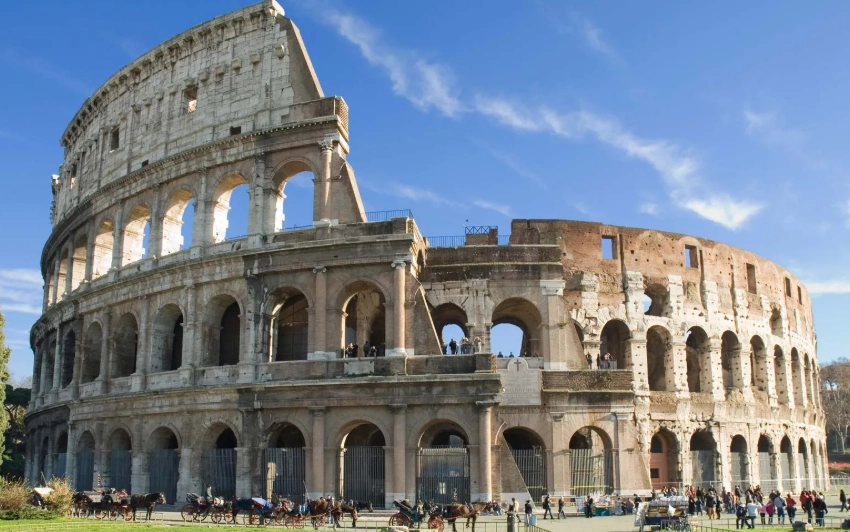
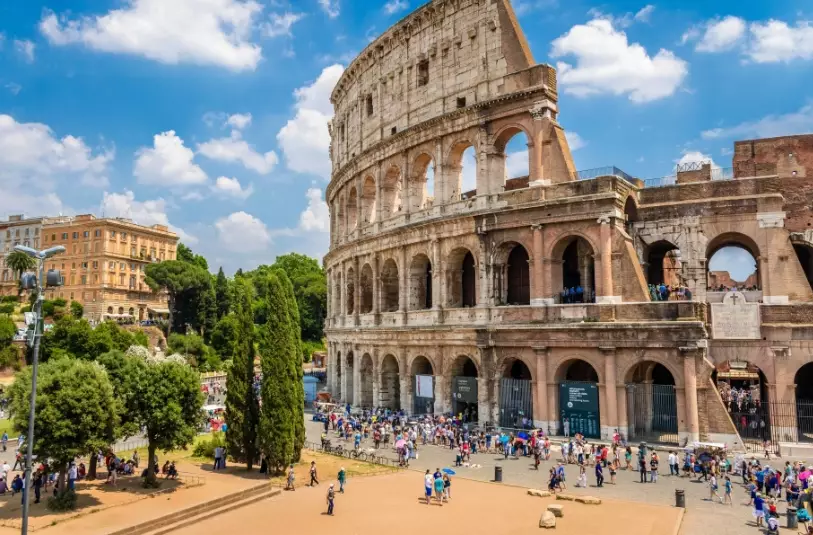
This is the big one. The Colosseum is more than just a stadium; it's the symbol of ancient Roman engineering and brutality. Walking in, you can almost hear the roar of the crowd. But here's my take: the interior can feel a bit… empty if you don't have a guide or a good audio tour to bring it to life. The real magic for me happened in the Roman Forum, right next door. That's where you get a sense of daily life—walking on the same stones as Cicero and Julius Caesar. The Palatine Hill offers the best views over the Forum, a nice quiet(ish) escape.
The Vatican City: Museums, Sistine Chapel & St. Peter's Basilica
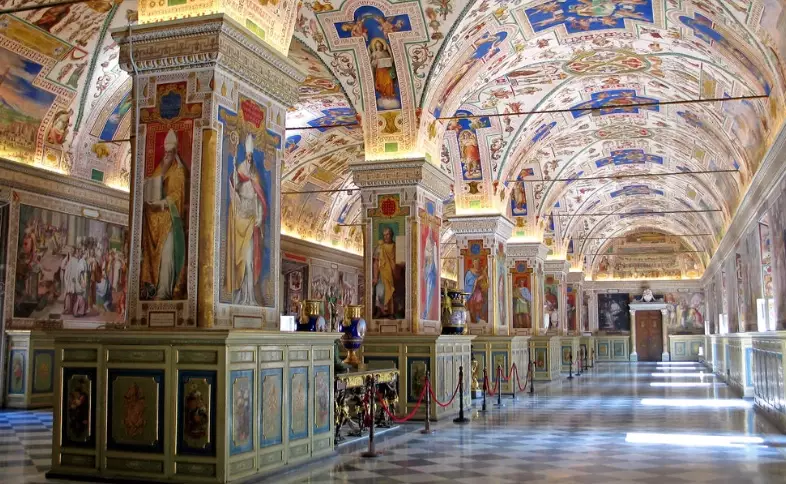
A country within a city. The Vatican Museums are vast—like, "you could spend a week here" vast. The crowd shuffling towards the Sistine Chapel is real, and it can be claustrophobic. Michelangelo's ceiling is, of course, sublime. But don't rush through the Raphael Rooms to get there; they're equally stunning. St. Peter's Basilica is free to enter (though the line is long) and its scale is humbling. Climbing the dome is a workout, but the view of Rome is unbeatable.
The Pantheon
My personal favorite. It's a 2000-year-old temple turned church that has a perfect, unsupported concrete dome with a hole in the center (the oculus). The engineering is mind-boggling. It's free to enter (as of my last visit, though talk of a future ticket persists), centrally located, and never fails to impress. Go when it rains and watch the water fall through the oculus onto the marble floor. It's one of those places to see in Rome that feels almost supernatural.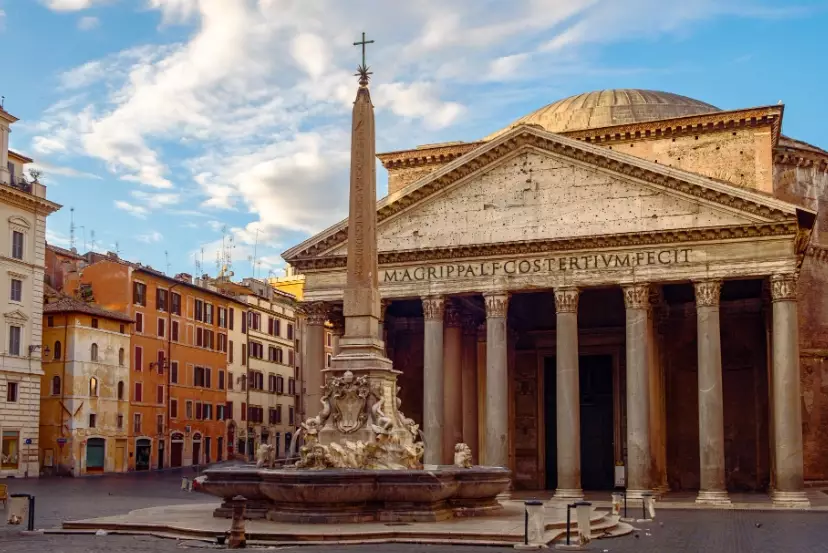
Trevi Fountain & The Spanish Steps
The Trevi Fountain is breathtakingly beautiful… and perpetually packed. Go at dawn if you want a photo without a hundred selfie sticks. Tossing a coin (right hand over left shoulder) is the tradition. The Spanish Steps are elegant, but sitting on them is now prohibited (and fined), which honestly changes the experience. They're more of a "see and walk up" attraction now. Both are essential stops on any Rome itinerary, but manage your expectations for a serene moment.
See what I mean? It's all in the approach.
Beyond the Obvious: More Incredible Places to See in Rome
Once you've checked the big boxes, Rome starts to open up. These sites offer just as much wonder, often with fewer crowds. This is where you build your unique Roman experience.
Ancient Wonders & Ruins
Castel Sant'Angelo: Started as Hadrian's mausoleum, turned into a papal fortress, with tunnels leading to the Vatican. The views from the top terrace are spectacular, especially at sunset. It feels like a castle from a storybook.
The Appian Way & Catacombs: Escape the city center. Rent a bike and ride along the original stones of Ancient Rome's most important road. Then descend into the eerie, fascinating Catacombs of San Callisto or San Sebastiano. A completely different vibe.
Baths of Caracalla: Massive, ruined public baths that give you a sense of Roman social life. They're less crowded than the Forum and incredibly imposing.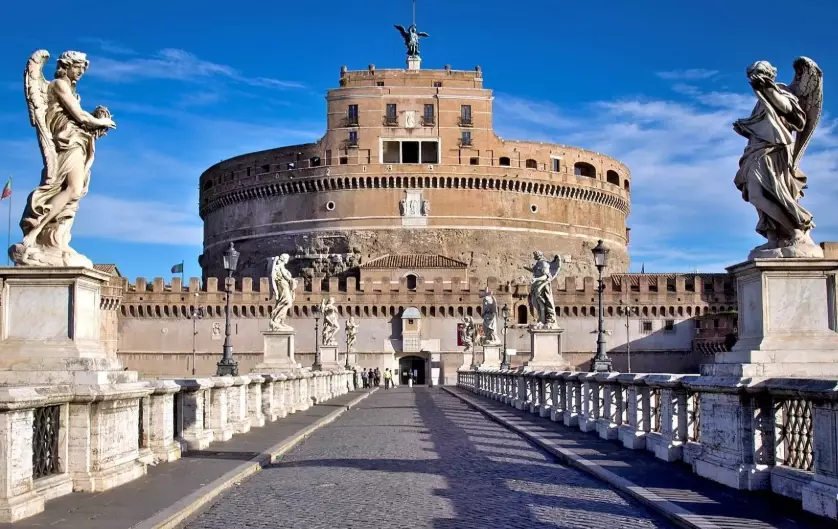
Piazzas, Fountains & Neighborhoods
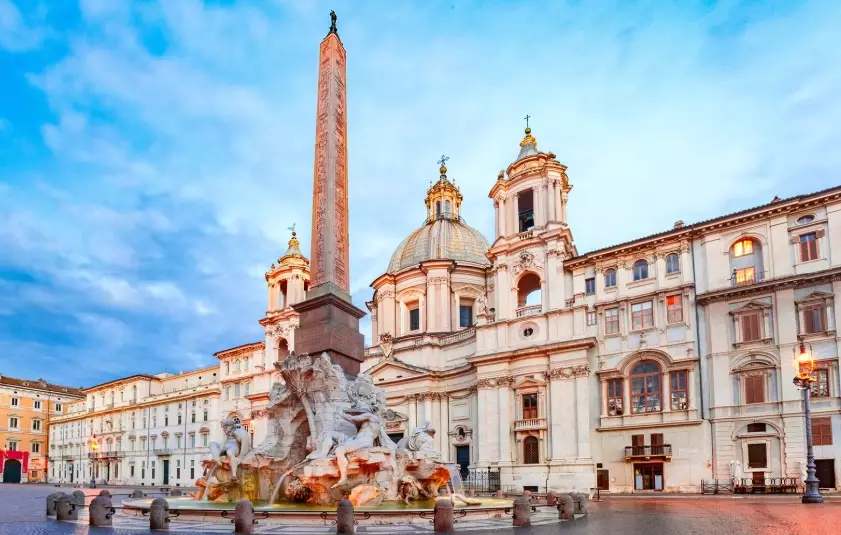
Piazza Navona: Baroque masterpiece with Bernini's Fountain of the Four Rivers at its heart. Always lively, full of artists and cafes. Expensive to sit and drink, but worth it for a brief people-watching session.
Trastevere: This is the Rome of many people's dreams. Cobblestone streets, ivy-covered buildings, tiny trattorias. Come here for dinner, get lost in the side streets, and feel the local atmosphere. It's a non-negotiable part of experiencing Rome's soul.
Campo de' Fiori: A bustling market by morning, a vibrant social hub by night. A great spot for foodies.
Art & Museums (Beyond the Vatican)
Galleria Borghese: This is Rome's premier art gallery, housed in a stunning villa. It houses Bernini's most dramatic sculptures (like "Apollo and Daphne") and Caravaggio paintings. Booking is mandatory and slots are limited, which keeps it blissfully uncrowded. A highlight for art lovers.
Capitoline Museums: The world's oldest national museums, located on Michelangelo's Piazza del Campidoglio. Home to the iconic statue of Marcus Aurelius and the Capitoline Wolf. The view from the cafe overlooking the Forum is a bonus.
MAXXI: A stark contrast to ancient Rome, this is the National Museum of 21st Century Arts, designed by Zaha Hadid. For a dose of modernity, it's fascinating.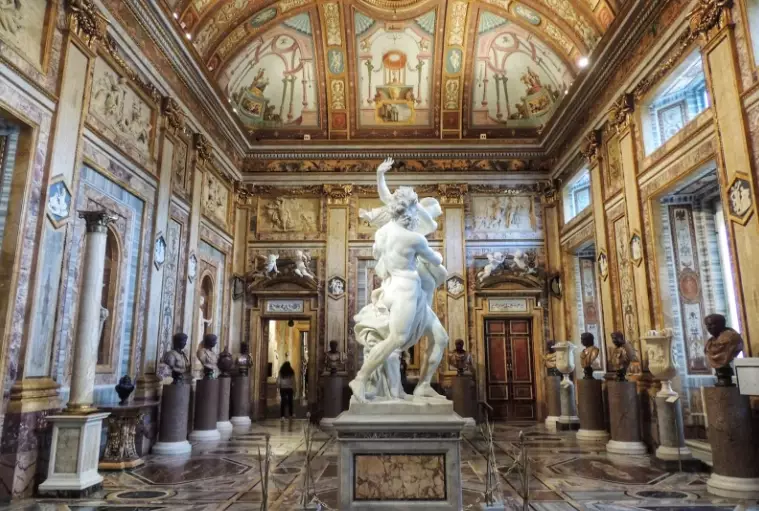
How to Prioritize: A Practical Ranking for Different Travelers
Not all places to see in Rome are created equal for every visitor. Your interests matter. Here’s a brutally honest table to help you decide where to focus your energy.
| Rank | Attraction | Best For | Time Needed | My Honest Take |
|---|---|---|---|---|
| Top 1 | The Pantheon | Everyone, History Buffs, Architects | 30-45 mins | Accessible, awe-inspiring, free. The efficiency champion. |
| Top 2 | Roman Forum & Palatine Hill | History Lovers, Photographers | 2-3 hours | More rewarding than the Colosseum itself. Bring water and comfy shoes. |
| Top 3 | Vatican Museums & Sistine Chapel | Art Aficionados, First-Timers | Half a day | Overwhelming but unmissable. Pre-book or regret it. |
| Top 4 | Trastevere Neighborhood | Foodies, Romantics, Evening Strollers | An evening | The "authentic" Rome vibe. Come hungry. |
| Top 5 | Galleria Borghese | Art Lovers, Those seeking a calm experience | 2 hours | A concentrated dose of genius. The booking hassle is worth it. |
| Consider Skipping If Short on Time | Spanish Steps | Quick photo op | 15 mins | Nice, but you can't sit. Often crowded. Nearby shopping is better. |
See? It's not one-size-fits-all. A food-focused traveler's list of places to see in Rome will look very different from a hardcore history student's.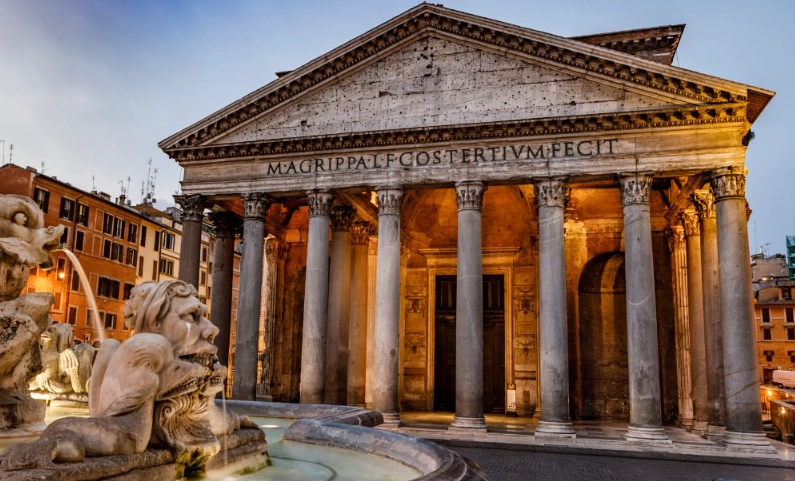
Answers to Your Burning Questions (The FAQ)
I get asked these all the time. Let's clear them up.
Putting It All Together: A Sample Itinerary Framework
Let's make this tangible. Here’s a loose, flexible 4-day plan hitting many of the top places to see in Rome without burnout.
Morning: Colosseum (pre-booked 9am entry).
Late Morning/Afternoon: Roman Forum & Palatine Hill (enter from the Forum side after the Colosseum).
Evening: Walk past the Imperial Forums to the Capitoline Hill for sunset views. Dinner near Piazza Venezia.
Morning: Vatican Museums & Sistine Chapel (pre-booked earliest entry).
Afternoon: St. Peter's Basilica (walk right over). Climb the dome if you have energy.
Evening: Explore the Prati neighborhood nearby or walk to Castel Sant'Angelo as it lights up.
Morning: Pantheon, then coffee at Tazza d'Oro nearby.
Late Morning: Piazza Navona.
Afternoon: Trevi Fountain, then hike up to the Spanish Steps. Do some window shopping on Via dei Condotti.
Evening: Get lost in Trastevere. Find dinner off the main drag.
Option A (Art): Morning at Galleria Borghese (pre-booked). Afternoon relaxing in Villa Borghese park.
Option B (Ancient Roads): Morning exploring the Appian Way and Catacombs.
Option C (Views & Quirks): Aventine Hill for the Orange Garden and Keyhole, then across the river to the authentic Testaccio market for lunch.
Mix and match. The best places to see in Rome reveal themselves when you leave room for a random gelato break or an unplanned courtyard you decided to peek into.
Final Thoughts Before You Go
Rome is a lot. It's noisy, it's chaotic, it's expensive near the sights, and you will walk more than you ever have. But it's also generous with its beauty. You'll find it in the grand piazzas and in the tiny, quiet church with a single Caravaggio that no one is in. The list of places to see in Rome is endless, but your trip doesn't have to be about ticking every box.
Focus on the experiences that call to you. Book the big tickets ahead. Wear blister-proof shoes. Eat pasta carbonara in the place that looks full of locals, not the one with the photos on the menu. And allow yourself to just be there. Let the city wash over you. That's when you stop being a tourist checking off a list and start having a Roman holiday.
Have an amazing trip. And toss a coin in the Trevi for me.
Reader Comments