Quick Navigation
Let's be real for a second. When you think about places to go in Las Vegas, your mind probably floods with images of the Strip—those massive, glowing hotels, the constant ding-ding-ding of slot machines, and crowds of people holding giant neon-colored drinks. And yeah, that's a huge part of it. But if you only stick to that four-mile stretch of Las Vegas Boulevard, you're missing out on about 80% of what makes this city fascinating, weird, and actually livable.
I've been here for years, and I still discover new spots. The goal of this guide isn't to give you another generic list. It's to help you build a trip that mixes the iconic must-sees with the local favorites, the natural wonders just outside the city, and all the practical stuff nobody tells you until you're already here, overpaying for a bottle of water.
So, where are the best places to go in Las Vegas? It depends entirely on what you're after. Let's break it down.
The Core Idea: Your perfect Las Vegas trip balances spectacle with substance. It's okay to spend an afternoon gaping at the Bellagio fountains, but save some energy for a canyon hike or a meal in a neighborhood where the menus don't have pictures on them.
The Iconic Must-Dos (The Strip & Downtown)
You can't come to Vegas and not do some of this stuff. It's like going to Paris and skipping the Eiffel Tower. These are the places to go in Las Vegas that define its global image. Manage your expectations, though. They're often crowded, expensive, and designed to separate you from your money as efficiently as possible. But the spectacle is real.
The Heavy Hitters on the Strip
The Bellagio Fountains & Conservatory: This is, in my opinion, the single best free thing to do on the Strip. The fountains are majestic, especially at night with the hotel as a backdrop. The show runs every 15-30 minutes. The Conservatory inside the hotel is also free and changes completely with the seasons—the Chinese New Year and Christmas displays are insane. Go see it. It's a non-negotiable.
The Venetian Gondola Rides: Corny? Absolutely. Fun? Surprisingly, yes. You glide through the hotel's indoor replica of Venetian canals (or the outdoor one, which is nicer but weather-dependent) while a gondolier sings. It's a uniquely Vegas kind of absurdity. The indoor route feels a bit like a mall ride, but the outdoor one at sunset can actually be romantic, if you can ignore the fact you're in a desert.
High Roller at The LINQ: This is the world's tallest observation wheel. It's a giant Ferris wheel. You get in a pod and it slowly takes 30 minutes to do a full rotation, giving you incredible 360-degree views of the entire city. It's pricey, but the view at night is unparalleled. Pro-tip: The "Happy Half Hour" pods have an open bar inside. The math on that one often works out in your favor.
Local's Strip Hack: The best views of the Strip aren't always from paid attractions. The lobby bar at the Mandarin Oriental (now called the Waldorf Astoria) or the SkyBar at the Waldorf Astoria on the 23rd floor offer stunning, unobstructed panoramic views. You pay for it in your $18 cocktail, but it's cheaper than most observation decks and you get a seat.
Fremont Street Experience (Downtown): This is the old heart of Vegas, covered by a massive LED canopy called the Viva Vision screen. Every night, they put on light and sound shows. The vibe here is gritty, loud, and a lot less polished than the Strip. You'll see street performers, zip-liners flying overhead (SlotZilla), and people of all walks of life. The drinks are cheaper, the rules feel looser, and it has a raw energy the Strip has mostly sanitized away. I prefer it for a few hours of chaotic fun.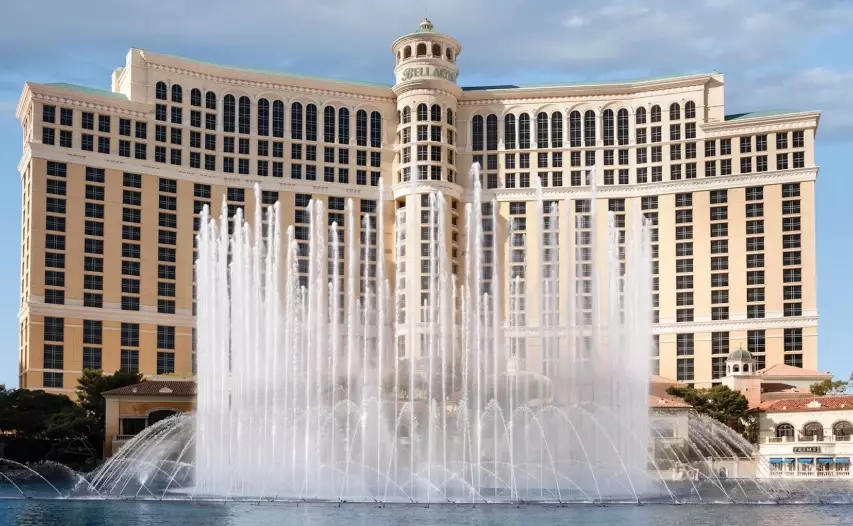
Beyond the Glitter: Hidden Gems & Local Haunts
This is where your trip gets interesting. When you ask a local for the best places to go in Las Vegas, we're not sending you to a casino buffet (unless it's the one at Wynn, which is legitimately good). We're talking about the city that exists for the people who live here.
Arts, Culture & Weirdness
The Arts District (18b): Located just south of Downtown, this is a grid of streets filled with art galleries, vintage shops, quirky bars, and some of the best restaurants in the city that aren't attached to a casino. First Friday of every month is a massive block party with street food, live music, and open galleries. It's the creative pulse of the city. Check out Main Street Provisions for a great meal or Velveteen Rabbit for craft cocktails in a magical setting.
The Neon Museum: This is a must. It's a non-profit outdoor museum, or "boneyard," where old Vegas neon signs go to retire. You take a guided tour through this incredible collection of history and art—the Stardust, the Sahara, iconic letters and figures. It's profoundly cool, especially at night when some signs are restored to light. You need to book tickets well in advance. It's one of the most unique places to go in Las Vegas, hands down.
Area15: This is... hard to describe. It's an immersive entertainment complex that feels like a warehouse party designed by aliens. The anchor experience is Omega Mart by Meow Wolf—a surreal, interactive supermarket that leads into bizarre other worlds. There are also VR experiences, art installations, and bars. It's expensive and can feel a bit corporate in its weirdness, but it's unlike anything else. Go with an open mind and maybe not a huge crowd.
Under-the-Radar Favorite: Container Park in Downtown is a shopping and dining center built entirely out of shipping containers. It's family-friendly during the day with a cool playground, and turns more adult in the evening with live music and bars. The giant preying mantis sculpture at the entrance shoots flames from its antennae. Just Vegas things.
Food & Drink Scenes (Not on the Strip)
Forget the celebrity chef temples for one meal (unless that's your splurge). The real culinary action is in the neighborhoods.
Chinatown on Spring Mountain Road: This isn't a traditional Chinatown with gates; it's a sprawling stretch of Spring Mountain Road west of the Strip. It's the best place to go in Las Vegas for authentic, mind-blowing Asian food. You can find incredible Vietnamese pho, Korean BBQ where you cook at your table, hand-pulled Chinese noodles, Japanese ramen shops, and all-night dessert cafes. Just pick a plaza, look for a place with a line of people (not tourists), and go in.
Southwest & Summerlin: These are affluent residential suburbs, and their restaurant scenes are top-notch without the Strip markups. In Summerlin's Downtown Summerlin area, you'll find a beautiful outdoor mall with great restaurants. The Southwest has amazing local gems for everything from sushi to Italian.
My personal rule? If the restaurant has a free parking lot and no slot machines, you're probably in for a better, more authentic meal.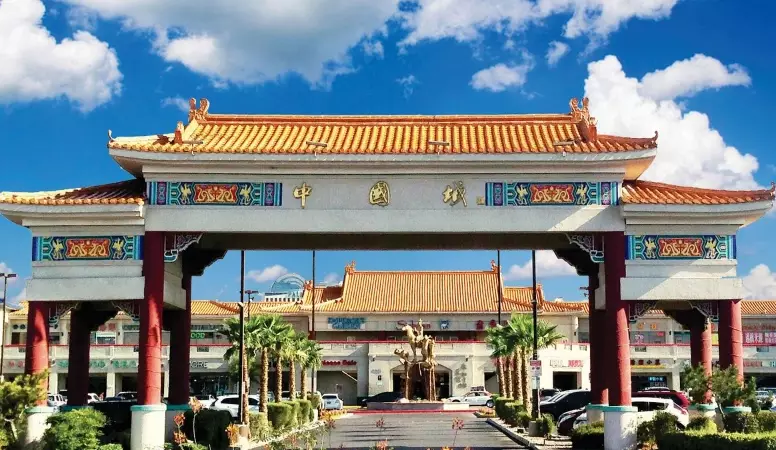
Nature's Playground: Day Trips & Outdoor Adventures
This is the biggest secret. Las Vegas is surrounded by some of the most dramatic and accessible natural landscapes in the U.S. Renting a car for a day is the best investment you can make.
| Day Trip Destination | Distance from Strip | What to Do There | Why It's Worth It |
|---|---|---|---|
| Red Rock Canyon National Conservation Area | ~20 miles (30 mins) | Hiking, scenic 13-mile drive, rock climbing, photography. Trails like Calico Tanks offer amazing views. | Stunning red sandstone formations right on the city's doorstep. The contrast is jaw-dropping. You need a timed entry reservation for the scenic drive. |
| Valley of Fire State Park | ~55 miles (1 hour) | Hiking through vibrant red Aztec sandstone, seeing ancient petroglyphs, exploring formations like Mouse's Tank and Fire Wave. | Even more spectacular and less crowded than Red Rock. It feels like you're on Mars. Go at sunrise or sunset for unreal colors. |
| Hoover Dam | ~40 miles (45 mins) | Guided tours inside the dam, walking across the top, visiting the Mike O'Callaghan–Pat Tillman Memorial Bridge for a top-down view. | An engineering marvel of the modern world. The scale is hard to comprehend until you're standing on it. The history is fascinating. |
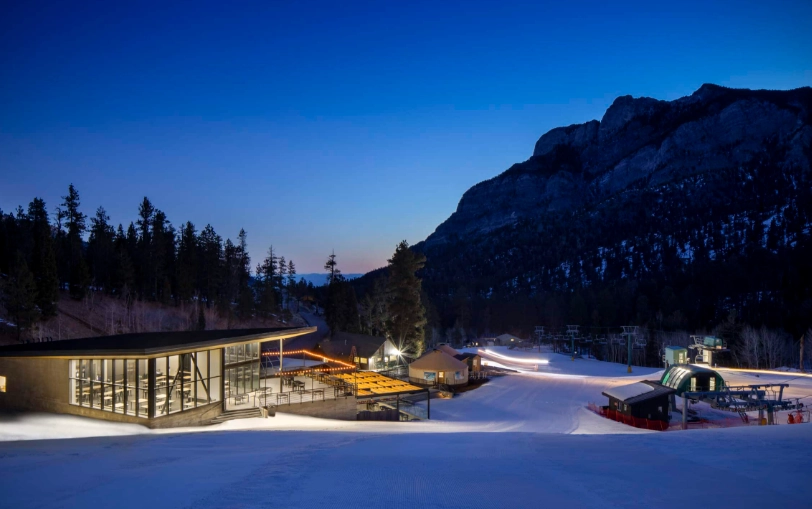
| Mt. Charleston & Lee Canyon | ~35 miles (45 mins) | Hiking among pine forests, escaping the summer heat (it's 20-30°F cooler), winter skiing/snowboarding at Lee Canyon. | The ultimate escape. In July, you can be hiking in 85°F among pine trees while it's 115°F in the city. A complete ecosystem shift. |
I can't stress this enough. If you do one thing outside the casinos, make it a trip to Red Rock or Valley of Fire. It completely changes your perspective on Las Vegas. You realize it's not just an island in the desert; it's a gateway to the desert. The official site for Red Rock Canyon has all the info on reservations and trails. For Valley of Fire, check the Nevada State Parks page.
Practical Vegas: Making Your Trip Smooth
Knowing the cool places to go in Las Vegas is half the battle. The other half is navigating the logistics without stress or overspending.
Getting Around: The Eternal Question
Walking the Strip: It's longer than it looks. What seems like "just one hotel down" can be a 30-minute walk in the heat. Wear very comfortable shoes. The Las Vegas Monorail runs along the east side of the Strip and is good for point-to-point trips between specific stations (like MGM Grand to Sahara). It's not scenic and doesn't go to all hotels, but it's efficient.
Rideshares (Uber/Lyft): The default for most people. Pickup and drop-off are at designated areas in hotel parking lots, often in a giant, confusing maze. Factor in extra time. Surge pricing is brutal on weekend nights.
Renting a Car: A hassle on the Strip due to insane resort parking fees (often $15-25 per day). However, if you plan any day trips, it becomes 100% worth it. Rent for just the day(s) you need it. Use an off-airport rental facility for better rates.
Taxi Warning: Taxis are still everywhere but are almost always more expensive than rideshares for the same trip. Some have been known to take the "long route" with tourists. Just use Uber/Lyft for transparency and cost control.
Timing & Budget Savvy Tips
When to Go: Shoulder seasons (March-May, Sept-Nov) have the best weather. Summer (June-Aug) is brutally hot but has pool season and sometimes lower hotel rates. December is festive but crowded. January-February can be chilly but is great for deals.
Saving Money: Drink water (it's free at any bar while gambling, just ask). Eat one big meal off-Strip. Use player's cards for free drinks while playing penny slots (just tip the waitress $1-2 per drink). Look for "happy hour" menus at even the nicest Strip restaurants—you can sample high-end food for a fraction of the cost.
Remember, the house always wins. Set a gambling budget in cash, and when it's gone, it's gone. Treat it as entertainment cost, not an investment.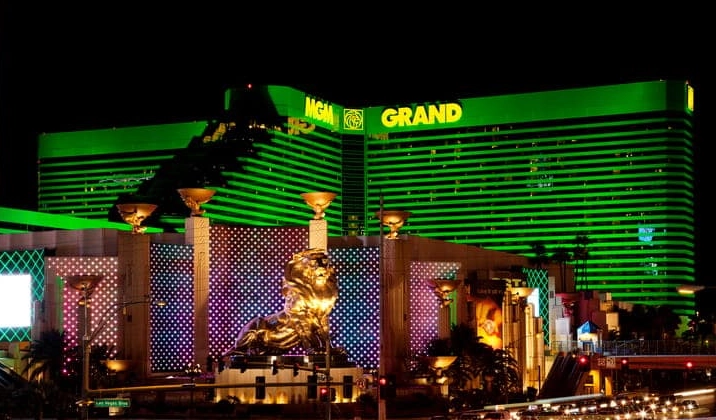
Your Las Vegas Questions, Answered
“Vegas is a dichotomy. It's both the world's largest adult playground and a stunning natural gateway. The best trip embraces both.”
Look, Vegas is a lot. It can be overwhelming, expensive, and exhausting. But it can also be exhilarating, beautiful, and surprisingly diverse. The key is to curate your own experience. Mix the glitter with the grit, the slots with the slot canyons.
Don't just ask what the best places to go in Las Vegas are. Ask what the best places are for you. Want a party? A gourmet journey? An artistic deep dive? A nature reset? It's all here, waiting just off the beaten path.
Now go build an itinerary that would make a local nod in approval. And maybe save a few bucks for a cold drink after that hike. You'll have earned it.
Reader Comments