Your Massachusetts Journey at a Glance
- Boston and Its Immediate Orbit: The Heart of the Matter
- Cape Cod, Islands & The Southeast: Beaches, Whales, and Salt Air
- The North Shore & Merrimack Valley: Witches, Wharves, and Industry
- The Heart of the Commonwealth: Lexington, Concord, and Old Sturbridge Village
- The Berkshires (Western Mass): Culture, Hikes, and Small-Town Charm
- Making Sense of It All: A Quick-Reference Table
- Stuff People Always Ask (The FAQ Section)
- Final Thoughts Before You Go
Let's be honest. When you hear "tourist sites in Massachusetts," your brain probably jumps straight to Boston. Maybe a lobster roll. Possibly some guy in a tri-corner hat. And you're not wrong—those things are definitely here. But if that's all you see, you're missing out on about 90% of what makes this state genuinely special. I've spent years poking around here, getting lost on backroads, eating questionable but delicious food from roadside shacks, and yes, occasionally elbowing my way through the summer crowds on the Freedom Trail. It's a state of layers. You've got the gritty, revolutionary history sitting right next to world-class universities. You've got quiet, forest-covered mountains in the west that feel a million miles away from the salty, sun-bleached beaches of the Cape. Figuring out which tourist sites in Massachusetts are right for your trip can be a puzzle. That's where this comes in.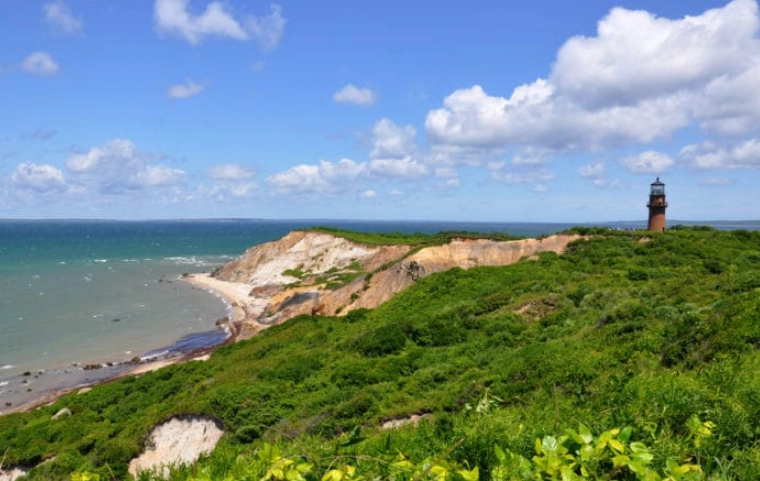
This isn't a dry list copied from a brochure. Think of it as a chat with a friend who's been there, done that, and can tell you what's actually worth your time—and what you can maybe skip if you're short on it. We'll cover the big hitters, because you should see them. But we'll also dive into the places that don't always make the top of every generic list, the spots where you can actually breathe and feel the character of the place.
Before We Dive In: Massachusetts is surprisingly diverse for its size. You can drive from the Rhode Island border to the Vermont line in about 3 hours, but the landscape and vibe change completely. Planning your trip means picking a "zone" or accepting a lot of driving. Most first-timers focus on Boston combined with either Cape Cod or the North Shore (Salem, Rockport). History buffs might add Concord and Lexington. For a relaxed, outdoorsy trip, the Berkshires are unbeatable.
Boston and Its Immediate Orbit: The Heart of the Matter
You can't talk about tourist sites in Massachusetts without starting here. Boston is the anchor. It's walkable, packed with history, and honestly, a lot of fun. But it can also be expensive and crowded. Picking your battles is key.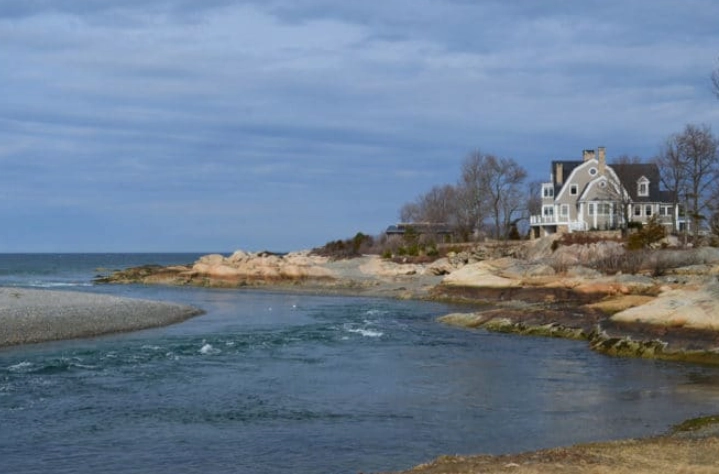
The Freedom Trail: Do You Have To?
Yes. And no. Look, the 2.5-mile red-brick line connecting 16 historically significant sites is iconic for a reason. Walking it gives you a phenomenal physical timeline of the American Revolution. You'll see the Old North Church, Paul Revere's house, the site of the Boston Massacre, and more. My take? Do a part of it. Start at the Boston Common Visitor Center, grab a map, and walk through the North End section. That gets you the best density of cool old buildings and ends you in Boston's Italian neighborhood, which is the perfect excuse for a cannoli from Mike's Pastry or Modern. Trying to do the whole thing, including the Charlestown Navy Yard across the bridge, is a full-day marathon that can leave you footsore and history-overloaded.
Personal gripe time: The Freedom Trail is fantastic, but some of the sites feel a bit...sterile. Small rooms with roped-off areas. The real magic is in the spaces between—the narrow alleys, the old cemeteries, and imagining the city as it was. Don't feel pressured to pay to enter every single stop. Sometimes the outside is enough.
Beyond the Bricks: Boston's Other Personalities
If colonial history isn't your only jam, Boston shines elsewhere. The Museum of Fine Arts is staggering in its collection. The Isabella Stewart Gardner Museum is unlike any other museum you've been to—it's a Venetian-style palace built by an eccentric heiress, and the art is arranged just as she left it. The 1990 art heist (still unsolved!) adds a layer of intrigue. For a modern contrast, the Institute of Contemporary Art in the Seaport District has a killer building perched over the water.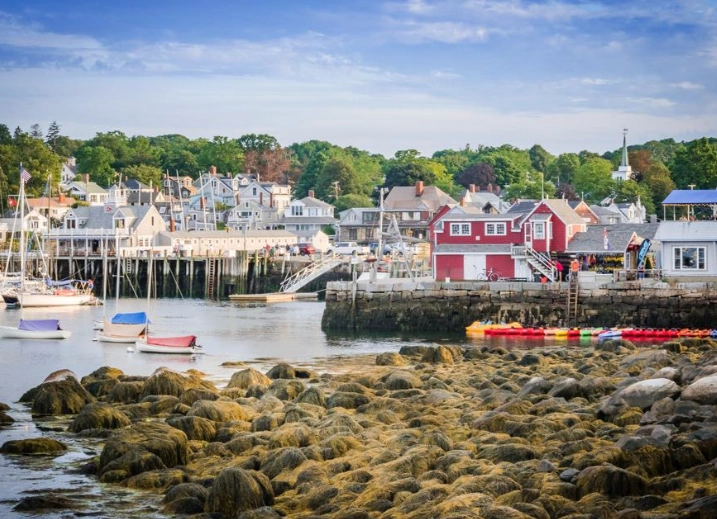
Then there's Fenway Park. Even if you hate baseball, it's an experience. The Green Monster, the old wooden seats, the smell of Fenway Franks—it's a living museum. Catching a game is best, but a ballpark tour is a great alternative if it's the off-season.
Cambridge, just across the Charles River, is worth half a day. Harvard Yard has that classic, cinematic university feel. The Harvard Museum of Natural History has the famous Glass Flowers exhibit—delicate, scientifically precise glass models of plants that will blow your mind. And the food and bookstores around Harvard Square are top-notch.
Pro-Tip for Boston: Get a CharlieCard or use the MBTA app. The "T" (subway) is the easiest way to get around. Driving in downtown Boston is a special kind of stressful I don't recommend for visitors. Also, book museum tickets online in advance during peak seasons—you'll skip huge lines.
Cape Cod, Islands & The Southeast: Beaches, Whales, and Salt Air
This is the postcard Massachusetts for many. The arm-shaped peninsula of Cape Cod and the islands of Martha's Vineyard and Nantucket are summer destinations with a distinct New England coastal charm. It's about seafood shacks, bike paths, lighthouses, and dunes.
The Cape Vibe: The closer you get to the tip (Provincetown), the more dramatic the landscape and the more vibrant, eclectic the towns become. The upper Cape, near the bridges, is more residential. For classic Cape feels, aim for the Mid-Cape (like Dennis, Brewster) or the Lower/Outer Cape (Eastham, Wellfleet, Truro, Provincetown).
Must-Do Coastal Experiences
Whale Watching: This isn't a maybe; it's a must. The Stellwagen Bank National Marine Sanctuary off Provincetown is one of the best whale feeding grounds in the world. Trips from Boston, Gloucester, or Provincetown itself have a near-guaranteed sighting rate in season (April-October). Seeing a humpback whale breach 50 feet from the boat is a memory you keep forever.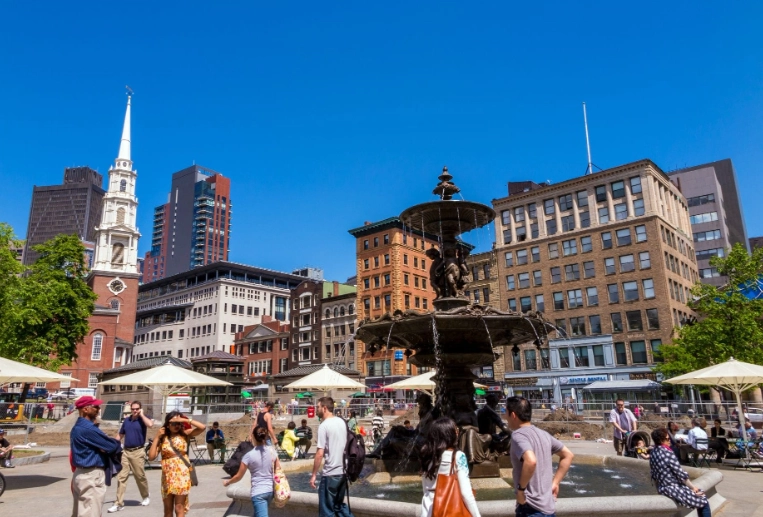
The National Seashore: Don't just go to the crowded town beaches. The Cape Cod National Seashore, protected by the National Park Service, is 40 miles of pristine, protected coastline. Miles of walking/biking trails, vast dunes, and beaches that feel wild. Race Point in Provincetown or Marconi Beach in Wellfleet are stunning.
The Islands: Martha's Vineyard and Nantucket are day-tripable by ferry, but to really feel it, stay overnight. Nantucket feels more polished and historic (those grey-shingled houses with roses!), while Martha's Vineyard has more variety—from the gingerbread cottages of Oak Bluffs to the cliffs of Aquinnah. Both are expensive in summer. A ferry ride is a great experience in itself.
Where to find the best lobster roll? It's a fierce debate.
(My personal, completely non-definitive pick is a simple, mayo-based one from a no-frills shack like The Lobster Shack in Ptown or Sesuit Harbor Cafe in Dennis.)
The North Shore & Merrimack Valley: Witches, Wharves, and Industry
Head north of Boston and the vibe shifts. This is where you find rocky coasts, working fishing ports, and some of the most significant early American history outside of Boston.
Salem: More Than Just Halloween
Salem is utterly swamped in October. I mean, wall-to-wall people. If you can go any other time, do it. The Salem Witch Museum gives a decent overview of the 1692 hysteria, but for a more serious dive, the Peabody Essex Museum is world-class, with incredible maritime and Asian art collections, plus the actual Yin Yu Tang, a 200-year-old Chinese house transported and rebuilt here. Walking the historic streets and seeing the Witch Trials Memorial is a sobering, powerful experience. The kitschy psychic shops are fun, but the real history is what sticks with you.
Gloucester and Rockport
Gloucester is America's oldest seaport, still a hardworking fishing town. The Man at the Wheel statue is an iconic tribute to fishermen lost at sea. Rockport, next door, is its picturesque, art-colony cousin. Motif No. 1 (the red fishing shack) is the most painted/pictured building in the country, probably. Bearskin Neck is a cute, touristy lane of shops and galleries. It's sweet and scenic.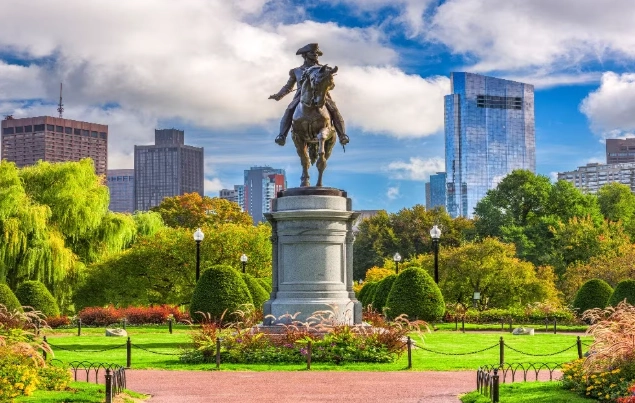
Lowell: The Cradle of the American Industrial Revolution
Often overlooked, Lowell National Historical Park tells a completely different story. It preserves the massive textile mills, canals, and worker housing that powered America's early industry. You can take a canal boat tour, see working looms, and understand the immense change this era brought. It's a fascinating counterpoint to the colonial history elsewhere.
The Heart of the Commonwealth: Lexington, Concord, and Old Sturbridge Village
This is hallowed ground for American history. The first battles of the Revolutionary War happened here in April 1775. Minute Man National Historical Park connects the sites. Standing on the Old North Bridge in Concord, where "the shot heard 'round the world" was fired, is a powerful moment. Nearby, Walden Pond is where Henry David Thoreau did his simple living experiment—it's now a popular (and often crowded) swimming hole.
A bit further west, Old Sturbridge Village is a fantastic, immersive living history museum depicting a rural New England town of the 1830s. Costumed interpreters work the farms, blacksmith shop, and homes. It's incredibly well-done and gives you a tangible sense of daily life 200 years ago. Great for families, but honestly, fascinating for anyone.
The Berkshires (Western Mass): Culture, Hikes, and Small-Town Charm
This is my personal favorite escape. The rolling Taconic and Berkshire mountains are lush and green in summer, explosively colorful in fall, and a snowy wonderland in winter. The pace is slow. The air is clean. And the cultural offerings are bizarrely world-class for such a rural area.
Tanglewood: The summer home of the Boston Symphony Orchestra. You can buy a cheap lawn ticket, bring a picnic, a bottle of wine, and listen to world-class music under the stars. It's pure magic.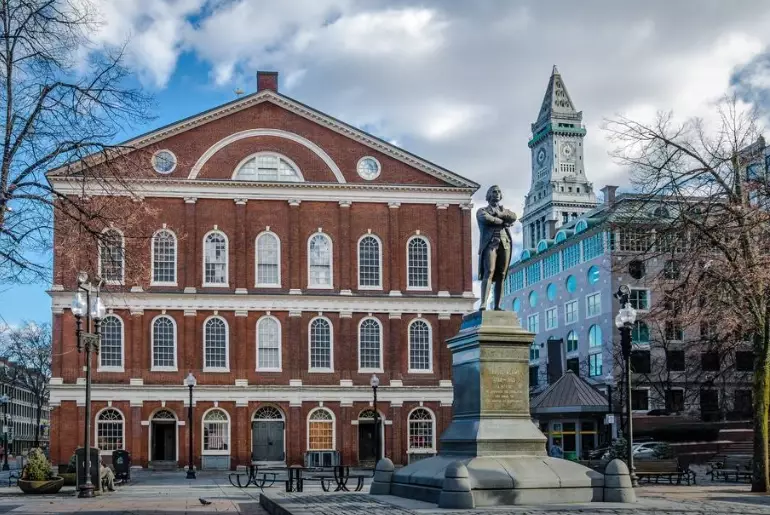
The Clark Art Institute in Williamstown and the Mass MoCA (Massachusetts Museum of Contemporary Art) in North Adams are two of the best art museums in the country. The Clark has an astounding collection of European and American masters in a stunning building. Mass MoCA is housed in a sprawling former factory complex and specializes in massive, immersive installations you can walk through. They're completely different, both unmissable.
Then there's the outdoors. Mount Greylock, the state's highest peak, has a road to the summit and amazing hiking. The Appalachian Trail runs right through here. The Mohawk Trail is a classic scenic drive, especially in October.
When to Go to the Berkshires: Summer for Tanglewood and hiking. Fall for the legendary foliage (book accommodations a year in advance). Winter for cozy inns and skiing at places like Jiminy Peak. Spring is mud season—the quietest (and least glamorous) time.
Making Sense of It All: A Quick-Reference Table
Okay, that's a lot of info. Let's break down the main regions of tourist sites in Massachusetts by what they offer, so you can match them to your travel style.
| Region | Top Vibe/Experience | Best For | Consider If... |
|---|---|---|---|
| Boston & Cambridge | Urban history, world-class museums, food scene, walkable city energy. | First-time visitors, history buffs, foodies, city lovers. | You have at least 2-3 days and don't mind crowds. Easy to combine with a coastal day trip. |
| Cape Cod & Islands | Classic coastal New England: beaches, seafood, lighthouses, biking, relaxed pace. | Beach vacations, families, couples getaways, whale watching. | You're visiting in late spring, summer, or early fall. Winter is very quiet. Can be expensive and traffic-heavy in peak summer. |
| North Shore (Salem, Gloucester) | Maritime history, witch trial history, rocky coastline, working fishing towns. | Day trips from Boston, history with a darker edge, photography. | You want a coastal feel different from the sandy Cape. Salem in October is an experience, but be ready for insane crowds. |
| Heartland (Concord, Lexington, Sturbridge) | Revolutionary War history, classic New England villages, immersive living history. | Deep-dive American history, families with school-age kids, a quieter pace. | You're a history enthusiast or looking for a peaceful, picturesque inland alternative. |
| The Berkshires | Mountain scenery, world-class arts & culture (Tanglewood, museums), outdoor activities, relaxation. | Romantic getaways, arts lovers, hikers, leaf-peepers, a total escape from city life. | You have a car and want a slower, more culturally-rich rural experience. A 2.5-hour drive from Boston. |
Stuff People Always Ask (The FAQ Section)
What's the best time of year to visit tourist sites in Massachusetts?
It depends on your goal. Late May through October is peak season for good reason—the weather is pleasant. September and early October are golden: kids are back in school, weather is perfect, foliage starts. Summer (July-August) is busy everywhere, especially the Cape. Winter can be cold and snowy, but Boston is festive, and skiing is great in the Berkshires. Spring (April-May) is unpredictable but can be lovely with fewer crowds.
Is it better to stay in Boston and do day trips?
For a first trip focusing on eastern Mass, yes. Boston is a great hub. You can easily day-trip to Salem, Gloucester, Lexington/Concord, and even Plymouth. A day trip to the Cape is possible but a long one (2+ hours each way to Hyannis, more to Provincetown). For the Cape, Berkshires, or islands, you're better off basing yourself there for a few nights.
How many days do I need?
A long weekend (3-4 days) is enough for a solid Boston + one region trip (e.g., Boston + Salem, or Boston + a Cape overnight). To really get a feel for the diversity of tourist sites in Massachusetts—say, Boston, the Cape, AND the Berkshires—you'd need a solid 7-10 days to avoid spending your whole trip in the car.
What's the food I have to try?
Lobster roll (hot with butter or cold with mayo), clam chowder (the creamy New England style, not the red Manhattan kind!), fried whole-belly clams, Boston cream pie, and a North Shore roast beef sandwich (like from Kelly's or a local joint). Also, Italian food in Boston's North End.
Is it a good destination for families?
Excellent. Between the interactive history (Plimoth Patuxet Museums, Sturbridge Village, Freedom Trail), great beaches, whale watching, kid-friendly museums (Boston Children's Museum is one of the best in the world), and outdoor activities, there's tons to do. The challenge is pacing—don't try to do too much.
Final Thoughts Before You Go
Massachusetts packs a punch. You could spend a lifetime exploring its nooks and crannies and still find new favorite spots. The key is to not treat it as a checklist. Don't just race from one famous tourist site in Massachusetts to the next.
Slow down. Have that second cup of coffee in a town square. Talk to a local at a dive bar. Get lost on a backroad and stumble upon a farm stand. The history is in the plaques and museums, but the soul of the place is in the salty air, the dense woods, the intellectual buzz of a coffee shop, and the worn-down elegance of a seaside town. Pick a couple of regions that speak to you, dig in, and let the place reveal itself. You'll leave with more than just photos—you'll leave with a real sense of what makes this corner of New England tick.
One Last Practical Tip: For official travel information, event calendars, and seasonal highlights, the Massachusetts Office of Travel & Tourism website is an incredibly useful resource for planning. It's my first stop when checking what's happening in an area I'm visiting.
Reader Comments