Quick Navigation
Let's be honest. Planning a trip to Rome can feel overwhelming. You've got guidebooks, blogs, and a million Instagram posts all screaming about what you "must" see. The Colosseum, the Vatican, the Trevi Fountain... the list is endless. But what if you only have a few days? What's actually worth the often-hectic queues and the summer heat? Which of these top 10 Rome Italy attractions are non-negotiable, and which might you skip if you're tight on time?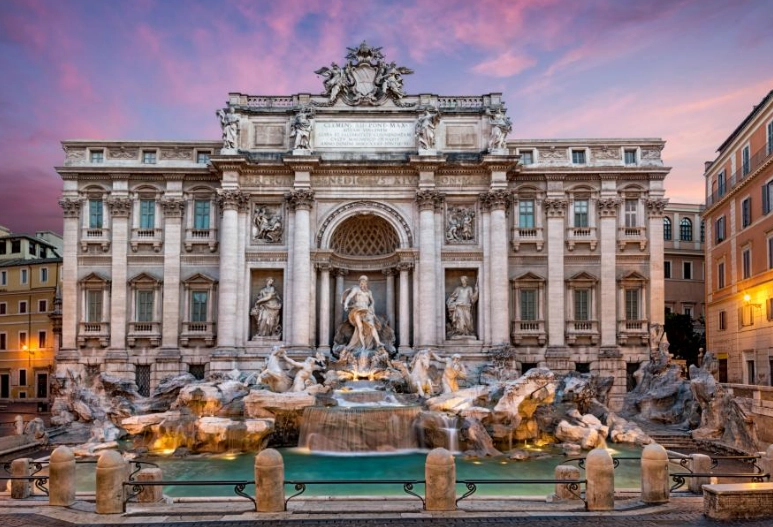
I've been there, map in hand, feet aching, trying to cram it all in. Over multiple visits, I've learned what makes the cut and what doesn't. This isn't just another generic list. This is a practical, no-fluff guide to the top 10 Rome Italy attractions, designed to help you navigate the chaos, save money, and actually enjoy the experience. We'll go beyond the postcard picture and talk about the reality of visiting each spot—the crowds, the tickets, the little secrets that make a difference.
Ready to dive into the heart of the Eternal City?
How to Use This Guide to Rome's Top Attractions
Before we jump into the list, a quick word on strategy. Rome wasn't built in a day, and you definitely can't see it in one. Trying to is the fastest route to burnout. The key is grouping attractions by location. The ancient sites are clustered together. The Vatican is its own world. The Baroque fountains and piazzas are in another walkable zone.
Also, embrace the passeggiata—the evening stroll. Many attractions look magical at night when the crowds thin and the lights come on. The Trevi Fountain, for instance, is a different experience at 11 PM.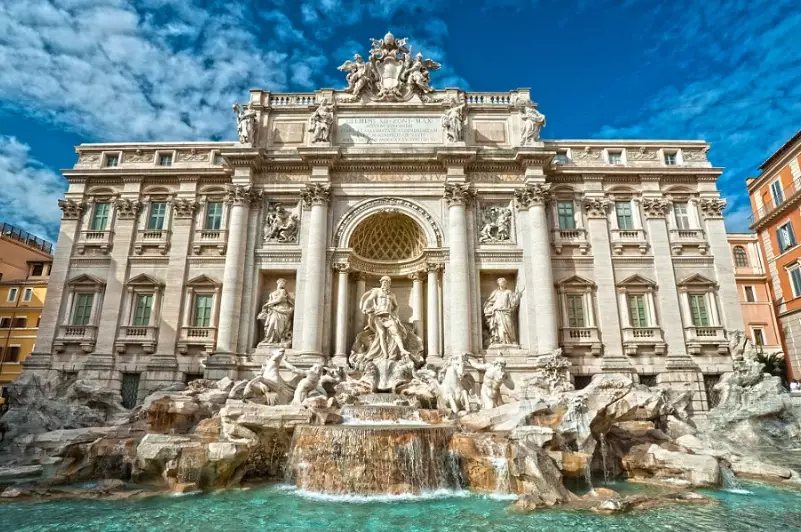
The Definitive List: Top 10 Rome Italy Attractions
Here they are, ranked not just by fame, but by the sheer impact of the experience. This is the core list of top 10 Rome Italy attractions that form the backbone of any great itinerary.
Top 1: The Colosseum (Flavian Amphitheatre)
It's the icon. Nothing prepares you for the first time you walk out of the metro station and see it looming there. It's massive, weathered, and humbling. You're standing in front of a nearly 2,000-year-old stadium that could hold 50,000 screaming Romans. The history is brutal—gladiatorial combats, naval battles (they could flood the arena!), executions—but it's an undeniable engineering marvel.
The inside is a bit of a shell, which surprises some people. The wooden floor is gone, revealing the labyrinthine hypogeum below where animals and gladiators waited. You need your imagination to fill in the gaps.
Is it overrated? No. But it's a managed experience. Don't expect a quiet, contemplative moment. It's a bustling, awe-inspiring historical site.
Top 2: The Vatican Museums & Sistine Chapel
This is less a museum and more a monumental treasure chest assembled by centuries of popes. The sheer volume of art is staggering. You'll walk through halls lined with ancient statues, rooms frescoed by Raphael, and galleries of tapestries and maps. It's a marathon, not a sprint.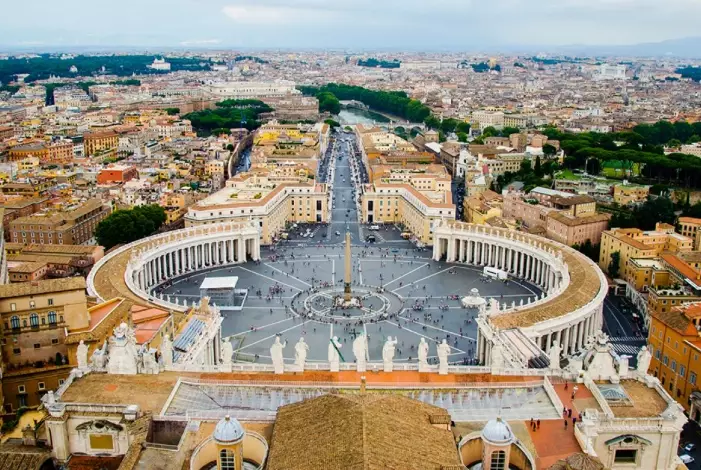
And then you enter the Sistine Chapel. Look, the photos don't do it justice. Craning your neck to see Michelangelo's "Creation of Adam" on the ceiling and the terrifying "Last Judgment" on the altar wall is a physical and spiritual experience. The silence (in theory—guards are constantly going "SHHHHH!" and "NO FOTO!") is heavy.
My advice? Have a target. You'll get museum fatigue. Decide if you want to focus on the classical sculpture (like the famous Laocoön group), the Raphael Rooms, or make a beeline for the Chapel. A guide can help navigate and explain the symbolism, which brings the art to life.
Top 3: St. Peter's Basilica
Even if you're not religious, the scale and opulence of St. Peter's is mind-boggling. It's the largest church in the world. Bernini's colossal bronze baldachin over the papal altar, Michelangelo's exquisite "Pietà" (behind glass now, sadly), the sheer acreage of mosaic and marble... it's designed to overwhelm the senses and impress upon you the power of the Church.
The climb to the top of the dome is a rite of passage.
It starts with an elevator (for a fee) that takes you to the base of the dome's interior. You can look straight down into the basilica—a dizzying view. Then, you take on the final 320 steps. The staircase narrows, the walls curve, and you're literally squeezing between the inner and outer shells of the dome. When you emerge at the top, with all of Rome and Vatican City spread below you, the effort is 100% worth it.
Top 4: The Roman Forum & Palatine Hill
This is the heart of ancient Rome, the political, religious, and commercial center. While the Colosseum is the star, the Forum is the sprawling, evocative set where history happened. It's a sprawling archaeological park. You'll see the ruins of temples, basilicas, and the Senate House where Julius Caesar was (posthumously) deified.
Right next to it, Palatine Hill is the posh ancient neighborhood. Legend says this is where Romulus founded the city. It's quieter, greener, and offers the single best panoramic view over the Forum. You can look down and piece together the layout. The ticket is combined with the Colosseum, so you're getting three of the top 10 Rome Italy attractions in one go.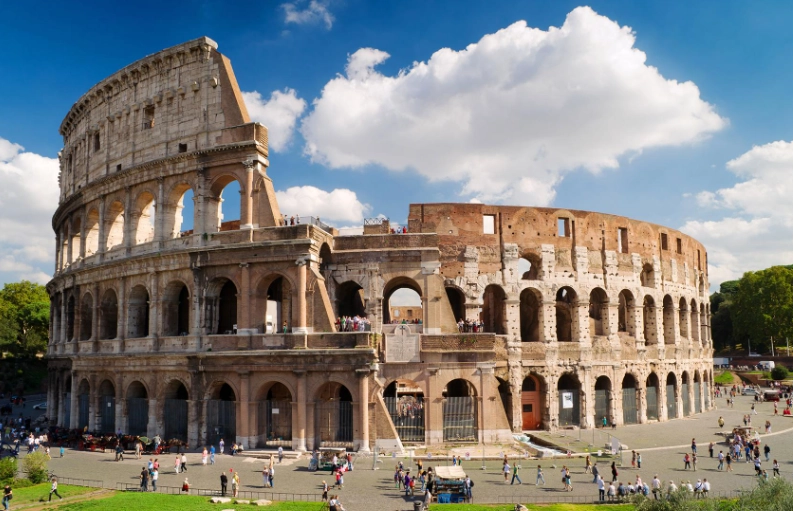
Top 5: The Pantheon
This is my personal favorite. It's a perfect, preserved time capsule. Built as a temple to all the gods (pan-theon) around 126 AD, it's been a continuous place of worship for nearly 1,900 years. The outside is impressive, but it's the inside that steals your breath.
The dome is a miracle of Roman engineering—still the world's largest unreinforced concrete dome. The oculus, the 30-foot hole in the center, is the only source of light. It creates a moving spotlight on the marble floor and lets in rain and birds (they have drains in the floor!). It's free to enter (as of my last visit, though there's talk of a future fee for non-locals), and the line moves quickly. Go in, find a spot to sit, and just look up. It's humbling.
Top 6: Trevi Fountain (Fontana di Trevi)
It's crowded. Insanely crowded during the day. A sea of selfie sticks and people jostling to toss their coin (right hand over left shoulder, by the way, if you want the legend of returning to Rome to come true). The sculpture of Oceanus and his horses is dramatic and beautiful, but the atmosphere can feel more like a theme park than a historic site.
So here's the secret: visit late at night. After 11 PM, the crowds dissipate. You can hear the water. You can sit on the steps without being in someone's photo. The fountain is lit dramatically. It becomes romantic and magical, the way it's supposed to feel. This nighttime visit is what solidifies its place on any list of top 10 Rome Italy attractions.
Top 7: Piazza Navona
This is Rome's living room. Built on the ruins of Domitian's stadium (you can still see its shape), it's a vast, elegant Baroque square dominated by Bernini's incredible "Fountain of the Four Rivers." The obelisk-topped fountain, with its muscular figures representing the Nile, Ganges, Danube, and Río de la Plata, is a masterpiece of drama and motion.
The square is always buzzing with artists, street performers, tourists, and locals. The cafes lining the piazza are famously overpriced—you're paying for the view. Grab a gelato instead and just wander. It's a perfect place for people-watching and feeling the pulse of the city.
Top 8: Spanish Steps & Piazza di Spagna
p>Another iconic spot that has recently changed. You can no longer sit on the Spanish Steps. The rules were enforced to preserve the monument, and now guards will whistle you off if you try. It's a bit of a shame, as lounging on the steps with a gelato was a classic Roman experience.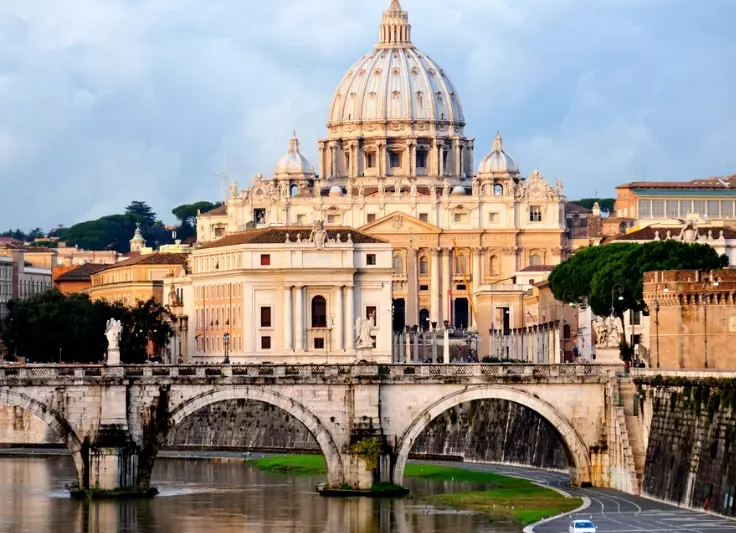
Still, the elegant sweep of the 135 steps leading up to the Trinità dei Monti church is beautiful. The Barcaccia fountain by Pietro Bernini (Gian Lorenzo's father) at the base is charming. The area is super high-end shopping (Via dei Condotti). It's worth a walk-through, especially in the spring when the steps are decorated with azaleas. Manage your expectations—it's now more of a "look, don't touch" attraction.
Top 9: Castel Sant'Angelo
This cylindrical fortress on the banks of the Tiber has had more careers than most actors. It started as Emperor Hadrian's mausoleum, became a papal fortress and prison (connected to the Vatican by a secret passageway, the Passetto), and is now a museum. Its layered history is fascinating.
The real reward is the view. From the top terrace, you get a stunning 360-degree panorama of Rome, with St. Peter's Dome perfectly framed. It's less crowded than other major sites, and walking through its ancient halls, prison cells, and papal apartments feels like a journey through time. It's a fantastic alternative perspective on Roman history.
Top 10: The Borghese Gallery (Galleria Borghese)
This is the gem for art lovers. Housed in a beautiful villa in the vast Borghese Gardens, it's a manageable, world-class collection. You'll find some of Bernini's most breathtaking sculptures here—"Apollo and Daphne," where marble turns into fleeing flesh and bark, and "The Rape of Proserpina," where Pluto's fingers seem to sink into her thigh. It's breathtaking.
There are also masterpieces by Caravaggio, Raphael, and Titian. The catch? You must reserve a timed entry ticket well in advance. They only allow a limited number of people in every two hours, which is why the experience is so peaceful and uncrowded. It's a breath of fresh, cultured air after the bustle of the forums and piazzas.
Planning Your Visit: Tickets, Timing & Transport
Knowing the top 10 Rome Italy attractions is one thing. Actually seeing them efficiently is another. Here’s a quick-reference table to help you plan the practicalities for these major sites.
| Attraction | Booking Advice | Best Time to Visit | Nearest Metro/Tram |
|---|---|---|---|
| Colosseum, Forum, Palatine | Essential. Book timed slot on CoopCulture. "Full Experience" for underground. | First slot (8:30 AM) or last entry. | Colosseo (Line B) |
| Vatican Museums | Essential. Book skip-the-line ticket or guided tour on official site. | Wednesday (Papal Audience day) can be lighter? Early morning slots. | Ottaviano (Line A) |
| St. Peter's Basilica | Free entry. Long queue. No skip-the-line for free entry. | Early morning (7 AM) or late afternoon. | Ottaviano (Line A) |
| Pantheon | Free (for now). Line moves fast. | Morning on a weekday. | Barberini (Line A) then walk. |
| Borghese Gallery | Mandatory. Reserve weeks ahead on official site. | Any booked slot is good due to crowd limits. | Spagna (Line A) then walk through gardens. |
Getting around: Rome's historic center is best explored on foot. The metro (Line A and B) is useful for reaching the Vatican (A) and Colosseum (B). For everything else—the Trevi, Pantheon, Navona, Spanish Steps—you'll be walking charming, narrow streets. Wear good shoes. Seriously.
Beyond the Top 10: If You Have More Time
If you've conquered the top 10 Rome Italy attractions and still have energy, Rome has layers upon layers to explore.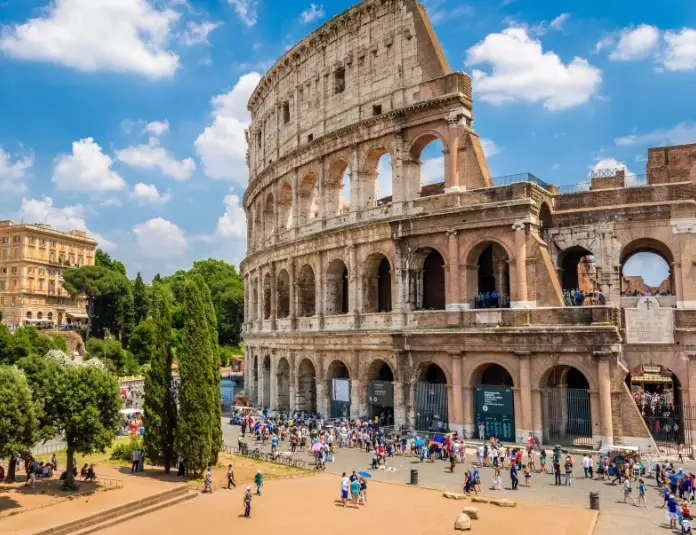
Consider the Appian Way (Via Appia Antica). Rent a bike and ride along the original Roman cobblestones, past ancient tombs and catacombs. It's a completely different, peaceful side of Rome. The Capuchin Crypt is a macabre but fascinating stop, decorated with the bones of thousands of monks. For a stunning city view without the dome-climbing, head to the Gianicolo (Janiculum Hill).
And don't forget to just wander. Get lost in Trastevere across the river, with its ivy-clad buildings and lively trattorias. The best meals and moments often happen when you step off the checklist.
Your Rome Attractions Questions, Answered
Let's tackle some of the specific questions people have when searching for the top 10 Rome Italy attractions.
Rome is a city that demands to be felt, not just checked off. Use this guide to the top 10 Rome Italy attractions as your roadmap, but let the city's own rhythm guide your steps once you're there. Buon viaggio!
Reader Comments