Your Essential Spain Guide
- The Undisputed Heavyweights: Must-See Cities
- Beyond the Big Three: Gems That Steal Your Heart
- For the Landscape Lovers: Natural Wonders & Quiet Corners
- Building Your Dream Trip: Itineraries & Practical Magic
- Let's Answer Your Burning Questions (The Stuff You Actually Google)
- The Final, Most Important Piece of Advice
Honestly, planning a trip to Spain can feel a bit like standing in front of a tapas bar for the first time – everything looks amazing, you want to try it all, but you know you can't, and you don't know where to start. Should you chase Gaudí's dreams in Barcelona, lose yourself in the Alhambra's halls, or just park yourself on a Costa del Sol beach for a week? The classic "places to see in Spain" lists often throw a dozen cities at you without much context. It's overwhelming.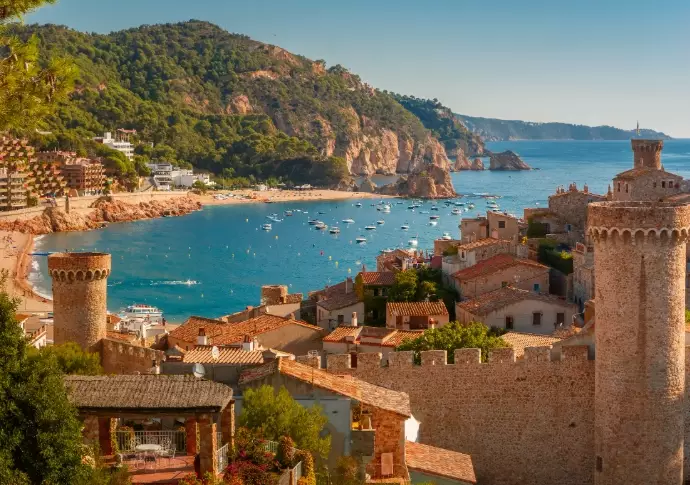
I've been there, trying to cram Seville, Madrid, and Barcelona into one week (a terrible idea, by the way). What you really need is a guide that sorts the essential from the optional, matches destinations with your travel style, and gives you the real, practical scoop. That's what this is. We're not just listing spots; we're figuring out which places to see in Spain are right for you, whether you're a history nut, a food pilgrim, or just in desperate need of some sun.
The Core Idea: Spain's Personality is Regional
Forget thinking of Spain as one uniform country. The magic – and the key to planning – is understanding its fiercely independent regions. The vibe in windswept Galicia is worlds apart from sun-baked Andalusia or trendy Catalonia. Your trip will be ten times better if you pick a region or two and dive deep, rather than bouncing between airports. So, where do you even begin?
The Undisputed Heavyweights: Must-See Cities
Let's get the big names out of the way first. These are on every list for a reason. They're popular, yes, but they're popular because they're genuinely spectacular. The trick is knowing how to approach them.
Madrid: The Unfiltered Heart
Madrid doesn't always get the romantic press that Barcelona does, and I think that's a shame. It feels more... Spanish. Less tailored for tourists, more a living, breathing capital. The energy on a Sunday afternoon in El Retiro Park, the relentless buzz of Gran Vía, the sheer density of world-class art in the "Golden Triangle of Art" (the Prado, Reina Sofía, and Thyssen-Bornemisza) – it's intense in the best way.
My advice? Don't just museum-hop. Spend an evening in the literary quarter, Barrio de las Letras, where Cervantes once lived. Have a caña (small beer) and a plate of boquerones (anchovies) in a crowded, noisy bar in La Latina. The soul of Madrid is in these everyday moments. For official opening hours and collections, the Museo del Prado's website is an essential resource for planning.
Barcelona: Gaudí's Playground & Mediterranean Cool
Barcelona is a sensory explosion. The Catalan capital is a wild mix of Gothic alleyways, surreal modernist architecture, and beach culture. The Sagrada Família is the headline act, and it deserves to be. Seeing light pour through those stained-glass windows is a religious experience, regardless of your faith. Book tickets weeks in advance on their official site.
But beyond Gaudí, get lost in the Gràcia neighborhood. It feels like a village within the city, with fantastic plazas for tapas. And yes, La Rambla is there. Walk down it once for the experience, then immediately escape into the warren of streets in the Gothic Quarter or El Born. That's where the real character is.
Seville: The Soul of Andalusia
If you want flamenco, orange trees, Moorish palaces, and scorching passion, Seville is your place. The Alcázar is a stunning maze of palaces and gardens that makes you feel like you've stepped into a fairy tale (it was actually used as a filming location for Dorne in *Game of Thrones*). The Seville Cathedral, the largest Gothic cathedral in the world, is next door, with the Giralda bell tower offering epic views.
The real magic happens at night. Wander the Santa Cruz neighborhood, the old Jewish quarter, after dark. Find a small tablao for an intimate, authentic flamenco show (skip the big, overpriced dinner-show ones). The intensity of the performance in a tiny room is unforgettable.
So those are the big three. But Spain has so much more to offer beyond its most famous cities. What if you want something a little different?
Beyond the Big Three: Gems That Steal Your Heart
This is where your trip gets special. Choosing one or two of these can define your entire Spanish experience.
Granada: The Alhambra & Free Tapas
Granada sits in the foothills of the Sierra Nevada mountains, and it's dominated by one thing: the Alhambra. This sprawling fortress-palace complex is the pinnacle of Moorish architecture in Europe. The detail in the Nasrid Palaces is mind-boggling. You must book your ticket with a palace entry time slot the second you know your travel dates. They sell out. The official Alhambra Patronato website is the only place you should buy from to avoid scams.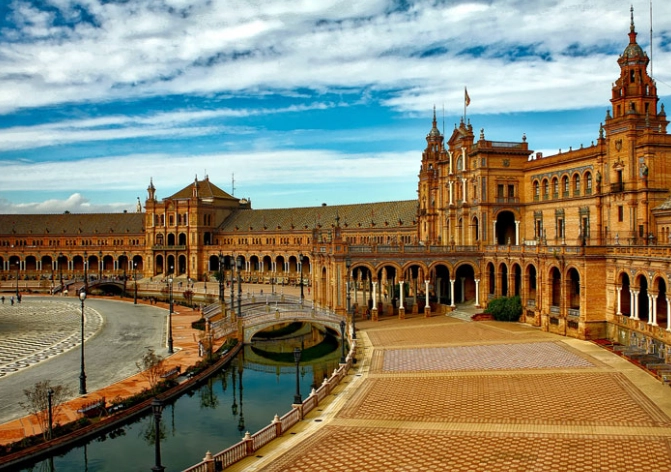
But Granada has another legendary perk: with every drink you order in most bars, you get a free tapa. Not just a bowl of olives, but proper little plates of food. It's a fantastic (and budget-friendly) way to eat and drink your way through the Albayzín, the old Moorish quarter with chaotic, whitewashed streets and views of the Alhambra at sunset.
Valencia: Paella, Futurism & a Green River
Valencia often gets overlooked, which is crazy. It's this perfect blend of historic old town, avant-garde architecture, and beach. The City of Arts and Sciences is a futuristic complex that looks like it landed from another planet. It's worth seeing even if you don't go into the museums.
This is also the birthplace of paella. For the real deal, head to the beach suburb of El Palmar or look for restaurants in the city that serve it for lunch (real paella is a midday dish, not dinner). And then there's the Turia Gardens – a 9km-long park created in a diverted riverbed that cuts through the city. It's the city's cycling, running, and relaxing backbone.
San Sebastián: A Foodie's Pilgrimage
Up in the Basque Country, San Sebastián is simply one of the most beautiful cities in Europe. Its shell-shaped La Concha beach is postcard-perfect. But people come here for one thing: the food. It has more Michelin stars per capita than almost anywhere else on Earth.
The real joy, though, is pintxos (the Basque version of tapas). The Parte Vieja (Old Town) is a dense grid of bars, each with a counter piled high with intricate, delicious bites on pieces of bread. You grab a plate, point, eat, have a small drink, pay, and move to the next bar. It's a culinary crawl of the highest order.
Okay, so we've covered major cities and iconic towns. But maybe you're not a city person at all. What then?
For the Landscape Lovers: Natural Wonders & Quiet Corners
Spain's geography is wildly diverse. From snow-capped mountains to volcanic islands and desert-like plains, the places to see in Spain for nature are just as compelling as its cities.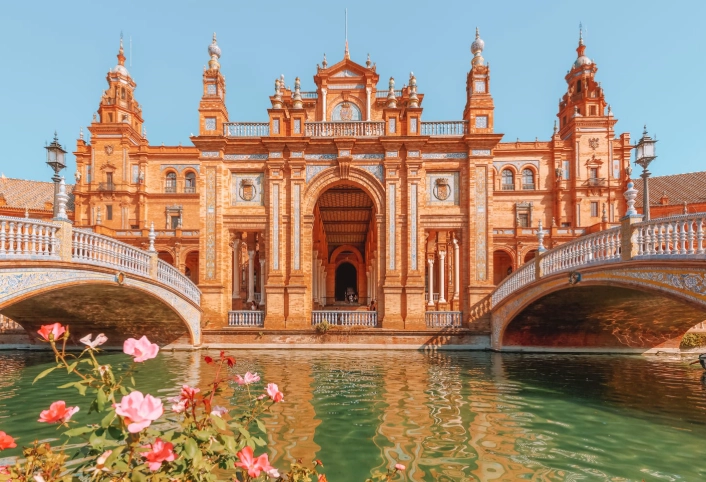
The Camino de Santiago: More Than a Hike
This isn't a single place, but an experience. The Camino de Santiago is a network of pilgrimage routes leading to the cathedral of Santiago de Compostela in Galicia. You don't have to be religious to do it. The beauty is in the slow travel, the changing landscapes (from the Pyrenees to the meseta plains to the green hills of Galicia), and the camaraderie with other pilgrims. Even walking the last 100km (the minimum to get the official "compostela" certificate) is a life-changing week.
Mallorca (Beyond the Beach Resorts)
The mention of Mallorca might conjure images of packed German party beaches. Ignore that. The interior of the island and its northern coast are stunning. The Serra de Tramuntana mountain range, a UNESCO World Heritage site, is laced with hiking trails and dotted with picturesque stone villages like Valldemossa and Deià. Rent a car and explore the winding coastal roads – it's one of the great European drives.
Ronda & the Pueblos Blancos of Andalusia
Perched on either side of a deep, sheer gorge, Ronda is breathtaking. The Puente Nuevo bridge connecting the old and new towns is an engineering marvel. Ronda is the most famous of Andalusia's "Pueblos Blancos" (White Towns), but the region is full of them. Drive from Ronda to towns like Grazalema or Zahara de la Sierra through rolling hills and cork oak forests. It feels like stepping back in time.
With so many options, how do you possibly choose? Let's make it practical.
Building Your Dream Trip: Itineraries & Practical Magic
Here’s where we move from "what" to "how." Let's match some destinations together based on time and interest. These aren't rigid, just springboards.
| For This Kind of Traveler... | Recommended Core Destinations | Why It Works | Time Needed |
|---|---|---|---|
| The First-Timer & Culture Maximizer | Madrid, Toledo (day trip), Seville, Granada | Hits the iconic art, Moorish history, and Andalusian passion. Excellent high-speed train (AVE) links between Madrid and Seville. | 10-12 days |
| The Mediterranean Mix | Barcelona, Costa Brava (e.g., Girona, Cadaqués), Valencia | Art, architecture, fantastic food, and beach time. Great mix of city energy and coastal relaxation. | 10-14 days |
| The Deep Dive: Northern Soul | San Sebastián, Bilbao (for the Guggenheim), Rioja wine region, Pamplona, Pyrenees hiking | World-class food, stunning green scenery, unique culture, and fewer crowds. A road trip paradise. | 10-14 days |
| The Slow & Scenic | Last 100km of the Camino (Sarria to Santiago), then Rías Baixas (Galician coast) | A deeply immersive, physically rewarding experience followed by seafood feasts in green, rainy Galicia. | 10-12 days |
See? It's about connecting places that make geographical and thematic sense. Trying to do Barcelona and Seville in a one-week trip means too much time in transit.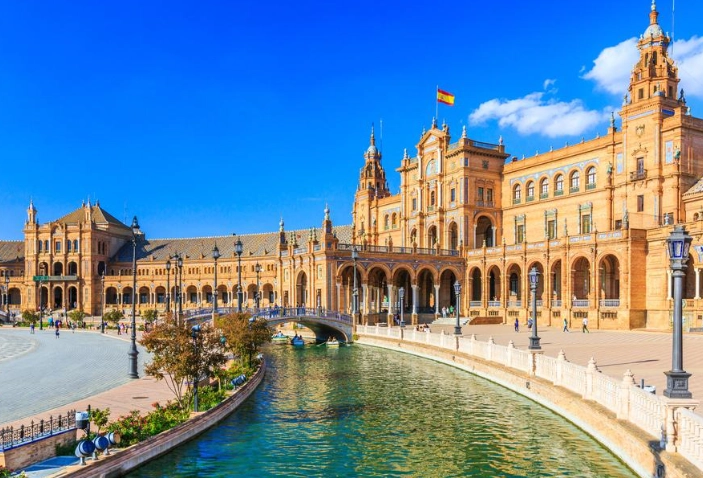
When to Go: It Makes All the Difference
Spain isn't a year-round summer destination everywhere. July and August in Seville or Córdoba can be brutally hot, while those months are perfect for San Sebastián or the northern coast. Conversely, winter in Madrid can be cold, but it's lovely for exploring Andalusia. Spring (April-June) and Fall (September-October) are generally golden across most of the country – pleasant weather and fewer crowds.
I made the mistake of going to Córdoba in August once. The Mezquita was magnificent, but by 11am, moving felt like wading through soup. Lesson learned.
Let's Answer Your Burning Questions (The Stuff You Actually Google)
Generally, yes, very. Spain is one of the safer countries in Europe for travelers. The main issues in big cities are pickpocketing in tourist hotspots (Las Ramblaas, Puerta del Sol, museums). Use common sense: don't flash expensive jewelry, keep your bag in front of you in crowds, and be wary of distracting "friendly" strangers. As a solo traveler, I've always felt comfortable in bars and restaurants, even eating dinner alone.
It's hugely variable. A rough guide:
- Budget: €50-70 (hostel dorms, supermarket meals/menu del día lunches, public transport).
- Mid-Range: €100-150 (private room/budget hotel, eating at casual restaurants, some taxis, paid attractions).
- Comfortable: €200+ (nicer hotels, fine dining, guided tours, renting a car).
Remember, smaller towns are often cheaper than Barcelona or Madrid.
In major tourist cities and resorts, you can get by with English. But learning even a few basic phrases (Hola, Gracias, Por favor, La cuenta) is a sign of respect and will be warmly received. In rural areas and smaller towns, Spanish (or in regions like Catalonia or the Basque Country, a few local words) becomes much more necessary. A translation app on your phone is a lifesaver.
This catches everyone off guard. Adjust your clock:
- Desayuno (Breakfast): Light, 8-10am. Coffee and a pastry.
- Almuerzo (Lunch): The main meal. 2-4pm. Many restaurants offer a great-value "menú del día" (fixed-price lunch).
- Merienda (Snack): 5-7pm. A coffee or a small bite.
- Cena (Dinner): 9-11pm. Lighter than lunch.
Most restaurants don't even open for dinner until 8:30pm. Embrace the late schedule!
The Final, Most Important Piece of Advice
After all this talk of the best places to see in Spain, the must-dos, and the itineraries, here's the real secret: leave room for the unplanned.
Some of my best Spanish memories have no name on a map. It's the spontaneous flamenco performance that spilled into a Seville street. It's the family-run bodega in a Rioja village where no one spoke English, but we communicated through gestures and smiles over glasses of tempranillo. It's getting lost in the narrow streets of a pueblo blanco and stumbling upon a plaza with a single fountain.
Use this guide to pick your anchor destinations – the essential places to see in Spain that call to you. Book your key accommodations and a few can't-miss tickets (Alhambra, Sagrada Família). And then, let Spain happen to you. Wander without a map. Sit at a bar and just watch. Follow a interesting-looking street. Say yes to the local's recommendation for a restaurant.
That's when you move from seeing Spain to feeling it. And that's the trip you'll remember forever.
Buen viaje.
Reader Comments