Let's be honest. Trying to figure out the best places to visit in the US can feel completely overwhelming. I remember planning my first big cross-country road trip. I had maps (the paper kind, this was a while back) and guidebooks spread across the floor, and I just stared at them. The country is massive. Do you chase the neon lights of cities, the silent majesty of mountains, or the quirky charm of small towns? The options are endless, and that's the problem. It's easy to get paralyzed by choice or, worse, end up following the same worn-out tourist trail everyone else does.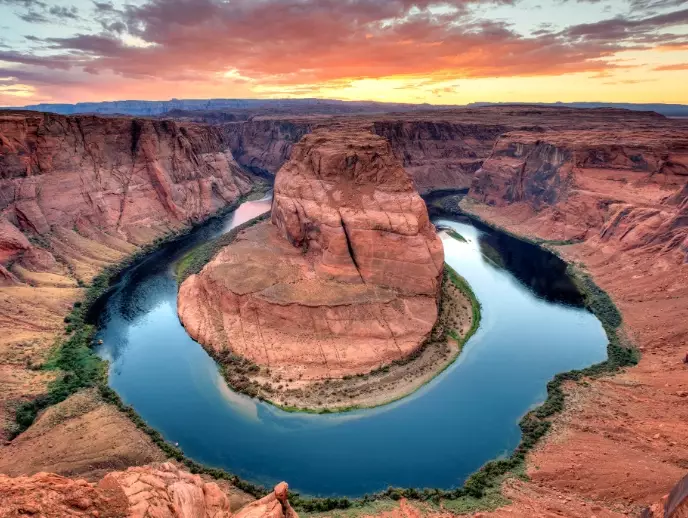
This guide is my attempt to save you from that headache. It's not just a list. Think of it as a conversation with a friend who's traveled these roads, made the mistakes, found the magic spots, and learned how to piece a trip together. We'll talk about iconic spots you can't miss, sure, but also the under-the-radar gems that often deliver the most memorable experiences. We'll get into the nitty-gritty of planning—when to go, how to get around, what it might cost—and tackle those questions that keep you up at night when planning.
My goal? To give you the clarity and confidence to plan an American adventure that feels uniquely yours, whether you have a long weekend or a whole month. So, grab a coffee, and let's dive into the incredible diversity of places to visit in the US.
Your Quick Guide
Where Do You Even Start? Understanding the American Travel Landscape
First things first. You can't see it all in one go. Anyone who tells you otherwise is selling something. The US is more like a collection of distinct countries masquerading as states, each with its own personality, landscape, and vibe. The key is to stop thinking of it as one destination and start thinking about regions or themes.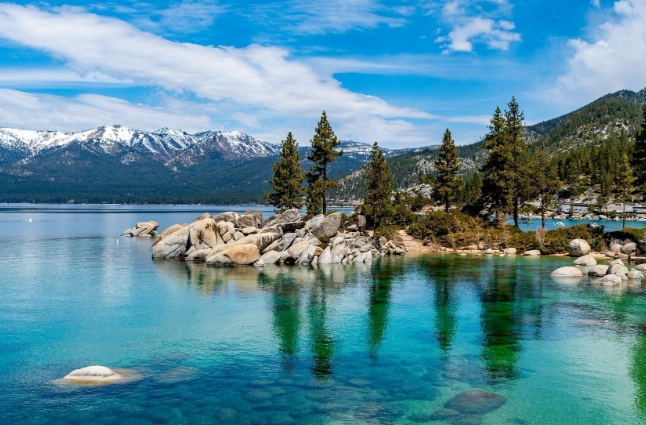
Are you a foodie? A history buff? An adrenaline junkie who needs mountains to climb? A family looking for easy, fun logistics? Your answers will dramatically narrow down the best places to visit in the US for you.
The Regional Breakdown (A Starter Kit): To make sense of it all, I find it helpful to chunk the country into broad, experience-based regions. This isn't a perfect science, but it works.
- The Classic Northeast: History, bustling cities (NYC, Boston, DC), and charming New England coastline. Think fall foliage, lobster rolls, and walking the Freedom Trail.
- The Sun-Drenched South: Warm hospitality, incredible food (hello, BBQ and Cajun), rich history (the complex and profound), and music flowing from Memphis to Nashville to New Orleans.
- The Mighty West & National Parks: This is the postcard America. The Grand Canyon, Yosemite, Yellowstone. Epic road trips, rugged mountains, and a sense of awe you can't get anywhere else.
- The Pacific Coast Cool: From the techy buzz of Seattle and San Francisco to the cinematic glam of Los Angeles and the pristine coasts of Oregon. Laid-back but innovative.
- The Heartland & Great Lakes: Often overlooked, but full of genuine charm, massive freshwater seas (the Lakes), and cities like Chicago that pack a serious cultural punch.
See? Already feels more manageable. Now, let's get into the specifics.
The Must-See Icons & The Hidden Gems: A Curated List
Here's where we mix the famous with the less-trodden. These are some of the top places to visit in the US, categorized by what they offer. I'll be blunt about the crowds, too.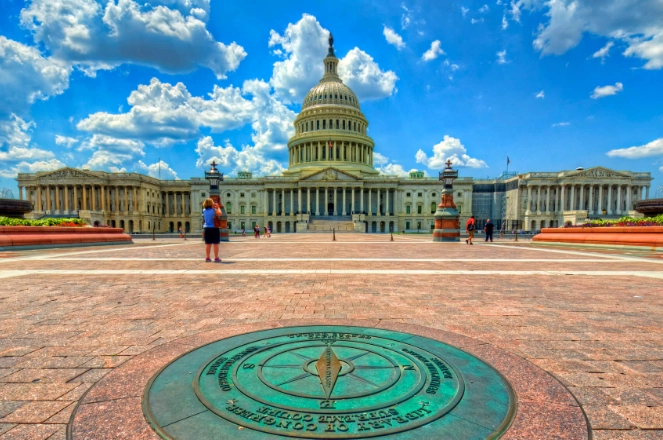
For the City Slicker: Urban Adventures
American cities are personalities, not just places.
New York City, New York: It's a cliché for a reason. The energy is real. You can spend a week just eating your way through boroughs. Yes, Times Square is a sensory overload (I personally avoid it), but walking across the Brooklyn Bridge at sunset, getting lost in the Met, or catching a jazz show in a Village basement bar? Pure magic. It's expensive and fast-paced, but it delivers.
My Take: Skip the Statue of Liberty ferry if you're short on time—the view from the Staten Island Ferry (which is free!) is just as good. Instead, book tickets to a live taping of a show or spend an afternoon in the Strand Bookstore.
New Orleans, Louisiana: This city doesn't just have culture; it sweats it. The French Quarter is touristy, sure, but wander a few blocks and you'll hear live jazz pouring out of unmarked doors. The food is a religion—beignets at Café du Monde, po'boys, gumbo. Go for Mardi Gras if you crave chaos, but honestly, any time of year has its own rhythm. The humidity, though? It's no joke.
San Francisco, California: Hills, cable cars, fog (so much fog), and incredible seafood. The Golden Gate Bridge is prettier from a distance (like Baker Beach or Marin Headlands) than walking across it, trust me. Explore the Mission District's murals, brave the sea lions at Pier 39, and take a ferry to Alcatraz (book weeks in advance). It's a compact, walkable city with a quirky soul.
For the Nature Lover: America's Great Outdoors
This is where the US truly shines. The national park system is our best idea.
Yellowstone National Park (Wyoming/Montana/Idaho): The world's first national park. It's otherworldly. Geysers (Old Faithful is just one of hundreds), bubbling mud pots, rainbow-colored hot springs, and wildlife everywhere—bison, elk, maybe even a bear. It's huge. You need at least 3-4 days, and staying inside the park is worth the planning hassle and cost. The crowds in summer are intense, no lie.
Grand Canyon National Park, Arizona: Photos do not prepare you. The scale is incomprehensible. Most people see it from the South Rim (accessible, lots of services). The North Rim is higher, cooler, and much less crowded, but it's only open seasonally. Here's a hot take: looking at it from the top is amazing, but hiking even a little way down (like to Ooh Aah Point) changes the experience completely. Just remember: going down is optional, coming up is mandatory. Bring water. So much water.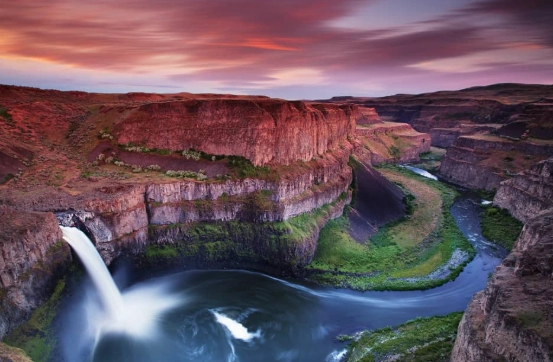
Insider Tip: For a less crowded, equally stunning canyon experience, consider Zion National Park in Utah. Hiking The Narrows (through a river in a slot canyon) or Angels Landing (if you have no fear of heights) are life-list experiences. Bryce Canyon, with its hoodoos, is also nearby for an incredible multi-park trip.
Acadia National Park, Maine: The only major national park in the Northeast. It's a rocky, coastal wonderland. Driving the Park Loop Road, hiking up Cadillac Mountain (the first place in the US to see the sunrise), and eating popovers at the Jordan Pond House are rites of passage. It feels wild and refined at the same time. Fall is the absolute best time to go, but you'll be sharing the road with every leaf-peeper on the East Coast.
For the Road Trip Warrior: The Iconic Drives
Some of the best places to visit in the US aren't points on a map, but the space between them.
Pacific Coast Highway (California State Route 1): The classic. Big Sur, specifically the stretch from Carmel to San Simeon, is the star. Cliffs plunging into the Pacific, sea mist, redwoods. It's slow driving—the road is twisty and often under construction—but that's the point. Stop at McWay Falls, see the elephant seals, and don't rush it. Check road conditions on the Caltrans website before you go.
Route 66: More nostalgia than scenic wonder these days. It's about the quirky Americana—the giant fiberglass statues, the vintage motels, the neon signs fading in the desert sun. It's not a continuous drive anymore; you have to hunt for the original alignments. For a pure, breathtaking desert drive, I'd actually recommend Utah's Scenic Byway 12 or going through Monument Valley on the Navajo Nation. Now that feels like the open road.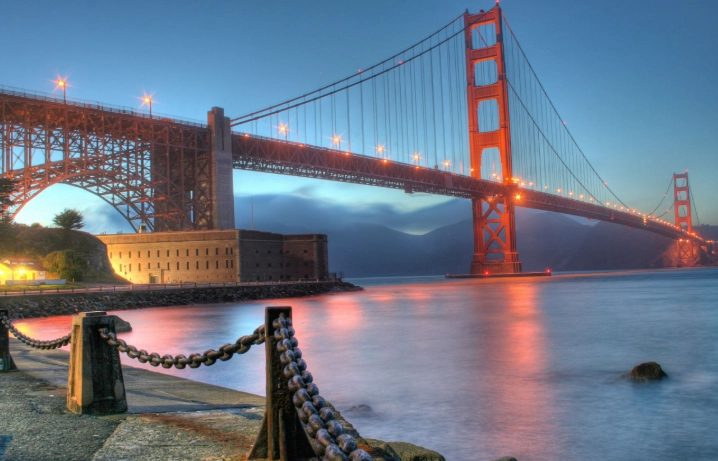
Planning Your Trip: The Practical Stuff Nobody Talks About Enough
Alright, you're inspired. Now how do you make it happen without a nervous breakdown?
When to Go (It Makes All the Difference)
Summer (June-August) is peak season everywhere. National parks are packed, cities are hot, and prices are at their highest. But, the weather is reliable and everything is open.
Shoulder seasons (April-May & September-October) are my sweet spot. Fewer people, milder weather, and often lower prices. Fall in New England or the Rockies is spectacular. Spring in the desert Southwest is perfect before the heat hits.
Winter (November-March) is great for skiing, obviously, but also for experiencing cities with festive cheer or visiting the South and Southwest to escape the cold. Just know some parks (like Yellowstone's main roads) are largely inaccessible by regular car.
Watch Out For: Hurricane season in the Southeast and Gulf Coast (June-Nov, peak Aug-Oct). Wildfire season in the West (increasingly July-Oct), which can ruin air quality and close parks. Always, always check official sources like the National Park Service website for alerts and the National Weather Service for forecasts.
Getting Around: Plane, Train, or Automobile?
This is critical. Public transport between cities is limited.
Fly: For hopping between distant regions (East Coast to West Coast), flying is the only sensible option. Use smaller regional airports sometimes—they can be cheaper and easier than the big hubs.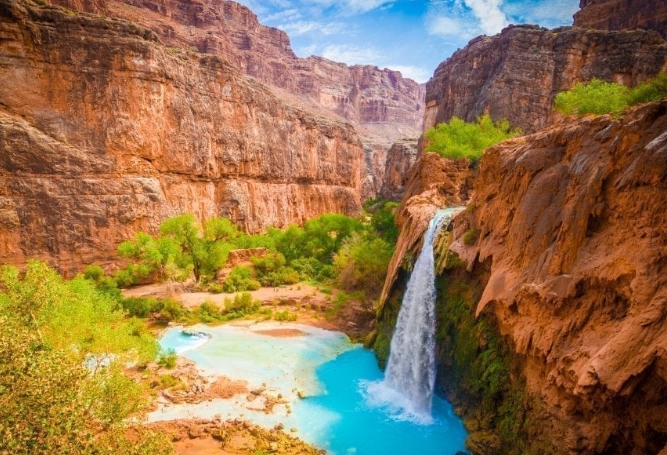
Road Trip: For exploring a region—like a California coast trip or a Southwest parks loop—a car is non-negotiable. Rent one. Book it early, especially for popular locations or during peak season. An SUV is nice for national parks but not always necessary. I've done plenty in a compact car.
Train (Amtrak): I love the train for the views (the Coast Starlight from LA to Seattle is stunning) and the relaxed pace. But it is often slower and more expensive than flying. It's for the journey, not if you're in a hurry.
Budgeting Realistically
Let's not sugarcoat it. Travel in the US can be expensive. Accommodation and rental cars are the big costs.
Ways to save: Travel in a group to split costs. Cook some meals if you have a kitchenette. Look beyond hotels—Vacation Rentals by Owner (VRBO) or Airbnb can be great for families or groups, and hostels exist in major cities. Consider camping in national parks (book sites on Recreation.gov the minute they become available, usually 6 months out).
Many museums have "free admission" days or hours. City tourism passes can be worth it if you plan to hit many paid attractions.
A little planning here goes a very long way.
Answering Your Burning Questions (The FAQ Section)
I get asked these all the time. Let's clear them up.
What is the #1 place to visit in the US?
There isn't one. It's like asking for the best song ever. But if you held a gun to my head and forced me to pick one place that represents the sheer scale and wonder of the country, I'd say Yellowstone & Grand Teton National Parks combined. You get geothermal wonders, epic wildlife, and the most dramatic mountain range in the Lower 48, all right next to each other. It's the American outdoors in a microcosm.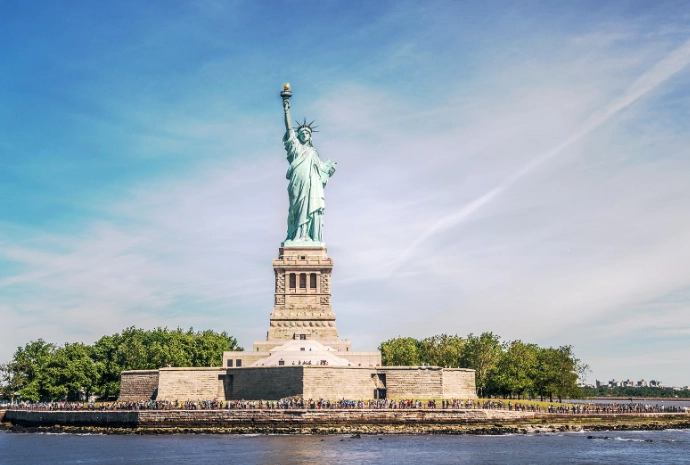
I have 10 days. What's the best itinerary?
Don't try to see New York, the Grand Canyon, and San Francisco in 10 days. You'll spend it all in airports. Pick a region.
Example: The Classic Southwest Loop. Fly into Las Vegas (it's a cheap flight hub). Drive to Zion (2.5 hrs), spend 2 days hiking. Drive to Bryce Canyon (1.5 hrs), see the hoodoos for a day. Drive to Page, AZ (2.5 hrs) for Antelope Canyon (book a tour!) and Horseshoe Bend. Drive to the Grand Canyon South Rim (2 hrs), spend 2 days. Drive back to Vegas. It's packed but doable and unbelievably scenic.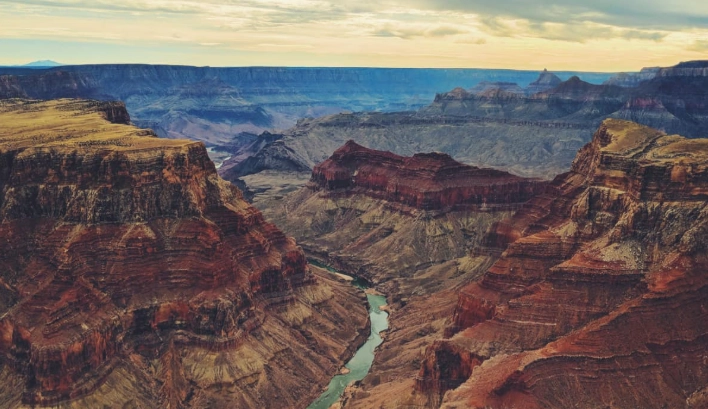
What are the most overrated places to visit in the US?
Ooh, spicy. In my opinion:
- Hollywood Walk of Fame: It's a dirty sidewalk with crowds. The Chinese Theatre is cool for about 5 minutes. Spend your time in other LA neighborhoods like Santa Monica, Venice, or Griffith Park instead.
- South of the Border (on I-95): A bizarre, rundown roadside attraction. The billboards are more entertaining than the place.
- Any "World's Largest" Ball of Twine if it's too far out of your way. The charm wears off fast after a long detour.
Is it safe to travel in the US?
Generally, yes, the places tourists go are very safe. Use the same common sense you would anywhere: be aware of your surroundings in big cities, don't leave valuables in your car (especially at trailheads in national parks—sadly, break-ins happen), and follow local guidelines. Health safety-wise, having travel insurance that covers medical care is a very good idea, as healthcare here is notoriously expensive for visitors.
How far in advance should I book?
For popular national park lodges and campgrounds, 6 months to a year is not an exaggeration. For major city hotels during peak events or holidays, 3-4 months. For flights, 2-3 months for the best domestic deals. For rental cars, as soon as you know your dates—they can sell out, and prices only go up.
Final Thoughts: Making It Your Own
Look, lists of places to visit in the US are a starting point. The real magic happens when you leave a little room for the unexpected. That unplanned stop at a roadside diner with the amazing pie. The conversation with a local who points you to their favorite hike. The detour down a scenic byway just because it looked interesting.
Don't get so obsessed with checking boxes that you forget to experience the place. Pick a theme or a region that calls to you, do your practical planning (please book that rental car!), and then give yourself permission to wander a bit. The best travel memories are rarely the ones you meticulously planned.
America is a big, complicated, beautiful, and endlessly surprising place. However you choose to explore it, you're in for an adventure. Now go start planning—and feel free to come back to this guide when you hit a planning wall. Happy travels!