Inside This Cuy Guide
- What Exactly Is Cuy? Beyond the "Guinea Pig" Label
- Why Eat Cuy? The History and Cultural Weight
- The Million-Dollar Question: What Does Cuy Taste Like?
- How Is a Traditional Peruvian Cuy Dish Served?
- Where to Find the Best Cuy in Peru (And What to Pay)
- Nutritional Facts: Is Cuy Healthy?
- Addressing the Elephant in the Room: Ethics and Sensibilities
- Your Practical Guide to Ordering and Eating Cuy
- Common Questions (And Straight Answers)
- Final Thoughts: To Try or Not to Try?
Let's just get this out of the way first. Yes, we're talking about the animal you might have had as a childhood pet. In Peru, it's a centuries-old staple, a cultural icon, and for many visitors, the ultimate culinary adventure. The cuy peruvian dish is more than just food; it's a story on a plate.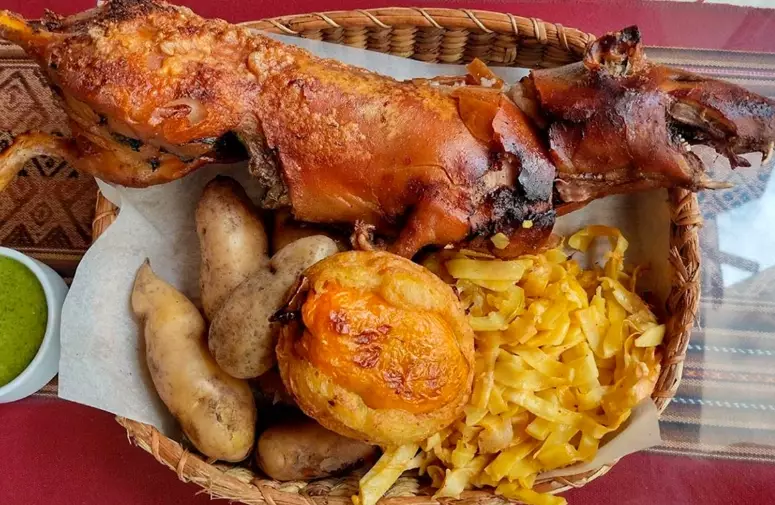
I remember the first time I saw it. Not on a menu, but whole, roasted, and staring back at me from a street vendor's grill in Cusco. The initial reaction is almost universal: a mix of curiosity and mild shock. But to dismiss it as a mere novelty is to miss the point entirely. This is a dish woven into the fabric of the Andes.
What Exactly Is Cuy? Beyond the "Guinea Pig" Label
Calling it just "guinea pig" is a bit misleading. The animals bred for consumption in Peru (Cavia porcellus) are often a different, larger breed than the fluffy pets common in other parts of the world. They've been domesticated in the Andean region for over 5,000 years, not as companions, but as a vital source of protein. The history of their domestication is fascinating, rooted in practical survival in a high-altitude environment where other livestock struggled.
In Quechua, the language of the Inca Empire, the word is "cuy" or "cuye." The Spanish adopted the term, and it's the one you'll see everywhere in Peru. It's pronounced "coo-ee," sort of like the sound the animal makes. Getting the name right is the first step in showing respect for the tradition.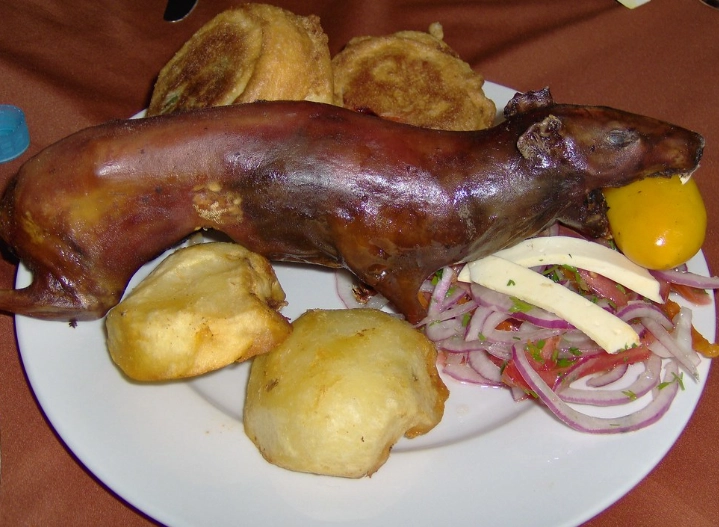
You'll find it prepared in a few key ways, which drastically change the experience:
- Cuy al Horno: The classic. The whole animal is roasted, often in a clay oven or over wood fire. This is the dramatic presentation you see in photos—crispy skin, sometimes served with the head on.
- Cuy Chactado: Famous in Arequipa. The cuy is flattened under a heavy stone and fried until the skin is incredibly crisp. It's less about the visual shock and more about that crunchy texture.
- In Stews or Fricassee: Less common for tourists, but a traditional home-style preparation. The meat is cut up and cooked in sauces, which makes it more approachable if the whole-animal presentation is daunting.
Why Eat Cuy? The History and Cultural Weight
This isn't some modern gimmick for tourists. Eating cuy in Peru is an ancient practice. Archaeologists have found evidence of cuy domestication and consumption in Peruvian digs dating back millennia. For the Incas, it held ceremonial significance, often used in offerings and important festivals.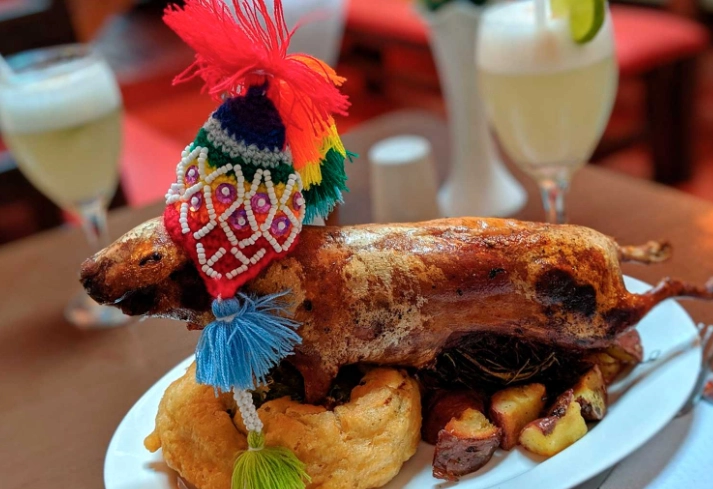
Today, it's still a celebratory food. You eat it at weddings, baptisms, and major holidays like Christmas or Carnival. Serving cuy to a guest is a sign of honor and respect. In many Andean communities, it's believed to have medicinal properties. Some believe it helps with respiratory issues, others swear by it for strength.
There's a practical side, too. Guinea pigs are incredibly efficient. They require little space, eat kitchen scraps, and reproduce quickly. In the harsh highlands, they were a sustainable source of meat. This practicality has cemented their role far beyond symbolism.
The Million-Dollar Question: What Does Cuy Taste Like?
This is what everyone wants to know. Describing taste is subjective, but let's break it down as honestly as possible.
The closest common comparison is dark meat chicken or rabbit, but that's not entirely accurate. It has a distinct, slightly gamey flavor—more robust than chicken, less intense than wild game. The meat is dark, lean, and can be a bit dry if not cooked well (a common complaint, to be honest). The magic is in the skin. When roasted or fried properly, the skin transforms into a shatteringly crisp, flavorful crackling that is often the highlight.
Here’s a quick breakdown of the taste and texture profile:
| Element | Description | Personal Take |
|---|---|---|
| Meat Flavor | Gamey, earthy, similar to a cross between duck and rabbit. Lean with a distinct, non-chicken taste. | It's an acquired taste. The first bite is always surprising. The flavor grows on you, especially with the right seasoning. |
| Texture of Meat | Can be tender near the bones, but often quite dry and stringy if overcooked. Few large muscles. | This is the biggest hurdle for some. It's not juicy like a steak. Managing expectations here is key. |
| The Skin | When done right: incredibly crispy, salty, and fatty. The best part of the dish. | Absolutely delicious. This is what makes the cuy peruvian dish memorable. Don't skip it. |
| Seasoning | Typically marinated with Andean herbs like huacatay (black mint), garlic, cumin, and lots of salt. | The marinade is essential. It cuts through the gaminess and adds wonderful aromatic depth. |
The preparation method makes a huge difference. Cuy chactado, because it's fried, tends to be juicier and the texture is more uniform. The classic roasted cuy al horno delivers that iconic presentation and fantastic skin, but the body meat can sometimes disappoint.
How Is a Traditional Peruvian Cuy Dish Served?
Presentation is part of the ritual. In a traditional setting, especially in the highlands, the whole roasted animal is served intact on a large platter. It's often flanked by native staples: giant-kerneled Andean corn (choclo), boiled potatoes (papas), a simple salad, and sometimes a peanut-based sauce or a spicy salsa criolla.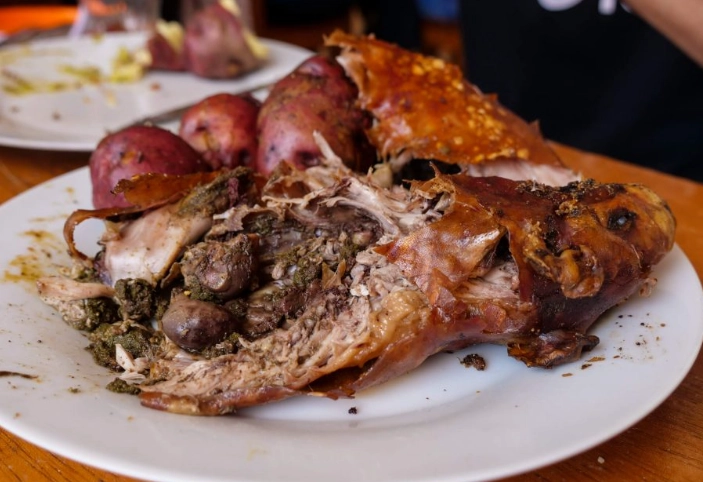
You eat it with your hands. There's no elegant way around it. You pick up pieces, tear off meat, and crunch on the skin. It's communal and messy. In more tourist-oriented restaurants in Lima or Cusco, they might offer a partially deconstructed version or even a cuy confit for a finer dining twist, but the soul of the dish is in that hands-on, shared experience.
Where to Find the Best Cuy in Peru (And What to Pay)
Not all cuy is created equal. Location and setting matter immensely for quality and authenticity.
The Andean Highlands: The Heartland
For the most authentic Peruvian cuy dish, you need to go to the source. Cities like Cusco, Arequipa, and Huancayo are famous for it. In Cusco, many restaurants around the San Pedro market or in the historic center serve it. In Arequipa, the picanterías (traditional family-run restaurants) are the place for cuy chactado.
My advice? Venture slightly outside the main tourist squares. A restaurant filled with locals is usually a good sign. In the Sacred Valley, towns like Pisac have Sunday markets where you might find it being cooked in open-air stalls—an intense but real experience.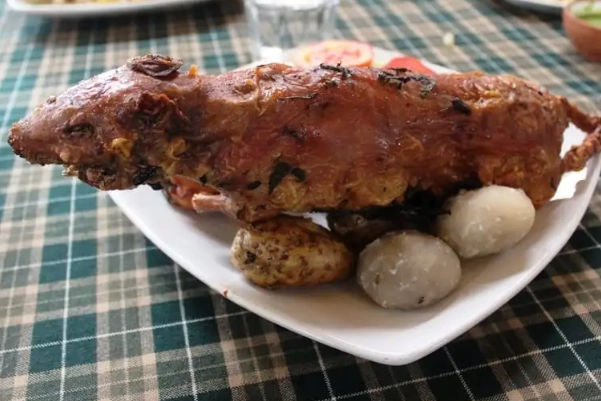
Lima: Gourmet Transformations
In Lima, the dish has been elevated by Peru's world-renowned chefs. Places like Astrid & Gastón or Central have, at times, featured cuy in tasting menus, presenting it in refined, inventive ways. This is a different beast altogether—less about tradition, more about culinary artistry and pushing boundaries. It's expensive but showcases the ingredient's potential.
Price Range: What's Fair?
This varies wildly. In a local picantería in Arequipa, a whole cuy chactado might cost between 40 to 70 soles (approx. $10-$18 USD). In a Cusco restaurant catering to tourists, the price for a roasted cuy can be 80 to 120 soles ($20-$30 USD). In a top Lima restaurant, if it's on the menu as part of a degustation, you're looking at a much higher price point.
Nutritional Facts: Is Cuy Healthy?
This might surprise you. Compared to traditional meats, cuy has a compelling nutritional profile. It's very lean. According to studies, including research from Peru's Universidad Nacional Agraria La Molina, cuy meat is high in protein and low in fat and cholesterol. It's rich in essential amino acids and contains beneficial fatty acids.
It's not a superfood, but it's a healthy, lean meat choice. This nutritional aspect is a big part of why it's been sustained as a staple for so long in communities where balanced nutrition can be a challenge.
Addressing the Elephant in the Room: Ethics and Sensibilities
This is a personal decision, and it's okay to have mixed feelings. For many Westerners, the barrier isn't taste but the idea of eating an animal commonly seen as a pet.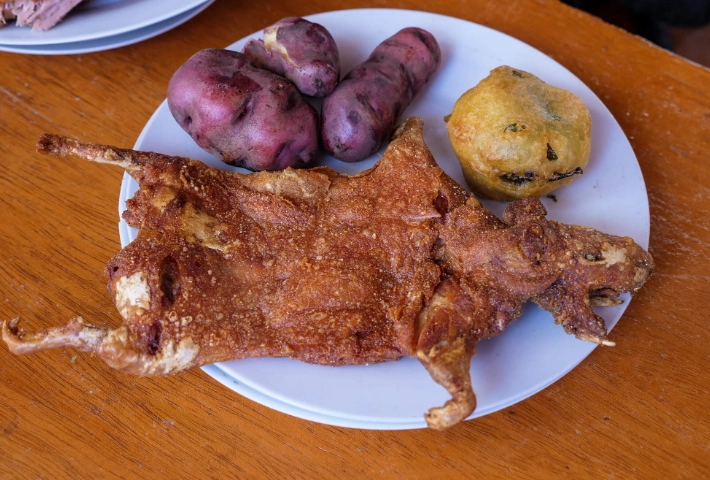
From an ethical standpoint, the cuy raised for food in Peru typically come from small-scale, family-run farms. The conditions are often more natural and free-range than industrial chicken or pork farms. The FAO has recognized microlivestock like guinea pigs as a sustainable food source for developing regions.
However, the presentation can be confronting. Seeing the whole animal, teeth and all, is part of the cultural package. It's a deliberate reminder of the animal you are eating—a concept that's often hidden in other cuisines. Some find this honesty refreshing; others find it off-putting.
You have to decide where you stand on that.
If you're vegetarian or vegan, obviously this dish isn't for you. But if you're a meat-eater grappling with the idea, it's worth examining why eating a cow or pig feels different. It often comes down to cultural conditioning rather than logic.
Your Practical Guide to Ordering and Eating Cuy
Okay, you've decided to try it. Here's how to navigate the experience like a pro.
- Choose the Right Setting: Go for a well-regarded, traditional restaurant for your first time. Street food cuy can be amazing, but it's also a higher risk for food safety and potentially tougher meat.
- Order with Friends: Share one cuy between two or three people. It's more fun, less committing, and you can try other dishes too.
- Specify Your Preferred Style: Do you want the classic cuy al horno (roasted) or the crispier cuy chactado (fried)? If you're worried about dryness, chactado might be a safer bet.
- Attack Strategically: Start with the skin. Then, go for the meatier parts: the hind legs and the back. The ribs have tasty little morsels. The head is usually for presentation or very adventurous eaters.
- Use the Sides: The potatoes and corn are there to balance the rich, gamey flavor. The sauces (especially the spicy ones) help cut through the fat.
- Don't Be Shy with Your Hands: Everyone else is doing it. Embrace the mess. Ask for extra napkins.
Common Questions (And Straight Answers)
Final Thoughts: To Try or Not to Try?
The cuy peruvian dish isn't for everyone. And that's fine. If you're a deeply adventurous eater who loves engaging with culture through food, it's an essential experience. It's a direct connection to the Andean world, past and present.
If you're hesitant, that's completely normal. Maybe start with a taste from a friend's plate. Or try it in a stew form first, where the presentation is less dramatic.
But here's the thing—even if you don't love the flavor (and many don't on their first try), the act of trying it becomes a story. It's a moment of stepping outside your comfort zone and participating in a living tradition. In Peru, food is identity. Dishes like ceviche tell the story of the coast. Aji de gallina tells the story of fusion. And cuy tells the ancient, enduring story of the mountains.
So, if you find yourself in a picantería in Arequipa or a countryside home near Cusco, and the opportunity arises, consider it. Go in with an open mind, managed expectations, and a sense of respect. You might just discover more than a new flavor—you might find a new way of seeing what food can mean.
Reader Comments