Quick Navigation
Let's talk about street food in the Philippines. If you're imagining just a quick snack, you're in for a massive surprise. This isn't just eating; it's a full-blown cultural immersion, a symphony of flavors played on sidewalks and under makeshift tarps. The sheer energy of a bustling street food ph hub at night is something you feel in your bones—the sizzle of pork on a grill, the sweet, smoky smell of barbecuing meat sticks (isaw), the chatter of families and friends gathered around plastic tables. It's chaotic, it's vibrant, and it's the absolute heart of Filipino everyday life.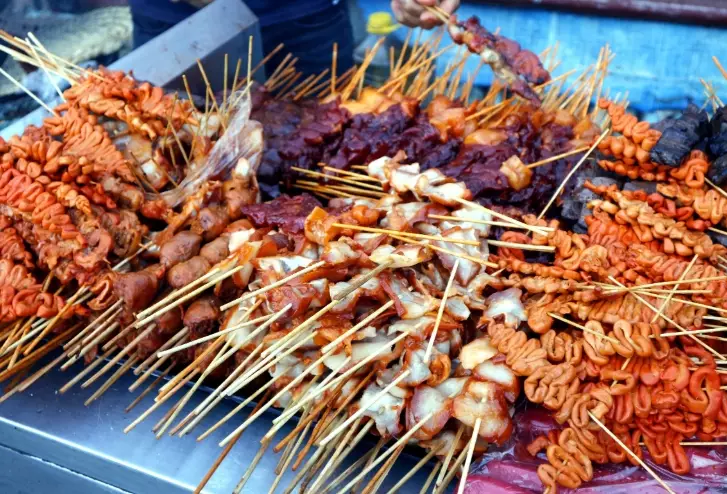
I remember my first real deep dive into Philippine street food. It was in a side alley in Quezon City, far from any fancy restaurant. I was equal parts excited and nervous. The goal? To eat like a local, not a tourist. That meant trying everything, asking questions, and embracing the beautiful mess of it all. That experience taught me more about the country than any museum could.
So, why is there such a global fascination with street food ph scenes? It's simple. This is where tradition meets innovation, where recipes passed down through generations are cooked right in front of you for a few pesos. It's affordable, it's authentic, and it tells a story in every bite. But I get it, the thought can be daunting. Is it safe? What should I even order? Where do I start? Don't worry, that's exactly what this guide is for. We're going to break it all down, no fluff, just the real, practical info you need to navigate this delicious world with confidence.
What Exactly is Philippine Street Food?
It's more than just food sold on the street. It's a culinary category all its own. Think of it as fast food, but one hundred times more personal and with a history that runs deep. The offerings range from simple, comforting merienda (afternoon snacks) to hearty, full meals that can replace dinner. The common thread? Accessibility, bold flavors, and a touch of adventurous spirit.
You'll find a wild mix of influences. Indigenous techniques meet Spanish, Chinese, and American twists. It's this fusion that makes Filipino street food so unique. One stall might be serving Chinese-inspired siomai (dumplings) with a uniquely Filipino soy-vinegar dipping sauce, while the next grills Spanish-style chorizo but cuts it up and serves it on a stick for easy walking.
The equipment is part of the charm too. You're not looking for stainless steel kitchens. Look for the smoky charcoal grills (ihawan), the large, deep woks (kawali) bubbling with oil for frying, and the portable glass boxes displaying an array of colorful, sometimes mysterious, treats.
The Must-Try Street Food PH Hall of Fame
You can't talk about this without a run-down of the classics. These are the icons, the dishes that define the experience. Consider this your essential checklist.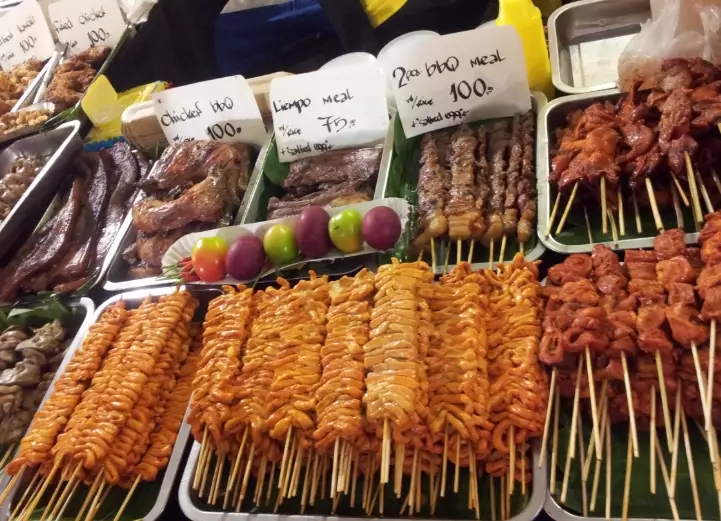
The Grilled Classics (The Ihawan Staples)
This is the backbone. The smell of grilling meat is the signature scent of a Filipino evening.
- Isaw: This is the king. Grilled chicken or pork intestines, cleaned, boiled, skewered, and grilled to a slightly crispy, chewy perfection. It sounds intense, but when done right, it's smoky, savory, and utterly addictive. The vinegar-based dip with onions and chili is non-negotiable.
- Barbecue (Pork BBQ): Not your American BBQ. These are small chunks of pork marinated in a sweet, savory, sometimes slightly tangy sauce (usually with banana ketchup, soy sauce, and calamansi), skewered, and char-grilled. A staple at any gathering.
- Adidas: Street slang for chicken feet. Grilled until the skin is crispy and the cartilage is tender. It's all about texture and sucking the flavor off the bones. Not for everyone, but a true test of your adventurous palate.
The Fried & Savory Bites
For when you need something crispy, hot, and satisfying.
- Kwek-Kwek and Tokneneng: Hard-boiled eggs (quail eggs for kwek-kwek, chicken eggs for tokneneng) dipped in an orange batter made with annatto and deep-fried. Served with the same vinegar dip or a sweet-spicy sauce. The perfect handheld snack.
- Fish Balls and Kikiam: Deep-fried, bite-sized balls of processed fish (fish balls) or a mixture of meat and vegetables wrapped in bean curd skin (kikiam). You skewer them yourself from the communal pot of hot oil and choose your sauce from sweet, spicy, or vinegar.
- Lumpiang Shanghai
This one deserves its own spot. These are tiny, crispy spring rolls filled with minced pork and sometimes veggies. They're served by the piece, piping hot, and are arguably one of the most universally loved items. You'll find them at almost every street corner and family party.
The Adventure Tier (For the Brave)
This is what often shows up in travel documentaries.
- Balut: The famous fertilized duck egg. It's a rite of passage. You tap open the top, sip the broth, then eat the yolk and the embryo. The flavor is rich and savory, like a dense, duck-flavored custard. The texture is what gets people. Personally? I think the idea is scarier than the actual taste. It's a unique experience tied deeply to Filipino culture. The Department of Tourism in the Philippines even highlights it as a unique culinary experience for visitors.
- Betamax: Grilled, cubed chicken blood. Yes, blood. It's coagulated, cut into cubes that resemble old Betamax tapes, and grilled. It has a deep, irony, mineral taste and a firm, tofu-like texture. An acquired taste, for sure.
But here's the thing people forget to mention. You're not expected to start with balut. Ease into it. Start with the barbecue, the isaw, the kwek-kwek. Build your way up. The street food ph landscape is vast enough for everyone.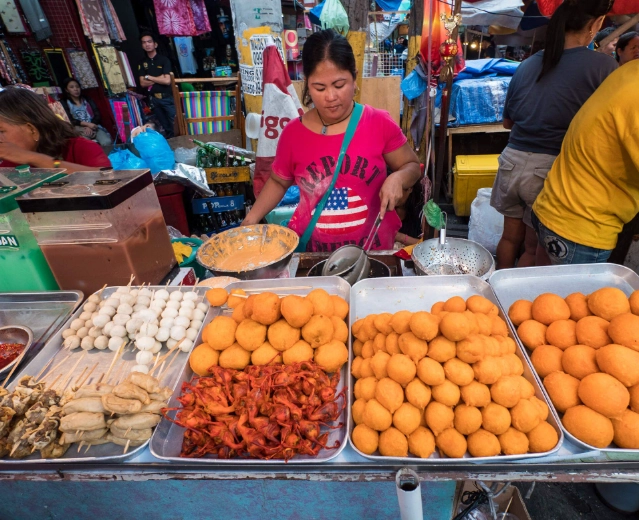
Where to Find the Best Street Food in the Philippines
It's everywhere. Literally. But some spots have earned legendary status for their concentration and quality.
Top Spots in Manila & Beyond:
- Maginhawa Street, Quezon City: This is ground zero for foodies. While it has upscale cafes now, the street food roots are strong. Look for the stalls that have been there for years, especially in the evening.
- Banchetto (Various Locations, often in QC or Ortigas): These are weekend night food markets. Dozens of stalls gather in a parking lot or closed-off street. It's a street food ph paradise where you can sample a hundred things in one go. The atmosphere is electric.
- University Belt Areas (Near UST, UE, etc.): Where there are students on a budget, there is amazing, cheap, and delicious street food. The turnover is high, so things are usually fresh. This is where you find the real student staples.
- Markets (Like Mercato Centrale or Legazpi Sunday Market): These are more curated, often mixing artisan food with classic street fare. A great, slightly more organized introduction.
- Provincial & City-Specific Hubs: Don't just stay in Manila! Cebu has its famous lechon (roast pig) stalls and puso (hanging rice). Pampanga, the culinary capital, has incredible sisig (sizzling chopped pork face and liver) from street-side stalls. Iloilo is known for its fresh seafood and batchoy (noodle soup) even at street level.
My personal strategy? Follow the locals. If you see a line of office workers, students, or tricycle drivers at a stall, that's a very good sign. A high turnover usually means the food hasn't been sitting around. Also, trust your nose. That irresistible smoky, savory aroma is nature's best advertisement.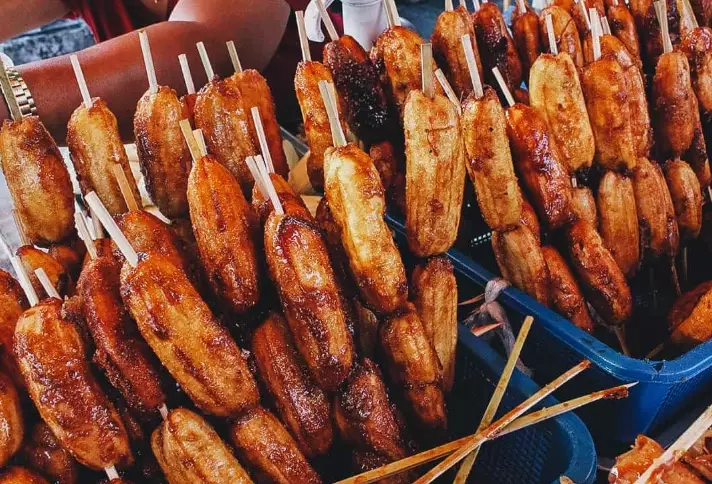
How to Order and Eat Like a Pro
This is where you shed the tourist skin. A little know-how goes a long way.
First, the language. You don't need to be fluent. A few key phrases work wonders. "Ilan?" means "How much?" Point and say "Ito, isa." (This, one.) A smile is universal currency.
At a grill station, you usually order by the stick. You can say "Dalawang isaw, tatlong barbecue." (Two isaw, three barbecue.) For fried items like kwek-kwek, they often come in orders of 3 or 5 pieces.
The sauces are crucial. Most stalls will have a selection. The most common are:
- Suka with sibuyas at sili: Vinegar with onions and chili. The classic for grilled items.
- Sweet Sauce: A thick, brown, banana ketchup-based sauce for fried snacks.
- Spicy Vinegar: Vinegar infused with lots of chili.
Don't be shy to ask, "Anong sawsawan?" (What are the dips?)
And the etiquette? It's generally casual. You can eat standing up, walking, or at the small plastic tables if available. Use the sticks or your hands (often, a small plastic bag is offered as a glove). Just be respectful of the space and the vendors.
Let's Talk Safety: Your Street Food PH Survival Guide
This is the biggest concern for most people, and rightfully so. I've eaten street food for years and have rarely had issues because I follow a few simple rules. Forget the scary stories; be smart, not scared.
- Observe the Stall. Is it relatively clean? Is the vendor handling money and food separately (often using tongs for food)? Is there a steady flow of customers? Freshness is safety.
- Go for High Heat. Prioritize grilled or freshly deep-fried items. The high cooking temperature kills most pathogens. Be wary of items that look like they've been sitting in lukewarm water or trays for hours.
- Trust Your Senses. If something smells off, looks discolored, or the oil is dark and gunky, walk away. Your instincts are good.
- Hydrate Smartly. Pair your street food feast with bottled water or sealed drinks. Avoid questionable-looking ice or pre-poured drinks from open containers if you have a sensitive stomach.
- Start Slow. If you're new to it, don't go on a massive eating spree. Let your stomach adjust to the new flavors and environment.
I'll say this: I've had worse stomach issues from sketchy buffet lines in fancy hotels than from a busy, reputable street food ph vendor. The key is vendor reputation and cooking method.
The Cultural Heartbeat: More Than Just a Meal
To understand Philippine street food, you have to see it as a social glue. It's where social and economic classes blur. A CEO might be standing next to a construction worker, both enjoying the same stick of isaw. It's an affordable luxury, a moment of joy accessible to almost everyone.
It's also deeply tied to resilience and ingenuity. Street food vendors are entrepreneurs, often creating delicious, filling meals from parts of the animal that might otherwise be wasted (like intestines and feet). This "nose-to-tail" eating is both economical and sustainable, long before it became a trendy restaurant concept.
Food writers and cultural commentators often note how Filipino street food reflects the nation's history and character—communal, resourceful, vibrant, and unpretentiously flavorful. As food expert and writer like those featured on CNN Philippines' life section have discussed, it's a living, breathing part of the national identity.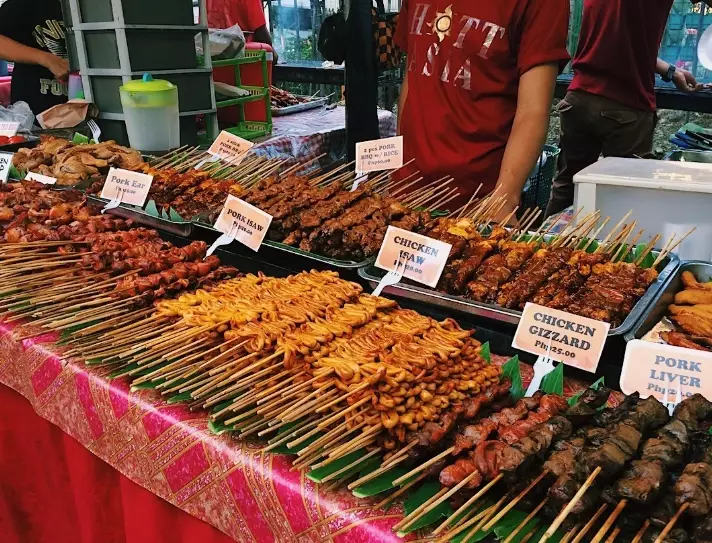
Your Burning Street Food PH Questions, Answered
- Turón (banana spring rolls)
- Banana Cue or Camote Cue (fried bananas or sweet potatoes on a stick)
- Grilled corn
- Some versions of kikiam might be vegetable-based, but you must ask.
It's challenging, but not impossible. You'll have to look a bit harder.
Bringing the Flavors Home & Final Thoughts
Got hooked? The good news is, many street food ph dishes are replicable at home. The marinades for BBQ are simple (soy sauce, calamansi, banana ketchup, garlic, pepper). You can make lumpiang shanghai for parties. The internet is full of recipes.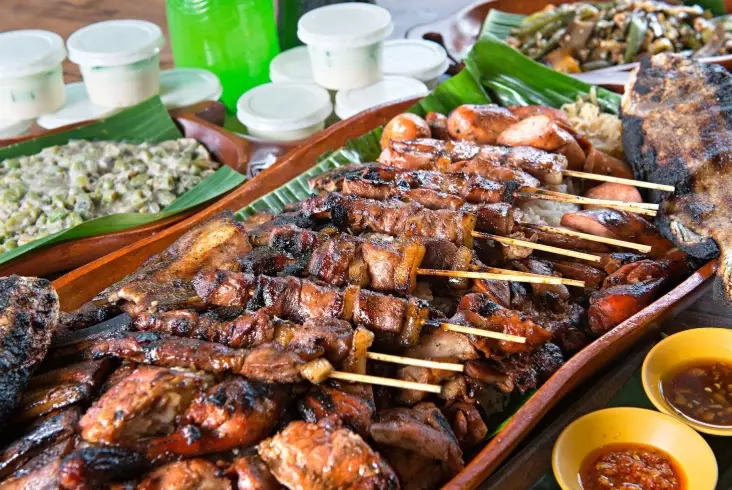
But let's be real. It will never taste exactly the same. The magic is in the context—the smoky air, the plastic stool, the chatter, the heat, the feeling of being part of something alive and real. That's the intangible ingredient.
Exploring street food ph is an adventure. It requires a bit of courage, a lot of curiosity, and an empty stomach. It might push you out of your comfort zone, and that's the point. You'll discover flavors you never knew you loved, connect with people in a simple, human way, and experience the Philippines in its most honest, unfiltered form.
So, on your next trip, skip the mall food court for one night. Find a busy street corner, follow the smoke and the crowd, point to something that looks good, and just say "Isa, po." (One, please). You might just have your most memorable meal.
Trust me, your taste buds will thank you.
Reader Comments