Sweet Spots: What's Inside
- The Heartbeat of the Thai Sweet Kitchen: Key Ingredients
- Must-Try Thailand Desserts: A Street Food & Market Checklist
- Bringing Thailand Home: Can You Make Thai Desserts Yourself?
- The Stories Behind the Sweets: It's Not Just Food
- Your Burning Questions About Thailand Desserts (Answered)
- Wrapping This Sweet Journey Up
Alright, let's talk about something wonderful – the desserts from Thailand. You know, it's funny. When people think of Thai food, the first things that usually pop up are the fiery curries, the tangy salads, or the aromatic bowls of Tom Yum soup. The savory stuff gets all the glory. But let me tell you, the sweet side of Thai cuisine is a whole other universe, and it's just as complex, colorful, and downright addictive.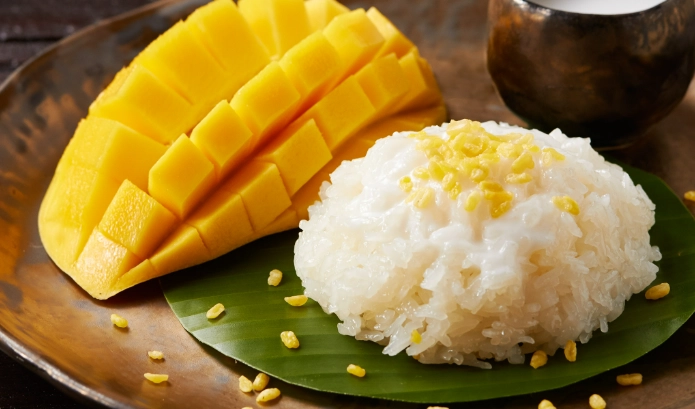
I remember my first real encounter with it. I was wandering through a night market in Bangkok, completely overwhelmed by the smells of grilling meat and spices. Then I saw a stall with these tiny, jewel-like cups filled with coconut cream and topped with what looked like golden threads. I had no idea what it was called (turns out it was khanom thuai), but I pointed, paid a few baht, and took a bite. It was cool, subtly sweet, and had this incredible texture. That was the moment I realized Thai sweets were something special. They're not just an afterthought; they're a vital part of the food culture, enjoyed any time of day, from morning snacks to street food treats after dinner.
So, what's the deal with Thailand desserts? Well, they dance to a different rhythm compared to Western pastries. You won't find a lot of butter, wheat flour, or heavy baking. Instead, the stage belongs to a few key players: creamy coconut milk, fragrant pandan leaves, sticky rice, palm sugar, and tropical fruits like mango and jackfruit. The sweetness is there, sure, but it's often balanced by a touch of salt (from that coconut cream) or a subtle savory note. The textures are a huge part of the fun too – think bouncy, gelatinous, creamy, and crunchy, all sometimes in one bite.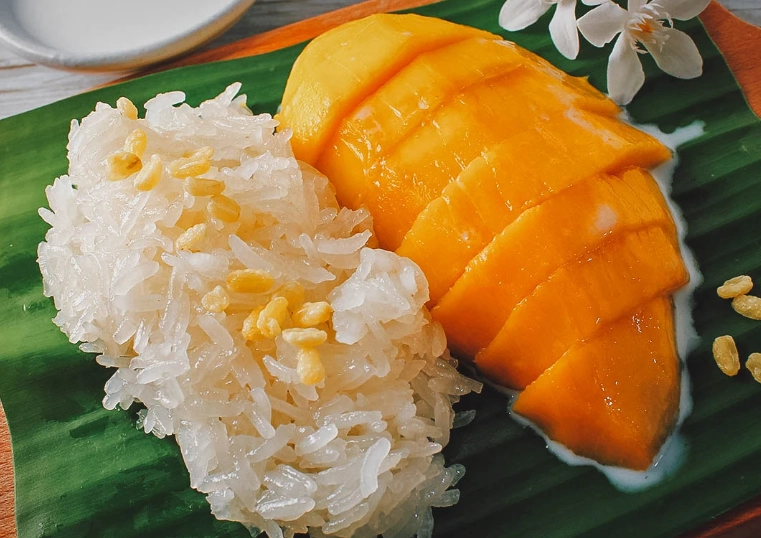
Quick Bite: Don't expect overly sugary, frosting-covered cakes. Thai sweets are more about elegance and balance. The sweetness often comes from palm sugar or coconut sugar, which has a richer, more caramel-like flavor than refined white sugar. It's a different kind of sweet.
The Heartbeat of the Thai Sweet Kitchen: Key Ingredients
You can't really understand these desserts without knowing what goes into them. It's like knowing your spices before you try to cook a curry. The ingredient list is short but powerful, and each one brings its own magic.
Coconut Milk & Cream: This is the undisputed king. It provides the lush, rich base for so many Thai desserts. The "milk" is the thinner liquid, while the "cream" is the thick, fatty top layer. In many desserts, you'll get a scoop of both – the creamy part on top for richness and the milky part underneath to keep things light. A pinch of salt is almost always mixed in, which is the genius trick that keeps everything from tasting one-dimensional.
Sticky Rice (Khao Niew): This isn't your everyday jasmine rice. Sticky rice, or glutinous rice, is steamed until it becomes wonderfully chewy and clumpy. It's the star of the most famous Thailand dessert of all time, but it shows up in countless other treats, often dyed pretty colors with natural ingredients.
Pandan Leaf: This is the vanilla of Southeast Asia. These long, green leaves are bruised and tied into knots, then simmered in liquids to impart a beautiful, fragrant aroma that's grassy, floral, and slightly nutty. It also gives desserts a lovely natural green color. If you smell something wonderfully unique and vaguely like basmati rice in a Thai sweet, that's pandan.
Tapioca Flour & Rice Flour: These are the main flour substitutes. Tapioca flour (from the cassava root) gives that fantastic bouncy, Q-texture (as they call it) to things like chewy dumplings and pearls. Rice flour creates softer, more delicate gels and cakes.
Palm Sugar: The primary sweetener. It's made from the sap of palm trees and has a complex, almost smoky caramel flavor. It comes in hard cakes or soft blocks and is grated or melted down. It just tastes… better than white sugar in this context.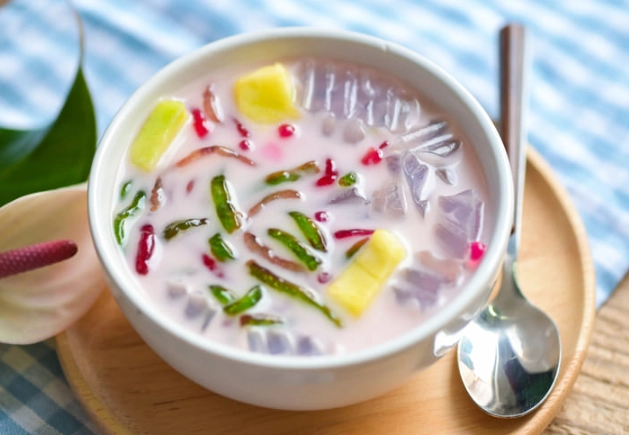
Must-Try Thailand Desserts: A Street Food & Market Checklist
Okay, theory is over. Let's get to the good stuff – what you should actually eat. Here’s my personal, highly opinionated list of Thai desserts you need to hunt down. I've split them into categories because, well, my brain works better that way.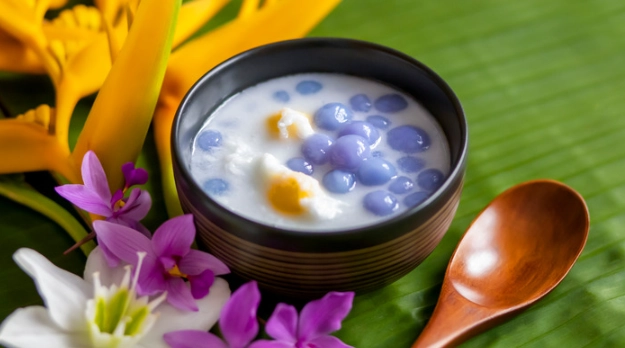
The Absolute Classics (You Can't Leave Without Trying These)
Mango with Sticky Rice (Khao Niew Mamuang): This is the superstar. It's simple: perfectly ripe, sweet-as-honey mango (usually the Nam Dok Mai or Ok Rong varieties) served with a mound of warm, salty-sweet coconut sticky rice, and drizzled with more coconut cream. The contrast of the cool, juicy mango with the warm, creamy rice is heavenly. A word of advice – get it in season (roughly March to June). Off-season mangoes can be a sad, stringy disappointment, and that ruins the whole experience.
Thai Coconut Ice Cream (I-tim Kati): This isn't your supermarket ice cream. It's often churned by hand in a metal drum, giving it a slightly icy, crystalline texture that's incredibly refreshing. The coconut flavor is intense and real. You'll usually get it served in a hollowed-out coconut shell or a simple cup, topped with sticky rice, peanuts, and those colorful jelly-like toppings. It's the perfect treat on a sweltering day.
Sticky Rice in Bamboo (Khao Lam): This is more of a snack. Sweet sticky rice, sometimes mixed with red beans or taro, is stuffed into a bamboo tube along with coconut milk and sugar. The whole thing is then roasted over charcoal. You peel back the bamboo to reveal a fragrant, cylindrical log of sweet rice. It’s fun, portable, and has a lovely smoky hint.
The Textural Adventures (For the Bold and Curious)
This is where Thailand desserts get really interesting. If you're not afraid of a little chew or wobble, dive right in.
Lod Chong (Green Noodles in Sweet Coconut Soup): You'll see bowls of this everywhere. It's made of pandan-flavored rice flour dough pressed into thin, green "noodles" that sit in a bath of sweetened coconut milk and shaved ice. The noodles are wonderfully slippery and chewy. It looks bizarre but tastes incredibly refreshing.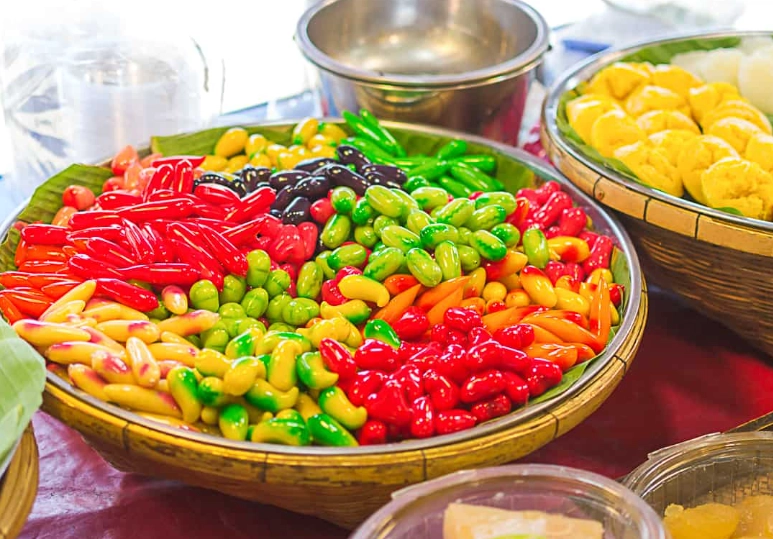
Khanom Chan (Layered Pandan & Coconut Cake): This is a steamed cake made with alternating thin layers of pandan-flavored batter and coconut batter. It's incredibly time-consuming to make, which is why it's often seen as a special occasion food. The texture is dense, bouncy, and slightly sticky, and the flavor is a beautiful duet of pandan and coconut. It’s elegant and subtle.
Roti Gluay (Banana Roti): Okay, this is street food heaven. It's influenced by Indian Muslim cuisine. A thin piece of dough is stretched and fried on a griddle until crispy, then a sliced banana is added, the whole thing is folded, and it's drenched in sweetened condensed milk and sugar. It's hot, crispy, gooey, and ridiculously indulgent. Not exactly health food, but an absolute must for your cheat day.
A Quick Reality Check:
Let's be honest, not every texture is for everyone. I have a friend who absolutely cannot stand the jelly-like, bouncy texture of things like saku (tapioca pearls) or some of the coconut jellies. She calls it "alien food." And you know what? That's fine. The beauty of Thai sweet stalls is the variety. If one thing weirded you out, just point at something else next time. Part of the fun is the adventure (and the occasional miss).
The Sweet Soups & Drinks (More Than Just a Beverage)
In Thailand, dessert can be drunk. These are often served warm or over ice and are almost a meal in themselves.
Bua Loy (Colorful Rice Balls in Coconut Soup): Sweet, gingery coconut soup filled with soft, chewy rice flour balls. The balls are often colored naturally (pumpkin for orange, pandan for green) and sometimes have a sweet filling like mung bean paste inside. It's comforting, like a hug in a bowl.
Grass Jelly Drink (Chao Kuai): Black grass jelly, which has a very mild, slightly herbal taste, is cut into cubes and served in a syrup, often with just ice or mixed into milk tea. It's not super sweet and is prized for its cooling properties.
Bringing Thailand Home: Can You Make Thai Desserts Yourself?
Absolutely. While some require special tools (like the bamboo for Khao Lam), many classic Thai desserts are surprisingly simple in technique. The challenge is often just finding the ingredients.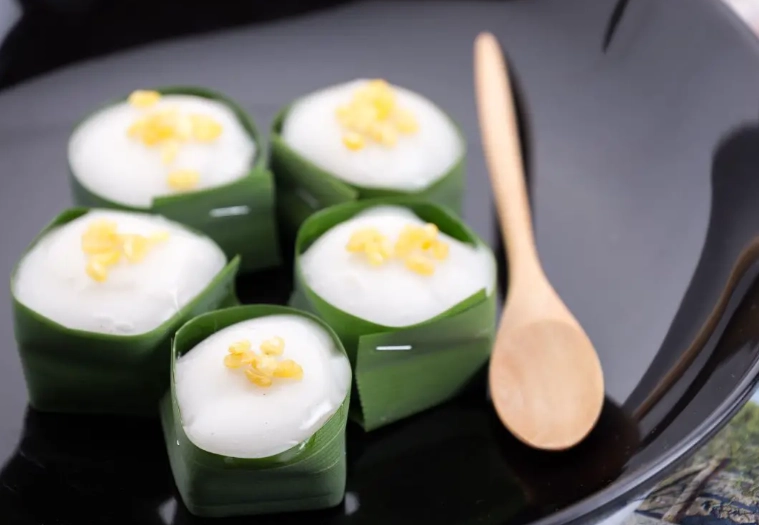
Your best bet for authentic ingredients is an Asian grocery store, especially a Southeast Asian or Thai-focused one. Look for bags of glutinous rice, blocks of palm sugar, cans of good-quality coconut milk (avoid the "light" versions for desserts), fresh or frozen pandan leaves, and tapioca flour. If you can't find fresh pandan, pandan extract or paste is a decent backup, though the flavor won't be as nuanced.
Let's tackle the big one: Mango Sticky Rice. Here's a stripped-down, home-cook-friendly approach.
First, soak your sticky rice for at least 4 hours, or ideally overnight. This is non-negotiable for the right texture. Steam it, don't boil it. A bamboo steamer over a pot of water works perfectly. While it's steaming, make the sauce by gently heating a can of coconut milk with palm sugar (or a mix of brown and white sugar if you're in a pinch) and a big pinch of salt until the sugar dissolves. Don't let it boil hard. Once the rice is cooked and still hot, mix about two-thirds of this warm coconut sauce into it. Let it sit and absorb for 15-20 minutes. For the topping, take the remaining coconut sauce and simmer it with a tiny bit of rice flour or cornstarch slurry to thicken it slightly into a cream. Serve the rice with sliced mango and drizzle that thickened cream on top. Sprinkle with some toasted sesame seeds or mung beans for crunch if you're feeling fancy. It's not 100% like the street vendor version, but it's 95% there and will absolutely impress your friends.
A simpler starting point is Thai Coconut Custard (Sangkaya). It's essentially a steamed custard made from coconut milk, eggs, and palm sugar, often poured into a small pumpkin or kabocha squash and steamed. You can easily make it in ramekins. Whisk the ingredients, strain, steam on low heat until set. It's silky, fragrant, and feels luxurious.
| Ingredient | What It Is & Where to Find | Good Substitutes (In a Pinch) |
|---|---|---|
| Palm Sugar | Hard, golden-brown cakes from palm tree sap. Asian grocery store. | Dark brown sugar + a tiny bit of maple syrup for complexity. |
| Pandan Leaves | Long, fragrant green leaves. Frozen section of Asian stores. | Pandan extract (use sparingly) or a drop of vanilla + a drop of almond extract (different, but pleasant). |
| Glutinous Rice | Also called "sweet rice." Short, opaque grains. Any Asian market. | No real substitute. Arborio rice will give creaminess but not chew. |
| Coconut Cream (for topping) | The thick, solid part from the top of a can of full-fat coconut milk. Or sold separately. | The thickened top layer from any high-quality canned coconut milk. Don't shake the can! |
The Stories Behind the Sweets: It's Not Just Food
Like most great food traditions, Thailand desserts are steeped in culture and history. Many of the elaborate, beautifully crafted sweets like Khanom Chan (the layered cake) or Thong Yip ("pinched gold" egg yolk sweets) have their roots in the royal palace cuisine, known as ahan chao wang. These were desserts that required immense skill, patience, and artistry, often made for important ceremonies and festivals.
Even today, specific desserts are tied to events. During the Vegetarian Festival, you'll see yellow sweets made without animal products. Songkran (Thai New Year) might feature specific offerings. And no visit to a temple is complete without seeing piles of colorful Thai desserts offered to the monks and Buddha images. It's a way of making merit, of giving something sweet and beautiful.
If you're interested in the deep cultural and historical context, the Royal Thai Embassy websites often have sections on culture and cuisine. For a more academic look, resources from institutions like SOAS University of London, which has strong Southeast Asian studies programs, can be fascinating, though heavier reading.
On the practical, recipe-focused side, I've found that websites of long-established Thai cooking schools, like the Bangkok Thai Cooking Academy, often have reliable, well-tested recipes that explain the "why" behind the steps. They're a great next step once you've got the basics down.
Your Burning Questions About Thailand Desserts (Answered)
"The first time I successfully made sticky rice at home, I was so proud I took a picture. It wasn't as perfect as the vendor's, but the smell of steaming coconut rice filled my kitchen and instantly transported me back to a Bangkok sidewalk. That's the magic of this food – it's a direct line to a memory, a place, a feeling."
Wrapping This Sweet Journey Up
So, there you have it. The world of Thailand desserts is deep, diverse, and deeply satisfying. It goes far beyond the mango and sticky rice (though that's a perfect starting point). It's a cuisine that plays with temperature, texture, and balance in ways that constantly surprise and delight.
My advice? Be curious. If you see something in a market that looks strange and colorful, point to it and try it. Ask the vendor what it's called. Embrace the wobble and the chew. And when you get home, maybe try steaming some sticky rice. It's a fun kitchen project with a delicious reward.
Exploring these sweets is one of the most delightful ways to connect with Thai culture. It's a journey that engages all your senses. And honestly, isn't that what great food is all about?
Now, if you'll excuse me, all this writing has made me crave a bowl of Lod Chong. I know where I'm going for lunch.